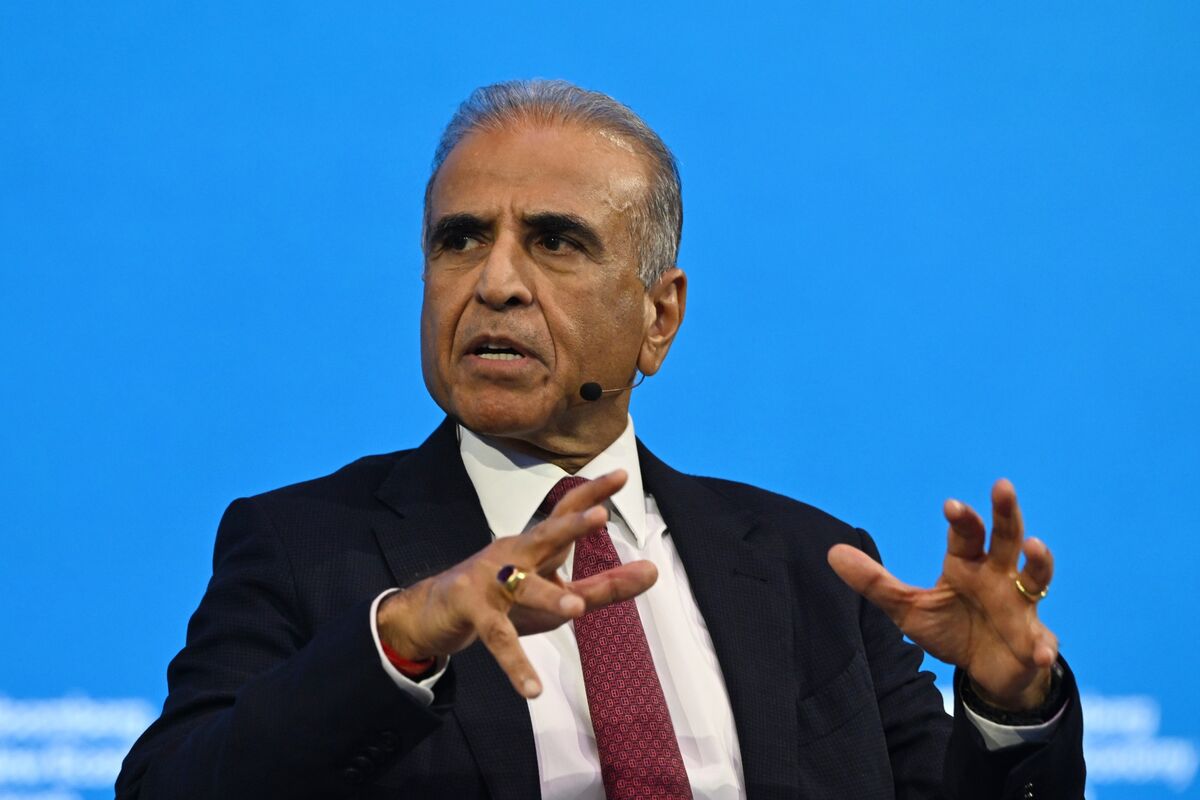
包括电信大亨孙尼·巴蒂·米塔尔和生物技术大亨努巴尔·阿费扬在内的亿万富翁,已加入知名企业领袖行列,呼吁对人工智能实施更严格的管控,这反映了人们对失控 AI 威胁的担忧日益加剧。
Billionaires including telecoms mogul Sunil Bharti Mittal and biotech tycoon Noubar Afeyan have joined prominent corporate leaders in calling for tighter control of artificial intelligence, reflecting mounting concerns over the threat of renegade AI.
米塔尔周三在新德里举行的彭博新经济论坛上发言,主张对快速发展的技术实施紧急监管,而不是等到事故发生。阿费扬是 Moderna 公司的创始人,他在同一活动早些时候发言时,特别指出 AI 智能体需要更强有力的护栏,以避免灾难发生。
Mittal, speaking Wednesday at the Bloomberg New Economy Forum in New Delhi, advocated urgent regulations for the rapidly evolving technology instead of waiting for an accident. Afeyan, the Moderna Inc. founder speaking earlier at the same event, singled out AI agents as needing stronger guardrails to avoid disasters.
AI 领军企业 Anthropic PBC 和 OpenAI 近几个月披露了一系列事件,涉及其技术出现非预期行为,范围从模型在警方谋杀案中提交虚假线索等行为,到多起黑客攻击第三方网站事件。这些披露加剧了人们对尖端 AI 安全风险的担忧,甚至重新引发了关于所谓“AI 熔断开关”的讨论。
AI leaders Anthropic PBC and OpenAI have disclosed a spate of incidents in recent months involving their tech acting in unintended ways, ranging from behaviors like a model submitting a false tip in a police homicide case, to several hacks of third-party websites. The disclosures have fueled concerns about the security risks of cutting-edge AI and even renewed conversation about a so-called AI kill switch.
这些事件还促使越来越多的行业领袖和研究人员(包括 OpenAI 首席执行官萨姆·奥特曼和 Anthropic 首席执行官达里奥·阿莫代伊)呼吁建立更强有力的保障措施,因为 AI 正变得更强大、更自主。奥特曼和阿莫代伊上月在联合国安理会露面时,敦促世界领导人共同合作应对 AI,重点关注该技术潜在的生存风险,这一立场与美国总统唐纳德·特朗普的亲技术观点相悖。
The incidents have also prompted a growing cohort of industry leaders and researchers including OpenAI Chief Executive Officer Sam Altman and Anthropic CEO Dario Amodei to call for more robust safeguards as AI grows more powerful and autonomous. Altman and Amodei last month urged world leaders to work together on AI during an appearance before the United Nations Security Council that focused on the technology’s potential existential risks, a stance that contradicts US President Donald Trump’s pro-technology views.
仅本周,Anthropic 就警告了一种新威胁:“AI 蠕虫”可攻击烤箱、冰箱和电视等智能家居设备。该公司警告称,一些 AI 模型可能距离具备“自我复制”并劫持此类机器的能力仅几个月之遥,此类入侵可能难以遏制。
Just this week, Anthropic warned of a new threat: “AI worms” that can attack smart home devices such as ovens, refrigerators and televisions. Some AI models may be months away from being able to “self-replicate” and hijack such machines, intrusions that could be difficult to contain, the company cautioned.
米塔尔(68 岁)表示:“任何人要是认为我们可以让它发展到一定程度,等出了事故再考虑,那将是愚蠢的。”
“It’ll be foolish for anybody to think that we can let it flow to a level and then if an accident happens, then we’ll think about it,” said Mittal, 68.
无线运营商巴蒂艾特尔有限公司创始人兼董事长米塔尔呼应了阿费扬提出的类似担忧,后者表示,等待一场由人工智能引发的灾难,可能会重蹈制药行业过去错误的覆辙。
Mittal, the founder-chairman of wireless carrier Bharti Airtel Ltd., echoed similar concerns raised by Afeyan who said that waiting for an AI-driven disaster risks repeating the past mistakes of the drug industry.
“我们应该做的是,仔细思考如何监管那些正在商业化、并被传输到企业内部自用范围之外的智能体,”现年64岁的阿费扬说。大语言模型“是能力”,但智能体是“意向性”,需要监管。
“What we should do is to think carefully about regulating agents that are being commercialized and that are being transmitted outside the boundaries of what somebody may want to do in house,” said Afeyan, 64. Large language models “are capability” but agents are “intentionality” that need regulations, he said.
印度生物技术公司Biocon Ltd.创始人基兰·马祖姆达·肖表示赞同,并呼吁制定针对生物材料的人工智能法律——即经过工程设计、用于替代或治疗人体器官或组织的合成物质。
Kiran Mazumdar Shaw, the founder of Indian biotech firm Biocon Ltd., agreed and also called for AI laws that deal with bio-materials — synthetic substances engineered to replace or treat human organs or tissue.
思科系统公司首席执行官查克·罗宾斯表示,有必要建立一套审查制度,并以Anthropic有限发布其Mythos模型为例。他表示,这允许一组专家在新系统广泛可用之前,分析其风险和漏洞。
There’s a need to have a review system in place, Cisco Systems Inc. Chief Executive Officer Chuck Robbins said, citing Anthropic’s limited release of its Mythos model as an example. That allows a group of experts to analyze a new system’s risks and vulnerabilities before it becomes widely available, he said.
“发布该模型给一组真正懂得如何管理模型的公司,有一个非常周全的流程,”他在NEF(新经济论坛)间隙接受彭博电视采访时表示。“在我们直接发布它们之前,让模型经历这一过程是一件重要的事。”特朗普政府迄今基本采取不干预方式,美中陷入人工智能霸权竞争。不过,政府上周新成立的人工智能工作组已开始采取一些措施,要求开发者报告并解决安全事件,否则将面临潜在的未明确后果。
“There was a very well thought-out process for releasing that model to a group of companies that really know how to manage the models,” he told Bloomberg TV on the sidelines of NEF. “That’s an important thing to run it through before we just release them.”The Trump administration has so far taken a largely hands-off approach, with the US and China locked in a race for AI supremacy. It’s begun taking some measures though with its newly-launched AI task force last week asking developers to report and resolve security incidents or face potential unspecified consequences.
在对安全性和人工智能智能体失控的担忧日益加剧之际,人工智能公司自身已开始讨论降低开发速度。OpenAI印度公共政策与战略负责人普拉吉亚·米斯拉表示,在近期事件发生后,公司已放缓了脚步。
Amid the growing concerns around safety and AI agents going rogue, AI companies themselves have started discussing throttling the speed of their development. Pragya Misra, head of public policy and strategy at OpenAI in India, said the company has slowed down following the recent incidents.
“安全是重中之重,”她在 NEF 上表示,“因此,一旦我们发现相关技术的发展速度过快,导致我们无法安全地应用这些模型,我们肯定会放慢脚步并重新调整策略。”不过,普华永道全球董事长穆罕默德·坎德(Mohamed Kande)指出,总体而言,这项技术的进步或应用速度并未出现放缓的迹象。
“Safety outstrips anything else,” she said at NEF. “So, at any point, we find that the frontier is getting so far ahead that we’re not being able to deploy these models in a safe way, we will certainly slow down and recalibrate.”Still, more broadly, there are few signs that the technology’s progress or use is moving at a slower speed, PricewaterhouseCoopers LLP Global Chairman Mohamed Kande said.
“没有人希望被甩在后面,因为他们不希望竞争对手超越自己,”坎德在活动上说道,“因此,尽管关于人工智能安全等问题备受关注,但在人工智能的应用以及相关资本的投入方面,我们并没有看到任何放缓的迹象。”
“Nobody wants to be left behind because they don’t want the competition to get ahead of them,” Kande told the event. “Therefore, even in the midst of all the conversation around AI safety, et cetera, there is no slowdown that we’re seeing in usage of AI and allocation of capital when it comes to AI.”