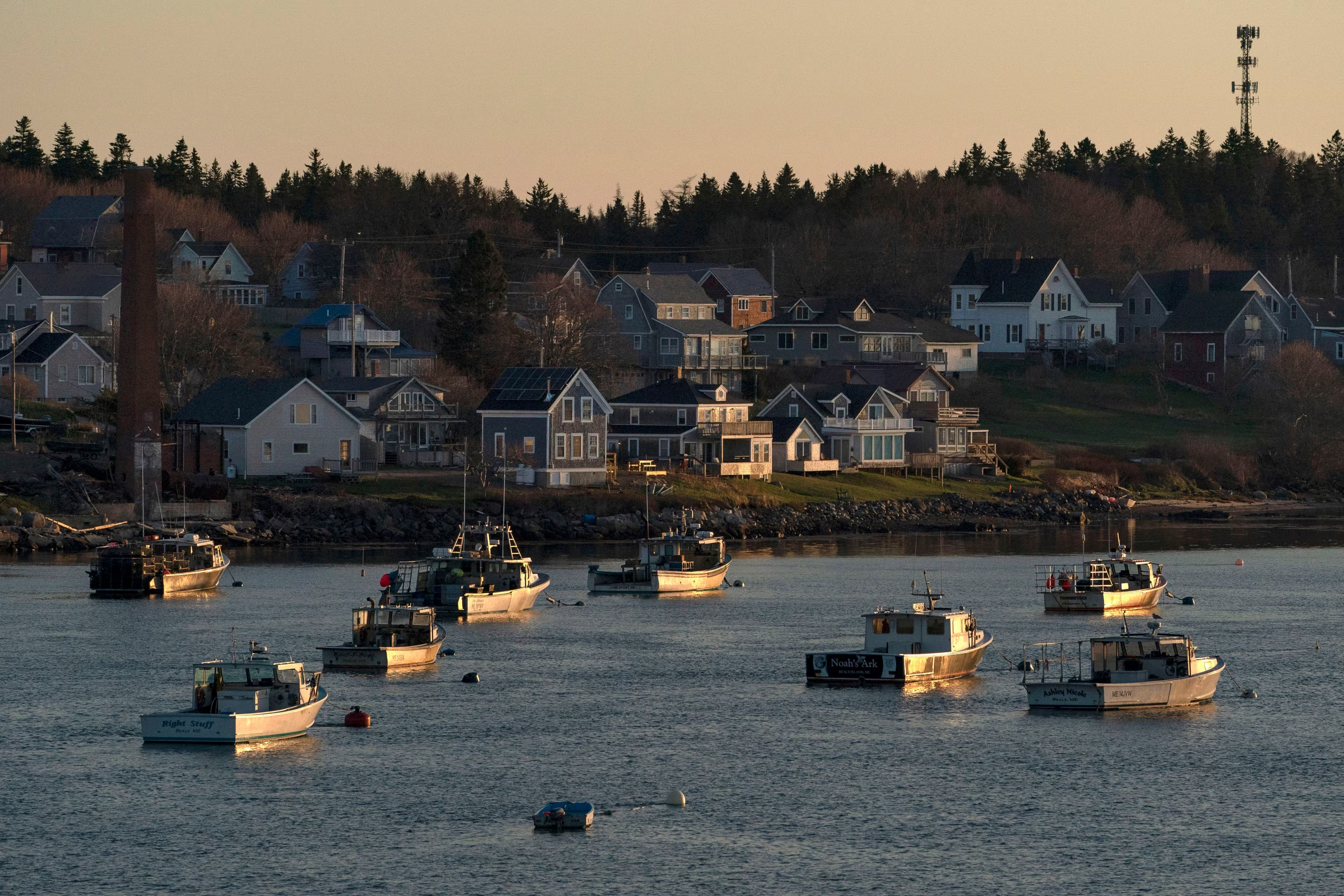
缅因州波特兰 最高法院拒绝受理一名渔民的案件,该渔民称政府要求商业捕捞船使用电子追踪设备构成不合理的搜查和扣押。
PORTLAND, Maine The Supreme Court has declined to hear the case of a lobster fisherman who alleged the government requiring commercial fishing boats to use electronic tracking devices amounts to unreasonable search and seizure.
缅因州龙虾渔民弗兰克·汤普森在该州开始要求所有持联邦许可证的龙虾渔民在船上安装GPS追踪器以收集有助于管理行业的数据后提起诉讼。汤普森在上诉法院败诉后向最高法院提出上诉。
Maine lobster fisherman Frank Thompson sued after his state began requiring all federally permitted lobstermen to install GPS trackers on their boats to collect data that will help manage the industry. Thompson appealed to the high court after losing at the appeals court level.
最高法院于10月5日正式驳回汤普森的请愿。缅因州海洋资源部专员卡尔·威尔逊表示,该决定允许该州收集“至关重要”的数据。
The Supreme Court formally denied Thompson's petition on Oct. 5. The decision allows the state to collect “critically important” data, said Carl Wilson, commissioner of the Maine Department of Marine Resources.
威尔逊在一份声明中说:“这将为龙虾资源评估提供信息,加强近海执法,并在各种联邦管理情境中支持更好的决策。”
“It will inform the lobster stock assessment, enhance offshore enforcement, and support better decision-making in a range of federal management contexts,” Wilson said in a statement.
汤普森的诉讼提出了关于政府监管限制以及商业渔业管理方式的问题。代表汤普森的太平洋法律基金会在周二的一份声明中表示,“政府是否能够利用行业规则规避第四修正案保护的争论远未结束。”该基金会在一篇博客文章中表示,法院的裁决意味着大约1200名持有联邦许可证的缅因州龙虾渔民可能被追踪。然而,该基金会表示,关于政府监管的法律斗争尚未结束。
Thompson's lawsuit raised questions about the limits of government surveillance and the ways commercial fisheries are managed. Pacific Legal Foundation, which represented Thompson, said in a Tuesday statement that “the fight over whether the government can use industry regulations to sidestep Fourth Amendment protections is far from over.”The foundation said in a blog post that the court's decision means some 1,200 Maine lobster fishermen who hold federal permits can be tracked. However, the legal battle over government surveillance isn't over, the foundation said.
一些呼吁加强商业捕捞监管的环保团体欢迎这一决定。一些团体表示,需要更密切地监控渔业以保护濒临灭绝的北大西洋露脊鲸,这种鲸类容易被渔具缠住。另一些团体则表示,龙虾种群数量下降需要更密切的监控。
Environmental groups that have called for more commercial fishing surveillance cheered the decision. Some have said the industry needs to be monitored more closely to protect rare North Atlantic right whales, which are vulnerable to getting entangled in fishing gear. Others have said the declining lobster population needs to be more closely monitored.
“新英格兰的龙虾种群已经危险地下降,”保护法律基金会副律师莎拉·沙哈比说。“追踪龙虾船只能够提供监管机构所需的及时准确数据。此决定是恰当管理这一标志性物种的宝贵一步。”美国大部分龙虾捕获量被运送到缅因州的码头,龙虾捕捞是该州历史和文化的重要组成部分。码头的捕获价值通常每年超过5亿美元。
“New England’s lobster population has declined dangerously,” said Conservation Law Foundation associate attorney Sarah Shahabi. “Tracking lobster boats provides the timely and accurate data that regulators need. This decision is a valuable step toward appropriately managing this iconic species.”Most of the U.S. lobster catch comes to the docks in Maine, where lobster fishing is a key piece of the state's history and culture. Catch at the docks is often worth more than $500 million annually.
最高法院拒绝审理汤普森案的决定是本月针对龙虾渔民的两项联邦法院裁决之一。总部位于波士顿的美国第一巡回上诉法院也裁定反对一群起诉加州蒙特雷湾水族馆的渔业企业和贸易组织。原告在该水族馆的Seafood Watch项目将美国和加拿大龙虾列入“不宜食用”的“红色名单”后,以诽谤为由起诉了该水族馆。
The Supreme Court's decision not to hear Thompson's case was one of two federal court rulings against lobster fishermen this month. The Boston-based 1st U.S. Circuit Court of Appeals also ruled against a group of fishing industry businesses and trade organizations that sued the Monterey Bay Aquarium in California. The plaintiffs sued the aquarium for defamation after its Seafood Watch program placed American and Canadian lobster on its do-no-eat “red list.”