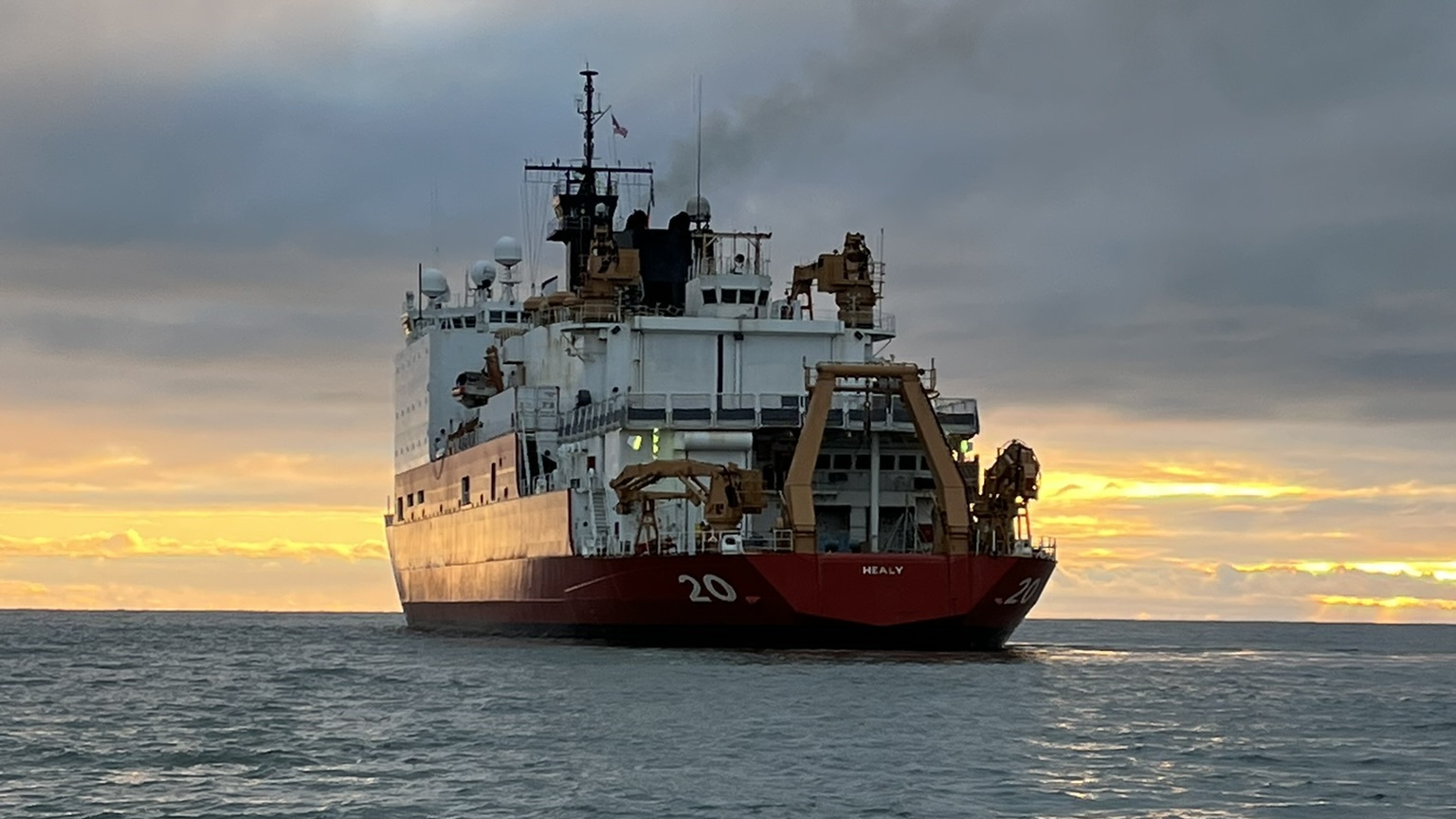

“海的变化”:北极地区的权力竞争随着北极地区的极地冰层融化,新的航道逐渐开通,这一区域已成为超级大国争夺的新战场。作家拉娜·福鲁哈尔(Rana Foroohar)曾登上美国海岸警卫队的破冰船“USS Healy”,亲身体验了北极航行的过程。她指出,曾经只是理论上的“北极航线”如今已变得现实可行——每年有大约两到三周的时间可以经由海路穿越北极。
Sea Change.
“如果选择这些北极航线,航行时间可以节省多达40%;考虑到石油的价格,这无疑意味着巨大的经济效益,”她说。“中国和俄罗斯显然都在努力将北极地区变成自己最具战略利益的区域。”在她的新书《海的变化:美国在北极圈的新博弈》中,福鲁哈尔认为北极地区可能成为全球航运的关键枢纽,其重要性堪比苏伊士运河和巴拿马运河。她同时指出,北极海域蕴藏着丰富的石油、天然气和稀土矿产资源,还有许多海底电缆,这些电缆承载着全球大部分洲际信息传输任务。
Crown As polar ice melts in the Arctic shipping lanes are opening up making the region a new zone of superpower competition. Writer Rana Foroohar got an up-close look aboard the USS Healy, a Coast Guard icebreaker. She says that traversing the North Pole by ship — once a "largely conceptual" route — is now becoming a "real possibility" for two or three weeks a year.
“海底电缆已成为国际战争和冲突中的关键因素,”她强调。“因此,各国都在竞相铺设新的海底电缆,看谁能最快完成这项任务;随后,这些地区就可能被商业化甚至军事化。”福鲁哈尔将北极圈描述为全球为数不多的几个国家和企业仍可以争夺领土、与对手展开竞争的地区。她预测,随着北极气候持续变暖,未来几十年该地区将出现更多冲突。
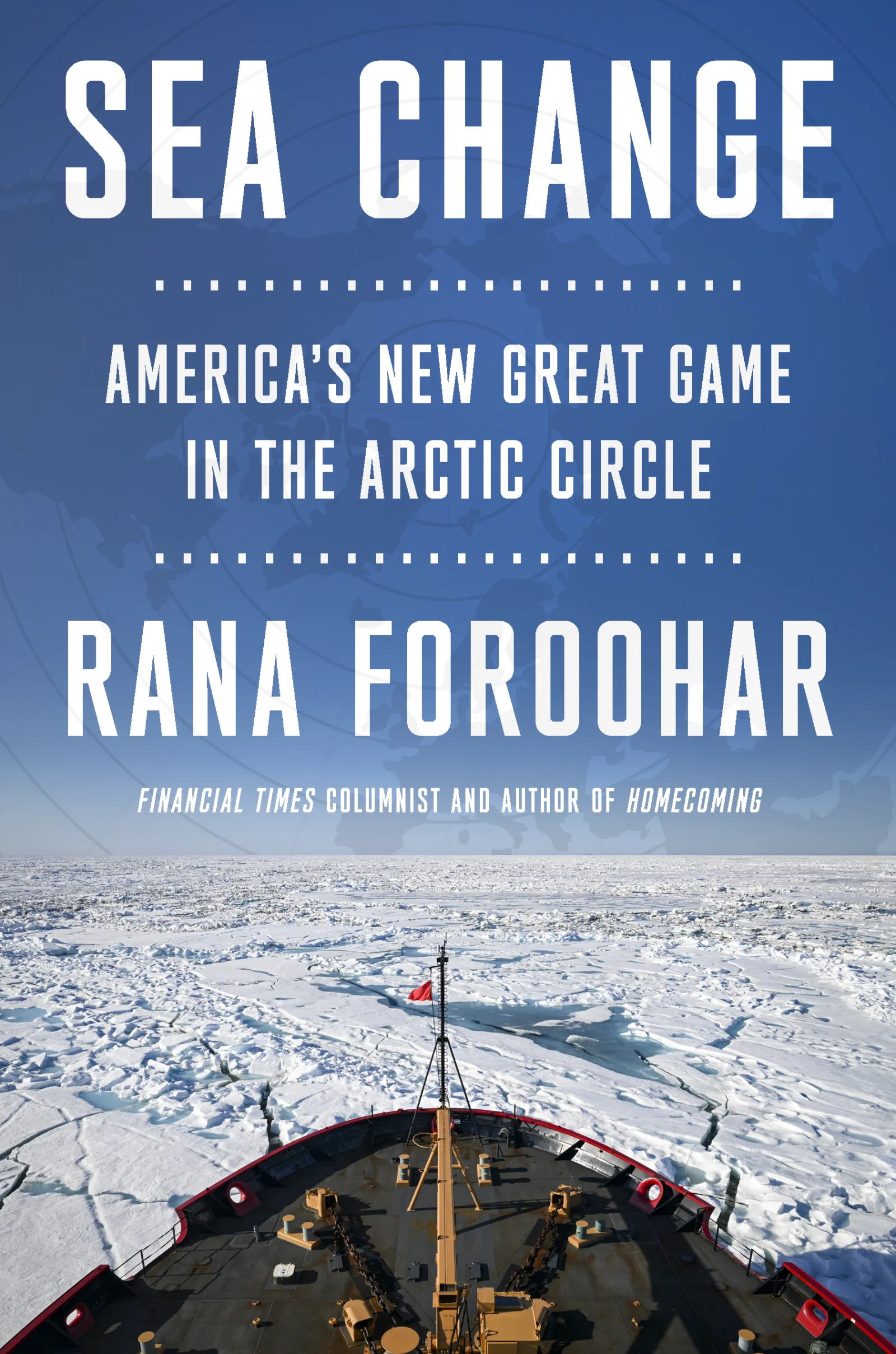
"If you are taking one of these Arctic routes, you can save as much as 40% of the time it would take you to go from the Atlantic to the Pacific, and depending on the price of oil, that's a heck of a lot of money," she says. "China and Russia together are clearly trying to make the top of the world an area over which they have the most interest." In her new book, Sea Change: America's New Great Game in the Arctic Circle, Foroohar makes the case that the "High North" may become as critical to world shipping as the Suez Panama canals But she also notes that beneath the Arctic waters are large deposits of oil, natural gas and rare earth minerals, as well as underwater cables which carry a large part of the world's intercontinental information flow.
“通过这个地区进行的商业活动将会增多,对该地区的军事关注也会增强。所有这些都非常重要,因为这片区域实际上位于美国的‘后院’。”她说,“我认为未来美国会对高纬度地区的事务给予更高的重视。”
"Undersea cables have become a real touchstone in wars and conflicts around the world," she says. "So you are seeing a race to lay down new cable, and who can get there fastest, and then who can potentially commercialize and even militarize areas where those cables have been laid." Foroohar describes the Arctic Circle as one of the few areas of the globe where countries and companies can still "hunt" for territory and "duke it out potentially with rivals." And she predicts more conflict in the coming decades as the region continues to warm.
访谈亮点:关于国际社会对北极地区日益增长的兴趣:中国和俄罗斯显然都在努力将北极地区变成自己最具影响力的区域。这与美国的外交政策非常吻合——美国越来越强调需要保护本国周边地区的利益。从这个角度来看,美国和中国之间的地缘冲突风险正在增加。虽然我不希望这种冲突真的发生,但两国在该地区的竞争确实十分激烈。
"There is going to be more commerce done through this area. There is gonna be greater military interest in the area, and all of that matters because it really is in America's backyard," she says. "I just think that everything in the High North is going to be higher priority for America in the future." Interview highlights Penguin Random House On increased international interest in the Arctic China and Russia together are clearly trying to make the top of the world an area over which they have the most interest. And that's very interesting because it starts to dovetail with something that's happening in U.S. policy, which is more of a sense of we need to protect what's close to home. And so if you look at things that way, then you have the U.S. and China coming into much closer geographic conflict. Whether or not it would ever be a hot conflict, I hope not, but certainly competition in that area.
关于国际海域资源权利的争议:目前存在关于国际海域资源权利的争议。联合国《海洋法公约》规定了海洋活动的规则,包括在北极地区的活动规范(例如哪些地方可以采矿、如何进行采矿以及资源如何分配)。然而美国从未签署该公约。从克林顿到布什再到奥巴马,多位美国总统都支持该公约,但一些共和党参议员以意识形态为由反对该公约,认为任何国际组织都不应拥有对美国行为的管辖权。
On the debate over rights to resources in international waters There's some debate over that. There is something called the United Nations Convention on the Law of the Sea which governs maritime activities, including those in the Arctic. It has ... rules about where you can mine, how you can mine, who gets what. But the U.S. never signed on to that convention. Various presidents from Clinton to Bush [to] Obama did support it, but key Republican senators opposed it, basically on ideological grounds, the notion that no international body should have sovereign right over what the U.S. does. ...
因此,在北极地区的资源分配问题上,实际上存在很大的不确定性(即谁能够获取这些资源)。此外,俄罗斯和中国也并不总是遵守联合国的规则。
And so it makes it much more of a free-for-all as to who gets what in the Arctic. And then you throw in the fact that Russians and Chinese don't always play by the U.N. rules either.
关于北极地区的权力斗争如何成为全球趋势的一部分:这些权力斗争实际上是国际秩序崩溃的一个缩影,也是全球化向区域化及权力/影响力分配转变的体现——而这正是北极地区正在发生的事情。对我来说,这非常有趣,不仅因为北极本身的情况本身引人关注,更因为它反映了世界其他地区的动态。如今在北极地区出现的领土争端、矿产资源争夺以及港口控制权之争,同样也在拉丁美洲、西非或南海部分地区上演。因此,北极地区在更广泛的地理战略格局中具有重要的象征意义。
On how Arctic power struggles are part of a larger global trend It's kind of part and parcel of a bigger collapse of international rule and a pendulum shift from globalization to something that is much more about regionalization and spheres of power ... and influence, which is exactly what's happening in the Arctic, which to me is so interesting, not only just for itself, but because it's a mirror into what's happening in other parts of the world. Some of the same conflicts over territory and mineral rights and ports that you see in the Arctic now are also happening in Latin America or West Africa or parts of the South China Sea. So it's a bit of a bellwether for geostrategy more broadly.
另外,还有一条横跨极地的交通路线——目前这还只是一个理论上的设想,但随着全球变暖的持续,这条路线可能会变得越来越现实。现在可能还需要几周时间才能穿越极地,但如果未来一二十年全球变暖的趋势继续下去,这个过程可能会缩短到一个月、两个月甚至三个月。那么,谁将会控制这片区域呢?这正是当前亟待解决的问题。
And then there's this — kind of largely theoretical up until now, but becoming more realistic — trans-polar route where right now it might be a couple of weeks that you could consider going right across the pole, but if global warming continues the way it seems to be going in the next decade or two, that could turn into a month, two months, three months. And so who's going to control that area? This is what's up for stake now.
至于在北极破冰船上生活的体验:你会真切地感受到船体撞击冰层时产生的震动和声音。我记得有一次我在餐厅里吃午饭,餐厅位于船体的较低层(距离水面有几层楼的高度)。突然,我听到一种“嘶嘶”的声音,仿佛有什么东西在空气中移动;随后这种声音变成了尖锐的“吱吱”声(就像手指在黑板上划动一样),同时还能感受到强烈的震动。那种感觉非常令人震撼——因为我和死亡之间仅隔着12英寸厚的加固钢板而已……真是令人警醒的体验。
On what it's like to be onboard an Arctic icebreaker You begin to feel and hear the ice as it is being broken by the ship. And I remember being down on the mess hall, which is a couple floors down from the waterline, and I was sitting eating my lunch and you begin to hear this shhhhhh kind of sound, like something traveling through sound, and then it becomes squeaky, like fingers on chalkboard, and you can kind of feel vibration and it gets louder and louder and you're like, "Wow, there are only 12 inches of reinforced steel between me and death." That's very sobering.
关于该地区气候变化的问题,我们在离开“Healy”号考察船几个月后,确实与一些科学家进行了交流;他们当时正在分析相关数据。确实有科学证据表明,这些地区的环境正在发生变化——气温正在上升,这些地区的自然环境已经与过去大不相同了。这种变化会影响到很多方面:比如能够生活在那里的鱼类种类,以及风力和海浪的模式;而这些因素又可能进一步影响诸如加拿大北方森林火灾之类的现象(我在纽约布鲁克林的家中就经常看到这类火灾)。
On the region's changing climate I actually touched base with some of those scientists several months after we had come off of the Healy, and they were starting to go through that data and look at it. And there is some real scientific data showing that these areas are changing. They are warming. They are becoming different than they have been in the past. And that affects all kinds of things. It affects the kind of fish that could live there. It affects wind and wave patterns that you might get, which could in turn affect things like the Canadian boreal forest fires that I experience in my home in Brooklyn, New York.
你可能会认为这些现象与北极地区毫无关系,但实际上,它们与高纬度地区(即北极地区)正在发生的一切变化息息相关。
You would think that has nothing to do with the Arctic, but it actually has everything to do with what's happening in the High North.
这次采访的策划和剪辑工作由 Therese Madden 和 Susan Nyakundi 完成;Bridget Bentz、Molly Seavy-Nesper 以及 Beth Novey 负责将其改编成适合网络发布的版本。
Therese Madden and Susan Nyakundi produced and edited this interview for broadcast. Bridget Bentz, Molly Seavy-Nesper and Beth Novey adapted it for the web.