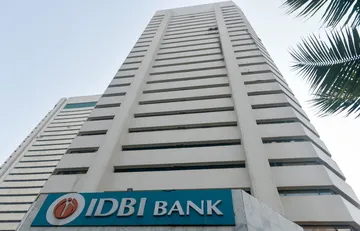
印度长期期待的IDBI银行有限公司出售将为纳伦德拉·莫迪总理政府提供一些财政缓解,因为燃油价格飙升和外国资金流入减少正在加剧经济压力。
India’s long-awaited sale of IDBI Bank Ltd. will provide the government of Prime Minister Narendra Modi some fiscal relief as surging fuel prices and dwindling foreign inflows add to pressure on the economy.
这笔5287.8亿卢比(56亿美元)的交易将使资产出售所得首次在七年内超过政府年度目标。经济学家表示,这一一次性意外之财将为政府提供空间,以缓冲家庭承受每桶100美元以上的石油价格冲击,同时不危及其4.3%的财政赤字目标。然而,如果原油价格仍然高企,这种缓解可能只是短暂的。
The 528.78 billion-rupee ($5.6 billion) deal will push asset-sale proceeds past the government’s annual target for the first time in seven years. The one-off windfall gives the government room to cushion households from $100-plus oil without jeopardizing its 4.3% deficit target, economists said. The relief may prove short-lived, however, if crude prices remain high.
“股权出售将增加政府的财政收入,”印度斯坦银行有限公司经济学家高拉夫·卡普尔说。“这笔资金有助于政府轻松实现其赤字目标,但也为其提供了足够的资金,以在国际油价可能长期维持在每桶100美元以上的情况下,继续实施燃油补贴。”印度进口约90%的原油需求,使其特别容易受到全球价格上涨的影响。政府已经削减燃油税以减轻消费者负担,而国有石油零售商则在国际成本上升的情况下保持加油站价格不变。
“The stake sale will boost the government’s coffers,” said Gaurav Kapur, economist with IndusInd Bank Ltd. “The money helps the government comfortably meet its deficit targets, but also gives it adequate funds to carry on with fuel subsidies for longer, considering international oil prices could remain above $100 a barrel for an extended period.”India imports about 90% of its crude oil requirements, leaving it particularly vulnerable to the surge in global prices. The government has already cut fuel taxes to cushion consumers, while state-run oil retailers have kept pump prices unchanged despite rising international costs.
这些措施正在对公共财政造成影响。根据评级机构ICRA的数据,自4月开始的财政年度前五个月,消费税收入下降了23%。同期财政赤字达到7.1万亿卢比,相当于全年目标的近42%。ICRA上个月警告称,如果政府在其他方面未能找到节约措施,其财政赤字可能超额完成目标多达1.4万亿卢比。
Those measures are taking a toll on public finances. Excise duty collections fell 23% in the first five months of the fiscal year that began in April, according to ratings company ICRA. The fiscal deficit reached 7.1 trillion rupees over the same period, or nearly 42% of the full-year target. ICRA warned last month that the government could overshoot its deficit goal by as much as 1.4 trillion rupees unless it finds savings elsewhere.
到目前为止,强劲的经济正在提供一定的缓冲。印度在4月1日至9月17日期间征收的直接税总额达到14.3万亿卢比(1490亿美元),较去年同期增长15.2%。
So far, a strong economy is offering some buffer. India collected 14.3 trillion rupees ($149 billion) in gross direct taxes during April 1 to Sept. 17, an increase of 15.2% from a year ago.
“政府需要建立财政缓冲,以应对不可预见的全球和国内风险,特别是在中东危机不确定性和补贴及进口成本上升风险的背景下,”易迈仕全球金融服务有限公司经济学家马德哈维·阿罗拉说。“此外,近年来资产出售一直落后于预算目标,今年加大力度既必要又及时。”此次出售发生在印度卢比成为亚洲表现最差货币之一之际。
“The government needs to build fiscal buffers against unforeseen global and domestic risks, particularly amid uncertainty around the Middle East crisis and risks of rising subsidy and import costs,” said Madhavi Arora, economist with Emkay Global Financial Services Ltd. “Moreover, divestment has consistently lagged budgeted targets in recent years, making a stronger push this year both necessary and timely.”The sale comes as the Indian rupee is among the worst-performing currencies in Asia.
本周末,印度央行推出了一系列措施支持疲软的卢比,这是自2013年该国货币危机以来最强有力的行动。储备银行行长桑杰·马尔霍特拉本周表示,如果需要,政策制定者将考虑进一步措施。
Over the weekend, India’s central bank rolled out a series of measures to support the sliding rupee in its strongest action since the country’s currency crisis in 2013. Reserve Bank Governor Sanjay Malhotra this week said policy makers would consider further measures, if needed.
IDBI交易也标志着印度私有化计划的一个重大突破,该计划一再未能达到政府目标。德里政府在今年财政年度预算了8000亿卢比的股权出售和资产货币化收入,此前几年收入令人失望。尽管如此,这笔收入只能提供暂时的缓解。
The IDBI transaction also marks a significant breakthrough for India’s privatization program, which has repeatedly fallen short of government targets. New Delhi had budgeted 800 billion rupees from stake sales and asset monetization this fiscal year, after years of disappointing receipts. Still, the proceeds provide only temporary relief.
与每年流入政府金库的税收收入不同,私有化收入是一次性收益。因此,经济学家表示,油价长期高企可能会侵蚀财政缓冲,特别是如果德里政府继续保护家庭免受燃料成本上涨的影响。
Unlike tax revenue, which flows into government coffers every year, privatization receipts are a one-time gain. A prolonged period of high oil prices could therefore erode the fiscal cushion, particularly if New Delhi continues shielding households from higher fuel costs, economists said.
“如果燃料价格保持高位,政府可能需要在2028年3月结束的年度中考虑放缓财政整顿步伐或控制公共资本支出增长,”埃拉拉资本经济学家加里马·卡普尔说。“这将使重点集中在战略性资产出售和资产货币化上,因为政府寻求平衡财政优先事项与维持增长的需求。”
“If fuel prices remain elevated, the government may need to consider a slower pace of fiscal consolidation or moderate the growth in public capital expenditure” in the year-ending March 2028, said Garima Kapoor, an economist at Elara Capital. “This will keep the focus on strategic disinvestment and asset monetization as the government seeks to balance its fiscal priorities with the need to sustain growth.”