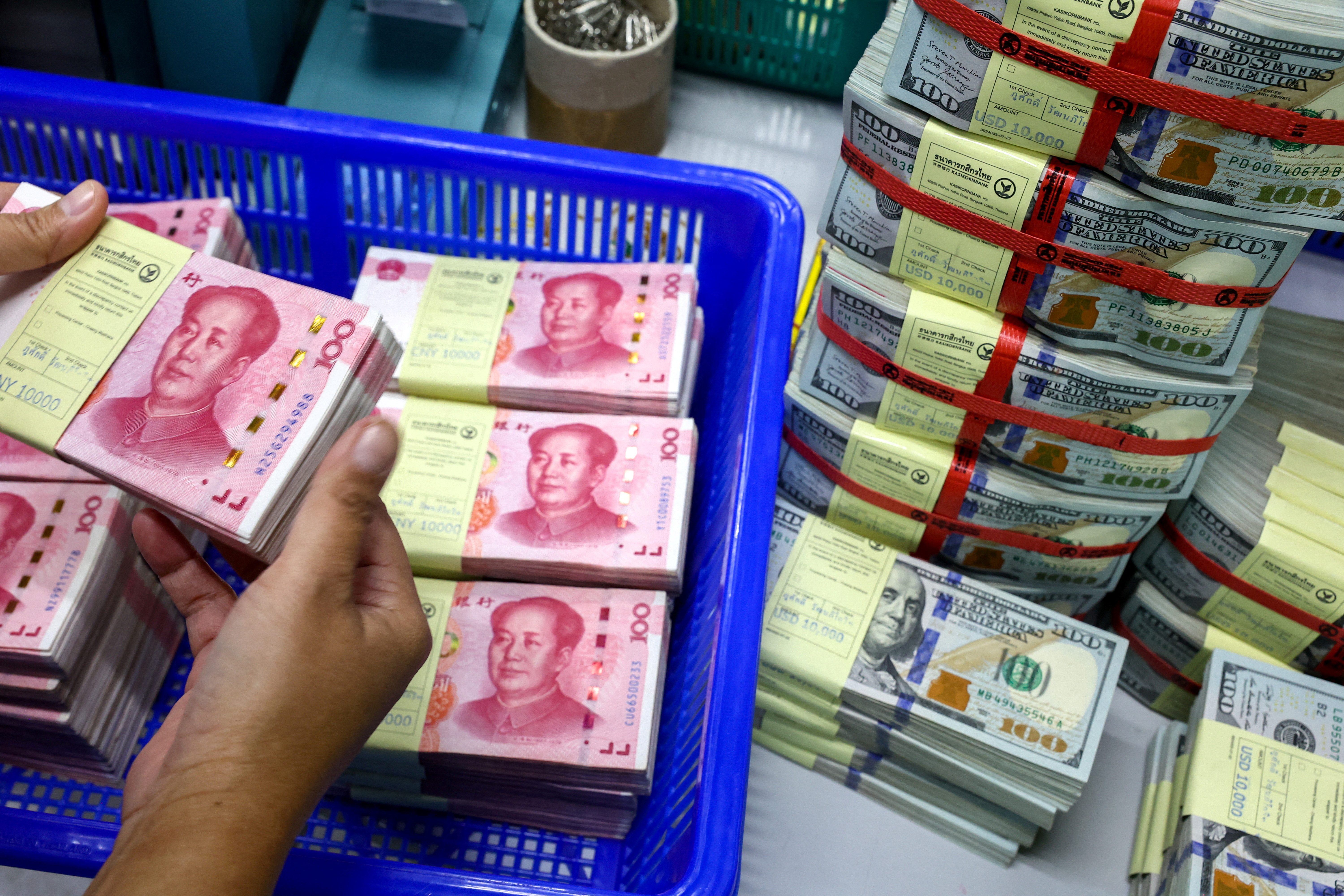
主权财富基金正在越来越多地在美元计价债券之外筹集资金,因为为筹集资本而加剧的竞争正在增加发行债务的成本,花旗银行一位负责该行业的高级银行家周四表示。
Sovereign wealth funds are increasingly raising funds outside dollar-denominated bonds as the intensifying competition to raise capital increases the costs of issuing debt, a senior banker at Citi who deals with the sector said on Thursday.
当地货币债务市场,如人民币、澳元、港元和新加坡元,正吸引着希望多元化融资渠道的公共和私营发行人的兴趣,花旗银行公共事业部全球负责人Stephanie von Friedeburg对路透社表示。
Local currency debt markets, such as the Chinese renminbi, Australian dollar, Hong Kong dollar and Singapore dollar, are drawing interest from public and private issuers looking to diversify their funding, Citi's global head of public sector group Stephanie von Friedeburg told Reuters.
“资本池是有限的,而在多年后首次,公共部门的主权国家和私营企业正在争夺这笔资本。而这主要是由主权国家需要借款所驱动的,”她在曼谷的国际货币基金组织和世界银行会议期间表示。
"There is a limited pool of capital, and for the first time in many years, the public-sector sovereigns and the private corporates are competing for that capital. And it's really being driven by sovereigns needing to borrow," she said on the sidelines of the IMF and World Bank meetings in Bangkok.
主权财富基金是全球最大的机构投资者群体。根据Global SWF的追踪数据,截至本月,其资产总额约为16.5万亿美元。
Sovereign wealth funds are the world's largest group of institutional investors. Globally, their assets totalled around $16.5 trillion as of this month, according to tracking data from Global SWF.
全球十大发达经济体的基准10年期国债收益率今年至今平均上升了81个基点,评级机构惠誉早些时候本周表示。
Benchmark 10-year government bond yields in the world's 10 largest developed economies have risen by an average of 81 basis points so far this year, credit rating agency Fitch said earlier this week.
主权国家和其他公共部门投资者正越来越多地考虑发行债务,以资助基础设施、能源安全、国防和发展优先事项,von Friedeburg表示,她指出,随着私人资本追逐人工智能驱动的机遇,资金竞争正在加剧。
Sovereigns and other public-sector investors are increasingly looking to issue debt to fund infrastructure, energy security, defence and development priorities, von Friedeburg said, noting that stiffer competition for funds has emerged as private capital chases AI-driven opportunities.
尽管主权投资组合出现变化和融资压力增加,她表示,由于没有其他市场能够匹配美元的深度和流动性,美元将在可预见的未来继续保持其作为全球主要储备货币的主导地位。
Despite the shifts in sovereign portfolios and funding pressures, she said the US dollar will remain the dominant global reserve currency for the foreseeable future as no other market can match its depth and liquidity.
随着发达市场收益率上升以及大量私人资本被锁定在人工智能基础设施融资中,von Friedeburg表示,这导致了发展中国家被挤出市场,而这些国家已经面临沉重的债务服务负担和零财政空间。
With yields rising in developed markets and large amounts of private capital locked into funding AI infrastructure, von Friedeburg said there was a crowding out of developing countries, which were already facing heavy debt-service burdens and zero fiscal space.
她补充说,除非采用债务换发展等创新性替代方案,否则新兴市场将难以筹集资金用于其基本的能源、交通和数字未来。弗里德堡与世界上一些规模最大的国家支持基金合作,她还表示,金价上涨正促使外汇储备管理者探索诸如对冲、流动性管理以及以黄金储备为抵押进行借贷等解决方案。
Unless innovative alternatives such as debt-for-development swaps were used, emerging markets would struggle to fund their essential energy, transport and digital futures, she added. Von Friedeburg, who works with some of the world’s largest state-backed funds, also said rising gold prices are prompting reserve managers to explore solutions such as hedging, liquidity management and borrowing against gold reserves.