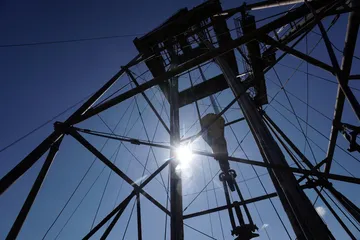
作为非洲第三大石油生产国,安哥拉希望将原油日产量维持在100万桶以上,以弥补部分老油田产量下滑带来的影响。
Angola wants to keep crude production above 1 million barrels a day as Africa’s third-biggest oil producer tries to offset a decline in output from mature fields.
安哥拉总统若昂·洛伦索在首都罗安达向议员们发表的年度国情咨文中指出,石油和天然气行业仍是该国经济与财政的核心支柱。“该行业正采取各项措施,确保原油日产量始终保持在100万桶以上。”洛伦索的表态与石油部长迪亚曼蒂诺·阿泽维多此前的言论相吻合。后者于3月26日表示,在新投资与新油气发现的助力下,安哥拉计划至少到2027年都维持原油日产量在100万桶以上。
The oil and gas sector remains central to Angola’s economy and public finances, President João Lourenço said in his annual state of the nation address to lawmakers in Luanda, the capital. “The sector has been implementing measures aimed at ensuring production above 1 million barrels per day.”Lourenço’s comments are in line with remarks by Oil Minister Diamantino Azevedo who on March 26 said Angola plans to keep crude output above 1 million barrels a day through at least 2027, supported by new investment and discoveries.
洛伦索的第二个也是最后一个任期将于明年届满。他表示,政府仍在努力推动经济多元化发展,以减少对石油产业的依赖——目前石油出口收入占安哥拉出口总收入的90%以上。据他介绍,受非石油行业6.2%的增长带动,今年第一季度该国经济实现了5.3%的增长。
The president, whose second and last mandate ends next year, said the government continues to carry out efforts to diversify the economy away from oil, which accounts for more than 90% of export revenue. The country’s economy grew 5.3% in the first quarter, driven by a 6.2% expansion in the non-oil sector, he said.
“非石油行业如今已成为拉动经济增长的主要动力,”洛伦索说道。
“The non-oil sector has become the main driver of the economy,” said Lourenço.
他还称,公共债务占国内生产总值的比例已从2020年的115.9%降至2026年的51.2%。这一降幅意味着“用于支付利息的资金减少,更多资源可被用于提供基本公共服务”。
Public debt has fallen to 51.2% of gross domestic product in 2026 from 115.9% in 2020, he said. The decline means “less resources allocated to the payment of interest and more resources for essential services,” Lourenço said.
不过,安哥拉仍面临诸多难题,其中包括“经济结构层面的挑战,比如经济领域的正规化程度偏低”,洛伦索指出。
Still, significant problems remain, including “structural challenges, such as the low level of formalization of the economy,” Lourenço said.
世界银行数据显示,目前有近60%的安哥拉民众日均生活费不足4.20美元。
Almost 60% of Angolans live on less than $4.20 a day, according to the World Bank.