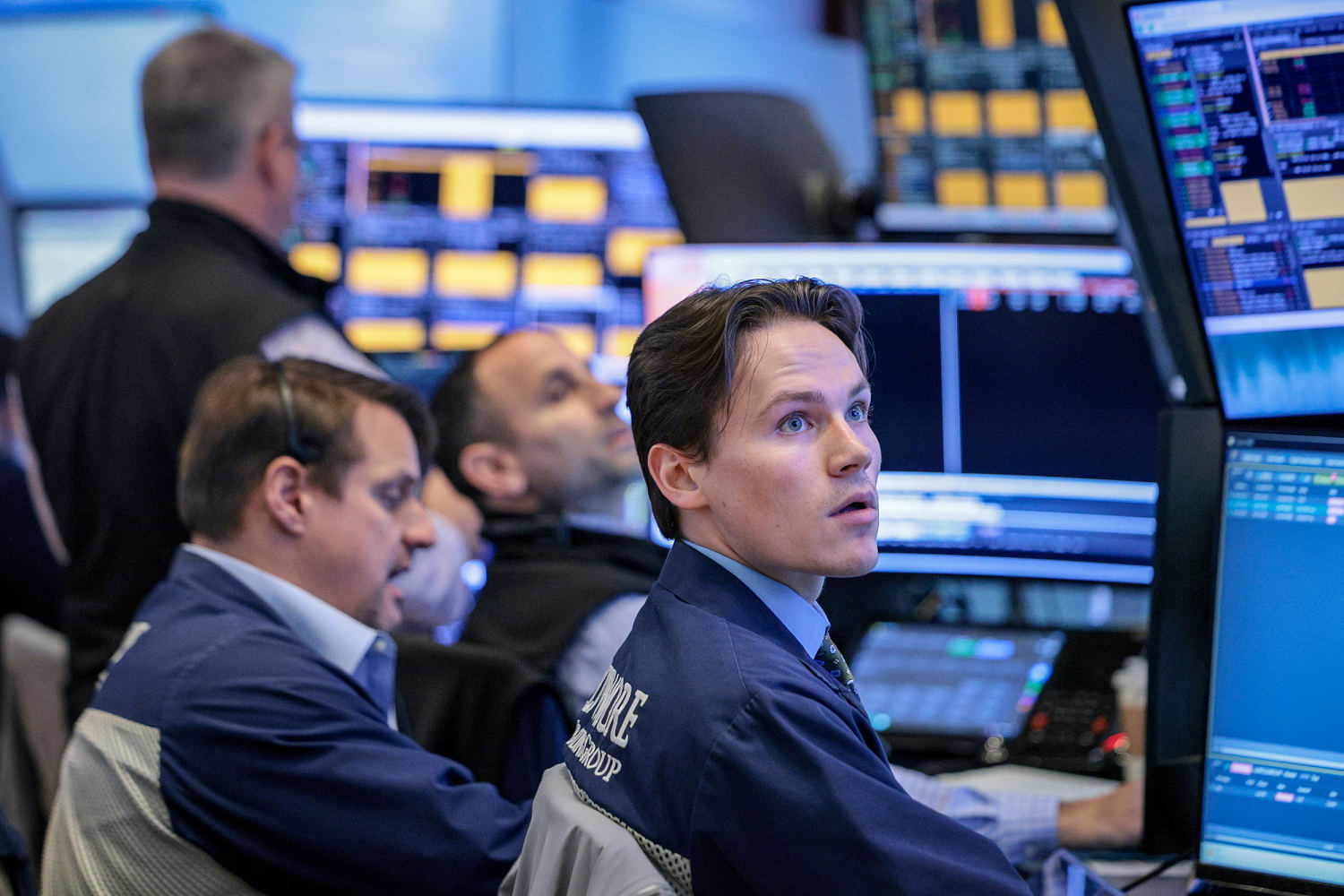
就在一周前刚刚创下历史新高之后,美国股市出现了疲软迹象,因为投资者开始担忧数万亿美元投入人工智能的回报。对美国消费者而言,这可能意味着未来经济将更加动荡。截至周四上午,标普500指数较一周前的历史高点下跌超过1%,而以科技股为主的纳斯达克指数则较上周的峰值下跌约4%。推动下跌的原因是:金融时报周三报道称,Anthropic的季度收入增长放缓。
Just one week after hitting fresh all-time highs, U.S. stocks are showing signs of strain as investors begin to fret about returns on the trillions of dollars that have been put into AI. For U.S. consumers, it could mean a shakier economy moving forward. As of Thursday morning, the S&P 500 was off more than 1% from its week-ago record, while the tech-heavy Nasdaq had fallen about 4% below its peak last week. Driving the declines: Quarterly revenue growth at Anthropic has slowed, the Financial Times reported Wednesday.
这家人工智能巨头在上市时预计市值将超过1万亿美元,其收入目前已接近170亿美元,仍然规模巨大,且公司表示已实现盈利。此外,人们还担忧中国内存技术公司是否可能削弱甚至超越其西方竞争对手。尽管人工智能数据中心的建设导致全球处理器芯片短缺,但人们担心中国内存芯片的大规模生产可能导致市场供过于求。
The AI giant is expected to be worth more than $1 trillion when it goes public, and at nearly $17 billion, its revenue is still massive and the company said it is profitable. There are also rising concerns about whether China-based memory technology companies could undermine, or even overtake, their Western rivals. And even though the AI data center buildout has created a global shortage of processing chips, there are fears that Chinese mass production of memory chips could flood the market with an oversupply.
与此同时,投资者开始抛售一些数据中心的支持债券,主要原因是担忧人工智能收入不足以覆盖为建设这些中心而借入的巨额资金。周四,广受尊敬的市场评论员、经济学家埃德·亚德尼(Ed Yardeni)将其对标普500指数的年终目标从8400下调至7900,原因是投资者对人工智能交易的谨慎情绪上升,以及对通胀和高利率的持续担忧。
Meanwhile, investors have begun selling off the bonds backing some data centers, primarily over fears that AI revenues won’t be sufficient to cover the massive sums that have been borrowed to finance the building of the centers. On Thursday, economist Ed Yardeni, a widely respected market commentator, lowered his year-end target for the S&P 500 target to 7,900, down from 8,400, over what he said was rising investor caution about the artificial intelligence trade and lingering doubts about inflation and higher interest rates.
目前,标普500指数约为7600。大多数美国人并不直接持有科技股,更不用说从事人工智能工作了,而越来越多的研究表明,这可能已经开始限制就业机会。尽管如此,人工智能的建设至少在纸面上一直是支撑经济的重要力量。今年美国经济增长近一半可归因于与技术相关的支出。
The S&P 500 currently sits at about 7,600. Most Americans don’t directly own tech stocks, let alone work in AI, which a growing number of studies show may have begun to limit job opportunities. Still, the AI buildout has been a massive part of what’s bolstering the economy, at least on paper. Nearly half of all U.S. economy growth this year is attributable to tech-related spending.
这些投资也在推动股市上涨,尽管越来越多的其他公司股价出现了大幅下跌。科技驱动的涨幅反过来产生了财富效应,有助于推动美国消费者的稳定支出,进而带动就业市场。结果是经济增长保持稳健,尽管低收入甚至中等收入家庭仍在顽固通胀和收入下降的压力下挣扎。富国银行首席执行官查理·沙夫(Charlie Scharf)本周早些时候表示:“虽然较高的利率、较高的油价和持续的通胀对经济构成风险,但诸如对AI基础设施的投资、高就业水平和持续的工资增长等强劲积极力量仍在继续超过这些风险。”
Those investments have also lifted the stock market even as a growing swath of other companies have experienced sharp declines in their share prices. The tech-driven gains have in turn created a wealth effect that has helped propel steady U.S. consumer spending and, by extension, the job market. The result has been sturdy economic growth, even as lower-income and even middle-income households have continued to struggle under stubborn inflation and declining earnings. “While higher interest rates, higher oil prices and persistent inflation create risks to the economy, strong positive forces such as the investment in AI infrastructure, high employment levels and consistent wage growth continue to outweigh the risks,” Wells Fargo CEO Charlie Scharf said earlier this week.
但其他经济学家表示,消费者已经面临诸多可能削弱其处境的压力因素。美国劳工统计局周四报告称,企业通胀率已升至2022年12月以来的最高水平——这种价格增长最终可能向消费者传导。如果科技支出——以及股票——出现任何持续下跌的迹象,美国更广泛的经济增长可能面临风险。花旗银行分析师在周四的一份报告中写道:“较高的利率、高企的能源价格、就业增长放缓以及股票抛售(如果持续下去)都是对消费者支出的下行风险。”
But other economists say consumers are already contending with a host of stressors that stand to weaken their position. The Bureau of Labor Statistics reported Thursday that inflation among businesses reached its highest rate since December 2022 — price growth that could eventually trickle down to consumers. If tech spending — and stocks — show any sign of sustained declines, broader U.S. economic growth would likely be at risk. “Higher interest rates, elevated energy prices, slow job growth and the sell-off in equities (if it continues) are all downside risks to consumer spending,” analysts with Citi wrote in a note Thursday.