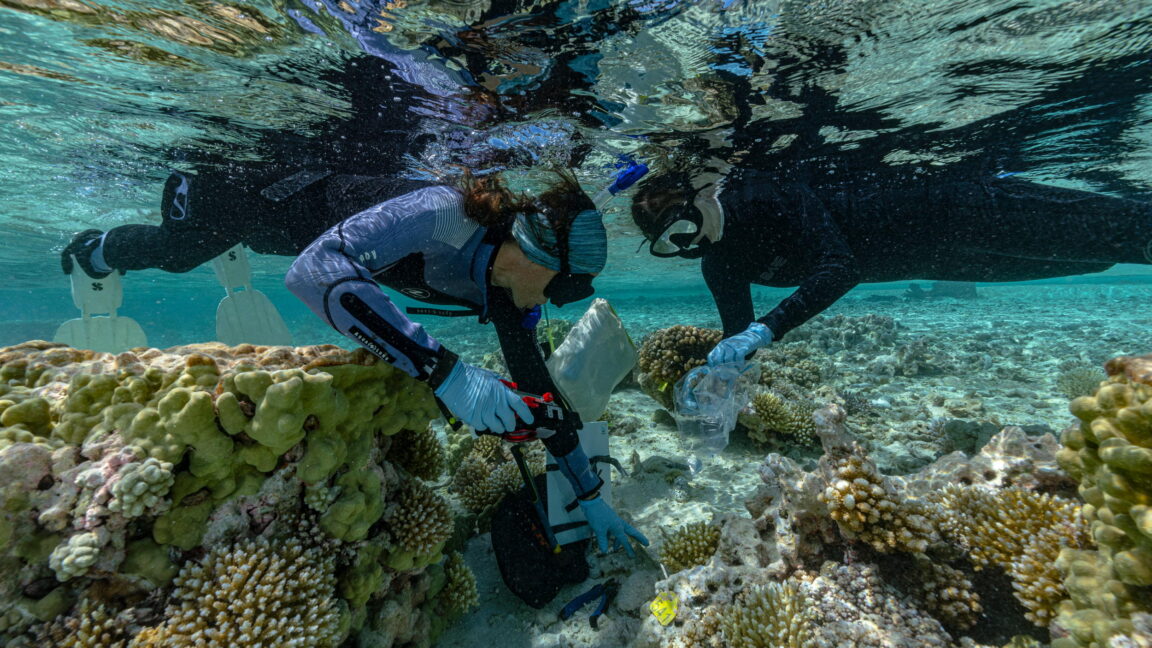
被珊瑚环绕的热带环礁是全球变暖威胁最大的陆地形态之一,但许多环礁具有一种潜在的超能力:健康的生态系统可能帮助它们跟上海平面上升的步伐。
Coral-fringed tropical atolls are among the landforms most threatened by global warming, but many have a potential superpower: Healthy ecosystems may help them keep pace with rising seas.
拥有本土植被和繁盛海鸟种群的环礁岛屿是“自然活跃的系统,如果被允许的话,它们可以根据环境条件进行变化和适应”,英国兰开斯特大学海洋生态学家尼克·格雷厄姆说,他领导了一个国际科学家团队,研究了太平洋和印度洋28个环礁岛屿的韧性。
Atoll islands with native vegetation and thriving seabird populations are “naturally active systems that can change and adapt to their environmental conditions if they are allowed to do so,” said Nick Graham, a marine ecologist at Lancaster University in the United Kingdom, who led an international team of scientists that studied island resilience across 28 atoll islands in the Pacific and Indian oceans.
他们于周三在《科学进步》上发表的论文表明,恢复环礁生态系统能够增强其生长。海鸟从公海搬运营养物质,并以鸟粪的形式沉积在环礁上,滋养陆地植物、海洋生物和珊瑚生长。这为礁石建设提供了更多材料,因为鹦哥鱼和其他礁石食性鱼类将死珊瑚转化为沙子以维持海滩,而具有广泛根系网络的本土植物则稳固沉积物。
Their paper, published Wednesday in Science Advances, shows that restoring atoll ecosystems reinforces their growth. Seabirds ferry nutrients from the open ocean and deposit them on the atolls as guano that nurtures land plants, marine life and coral growth. This provides more material for reef building, as parrotfish and other reef feeders turn dead coral into sand to maintain beaches, while native plants with extensive root networks stabilize sediments.