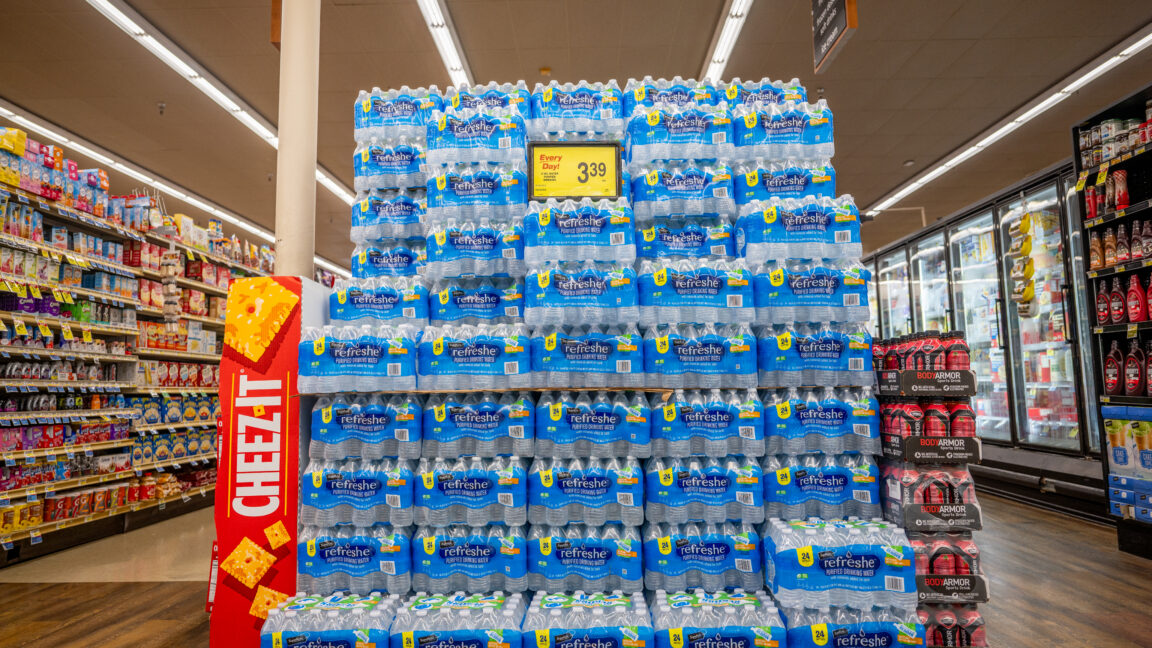
塑料被广泛使用的一个原因是它们化学性质惰性,意味着袋子、食品容器和杯子不会与其中的物质发生反应。但它们仍可能分解为微塑料,而微塑料会出现在饮用水、人体血液、动脉和大脑中。其后果尚不确定。
One reason plastics are used so often is that they’re chemically inert, meaning bags, food containers, and cups don't react with what we put in them. Yet they can still break down into microplastics, which turn up in drinking water, human blood, arteries, and brains. The consequences of that are uncertain.
“微塑料是否能直接导致人类疾病仍在研究中,”哥伦比亚大学化学家魏敏说。在一项新发表的《自然》研究中,魏敏团队通过证明微塑料可能不像我们想象的那样化学惰性,迈出了回答这一问题的一步。
“Whether microplastics can directly cause human disease is still being researched,” said Wei Min, a chemist at Columbia University. In a new Nature study, Min's team took a step toward answering this question by demonstrating that microplastics are likely not as chemically inert as we might expect.
魏敏实验室多年来一直在研究微滴化学,探究水分裂成微小液滴时在其与空气的边界处的行为。这些液滴被报道能产生活性氧物种(ROS),即一类含氧的有害分子。“ROS基本上会与蛋白质、脂质、DNA碰撞并造成损伤,”魏敏说。“你可能会将DNA链断裂成片段。你可能会导致DNA突变;你可能会导致蛋白质错误折叠。”}
Min's lab has spent years working on microdroplet chemistry, studying how water broken into tiny droplets behaves at its boundary with air. These droplets have been reported to generate reactive oxygen species, or ROS, a family of harmful, oxygen-containing molecules. “ROS will essentially bump into proteins, lipids, DNA, and cause damage,” Min said. “You could break a DNA strand into segments. You could mutate DNA; you could misfold proteins.”