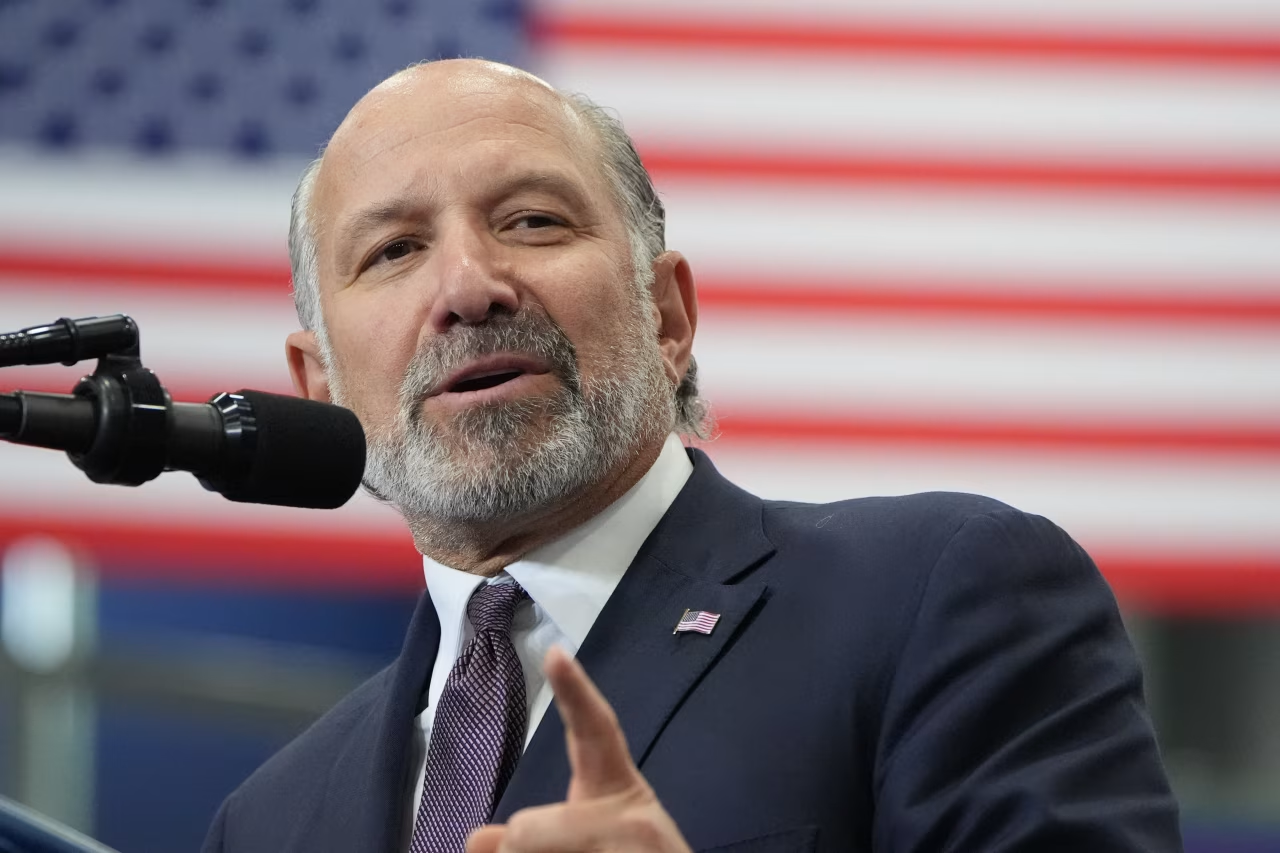
据知情人士透露,由于商务部长霍华德·卢特尼克的反对,美国与墨西哥达成关税协议的进展已陷入停滞,这是他第二次在与北美合作伙伴的高阶谈判中起到关键破坏作用。
Progress toward a U.S-Mexico tariff deal has stalled after opposition from Commerce Secretary Howard Lutnick, people familiar with the talks said, the second time that he has had a hand in upending advanced negotiations with a North American partner.
知情人士称,美国和墨西哥原本已接近达成一项协议,即美国降低对钢铁、铝和汽车的关税,以换取墨西哥作出一系列让步,这将为进一步商谈续签《美墨加协定》铺平道路。他们表示,墨西哥官员和许多企业高管曾表达出达成协议指日可待的乐观情绪。
The U.S. and Mexico had been zeroing in on a deal that would reduce U.S. levies on steel, aluminum and automobiles in exchange for a series of concessions from Mexico, these people said, paving the way for further talks on renewing the U.S.-Mexico-Canada Agreement. Mexican officials and many corporate executives expressed optimism that a deal was close, they said.
但知情人士称,近几天来,由于在以国家安全为由征收、并由卢特尼克部门负责管理的车辆和金属关税问题上存在分歧,达成协议的进展大幅放缓。
But in recent days, progress toward a deal has slowed considerably, the people said, because of disagreements over the U.S. levies on vehicles and metals, which are imposed on national-security grounds and are administered by Lutnick’s department.
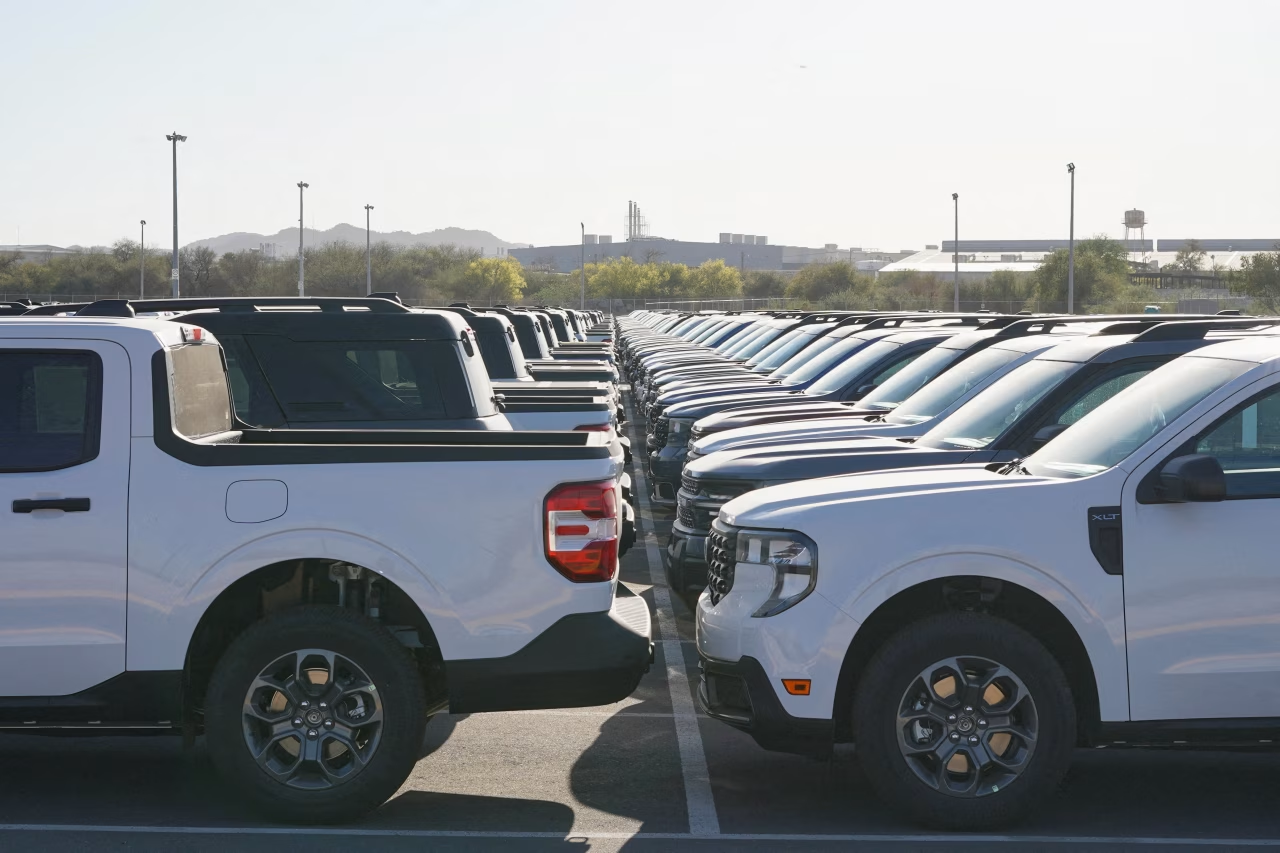
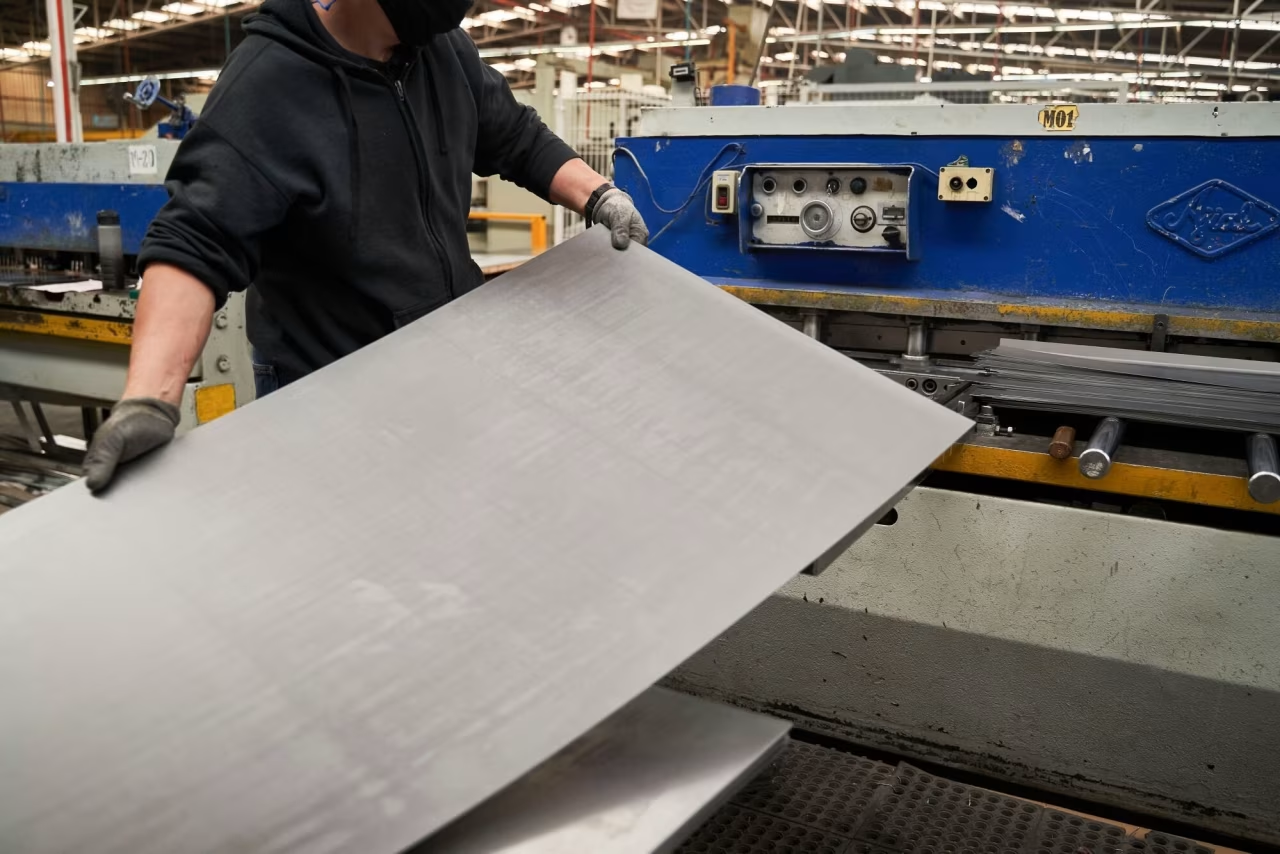
知情人士称,卢特尼克反对大幅降低对墨西哥汽车征收的25%关税,以及对钢铁和铝征收的50%关税。在金属产品方面,他也反对降低所谓衍生产品——即由钢铁和铝制成的成品——的关税。国内铝业公司已告知政府,任何降低这些关税的举措都将损害美国本土企业并导致美国就业岗位流失。
Lutnick has opposed significant reductions in the 25% tariff on Mexican automobiles and the 50% levies on steel and aluminum, the people said. Also on metals, he has objected to reductions in tariffs on so-called derivative products—finished products made of steel and aluminum. Domestic aluminum companies have told the administration that any reduction in these levies would undermine U.S.-based firms and cost American jobs.
双方官员均表示谈判仍在进行中,并否认存在僵局。墨西哥副贸易部长路易斯·罗森多·古铁雷斯在接受采访时表示:“谈判取得了进展,我们与商务部保持着建设性关系。”
Officials on both sides said the talks are still ongoing and denied there was any impasse. “There’s progress in the negotiations, and we maintain a constructive relationship with the Department of Commerce,” Deputy Trade Minister Luis Rosendo Gutiérrez said in an interview.
卢特尼克在关税问题上的立场,是经过数月谈判后达成协议的重大障碍,这些谈判由美国贸易代表贾米森·格里尔主导,知情人士透露。墨西哥和加拿大是美国最大的两个国家贸易伙伴,也是美国商品的首要买家。在车辆和金属关税上的持续分歧,削弱了在美国下个月中期选举前达成协议的势头,让双方广泛的贸易关系前景更增添疑云。
Lutnick’s position on the tariffs is a significant obstacle to a deal after months of negotiations led by U.S. Trade Representative Jamieson Greer, the people familiar with the talks said. Mexico and Canada are America’s two largest national trading partners and are the top buyers of U.S. goods. The continuing disagreements over the vehicle and metals tariffs weakens the momentum to conclude a deal before next month’s midterm elections in the U.S., throwing the future of their extensive trading relationship into further doubt.
卢特尼克的介入表明,他在2026年大半时间被边缘化后,再次在特朗普总统的贸易议程中确立了自己的地位。在特朗普第二任期伊始,卢特尼克在征收关税和与日本、韩国及欧盟等国谈判贸易协议中发挥了关键作用。但近几个月来,格里尔变得更为突出,部分原因是许多贸易伙伴更青睐他律师般的谈判风格,而非卢特尼克——这位亿万富翁、前华尔街高管——那种强硬的谈判作风。
Lutnick’s intervention is a sign that he has again asserted himself in President Trump’s trade agenda after being sidelined for most of 2026. At the beginning of Trump’s second term, Lutnick played a key role in imposing tariffs and negotiating trade deals with nations like Japan, South Korea and the European Union. But in recent months, Greer became more prominent, in part because many trading partners preferred his lawyerly approach to the aggressive negotiating style of Lutnick, a billionaire former Wall Street executive.
“商务部与墨西哥在贸易问题上保持持续对话,”该部发言人本·卡斯表示,并“致力于推进特朗普总统的‘美国优先’贸易议程。”一位墨西哥高级官员表示,每当双方接近达成协议时,特朗普政府就会提出其他想要的东西。
“The Commerce Department remains in constant dialogue with Mexico on trade,” department spokesman Ben Kass said, and it “is committed to advancing President Trump’s America First trade agenda.”A senior Mexican official said that every time both sides get close to a deal, the Trump administration brings up something else that it wants.
在周二的新闻发布会上,墨西哥总统克劳迪娅·辛鲍姆表示,尽管过去一年谈判取得重大进展,但双方尚未达成协议。特朗普要求墨西哥购买更多美国商品,以缩小美国与其南部邻国不断扩大的贸易逆差。
At a Tuesday news conference, Mexican President Claudia Sheinbaum said the sides haven’t reached an agreement despite significant progress in talks over the past year. Trump has demanded that Mexico buy more U.S. goods to narrow America’s widening trade gap with its southern neighbor.
辛鲍姆说,美方原本有一份包含54项关税和非关税关切的清单,希望予以解决。在最新几轮谈判中,该清单已缩减至约十几个问题。
Sheinbaum said the U.S. had a list of 54 tariff and nontariff concerns that it wanted to address. That list had shrunk to about a dozen issues in the latest rounds of negotiations.
美国与墨西哥的谈判持续陷入僵局,这一情况让人联想到美国此前与加拿大官员之间的类似冲突。8月底,由于卢特尼克(Lutnick)反对削减钢铁、铝制品和汽车产品的关税提议,美国和加拿大双方终止了谈判。谈判的破裂导致美国对价值200亿美元的加拿大商品征收了新关税;加拿大则对此进行了报复,对美国商品也征收了关税,进而促使美国禁止进口某些加拿大制造的酒精产品和其他商品。
The continuing difficulties in U.S. talks with Mexico recall a similar falling out with Canadian officials. In late August, the U.S. and Canada walked away from the negotiating table after Lutnick objected to proposed tariff reductions on steel, aluminum and autos. The breakdown in talks led the U.S. to impose new levies on $20 billion of Canadian goods, which Canada retaliated against with levies of its own, leading the U.S. to ban some imports of Canadian alcohol and other products.
这场冲突仍在持续发酵,特朗普威胁称如果谈判无法达成一致,他将在1月份将针对加拿大汽车的关税提高到50%。
The conflict continues to simmer, with Trump pledging to double tariffs on Canadian autos to 50% in January if a deal can’t be reached.
墨西哥采取了更为缓和的态度,避免采取报复措施,并积极参与谈判;谢因鲍姆(Sheinbaum)有时也会与格里尔(Greer)和卢特尼克(Lutnick)一起参与讨论。在最近的美墨谈判中,美国和墨西哥的汽车制造商都抱怨卢特尼克为车辆跨越美墨边境设置了过于繁琐的审批程序。目前,美国对墨西哥汽车征收的关税为25%,但相关企业可以根据美国制造的汽车零部件的价值来申请退税;然而,申请退税需要提交大量文件并经过商务部的审批,而商务部有时会拒绝这些申请。
Mexico has taken a more conciliatory approach, refraining from imposing retaliatory measures and engaging in talks, with Sheinbaum at times joining conversations with Greer and Lutnick. In recent talks between the U.S. and Mexico, major automotive firms in both the U.S. and Mexico have complained about the byzantine process that Lutnick has imposed on vehicles crossing the American border from Mexico and Canada. U.S. tariffs on Mexican automobiles stand at 25%, but companies can earn rebates from the levies based on the value of U.S.-made car components.
根据卢特尼克去年参与制定的贸易协议,美国对日本和韩国汽车的关税为15%。汽车制造商的代表表示,这种关税差异以及繁琐的审批流程(尤其是追踪美国制造的零部件所需的手续)促使一些企业将生产重心从北美转移到了亚洲。在海外,这些企业可以从中国等低成本国家采购所需的金属和零部件,从而规避《美墨加贸易协定》(USMCA)中的相关限制以及退税程序带来的麻烦。
Claiming those refunds requires extensive paperwork and approval from the Commerce Department, which can deny the requests. Tariffs on Japanese and South Korean automobiles stand at 15% under the terms of trade deals that Luntick helped shape last year. The difference in tariff rates, along with the extensive red tape involved in tracing U.S.-made components, has led some firms to shift production from North America to Asia, representatives from automakers told the negotiators.
在整个谈判过程中,墨西哥政府一直主张将关税税率降至15%或更低,并要求实施更广泛的退税政策,以便所有签署《美墨加贸易协定》(USMCA)的国家都能获得关税退款;然而,双方至今尚未达成一致。
Overseas, the firms can source metals and components from China and other low-cost economies without the sourcing rules in USMCA or the difficulties of the refund process.
墨西哥希望获得比其他国家更优惠的谈判条件,尤其是考虑到墨西哥需要做出的重大让步——比如增加从美国进口产品的数量,或者对中国加征额外关税。
Throughout the talks, the Mexican government has pushed for tariff rates of 15% or lower—as well as a broader rebate program that would allow content from all three USMCA nations to qualify for tariff refunds—but the sides have yet to come to an agreement.
“当你被要求进行系统性改革时,就不能被与其他国家同等对待,”墨西哥前贸易副部长胡安·卡洛斯·贝克(Juan Carlos Baker)表示。他在特朗普总统任内的第一个任期中领导了墨西哥的贸易谈判团队。
Mexico wants better terms than the rest of the world, especially considering the significant concessions being asked of Mexico, such as purchasing more U.S.-made products or imposing additional tariffs on China. “You cannot be treated the same as everyone else when you are asked to undertake systemic changes,” said Juan Carlos Baker, Mexico’s former deputy trade minister who led Mexico’s trade team during USMCA negotiations in President Trump’s first term.
如需联系加文·贝德(Gavin Bade),请发送邮件至 gavin.bade@wsj.com;如需联系圣地亚哥·佩雷斯(Santiago Pérez),请发送邮件至 santiago.perez@wsj.com。
Write to Gavin Bade at gavin.bade@wsj.com and Santiago Pérez at santiago.perez@wsj.com