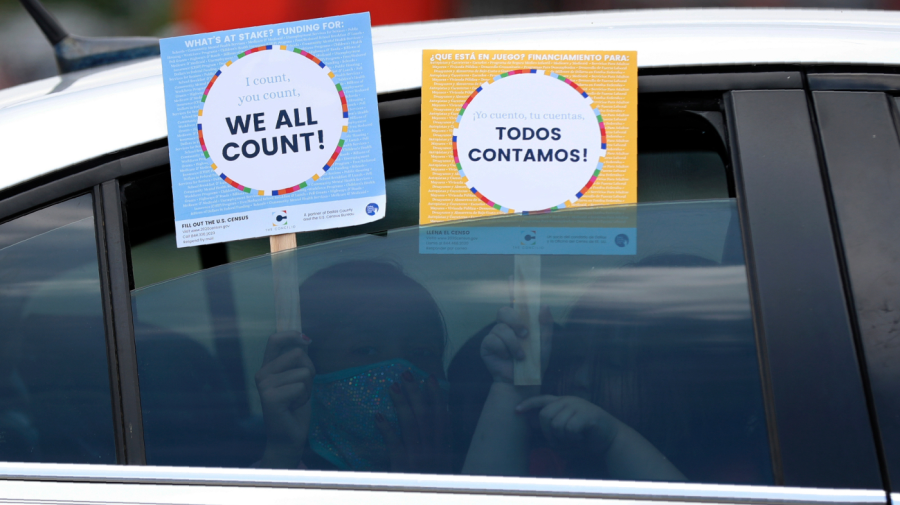
孩子们并非生活在抽象的统计数据中,他们生活在具体的社区、县、城市和州里,而这些地方的经历与机会往往大相径庭。要为各个社区提供良好的治理服务,就必须切实了解当地的真实情况。无论你是负责决定联邦资金分配的国会议员、负责为陷入困境的学区调配资源的州长,还是试图弄清为何某些社区繁荣发展而另一些社区却停滞不前的市长,这一点都至关重要。
Children don't live in averages. They live in neighborhoods, counties, cities and states, where their experiences and opportunities can differ dramatically. Serving communities with good governance requires knowing what is actually happening on the ground. That's true whether you're a member of Congress deciding how to allocate federal funding, a governor directing resources for struggling school districts or a mayor trying to understand why one neighborhood is thriving while another isn't.
而这一切工作的前提,就是获取可靠且详尽的信息。两百多年来,几乎自美国建国之初起,人口普查便一直是获取美国人口信息的重要基础,这一做法也被写入了美国宪法。它帮助政策制定者、社区领袖以及我们这类致力于儿童福祉的机构解答两个关键问题:儿童与家庭的生活状况如何?他们在哪些地方面临最大的挑战?
None of that work is possible without reliable, detailed information. And for more than 200 years, nearly since our nation’s founding and enshrined in the U.S. Constitution, the census has been the backbone of reliable information about who lives in the U.S. It has helped policymakers, community leaders and organizations like ours that are dedicated to child well-being answer two essential questions: How are children and families doing? And where are they facing the greatest challenges?
然而如今,这一信息体系正面临威胁。美国人口普查局新提出的规则将对十年一次的人口普查方式及其对人口状况的描述产生诸多重大影响,尤其会对那些历来难以准确统计的社区中的儿童产生不利影响。其中一项规定是取消十年一次的人口普查中的种族与族裔相关问题——这项普查是国会要求每十年开展一次的人口统计工作,也是提升其他联邦调查数据准确性的重要依据。
That information system is now at risk. A newly proposed Census Bureau rule would make several significant changes to how the decennial census counts and describes the nation’s population, with particular implications for children in communities that have historically been harder to count. Among them, the rule would eliminate questions about race and ethnicity on the decennial census — the one population count Congress requires every 10 years, and an important bedrock for population estimates used in improving accuracy in other federal surveys.
若将这些问题从普查中移除,日后要持续且准确地获取有关种族与族裔的数据将变得极为困难。这并非影响决策所需重要信息的唯一威胁:目前,人口普查局还推迟了《美国社区调查》数据的发布时间,新发布日期定在10月29日。
Removing these questions from the census would make it much harder to access data on race and ethnicity consistently and accurately over time. This isn’t the only threat to important information that leaders rely on. The Census Bureau has also delayed the release of data from the American Community Survey, now scheduled for Oct. 29.
美国社区调查每年都会生成关于收入、贫困、教育、健康保险和住房成本的详细地方估算数据,而十年一次的普查无法自行捕捉这些数据。从州长到学区董事会的政策制定者都依赖美国社区调查数据来制定预算和制定项目。像我们这样的基金会也依赖它,利用数据来指导决策,了解儿童在哪些地方表现良好,在哪些地方遇到困难,以及哪些地方需要关注。
The American Community Survey annually produces detailed local estimates on income, poverty, education, health insurance and housing costs that the decennial census cannot capture on its own. Policymakers from governors to school boards all rely on American Community Survey data to draft budgets and develop programs. Foundations like ours rely on it too, using data to guide decisions and understand where children are thriving, where they are struggling and where attention is needed.
安妮·E·凯西基金会的《KIDS COUNT 数据手册》在很大程度上依赖美国社区调查的估算数据,以按州和全国范围追踪儿童的状况。表面上看起来在改善的全国平均值可能掩盖了截然不同的现状。总体儿童贫困率可能下降,但在某些特定社区仍然居高不下。更多儿童可能获得了健康保险,但某些群体中的儿童却失去了保险。
The Annie E. Casey Foundation’s “KIDS COUNT Data Book” relies heavily on American Community Survey estimates to track how children are faring, state by state and across the nation. National averages that appear to be improving can conceal a very different reality. Child poverty can fall overall while remaining stubbornly high in particular communities. More children can gain health coverage while children in some groups lose it.
例如,官方儿童贫困率在2019年至2024年间下降了2个百分点,降至15%。但这一数据来源于美国社区调查,在各州、社区和人口群体之间呈现出截然不同的情况。在西弗吉尼亚州,2024年有22%的儿童生活在贫困中;而在新罕布什尔州,这一比例仅为7%。当这些差异更难被察觉时,后果是真实存在的。托儿援助可能无法覆盖那些在成本上面临最大困难的家庭所在的社区,住房投资可能忽略压力最大的社区,政策制定者可能得出结论认为某个项目有效,即使有些儿童被落下。
For example, the official child poverty rate fell by 2 percentage points between 2019 and 2024 to 15 percent. But the statistic, derived from the American Community Survey, looked very different across states, communities and demographic groups. In West Virginia, 22 percent of children lived in poverty during 2024; in New Hampshire, just 7 percent did. When those differences are harder to see, the consequences are real. Childcare assistance may not reach communities where families are struggling most with costs, housing investments can miss neighborhoods under the greatest pressure and policymakers can conclude that a program is working even when some children are being left behind.
当领导者无法清晰准确地看到需求最集中的地方或投资是否有效时,稀缺的公共资源就更难被有效地分配。
Scarce public resources are harder to target effectively when leaders cannot clearly and accurately see where needs are greatest or whether investments are effective.
了解一个孩子的种族或民族并不能告诉我们该孩子能够实现什么或该家庭需要什么,但检视不同群体的成果有助于揭示进展是否惠及所有人,以及政策是否按预期发挥作用。这两个发展共同指向同一个潜在趋势:在需要精准、有针对性和有效的政策制定之际,我们清晰看到儿童和家庭的能力正在缩小。儿童本来就在我们的政治进程中容易被忽视。
Knowing a child’s race or ethnicity does not tell us what that child can achieve or what that family needs but examining outcomes across groups helps reveal whether progress is reaching everyone, and whether policies are working as intended. Taken together, these two developments point to the same underlying trend: a shrinking ability to see our children and families clearly, at a moment when sound, targeted and effective policymaking depends on it most. Children are already easy to overlook in our political process.
他们不能投票。许多人年龄太小,无法为自己发声。他们不会选择自己的社区、家庭收入、学校资源或他们能够触及的机会。这些都由成年人决定。因此,为儿童做决定的人有特殊责任去了解他们实际的处境,这也意味着支撑这些决策的数据应得到保护,而非被忽视。今天的儿童是明天的雇员、客户、雇主、选民和社区领袖——他们的成功将塑造我们经济和国家的实力。
They cannot vote. Many are too young to speak for themselves. They do not choose their neighborhood, their family’s income, their school’s resources or the opportunities within their reach. Adults decide on all of these things. That gives those who make decisions for children a particular responsibility to understand how they are actually doing, and that means the data behind those decisions deserves protection, not neglect. Today’s children are tomorrow’s employees, customers, employers, voters and community leaders — and their success will shape the strength of our economy and our country.
依赖普查数据的国会议员、州官员、市长、商业领袖及其他人应审视这些变化对其服务社区的影响,并强调按时获得详细、可靠信息的重要性。关于减少儿童贫困、改善学校、加强家庭或创造就业途径的辩论,都依赖于真实数据和共享事实。这一切始于对每个儿童进行完整、可靠、一致且及时的计数和观察。丽莎·劳森是安妮·E·凯西基金会的总裁兼首席执行官。拉·琼·蒙哥马利·塔布伦是W.K.凯洛格基金会的总裁兼首席执行官。
Members of Congress, state officials, mayors, business leaders and others who depend on Census data should examine the impact these changes will have on the communities they serve — and emphasize the importance of receiving detailed, reliable information on schedule. Debates about reducing child poverty, improving schools, strengthening families or creating pathways to work all depend on real data and shared facts. That starts with counting and seeing every child fully, reliably, consistently and on time. Lisa Lawson is president and CEO at the Annie E. Casey Foundation. La June Montgomery Tabron is president and CEO at the W.K. Kellogg Foundation.