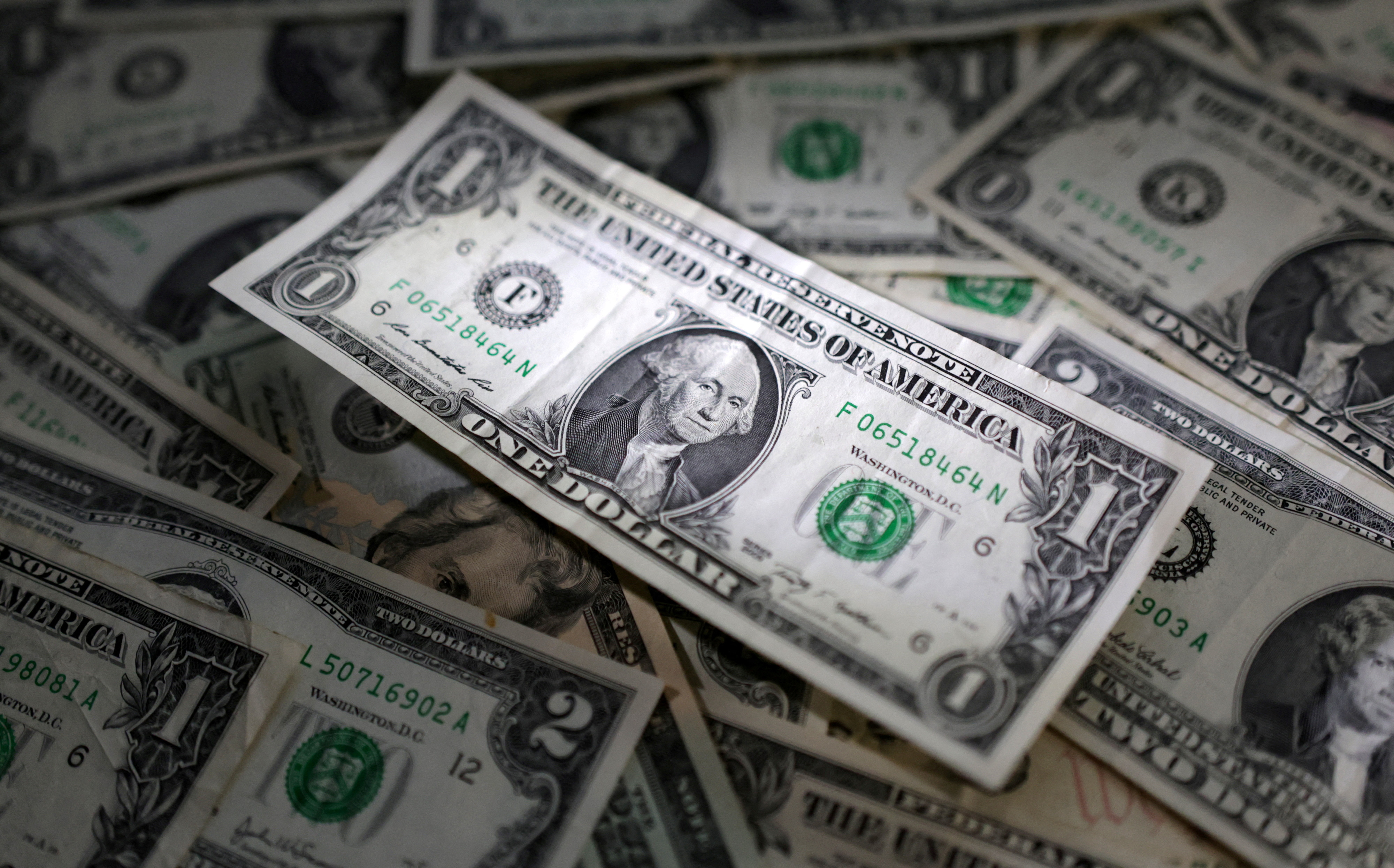
随着美国中期选举仅剩几周,美元的飙升正在暴露总统唐纳德·特朗普经济议程中的一个核心矛盾:货币市场正在传递出与其政府所期望完全相反的信号。
With the US midterm elections weeks away, a surging dollar is exposing a central contradiction in President Donald Trump's economic agenda: currency markets are delivering the opposite of what his administration wants.
特朗普在第二个任期的前两年经济表现正受到密切审视。民调显示,选民对其处理经济事务的满意度很少如此之低。这很大程度上解释了为何博彩市场预测其所属的共和党可能在11月3日失去众议院的控制权,甚至可能失去参议院的控制权。
Trump's economic record in the first two years of his second term is being heavily scrutinized. Polls show voters' approval of his handling of the economy has rarely been lower. That goes a long way toward explaining why betting markets point to his Republican Party losing control of the House of Representatives, and perhaps even the Senate, on November 3.
然而,如果市场格言“一个国家的货币反映了世界对其经济的信心”有任何真实性的话,特朗普应当在即将到来的选举中充满信心。美元指数(.DXY)一直稳步上升,最近已升至较主要货币的18个月来最高水平。
Yet if there's any truth to the market adage that a country's currency is a reflection of the world's confidence in its economy, Trump should be going into the upcoming vote brimming with confidence. The dollar (.DXY) has been rising steadily, recently hitting its strongest level in 18 months against major peers.
但强势且升值的汇率恰恰是特朗普最不希望看到的。其政府的经济和贸易政策旨在振兴美国制造业,让美国出口再次伟大,并缩小贸易逆差。而货币走强对实现这些目标毫无帮助。
But a strong and appreciating exchange rate is the last thing Trump wants. His administration's economic and trade policies are aiming to revive US manufacturing, make American exports great again and shrink the trade deficit. A strengthening currency won't help with any of that.
人们或许会预期美元将承受压力,尤其是考虑到美国贸易平衡并未按照政府计划那样收窄。进口量已激增至历史最高水平,这主要得益于美国公司大规模采购人工智能建设所需的芯片、设备和商品,导致美国贸易逆差持续扩大。今年早些时候,该逆差占国内生产总值的比例为2.7%——这是本世纪以来的较低水平之一——但对冲基金Point72的迪恩·马基(Dean Maki)表示,明年这一比例可能升至GDP的4%。
One might expect the dollar to be under pressure, especially given that the US trade balance has not narrowed according to the administration's plan. Imports have exploded to record levels, largely driven by US companies hoovering up the chips, equipment and goods needed for the AI build-out, and the country's trade deficit is widening. It was 2.7% of gross domestic product earlier this year — one of the smallest readings of the century — but it could be headed for 4% of GDP next year, according to Dean Maki at hedge fund Point72.
但美元并未走弱。在特朗普重返椭圆形办公室的第一年,美元曾因对“美元贬值”的担忧以及特朗普关税所助长的外国投资者“抛售美国”心态而下跌,但此后情况已出现逆转。
But the dollar is not weakening. It did during Trump's first year back in the Oval Office, amid concerns about "dollar debasement" and a "sell America" mentality among foreign investors fostered by Trump's tariffs, but that has since gone into reverse.
为什么?因为汇率是相对的,而美元目前看起来就像那句俗话所说的“最干净的脏衬衫”。虽然美国正面临严重的债务和赤字担忧,其他发达国家也是如此,尤其是法国。投资者担心巴黎不愿采取政治上难以接受的措施来控制预算,因此正在抛售欧元。
Why? Because exchange rates are relative, and the greenback currently appears to be the proverbial "cleanest dirty shirt." While the US is suffering from acute debt and deficit concerns, so are other developed countries, most notably France. Investors fear that Paris is unwilling to take the politically unpalatable steps to get its budget under control and are thus slamming the euro .
同样,担忧更高的利率将使日本几乎无法偿还其巨额债务负担,这使日元徘徊在近期历史低位附近。
Similarly, worries that higher interest rates will make it nearly impossible for Japan to service its enormous debt load have anchored the yen near its recent historical lows.
简而言之,美元之所以“获胜”,很大程度上是因为默认胜出,而非仅仅受益于追逐美国人工智能梦想的全球资本涌入。这并非白宫所期望的。
In short, the dollar is "winning" as much by default as it is benefiting from the flood of global capital chasing the US AI dream. This is not what the White House had in mind.
特朗普和财政部长斯科特·贝森特显然希望美元走弱,尽管白宫长达数十年的准官方“强美元”政策——可追溯至20世纪90年代前财政部长罗伯特·鲁宾的时代——使他们难以公开表态。
Trump and Treasury Secretary Scott Bessent clearly want a weaker dollar, even if decades of a quasi-official "strong dollar" policy at the White House — dating back to the days of former Treasury Secretary Robert Rubin in the 1990s — make it challenging for them to say so outright.
特朗普政府对美元的看法,在近两年前由斯蒂芬·米兰撰写的《重塑全球贸易体系用户指南》一文中就已明确提出,当时米兰是对冲基金哈德逊湾资本管理公司的高级策略师。
The Trump administration's views on the US currency were flagged almost exactly two years ago in "A User’s Guide to Restructuring the Global Trading System," a paper by Stephen Miran, then a senior strategist at hedge fund Hudson Bay Capital Management.
米兰后来出任特朗普总统下的经济顾问委员会主席,随后又被特朗普任命为美联储理事,任期很短。他此后已回到哈德逊湾资本管理公司,但他那41页的手册似乎仍作为特朗普政府贸易、货币和经济政策的广泛框架。
Miran went on to serve as chairman of the Council of Economic Advisers under Trump, who later appointed him as a Federal Reserve governor for a short spell. He has since returned to HBC, but his 41-page manual still appears to serve as a broad framework for the administration's trade, currency and economic policy.
这份蓝图被称为“海湖庄园协议”,以致敬著名的1985年“广场协议”,当时世界主要经济强国同意贬值美元。
The blueprint has come to be known as the "Mar-a-Lago Accord," in a nod to the famous 1985 "Plaza Accord," under which the world's leading economic powers agreed to devalue the dollar.
呼应特朗普数十年来的观点,米兰写道:“对当前经济秩序的深刻不满根源于美元持续被高估……这使得美国出口竞争力下降,进口更便宜,并削弱了美国制造业。”他有一定道理。去年1月特朗普就职时,美元的广义实际有效汇率在30多年里达到最强水平。
Echoing Trump's decades-long view, Miran wrote that "deep unhappiness with the prevailing economic order is rooted in persistent overvaluation of the dollar ... (which) makes US exports less competitive, US imports cheaper, and handicaps American manufacturing." He has a point. At the time of Trump's inauguration in January last year, the dollar's broad, real effective exchange rate was the strongest in over 30 years.
米兰认为,全球贸易和金融体系可以被重塑以利于美国,但这一道路“窄得很,需要周密规划、精准执行,并关注减少不利后果的步骤。”11月3日参加中期选举投票的美国人可能没有耐心等待这一点。虽然美国经济继续以健康速度增长,失业率仍保持低位,但家庭正感受到特朗普过去两年政策带来的不利经济后果。
Miran argues that the global trade and financial systems can be rewired to America's benefit, but the path "is narrow, and will require careful planning, precise execution, and attention to steps to minimize adverse consequences." Americans casting their midterm election votes on November 3 may not have the patience for this. While the US economy continues to grow at a healthy pace and unemployment remains low, households are feeling the adverse economic consequences of Trump's policies over the past two years.
根据纽约联储最近的一项研究,关税提高了进口商品的成本;而美国于2月发动的对伊朗战争导致能源成本飙升,最明显的是加油站柴油价格创下历史新高。因此,通胀仍居高不下,债券收益率达到25年来最高水平,实际工资如今正在下降。
Tariffs have raised the cost of imported goods, according to a recent New York Fed study, and the US war with Iran, launched in February, has led to soaring energy costs, most notably record-high diesel prices at the pump. As a consequence, inflation remains elevated, bond yields are the highest in a quarter of a century, and real wages are now falling.
鉴于此,关键问题是:美国公众是否会给特朗普政府空间来尝试扭转美元的上升趋势。
Given all this, the big question is whether the American public will give the Trump administration the space to try to turn the dollar's tide.
温和地说,逆转美元持续走高的努力将充满挑战。历史表明,所需的是多边、全球协调一致的行动,但这与特朗普的“美国优先”世界观完全背道而驰。
Efforts to reverse the dollar's march higher will be challenging, to put it mildly. History suggests that what's needed is multilateral, globally coordinated action, but that is the antithesis of Trump's "America First" worldview.
像财政部最近为支撑日元而对日本进行的干预这样的零碎和双边行动,可能太小而无法产生持久影响。如果美元继续走强,进一步的干预不能被排除。
Piecemeal and bilateral actions, like the Treasury's recent intervention with Japan to support the yen , are likely too small to have any lasting impact. Further interventions cannot be ruled out if the dollar continues to strengthen.
例如,当谈到日元时,Eurizon SLJ资产管理公司首席执行官Stephen Jen最近认为,一系列有针对性的、出其不意的“微型”干预可以逐步削弱美元,而不会引发贬值的连锁反应,从而在长期内帮助特朗普政府实现其外汇及更广泛的目标。
For example, when writing about the yen, Stephen Jen, CEO of Eurizon SLJ Asset Management, recently argued that a series of targeted, surprise "mini" interventions could chip away at the dollar without triggering an avalanche of depreciation, helping the Trump administration meet its foreign exchange and wider goals over time. "The Trump Administration ... wants to find ways to guide the dollar lower.
“特朗普政府……希望找到引导美元走低的方式。这是必要的,因为为了实现经济安全,美国需要重新获得一定程度的制造业自给自足。要做到这一点,美元走弱是必要的。当然,挑战在于如何在不惊动资本市场的情况下引导美元走低,”Jen在五月写道。
This is needed because, in order for the US to attain economic security, it needs to reclaim a certain level of manufacturing self-sufficiency. To do that, a weaker dollar would be necessary. The challenge, of course, is to guide the dollar lower without spooking the capital markets," Jen wrote in May.
这很大程度上取决于此类举措的频率和规模。官方干预以削弱美元对主要货币汇率的做法非常罕见。在今年的日元干预之前,美国和日本当局上一次协调行动以美元对日元卖出美元,是在1998年。美联储曾与欧洲中央银行及其他当局合作干预以支撑欧元,但那是在2000年底,也就是单一货币推出不久后。
Much will depend on the frequency and size of such moves. Official action to weaken the dollar against major currencies is rare. Before this year's yen intervention, the last time US and Japanese authorities coordinated to sell dollars against the yen was in 1998. The Fed intervened with the European Central Bank and other authorities to support the euro, but that was back in late 2000, just after the single currency's launch.
自20世纪70年代初理查德·尼克松总统使美国脱离金本位、汇率进入自由浮动时代以来,只有两次真正意义上的全球性努力试图改变美元的广泛价值。两次都发生在20世纪80年代:1985年的广场协议旨在降低当时极其高企的美元,而1987年的卢浮宫协议则旨在基本消除广场协议的后续影响。
Since the era of free-floating exchange rates began in the early 1970s, when President Richard Nixon took the US off the gold standard, there have only been two truly global efforts to force a change in the dollar's broad value. Both were in the 1980s: the Plaza Accord in 1985 to lower what was an extremely elevated dollar, and the Louvre Accord in 1987 to essentially take the sting out of Plaza.
这些协议是其时代的产物。如今美元远未达到当时的强度,而当时多边合作仍是主流。
These accords were products of their time. The dollar is nowhere near as strong as it was back then, and that was an era when multilateral cooperation was still in vogue. As the country looks set to enter the final two years of the Trump era, the dollar's relative strength could say much about how much of his economic agenda he has been able to achieve since first entering the White House almost 10 years ago.
随着国家似乎即将进入特朗普时代的最后两年,美元的相对强度可能反映出特朗普自近十年前首次进入白宫以来,他在多大程度上实现了自己的经济议程。
Enjoying this column? Check out Reuters Open Interest (ROI), your essential new source for global financial commentary. Follow ROI on LinkedIn, and