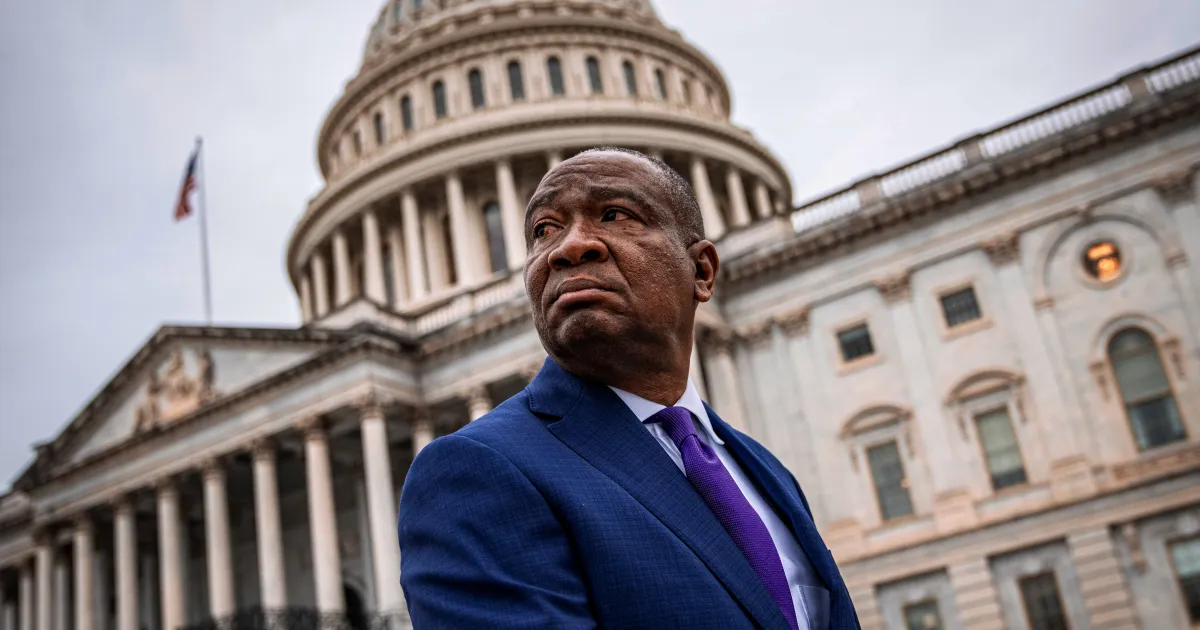
2026年本应是代表路易斯安那州黑人占多数的第六国会选区的众议员克莱奥·菲尔兹的连任年。但在4月,美国最高法院作出了一项裁决,导致他的选区被拆分。这是菲尔兹服务的选区第二次被从他脚下撤走。
2026 would have been a reelection year for Rep. Cleo Fields, who represents the majority-Black 6th Congressional District in Louisiana. But in April, the US Supreme Court handed down a decision that led to the dismantling of his district. This was the second time that a district Fields served was taken out from under him.
“我在国会服务的每一天,头顶上都悬着联邦诉讼的阴霾,”菲尔兹说。在他看来,法院的裁决对整个南方的黑人选民是一个巨大的打击。“他们基本上掏空了第二条款,基本上终结了《选举权法》。”《选举权法》是在20世纪60年代民权运动时期通过的一项标志性立法,旨在消除那些使非洲裔美国人难以投票的限制。但最高法院最近的裁决削弱了《选举权法》,使得有色人种更难一有歧视性为由对选区提出异议。
“I’ve never served a single day in Congress without a federal lawsuit looming over my head,” Fields says. In his view, the court’s ruling was an enormous blow to Black voters across the South. “They basically gutted Section 2 and basically ended the Voting Rights Act.”The Voting Rights Act is a signature piece of legislation passed during the civil rights era of the 1960s to remove restrictions that made it difficult for African Americans to vote. But the Supreme Court’s recent ruling in gutted the VRA by making it more difficult for people of color to challenge districts on the grounds that they are discriminatory.
在本周的节目中,我们探讨了这一裁决将如何影响路易斯安那州及整个南方的黑人选民,并审视了罗伯茨法院如何借用了一个多世纪前破坏黑人民权、为吉姆·克劳隔离制度铺平道路的最高法院裁决中的论点。
On this week’s , we look at how the decision will affect Black voters in Louisiana and throughout the South and examine how the Roberts court borrowed arguments from Supreme Court decisions that undermined Black civil rights more than a century ago, paving the way for the Jim Crow system of segregation.