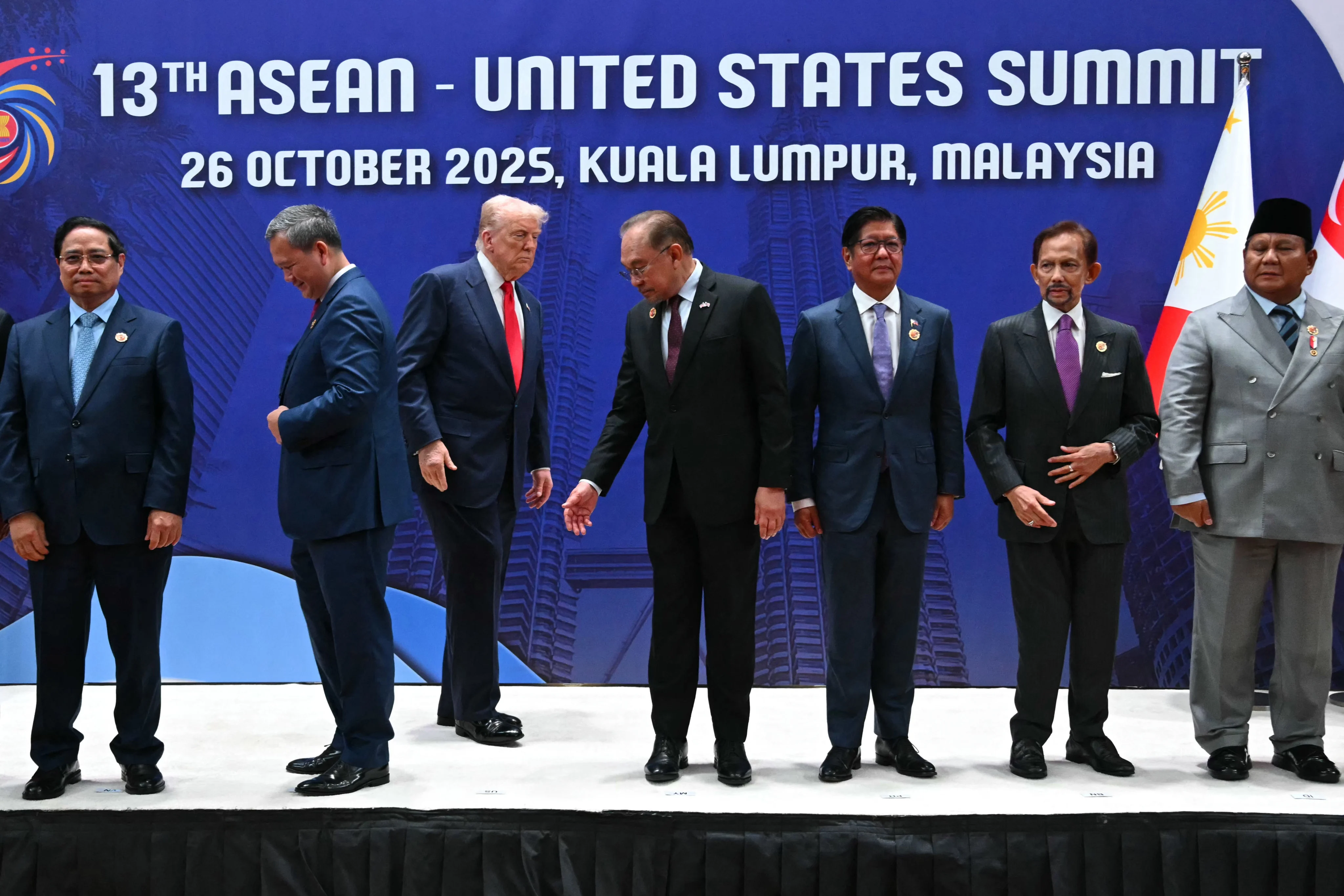
美国总统唐纳德·特朗普预计将在下月于马尼拉举行的东盟峰会上,在关税和关键矿产问题上强硬谈判,华盛顿寻求更大的经济和战略让步,同时对中国保持鹰派立场。
US President Donald Trump is expected to drive hard bargains on tariffs and critical minerals in his return to the Asean summit in Manila next month, with Washington seeking greater economic and strategic concessions while remaining hawkish on China.
菲律宾周三确认,特朗普将于11月16日至18日飞抵马尼拉参加峰会,随后将在同一周前往深圳参加亚太经济合作组织(亚太经合组织)峰会。
The Philippines confirmed on Wednesday that Trump would fly in for the summit from November 16 to 18, before attending the Asia-Pacific Economic Cooperation (Apec) summit in Shenzhen that same week.
分析人士表示,特朗普连续第二次出席该论坛表明,尽管他更倾向于一对一的交易,但美国仍将继续参与地区事务。此次访问的时间安排——在他预计于深圳会见中国国家主席习近平之前——也被视为美国向地区伙伴重申其承诺的机会。
Trump’s second consecutive appearance at the forum signals continued US engagement despite his preference for one-on-one deals, analysts say. The timing of the trip ahead of an expected meeting with counterpart Xi Jinping in Shenzhen is also seen as a chance for the US to reassure regional partners of its commitment.
但他们警告称,美国重新施加关税压力并要求更紧密的协调,可能会促使东南亚国家联盟成员签订竞争性的双边协议,从而削弱其与两个超级大国的经济联系。
But they warn that renewed US tariff pressure and demands for closer alignment could push Association of Southeast Asian Nations members into competing bilateral deals that would undermine economic ties with both superpowers.
“鉴于他更倾向于双边互动和交易外交,而非多边机构,他连续参加两次东盟峰会具有重要意义。菲律宾作为美国的紧密条约盟友也使情况有所不同,特别是考虑到两国在南海拥有强烈的防务合作和共同的安全利益,”新加坡伊萨克-尤索夫伊沙克研究院高级研究员乔安妮·林表示。
“His attendance at two consecutive Asean summits is significant, given his preference for bilateral engagement and transactional diplomacy over multilateral institutions. The fact that the Philippines is a close treaty ally of the US also makes a difference, particularly given their strong defence cooperation and shared security interests in the South China Sea,” said Joanne Lin, a senior fellow at the ISEAS-Yusof Ishak Institute.
林补充说,特朗普的访问表明东南亚仍然对华盛顿具有重要意义,这是一个积极信号。
Lin added that Trump’s visit was a positive sign that Southeast Asia remained important to Washington.
“作为盟友,特朗普总统此行旨在加强菲律宾在东南亚及更广阔的印太地区面临的诸多议题上的立场,”阿马多尔研究服务公司首席执行官、佩里世界屋访问学者胡利奥·阿马多尔表示。“虽然将亚太经合组织峰会视为主要目标很有诱惑力,但我认为东亚峰会在安全议题中占比较大,对这次访问更为关键。”分析人士表示,特朗普参加东盟峰会的议程很大一部分将涉及贸易和经济安全。
“As an ally, President Trump is here to strengthen the Philippines’ position on many issues that confront both countries in Southeast Asia and the wider Indo-Pacific,” said Julio Amador, CEO of Amador Research Services and visiting fellow at Perry World House. “While it is tempting to look at the Apec summit as the main goal, I believe that the East Asia summit, which figures a lot in security issues, is more vital to the visit.”Analysts said that a large part of Trump’s agenda in attending the Asean summit would deal with trade and economic security.
“其中很大一部分是要表明美国仍然对该地区的安全至关重要,巩固其盟友关系和伙伴关系,并提出经济安全的论点,”阿马多尔说。
“A big part of it is to show that the US is still vital to the security of the region, and shoring up its alliances and partnerships and putting forward a case for economic security,” Amador said.
他补充道,由于美国外交政策主要聚焦于盟友和安全,此访也可能确认经济层面的内容,特别是吕宋经济走廊——一个有望向菲律宾经济注入最高达1000亿美元的连通性项目——作为双边关系的关键组成部分。
He added that as US foreign policy primarily focused on alliance and security, the visit was also likely to affirm the economic aspect, particularly the Luzon Economic Corridor – a connectivity project that could inject as much as US$100 billion into the Philippine economy – as a crucial part of bilateral ties.
“政府已明确表示,经济安全如今与国家安全紧密相连,”林表示。“除了为美国产品争取更好的市场准入外,华盛顿可能还会寻求供应链安全、关键矿产、技术合作、人工智能以及对美投资增加方面的具体承诺。”东盟观察员Vu Lam表示,特朗普的访问顺序“有迹可循”。“作为东盟轮值主席国和条约盟友,马尼拉已承诺在其主席国任期结束前达成具有法律约束力的南海行为准则。在北京提出主张之前访问盟友,既能提供安慰,也能增加一些筹码,”这位澳大利亚籍研究员说。
“The administration has made it clear that economic security is now closely linked to national security,” Lin said. “Beyond securing better market access for American products, Washington will likely be looking for concrete commitments on supply-chain security, critical minerals, technology cooperation, AI and greater investment in the US.”The order of Trump’s stops is “telling”, according to Asean observer Vu Lam. “As chair and treaty ally, Manila has pledged to conclude a legally binding Code of Conduct in the South China Sea by the end of its chairmanship. Visiting an ally just before Beijing offers reassurance and some leverage,” the Australia-based researcher said.
马来亚大学外交与安全事务分析师柯林斯· Chong表示,特朗普的此次访问是经过精心策划的举措,旨在延续其去年访问马来西亚后在该地区的外交势头。
Collins Chong, a foreign affairs and security analyst at Universiti Malaya, said that Trump’s visit was a calculated move to sustain the momentum of his diplomatic engagement with the region after his trip to Malaysia last year.
特朗普认识到,个人外交和与地区领导人的直接接触仍然是维护美国影响力不可或缺的工具,尤其是在中国继续扩大其在东南亚的……存在之际,”崔永元说。
“Trump recognises that personal diplomacy and direct engagement with regional leaders remain indispensable tools in preserving American influence, especially at a time when China continues to expand its … presence across Southeast Asia,” Chong said.
2025年,美国与东盟的货物和服务贸易总额达到6860亿美元,反映出该地区日益增长的重要性。“东盟现在正成为一个日益重要的地缘政治和地缘经济竞争场,涵盖关键矿产、半导体、能源安全、先进制造业、海上互联互通和多元化供应链,”他说。
Total US-Asean trade in goods and services reached US$686 billion in 2025, reflecting the region’s growing importance. “Asean is now an increasingly important geopolitical and geoeconomic battleground, encompassing critical minerals, semiconductors, energy security, advanced manufacturing, maritime connectivity and diversified supply chains,” he said.
因此,华盛顿不能允许北京成为东盟“压倒性主导的经济和战略参照点”。“挑战不仅仅是遏制中国的军事崛起,而是要防止北京在工业、基础设施、技术和海上航线上积累结构性影响力,最终获得实力在关键领域挑战美国,”崔永元说。
As such, Washington cannot allow Beijing to become the “overwhelmingly dominant economic and strategic reference point” for Asean. “The challenge is not simply to contain China’s military rise, but to prevent Beijing from accumulating structural influence over the industries, infrastructure, technologies and maritime routes, eventually gaining strength to challenge the US in key areas,” Chong said.
“特朗普正试图将美国的市场准入、安全承诺和技术优势转化为更大的战略回报,同时确保中国无法将东南亚转变为其扩大区域影响力的无争议平台。”根据专家的说法,在7月份根据所谓的强迫劳动做法对其第301条调查实施新一轮美国关税之后,关税将继续成为焦点。
“Trump is seeking to translate American market access, security commitments and technological advantages into greater strategic returns, while ensuring that China cannot turn Southeast Asia into an uncontested platform for its expanding regional power.”Following a new wave of US tariffs under alleged forced labour practices in its Section 301 investigations in July, levies will continue to be the focus, according to the experts.
“主要的变化在于,我们正从最初的关税冲击阶段过渡到更为成熟的双边谈判模式,”林说道。“东南亚各经济体的压力依然存在,但这种压力正变得更具针对性,且与特定的监管措施及经济安全承诺紧密相关。”
“The main difference is that we are moving from the initial tariff shock to a more established pattern of bilateral bargaining,” Lin said. “The pressure on Southeast Asian economies remains, but it is becoming more targeted and tied to specific regulatory and economic-security commitments.”
她补充道,这种情况可能促使各成员国分别与美国达成双边协议。“从长远来看,东盟无法阻止成员国自行开展双边谈判,但必须确保这些安排不会损害区域经济一体化进程,也不会削弱东盟的整体影响力。”林指出,此类协议极有可能出现,她举例称去年泰国同意取消几乎所有美国商品的关税,越南也给予绝大多数美国出口商品优惠准入待遇。
This could push members into making separate bilateral deals, she added. “Ultimately, Asean cannot prevent its members from pursuing bilateral deals, but it should ensure that these arrangements do not undermine regional economic integration or weaken Asean’s collective position.”Lam said such agreements were likely, pointing to developments last year, when Thailand agreed to remove tariffs on nearly all US goods and Vietnam gave preferential access to almost all US exports.
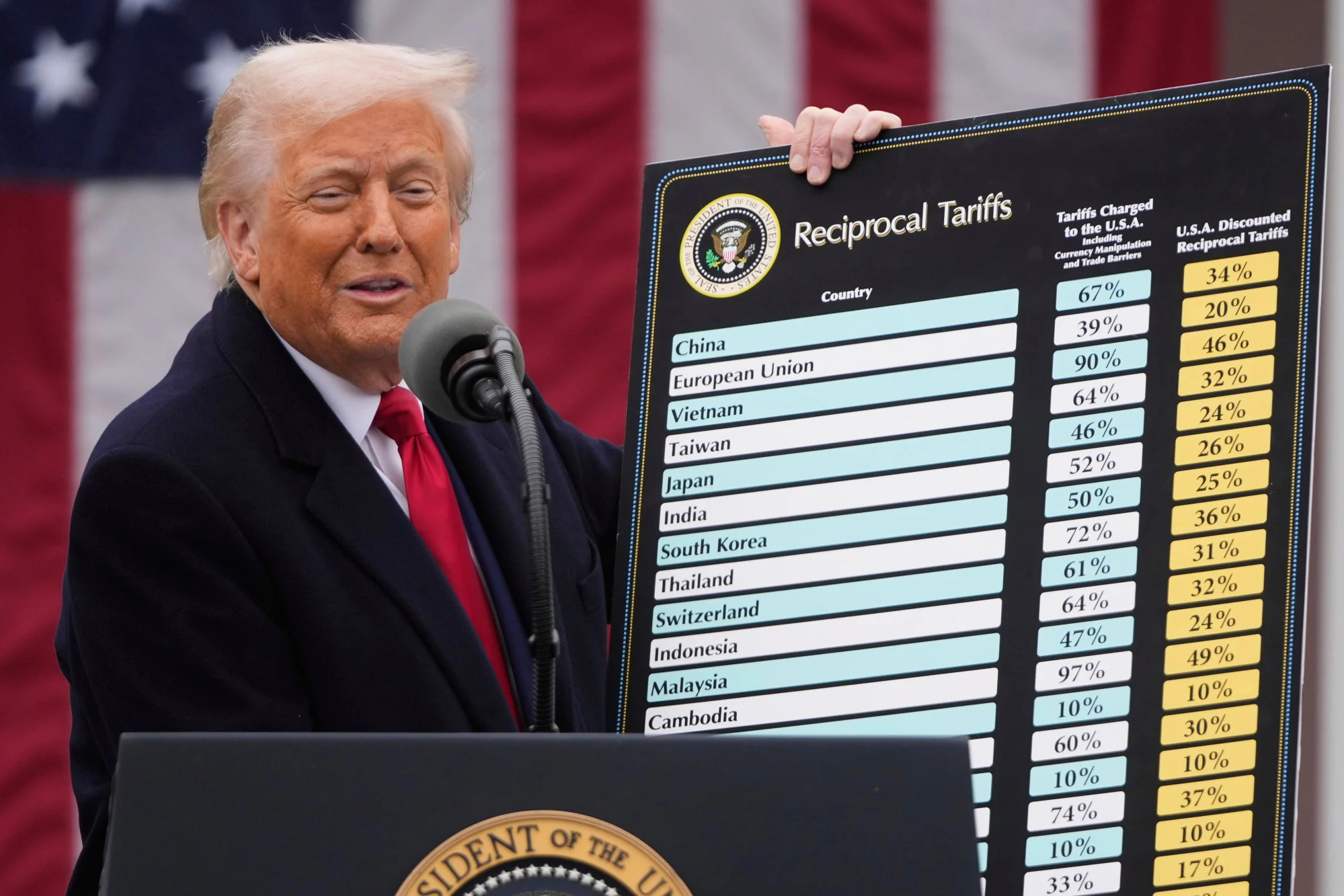
“预计这些协议还会包含有关知识产权保护、增加美国商品采购量以及加强对中国转口贸易管控的条款。作为回报,东南亚国家希望获得更低的关税及减少美国未来的贸易制裁措施,不过这一切均无绝对保障。这些承诺具有长期性,而美国的关税减免措施却随时可能撤销,”林说道。
“Expect commitments on intellectual property, purchases of US goods and tighter rules on Chinese transshipment too. In return, they hope for lower tariffs and fewer future US trade actions, but nothing is guaranteed. Their concessions are long term, while US tariff relief can be withdrawn at any time,” Lam said.
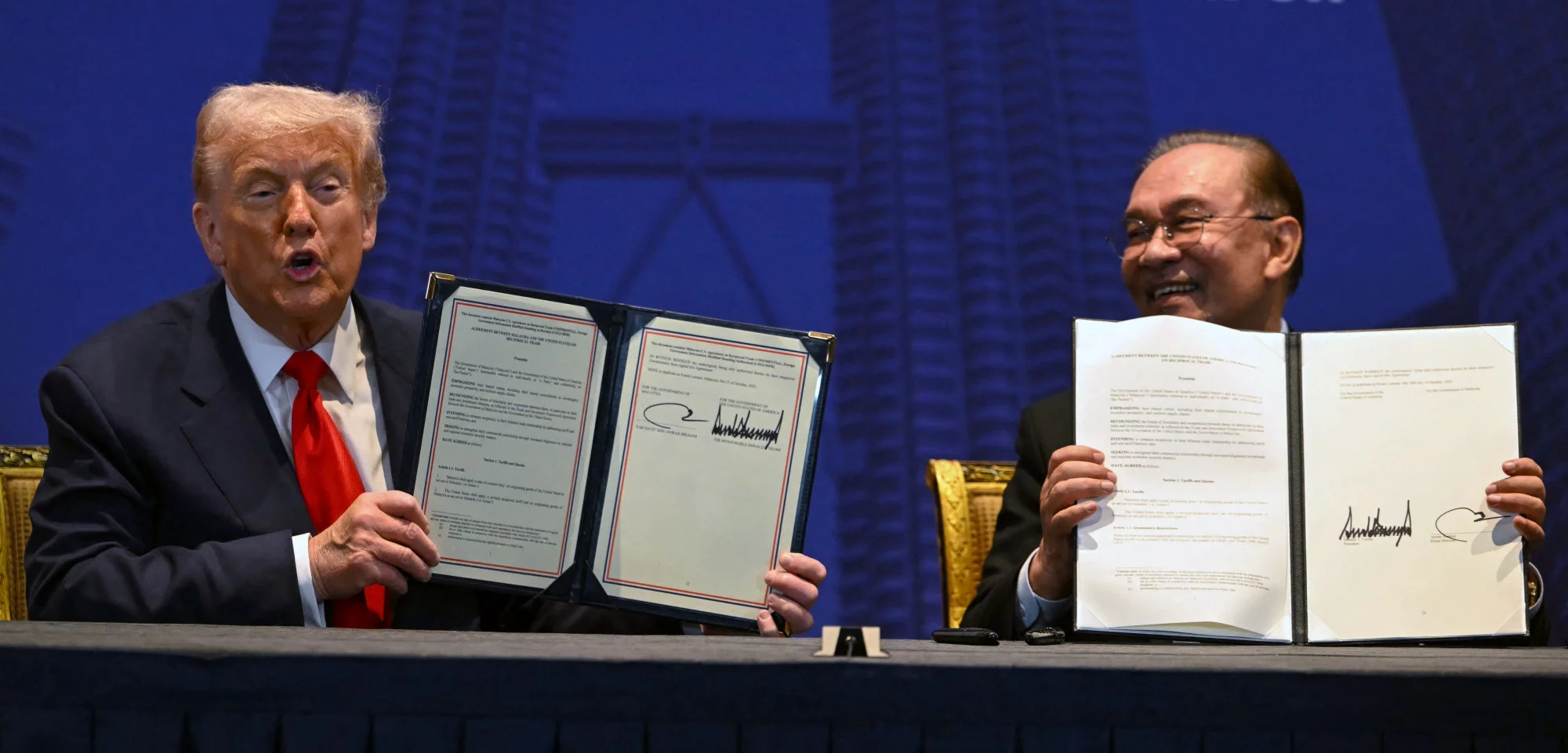
林还指出,特朗普在出口管制、供应链安全、技术治理以及涉及第三国的贸易规则等问题上提出的苛刻条件,很可能越来越多地掺杂地缘政治因素。“此前与马来西亚和柬埔寨签署的协议中,类似条款就因中国担忧其中存在‘毒丸条款’而引发政治敏感性问题。”东盟各国目前面临着艰难的权衡:一方面希望获得更稳定的美国市场准入机会,另一方面又需维持与中国的经济联系,同时避免做出可能限制自身战略自主权的承诺。
Trump’s hard bargains in matters such as export controls, supply-chain security, technology governance and trade practices involving third countries could increasingly involve geopolitical considerations, Lin said. “We saw how similar provisions in the earlier agreements with Malaysia and Cambodia became politically sensitive because of China’s concerns about ‘poison pill’ clauses.”Asean countries faced a difficult balancing act as “they want more predictable access to the US market, but they also need to preserve their economic relationships with China and avoid commitments that could constrain their strategic autonomy”.