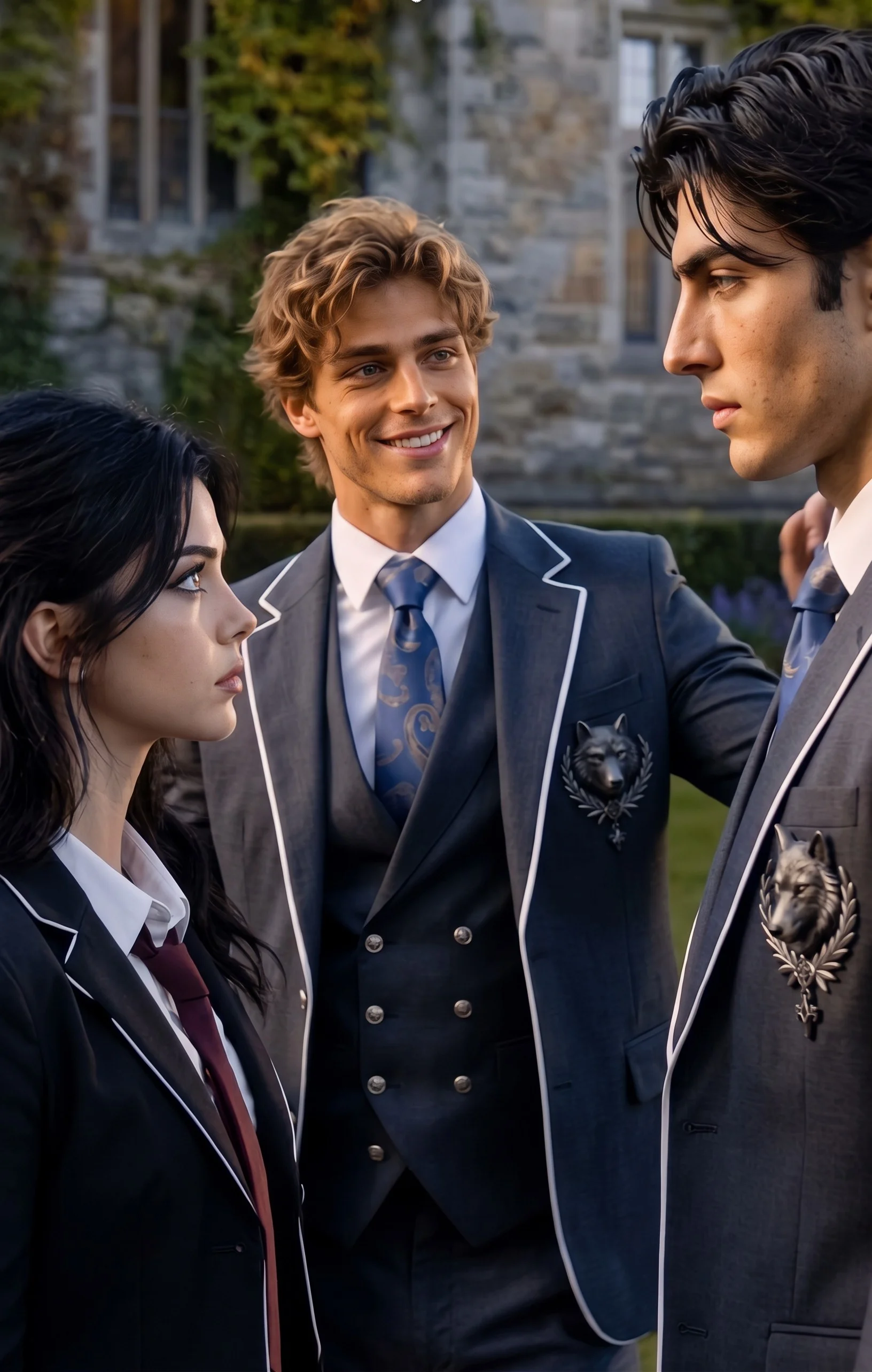
自2023年起担任竖屏剧导演的Paddy Ma Wendi,亲眼目睹了人工智能在2026年对以移动设备为主的娱乐类型产生的快速而深远的影响。
Paddy Ma Wendi, a director of vertical dramas since 2023, has had a front-row seat to how fast and hard artificial intelligence has affected the mobile-first entertainment genre in 2026.
数字内容农场开始利用最新的人工智能技术,大规模生产短片作品——即专为智能手机设计、通常以竖屏方式观看的连续剧式故事。
Digital content farms have started churning out short productions – serialised stories made for smartphones and usually watched in portrait mode – using the latest AI technology.
“我在美国拍摄真人竖屏剧时,通常会雇佣大约20到30人,包括演员,”Ma表示,他于2015年毕业于纽约视觉艺术学院,并创立了美国东海岸最早专注于英语微型剧的制作公司之一。
“When I was in the US [for a live-action vertical drama], I usually hired about 20 to 30 people, including the actors,” says Ma, who graduated from New York’s School of Visual Arts in 2015 and founded one of the first production companies specialising in English-language microdramas on the United States’ East Coast.
目前,他基于中国河南省郑州市,以利用当地相对较低的人力成本。
He is currently based in Zhengzhou, in China’s Henan province, to take advantage of the relatively low labour costs there.
“在中国,我曾一度动用过100名工作人员,”他说,“但如今,制作一部AI剧,通常只有几个人——比如说两到五人——一周内就能完成这项工作。”然而,他也指出,AI电影制作仍然劳动密集,因为生成式AI工具产出的结果高度随机;想要立刻获得理想效果的情况非常罕见。
“In China, I went up to 100 crew members once,” he says, “but now, for one AI drama, there are only a few, say two to five people doing this for a week.”However, AI filmmaking remains labour-intensive, he says, as generative AI tools yield highly randomised results; getting what you actually want right away is rare.
导演们在各镜头之间保持视觉一致性和叙事连续性方面面临挑战,这在试图拼凑出一个连贯的微型剧情节时是一个致命缺陷。大多数时候,机器完全偏离了预期目标。
Directors struggle to maintain visual consistency and narrative continuity across scenes, which is a critical flaw when trying to piece together a coherent microdrama storyline. Most of the time, the machine misses the mark completely.
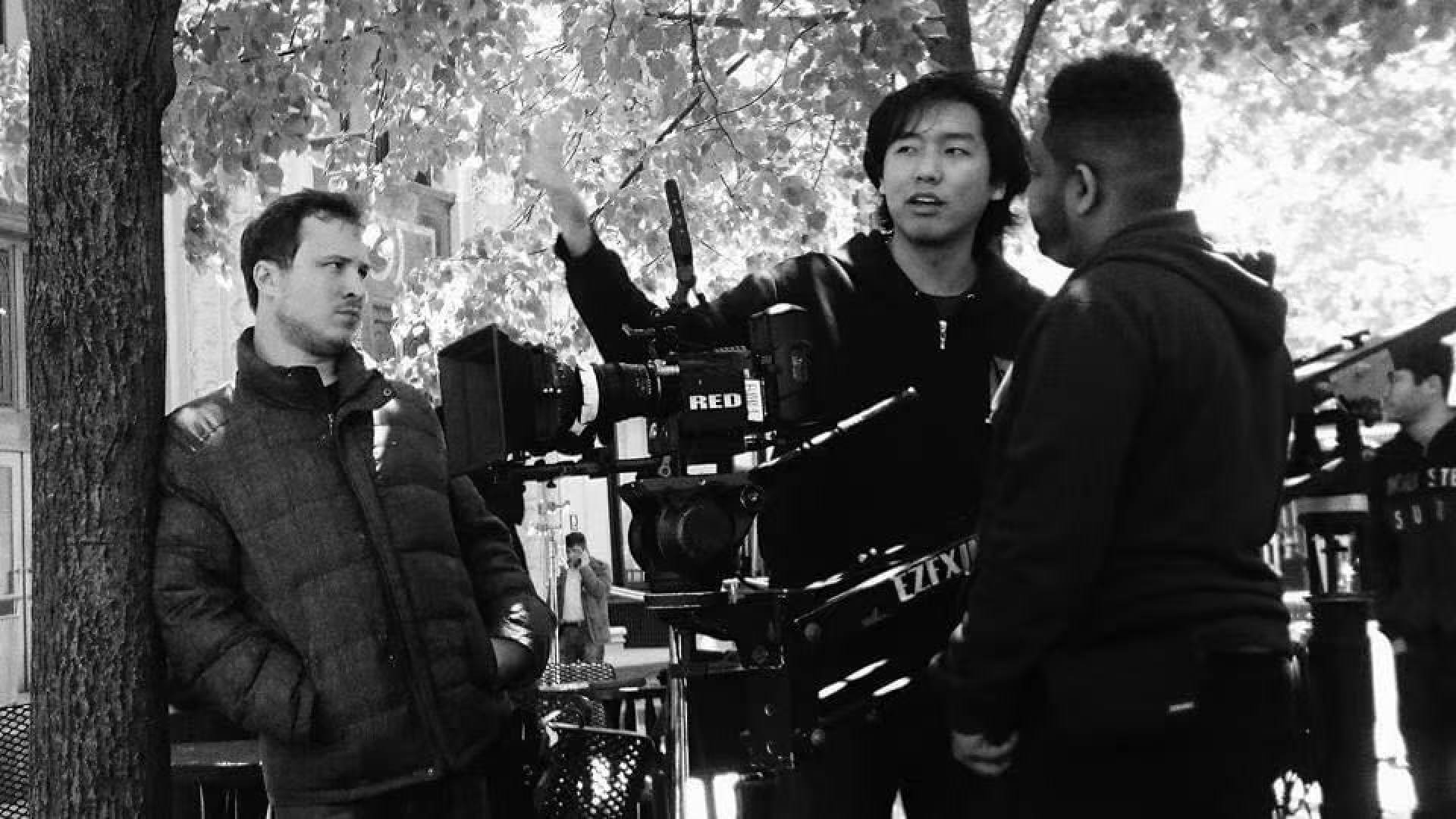
为了使其可行,团队必须忍受长时间盯着屏幕的疲惫工作——不断输入提示词、审查输出结果、处理粗剪。人力劳动仍然必不可少,因为需要不断修改指令,并判断画面是否达标。
To make it work, teams must endure exhausting hours chained to screens, inputting prompts, reviewing the output and handling rough edits. Human labour is still essential for constantly revising commands and judging whether the footage is good enough.
这是一场向下的竞赛。只有极少数项目[能够]获得足够的报酬来制作更好的产品。Paddy Ma Wendi,微短剧导演但他们没有聘请电影行业的人员,比如摄影师和化妆师,而是让技术困住了那些原本会成为剪辑师或副导演的剩余工作者,让他们陷入一个艰苦且重复的试错循环,以获取可用的素材。
It’s a race to the bottom. Only very few projects [are] paid [enough] to make a better product. Paddy Ma Wendi, microdrama director But instead of hiring people in the film industry, such as cameramen and make-up artists, the technology traps the remaining workers who would previously have been editors or second directors in a gruelling, repetitive loop of trial and error to get usable clips.
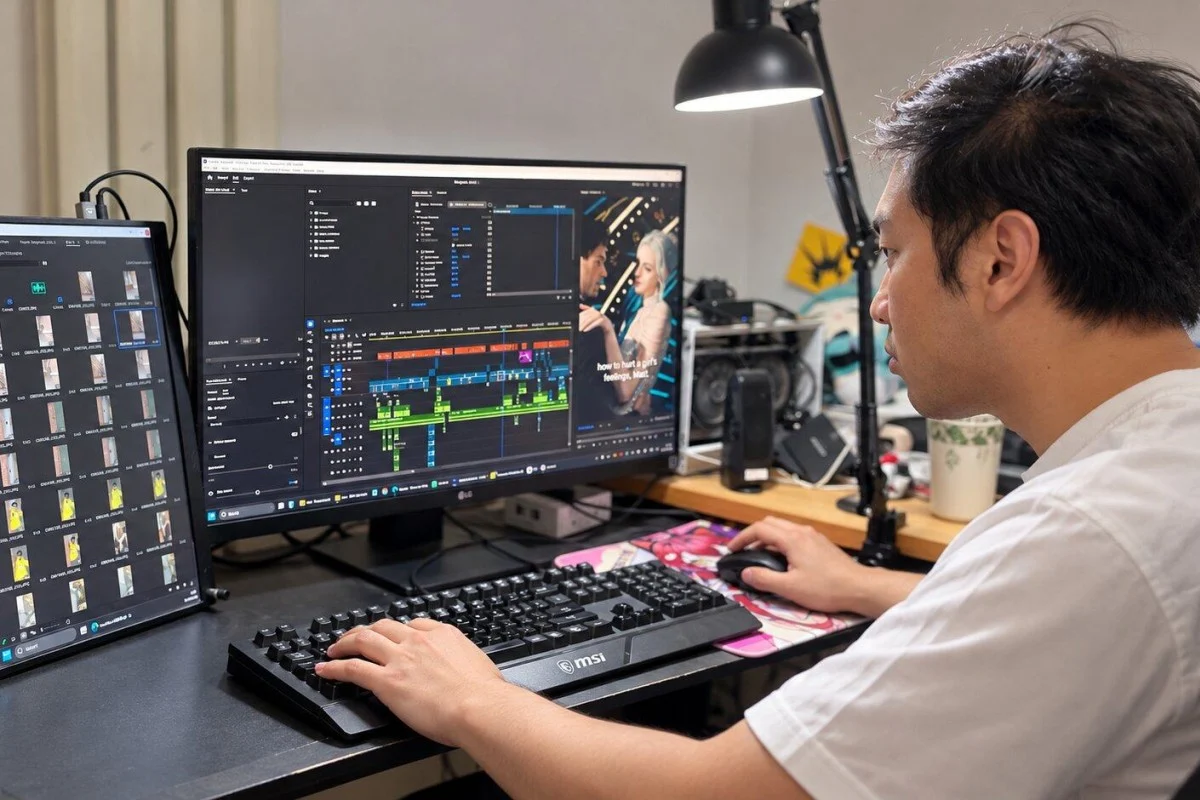
“如果你想把所有细节都做对,你就必须不断生成20[或]30次才能得到[正确的]素材,”Ma说。“但这会花很多钱。”他估计,720p的生成——使用能够以1280×720逐行高清分辨率合成视频内容的AI模型——每秒成本大约在10到20美分之间,具体取决于平台,而一个提示词大约能生成4到15秒的素材。提示词的成本从40美分到3美元不等。因此,得到15秒正确的素材可能需要花费8到90美元。目前,由于进入门槛极低,中国正陷入一场激烈的价格战。
“If you want to get all the details right, you have to keep generating 20 [or] 30 times to get [the] right footage,” Ma says. “But this costs a lot of money.”He estimates 720p generation – using AI models that synthesise video content at a 1280×720 progressive high-definition resolution – costs about 10 to 20 US cents per second, depending on the platform, and that one prompt generates a clip of roughly four to 15 seconds of footage. Prompts cost anywhere from 40 cents to US$3. Therefore, getting 15 seconds of footage right can cost between US$8 and US$90. Right now there is an immense price war in China due to the extremely low barrier to entry.
“这场竞赛正在向下进行,”Ma说。“只有极少数项目[能够]获得足够的报酬来制作更好的产品。大多数供应商[说]:‘我只要10部剧。给我10部剧。’他们甚至不需要会说英语;他们只需提示让对话用英语。
“It’s a race to the bottom,” Ma says. “Only very few projects [are] paid [enough] to make a better product. Most of the vendors [say]: ‘I just want 10 shows. Give me 10 shows.’ They don’t even need to speak English; they just prompt for the dialogue to be in English.
“郑州有中国劳工,每月工资为3000[到]4000元人民币[相当于450到600美元],专门制作英语竖屏短剧。你怎么和他们竞争?
“There are Chinese labourers in Zhengzhou who are paid 3,000 [to] 4,000 yuan [US$450 to US$600] monthly to make English vertical dramas. How are you going to compete with that?
“老实说,我现在正试图退出这个AI竖屏短剧行业,因为[利润]空间太低了,”Ma说。“它正在变成一个劳动密集型的生意。这已经不像电影制作了。”
“To be honest, I’m trying to get out of this AI vertical drama business because the [profit] margin is too low now,” Ma says. “It’s getting into a labour-heavy business. It’s not like filmmaking any more.”
来自塞尔维亚的演员Stevan Miladinovic曾主演微短剧(2024),他是这一转变中的首批受害者之一。这位28岁的演员原计划在2026年第一季度重返微短剧领域。
Stevan Miladinovic, an actor from Serbia who starred in microdrama (2024), is among the first casualties in this shift. The 28-year-old was ready to jump back into the microdrama game in the first quarter of 2026.
“大约在一月和二月,我的经纪人一直在联系我,问我什么时候回泰国,因为那里有很多试镜通知,”他说。
“Around January and February, my agent was contacting me, asking when I would come back to Thailand because there were a lot of casting calls,” he says.
由于劳动力成本低,新加坡、马来西亚、越南和中国等亚洲国家成为微短剧制作的主要中心。制片方经常从地区各地请演员来拍摄这些节目。
Asian countries such as Singapore, Malaysia, Vietnam and China were major microdrama production hubs because of the low labour costs. Producers would often fly in actors from around the region to star in the shows.

根据米拉迪诺维奇的说法,演员在微短剧中担任主角,十天的工作可赚取高达8000美元。“我投入了大量资金回到亚洲,”他说。“我心想,‘一部剧,我就能再赚回来,而且还能赚更多,我打算至少演四五部。’”然而,当他在2026年5月结束欧洲项目并返回时,他听到的只有寂静:“我联系了一些其他演员……他们说,‘已经死了。什么都没有发生,’”他说。
According to Miladinovic, actors can earn up to US$8,000 for 10 days’ work as the lead in a microdrama. “I invested a lot of money coming back to Asia,” he says. “I was like, ‘One drama, I’m going to earn everything again and more, and I’m going to do at least four or five of them.’”However, when he wrapped up his project in Europe and returned in May 2026, all he heard were crickets: “I got in touch with some other actors … They were like, ‘It’s dead. Nothing is happening,’” he says.
米拉迪诺维奇发现自己几乎被AI完全取代。“我开始看到那些AI剧,心想,‘别开玩笑了,这不可能是真的,’”他说。“但后来我真的意识到人们在互动。人们会点赞、评论,人们会观看。”米拉迪诺维奇还担心制作公司会“拿走我们的肖像和面部数据,然后永久地用我们的部分或全部形象用于他们的电影”。他并不是唯一一个有这种担忧的人。
Miladinovic found out that he had been almost completely replaced by AI. “I started seeing those AI dramas and was like, ‘Come on, this can’t be real,’” he says. “But then I really started figuring that people are interacting. People would leave likes, comment, people would watch it.”Miladinovic also worries about the ability of production companies to “take our likeness and data on our faces, then use our partial or entire image for their film forever”. He is not alone in his concern.
微短剧行业新闻平台《垂直剧爱》的创始人詹·库珀说:“根据洛杉矶的业内人士告诉我的情况,六周内工作量下降了大约90%……通过查看像[在线选角平台]Actors Access这样的平台上的职位数量可以看出这一点,而垂直剧主要就是在这些平台上发布工作机会的。”
Jen Cooper, founder of microdrama industry news platform Vertical Drama Love, says: “From what [people in the industry] tell me in Los Angeles, work dropped by about 90 per cent in six weeks … by looking at the amount of jobs on things like [online casting platform] Actors Access, which is where the vertical dramas are mainly advertised for work.
“二月或三月时,平台上才出现几部[AI短剧]……随后情况变化非常快,从零星几部突然变成了你在APP上看到的主要内容都是AI短剧,”她说。“转变非常迅速。”
“It was only February or March [when] there were a few [AI dramas] beginning to pop up on platforms … and then it seemed to move very fast from just a few here and there to suddenly the main thing you were being shown on the apps was AI,” she says. “That was a very quick switch.”
马将变化的时间点定在2026年2月12日——当时先进动画AI模型Seedance 2.0在中国发布:“Seedance 2.0成为唯一的AI视频生成模型,”马说。“其他模型根本无法相比。AI短剧的质量在一次代际飞跃中,从不佳直接提升到相当可接受的水平。”
Ma pinpoints the moment of change to February 12, 2026 – when Seedance 2.0, an advanced animation AI model, was released in China: “Seedance 2.0 became the only AI video generation model,” Ma says. “Nothing else comes even close. AI videos went from not good to very acceptable in one generational jump.”
但并非所有人都认同AI微短剧的质量。“我认为其中很多质量相当差,”库珀说。“画面和配音往往千篇一律。你还记得亨利·卡维尔在《?》中的样子和声音吗?今年夏天他一直很忙,在许多剧中他都扮演了龙王。”
But not everyone agrees regarding the quality of AI microdramas. “A lot of it, I think, is fairly poor quality,” Cooper says. “The look and the voice tend to be the same. You know Henry Cavill’s look and voice in ? He’s been a busy boy this summer; he was the dragon king in a lot of dramas.”
AI内容的泛滥引发了广泛担忧,中国广播电视监管机构——国家广播电视总局也因此介入。该机构于2026年9月17日宣布,将加大力度推进优质微短剧的扶持与传播工作,引导平台设立真人剧专区,并提供财政支持,使优质制作能够获得观众并实现收益。
The flood of AI content has caused so much concern that China’s broadcasting regulator, the National Radio and Television Administration, is getting involved. It announced on September 17, 2026, that it will step up its initiative to promote and distribute high-quality microdramas, guiding platforms to create dedicated sections for live-action dramas while providing financial support so quality productions can find audiences and generate returns.
但对这种小型娱乐形式来说,也不全是坏消息——如今它已在YouTube、哔哩哔哩和爱奇艺等平台上广泛可得。
But it is not all bad news for the bite-sized entertainment genre, which is now widely available on platforms such as YouTube, Bilibili and iQiyi.
COL集团(旗下微短剧应用如Flareflow的母公司)首席营销官蒂莫西·欧表示,包括《?》在内的AI短剧是该公司表现最佳的内容之一。AI还使创作者能够探索此前因预算限制无法触及的题材,尤其是奇幻、科幻、动画和超自然故事。
Timothy Oh, chief marketing officer at COL Group, the parent company of microdrama apps such as Flareflow, says AI shows, including , are among its top performers. AI also opens up worlds creators previously could not explore within microdrama budgets, particularly in fantasy, sci-fi, animation and supernatural stories.
“这为我们提供了触达此前未曾服务过的观众群体的机会,”他说。
“That creates opportunities to reach audiences we haven’t traditionally served,” he says.
库珀正期待该类型的更多内容:“[AI]在很大程度上推动了奇幻和科幻领域的发展,”她说。“我期待它来完成特效。”马正在探索一部结合AI的混合长片。“我想用人类表演来驱动AI,因为它实际上在剪辑素材方面非常出色,”他说。“比如说,如果你输入电影中的素材,并让它把杰克和罗斯变成蜘蛛侠和玛丽·简,它可以绝对完美地完成这件事。”
Cooper, for one, is looking forward to more content in that genre: “[AI] has enabled the fantasy and science-fiction realm a lot,” she says. “I am looking forward to special effects being done by it.”Ma is now exploring a hybrid feature film using AI. “I want to use human acting to drive AI, because it is actually very good at editing footage,” he says. “Let’s say if you input footage from the film , and you ask it to change Jack and Rose into Spider-Man and Mary Jane, it can do it absolutely perfectly.
“我想让人类演员在录音棚或声景舞台中表演,然后把所有素材输入AI,重新渲染成一个空间站或魔法之地,”他说。
“I want to bring human actors [to] act in a studio, in a soundstage, and bring all the footage into AI to re-render it into a space station or a magic land,” he says.