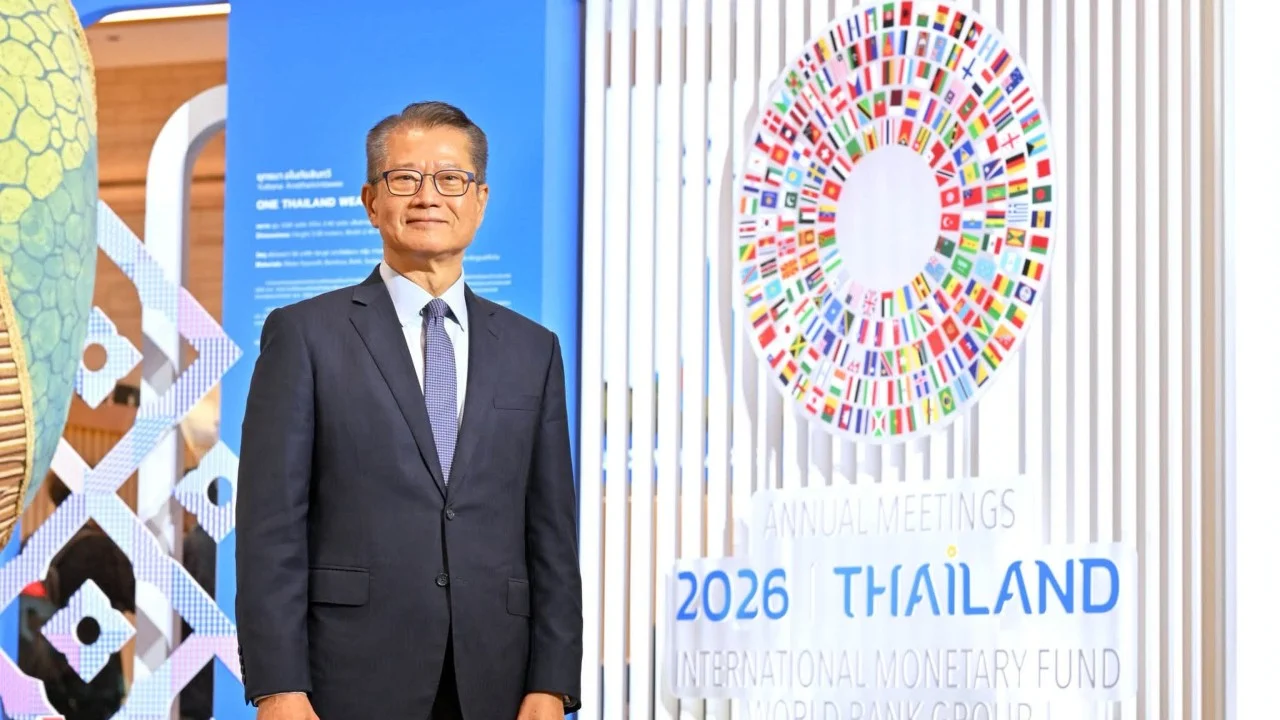
财政司司长陈茂波表示,香港对今年经济增长的预期比国际货币基金组织(IMF)对全球经济前景的预期更“乐观”,因为香港具有独特优势,能够抓住国际资本流动和人工智能(AI)热潮带来的机遇。
Hong Kong is more “optimistic” about its economic growth this year than the International Monetary Fund (IMF) is about the global outlook, the finance chief has said, pointing to the city’s unique position to capitalise on international capital flows and the artificial intelligence (AI) boom.
他在曼谷参加IMF和世界银行集团年会后,于周日在博客上写道,世界领导人的讨论被两股力量主导:一是人工智能驱动的快速颠覆,二是中东冲突导致的能源价格飙升。
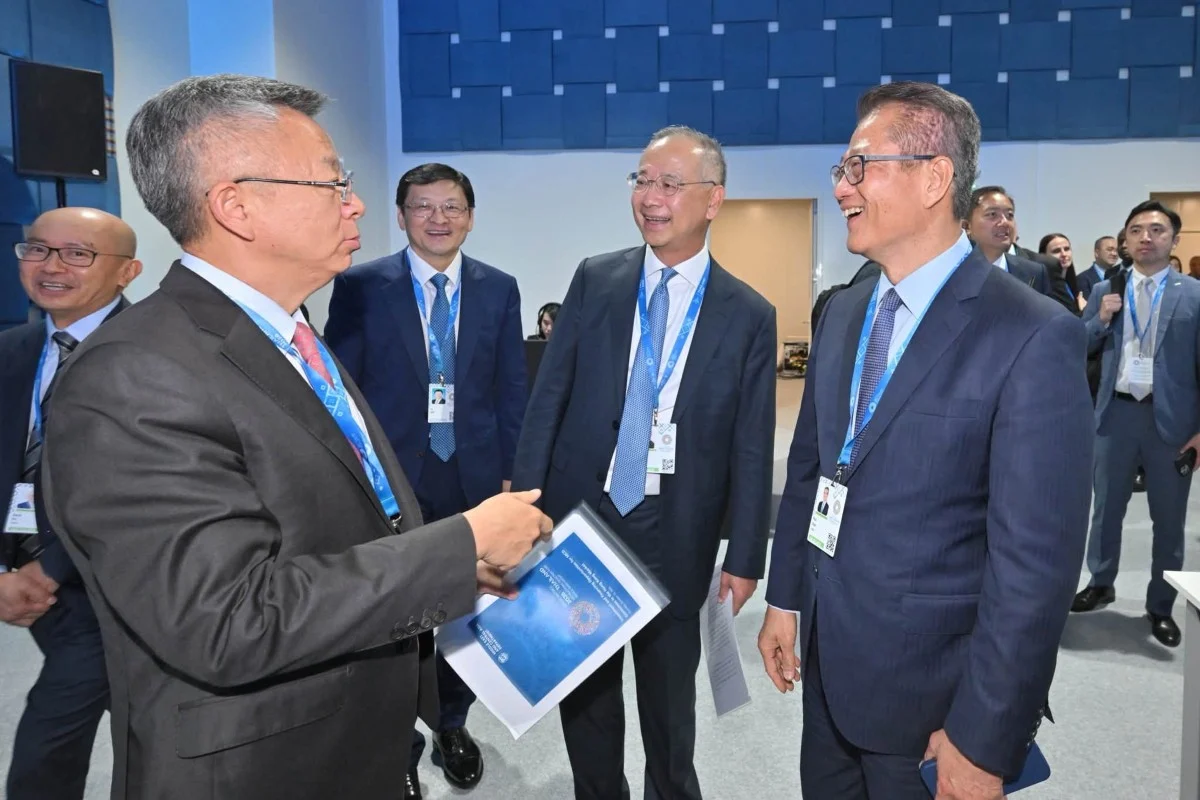
Writing on his blog on Sunday after attending the IMF and World Bank Group’s annual meetings in Bangkok, Financial Secretary Paul Chan Mo-po said world leaders’ discussions had been dominated by two forces: the rapid disruption driven by AI and energy price surges stemming from conflicts in the Middle East.
他指出,虽然IMF预计全球经济增长将从去年的3.5%放缓至今年的3.1%,但亚洲经济将继续以更快的速度扩张。
He noted that while the IMF expected global growth to slow from 3.5 per cent last year to 3.1 per cent this year, Asia’s economy would continue to expand at a faster pace.
IMF最近将香港2026年实际GDP增长预期上调至3.8%,而香港特区政府维持全年增长预测为3.5%至4.5%。
The IMF recently upgraded its 2026 real GDP growth forecast for Hong Kong to 3.8 per cent, while the local government maintained its full-year forecast at 3.5 to 4.5 per cent.
陈茂波表示,香港持有更“乐观”的评估,因为该城市具备独特条件来应对全球需求的变化。
Chan said Hong Kong held an even more “optimistic” assessment because the city was uniquely equipped to respond to shifting global demand.
“两项巨大需求十分明确:发展中经济体需要资本和技术,而中国内地企业需要国际市场和专业服务。这两种需求在香港汇聚,”他说。
“The two immense demands are clear: developing economies require capital and technology, while mainland Chinese enterprises need international markets and professional services. Both demands converge in Hong Kong,” he said.
“在这里,我们既能引导全球资本流入,又能与内地的技术和产业对接。我们具备条件,既能促进他人发展,又能进一步提升自身。”财政司司长表示,他观察到全球经济表现日益两极分化:战乱经济体的增长预期被大幅下调,而深度融入人工智能供应链的经济体则获得了显著的上调修正。
“Here we can both channel global capital and connect with the mainland’s technology and industries. We have the conditions to enable the development of others while further elevating ourselves.”The financial secretary said he had observed that global economic performance had become increasingly polarised: growth forecasts for war-torn economies were sharply downgraded, while economies deeply integrated into the AI supply chain received substantial upwards revisions.
引用曼谷峰会的讨论,他说过去两年全球进口增长近30%是由人工智能相关商品推动的。然而,随着这些国家的12亿年轻人在未来10至15年进入劳动力市场,发展中国家预计将面临8亿个岗位的缺口。“技术既可能放大竞争优势,也可能加剧现有风险,”陈警告说。
Citing discussions at the Bangkok summits, he said nearly 30 per cent of global import growth over the past two years was driven by AI-related goods. However, developing countries were expected to face a shortfall of 800 million jobs as 1.2 billion young people from those countries entered the workforce over the next 10 to 15 years. “Technology can either amplify competitive advantages or exacerbate existing risks,” Chan warned.
他还警告不要叠加风险,包括地缘政治摩擦、能源供应紧张、通胀、极端天气事件、贸易争端和金融状况收紧。
He also cautioned against compounding risks, including geopolitical friction, energy supply strains, inflation, extreme weather events, trade disputes and tightened financial conditions.
陈指出,主要经济体的公共财政状况紧张,指出几个西方国家的主权债券收益率已升至约20年来的高点。他补充说,债务成本上升正在挤压政府的财政缓冲和吸收突发外部冲击的能力。
Chan pointed to strained public finances across major economies, noting that sovereign bond yields in several Western nations had soared to roughly 20-year highs. Rising debt costs, he added, were squeezing governments’ fiscal buffers and their ability to absorb sudden external shocks.
他说,香港采取了“三管齐下”的策略来应对这些风险:将长期耐心资本引导至战略性产业,扩大离岸人民币工具,并通过金融工具管理风险。
He said Hong Kong had adopted a “three-pronged” strategy to navigate these risks: channelling long-term patient capital into strategic sectors, broadening offshore renminbi instruments and managing risks through financial tools.
香港应更好地发挥作用,成为不可或缺的离岸运营基地和专业人才中心,帮助中国内地企业走向全球,他说。
Hong Kong should better serve as an indispensable offshore operating base and professional talent hub helping mainland Chinese enterprises go global, he said.
陈还表示,香港应利用其资本市场为发展中国家的基础人工智能基础设施提供资金,同时推出全城人工智能素养计划,确保不同年龄层的居民能够适应技术变革。
Chan also said the city should leverage its capital markets to fund foundational AI infrastructure in developing economies, while rolling out citywide AI literacy programmes to ensure residents of all ages could adapt to technological transformation.