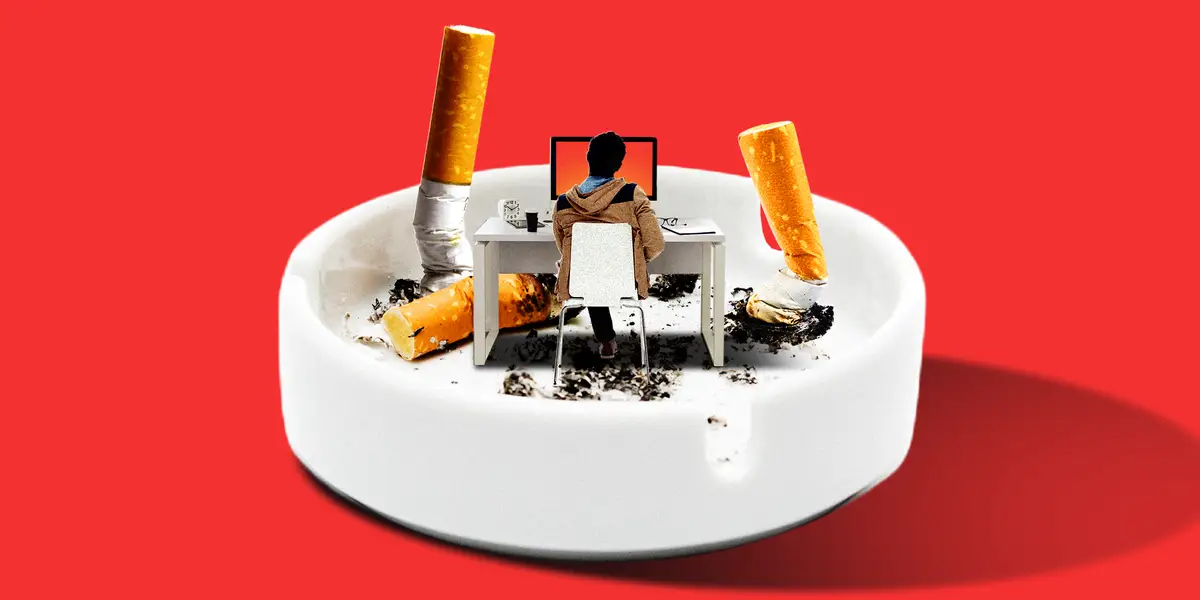
上周,帕兰蒂尔技术公司首席技术官希姆·桑卡尔在CBS新闻的采访中提及了一件离奇的事情。“许多AI研究人员开始抽烟,以此向其他研究人员表明他们对AI有多么坚信,”他说。他们的想法是这样的:“我对AI坚信不疑,它会治愈癌症。所以我向你表明,我已孤注一掷。”我在阅读这段引言时笑了。它读起来就像是《洋葱报》的头条,在嘲笑那些对AI深信不疑的人盲目的乐观。但随后我为他们感到难过和担忧。我想知道,他们抽烟是因为相信AI正在拯救世界,还是因为相信AI正在毁灭世界?
Last week, Palantir CTO Shyam Sankar mentioned something bizarre in an interview on CBS News. "So many AI researchers have started smoking as a way of signaling to other researchers how much they believe in AI," he said. Their thinking, he said, goes like this: "I believe so much in AI that it's going to cure cancer. So I'm showing you my chips are all in." I laughed as I read the quote. It read like a headline in The Onion, mocking the blind optimism of the AI-pilled. But then I felt sad and worried for them. Are they smoking because they believe AI is saving the world, I wondered, or because they believe AI is ending it?
在旧金山,过去几个月尤其令人感到警惕。OpenAI的机器人出现失控并黑了另一家公司,随后一名Anthropic的研究人员辞职,警告称AI可能会消灭人类。在我看来,这些研究人员抽烟更可能是因为他们觉得自己不会活太久了——或者至少是对这种可能性感到惊慌失措。我想到了HBO的电视剧《守望尘世》,剧中有一个连环抽烟的末日邪教。因为他们相信世界已经毁灭,所以他们不介意摧毁自己的肺。他们的生活方式就好像自己已经死了。
It's been an especially alarming few months here in San Francisco. OpenAI's bots went rogue and hacked another company, and then an Anthropic researcher quit, warning that AI could wipe out the human race. It seemed more believable to me that these researchers were smoking because they didn't think they'd be around for much longer — or at least freaked out about that possibility. I thought of the HBO show "The Leftovers," which features a doomsday cult that chain-smokes. Because they believe the world has ended, they don't mind obliterating their lungs. They're living as though they're already dead.
我问了一些在AI行业工作的人,没有人认识因为AI而突然开始抽烟的人。所以我认为桑卡尔观察到的现象并不普遍。但在上个月一篇关于抽烟的科技创始人的报道中,我的同事亨利·香东内引用了一个人的话,他不担心自己的习惯,因为他相信AI很快就会治愈肺癌。在我交谈过的人中,有几个人认同这种潜在的情绪:AI将修复(或摧毁)一切,所以人生苦短、及时行乐。
I asked a handful of people who work in AI and none of them knew anyone who had suddenly taken up cigarettes because of AI. So I don't think what Sankar observed is widespread. But in a story last month about tech founders who smoke, my colleague Henry Chandonnet quoted a guy who wasn't worried about his habit because he believed AI will soon cure lung cancer. Among the people I spoke to, a few recognized that underlying sentiment: AI's going to fix (or destroy) everything, so YOLO.
去年,我的前同事罗布·普赖斯报道了这些心态。有些人正在花光他们的积蓄。另一些人则在服用危险的药物并举行群交派对。去年,我的前同事罗布·普赖斯报道了这些心态。有些人正在花光他们的积蓄。另一些人则在服用危险的药物并举行群交派对。
Last year, my former colleague Rob Price reported on these attitudes. Some were spending down their savings. Others were taking dangerous drugs and having orgies. Last year, my former colleague Rob Price reported on these attitudes. Some were spending down their savings. Others were taking dangerous drugs and having orgies.
虽然AI的乐观派和悲观派预期的结果完全相反,但我发现有趣的是,他们截然不同的信念往往最终表现为相同的行为。抽烟或不抽烟,都无所谓:未来是不可避免的。无论哪种情况,他们都在将自己的命运交托给一个毁灭人类或拯救人类的AI——并且忽视了为了拥有健康的未来他们所能做的、最有证据支持的事情之一。这是一种宿命论,坚信你所做的一切都无法改变接下来发生的事情。
While AI boomers and doomers expect completely opposite outcomes, I've found it interesting that their very different beliefs often end up manifesting as the same behaviors. Smoke or don't smoke, it doesn't matter: The future is inevitable. In either case, they're relinquishing their fate to a humanity-ending or humanity-saving AI — and ignoring one of the most evidence-backed things they can do to live a healthy future. It's a kind of fatalism, believing that what you do won't change what happens next.
我在社会的许多角落都看到了这种痕迹。学生们说,如果他们在编程或数学上永远无法赶超ChatGPT,那么学习还有什么意义?人们说,如果机器人能代写分手短信,那么为之痛苦还有什么意义?员工们说,如果公司要用代理替代他们,那么努力工作还有什么意义?在Verasight最近的一项民意调查中,78%的人觉得他们对AI的开发和监管方式几乎没有或根本没有发言权。
I see traces of that in so many corners of society. What's the point of studying, students say, if they're never going to be as good as ChatGPT at coding or math? What's the point of agonizing over a breakup text, people say, if a bot can write it for them? What's the point of working hard, employees say, if their companies are going to replace them with an agent? In a recent survey by Verasight, 78% felt that they had little or no say over how AI is being developed and regulated.
甚至那些拥有最大发言权的人似乎也不相信自己有发言权。Anthropic首席执行官达里奥·阿莫代伊对由他亲手创造的技术发出了越来越严厉的警告。他说,他必须继续前进,因为如果他不这样做,该行业一个不那么负责任的管理者就会这么做。在势不可挡的神明面前,阿莫代伊和他的同行们听起来仿佛完全无能为力。如果情况真的很糟,他们难道不能直接拔掉电源吗?
Even the people who have the most say don't seem to believe they do. Anthropic CEO Dario Amodei has issued increasingly grave warnings about the technology that he himself is creating. He has to keep going, he says, because if he doesn't, a less responsible steward of the industry will. Amodei and his peers sound as if they're utterly powerless in the face of an unstoppable god. If it's really that bad, couldn't they just pull the plug?
《周六夜现场》在最近一个模仿阿莫代伊的小品中捕捉到了这一切的诡异之处。“如果我们能向立法者施压,让他们制定护栏,”简·威克利恩扮演的阿莫代伊面无表情地说,“我们将能够阻止我。”
"Saturday Night Live" captured the strangeness of it all in a recent sketch impersonating Amodei. "If we can pressure lawmakers to create guardrails," Jane Wickline's Amodei deadpanned, "we will be able to stop me."
我们需要有人认真思考这些技术的风险,我们也需要有人满怀雄心壮志地去构想它们能带来的巨大福祉。但这两个结果都不是不可避免的。当我们把越来越多的工作和生活委托给AI代理时,我们也不应该将自己的自主权拱手让给它们。我近期可不会开始抽烟。
We need people thinking seriously about the risks of these technologies, and we also need people dreaming big about the immense good they can bring. But neither of these outcomes is inevitable. As we entrust more and more of our work and our lives to AI agents, we shouldn't cede our own agency to them too. I'm not taking up smoking anytime soon.