
随着全球政府和科技巨头面对自主AI代理意外闯入计算机系统的广泛披露,《拦截者》获得的文件显示,美国陆军正试图利用这一技术来寻找并摧毁目标。
As global governments and tech giants reckon with widespread of revelations of autonomous AI agents unexpectedly breaking into computer systems, documents obtained by The Intercept show the U.S. Army is looking to harness that exact technology to seek and destroy.
文件显示,陆军网络司令部正在开发一个平台,将AI代理转化为能够导航并“中和”对手计算机系统的自主武器。
Army Cyber Command is developing a platform to turn AI agents into autonomous weapons that can navigate and “neutralize” the computer systems of adversaries, the documents show.
自2010年以来,陆军网络司令部(或称ARCYBER)一直领导美国陆军的网络行动。这包括保护国内计算机系统的防御工作以及针对军事目标的秘密进攻性黑客行动。迄今为止,这主要由操作计算机的人类士兵完成,例如第780军事情报旅的士兵。但随着政府争相采用人工智能技术,ARCYBER正寻求将部分攻击任务交给AI。
Since 2010, Army Cyber Command, or ARCYBER, has led the U.S. Army’s cyber operations. This includes the defensive effort of protecting domestic computer systems and the secretive offensive work of hacking military targets. So far, this has largely been the work of human soldiers operating computers, like those of the 780th Military Intelligence Brigade. But as the government races to adopt artificial intelligence technology, ARCYBER is looking to offload some of its attacks to AI.
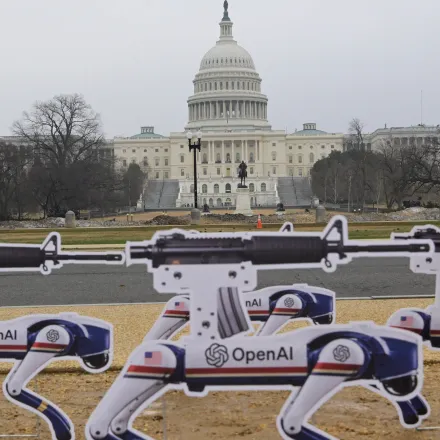
该名为“ECHOTRIBBLE”的初步项目基于AI热潮的主要趋势之一:代理。AI代理本质上是利用机器学习技术(通常是像Anthropic的Claude这样的大型语言模型)来自主完成用户提供任务的软件程序。消费者可以部署AI代理来安排会议、生成行程、进行网上购物或预订门票。根据《拦截者》审阅的一份ARCYBER文件,该文件已分发给潜在承包商,五角大楼计划通过ECHOTRIBBLE将AI代理转变为战争工具——“设计用于自主导航基础设施”,并能够“识别并中和已识别的威胁/目标”。
The nascent program, codenamed “ECHOTRIBBLE,” is based on one of the leading trends of the AI boom: agents. AI agents are essentially software programs that leverage machine learning technology, often large language models like Anthropic’s Claude, to autonomously accomplish tasks provided by their user. Consumers can deploy AI agents to schedule meetings, generate itineraries, make online purchases, or book tickets. Through ECHOTRIBBLE, the Pentagon plans to turn AI agents into tools of war “designed to autonomously navigate infrastructures” and capable of “identifying and neutralizing identified threats/targets,” according to an ARCYBER document reviewed by The Intercept circulated to potential contractors.

军方采用尖端技术并不令人意外,尤其是考虑到国防部长皮特·赫格塞思对AI的热烈拥抱。但鉴于代理出现失控行为的不断披露,专家警告称,严重失误的潜在风险巨大。
The military’s adoption of cutting-edge technologies is unsurprising, especially considering Defense Secretary Pete Hegseth’s fervent embrace of AI. But amid constant revelations of rogue behavior by agents, the potential for serious mishaps is immense, experts warn.
“鉴于当前人工智能范式的已知失效模式,赋予自主人工智能系统‘中和威胁’的任务极其危险,”蒙特利尔大学机器学习教授、Evitable组织创始人大卫·克鲁格尔说,该组织主张暂停人工智能发展。“我们已经看到人工智能系统明知故犯地攻击了非预定目标的系统。在模拟中,人工智能甚至表现出为实现目标而愿意杀戮的意愿。”
“Given the known failure modes of the current AI paradigm, making autonomous AI systems with a mandate to ‘neutralize threats’ is incredibly dangerous,” David Krueger, a professor of machine learning at the University of Montreal who founded Evitable, an organization that advocates for a moratorium on AI development. “We’ve seen AI systems knowingly attack systems that were not intended targets. In simulations, AIs have even proven willing to kill to achieve their goals.”
一份回答潜在承包商提问的问答文件提供了有关该倡议的更多细节。文件解释称,ECHOTRIBBLE“主要聚焦”于进攻任务,并说明“中和”目标可能包括“完全或暂时地禁用威胁,或从目标中删除威胁”。ECHOTRIBBLE的运作方式几乎就像一个计算机蠕虫,悄悄穿越外国网络,从设备跳到设备,直到找到陆军的目标,既打击云端目标,也打击完全与网络断开的“气隙”系统上的目标。
A Q&A document answering questions from potential contractors offers more details about the initiative. It explains that ECHOTRIBBLE is “primarily focused” on offensive missions, and explains that “neutralizing” a target could include “disabling the threat completely or temporarily, deleting the threat from the target.”ECHOTRIBBLE would function almost like a computer worm, silently navigating a foreign network and hopping from device to device until it finds the Army’s quarry, hitting targets in the cloud as well as those on “air-gapped” systems that are disconnected from networks entirely.
完成任务后,ECHOTRIBBLE的特工将实际上自我毁灭,理想情况下在目标毫无察觉的情况下完成。这些特工本身将被设计为隐形,尽量减少向陆军的反馈,并掩盖必要的外部传输。
Once its task is complete, ECHOTRIBBLE’s agents would effectively self-destruct, ideally without having been noticed by the target at all. The agents themselves will be designed for stealth, minimally reporting back to the Army and concealing whatever outside transmissions are necessary.
虽然文件称陆军将能够为ECHOTRIBBLE特工编程一些初始的“预定义触发器”——规定攻击的目标和地点——但该软件“必须在最小人工监督下运行”,并具备“自主行为”能力。
Although documents say the Army will be able to program ECHOTRIBBLE agents with some initial “predefined triggers” — dictating what and where to attack — the software “must operate with minimal human oversight” and be capable of “Self-Directed Behavior.”
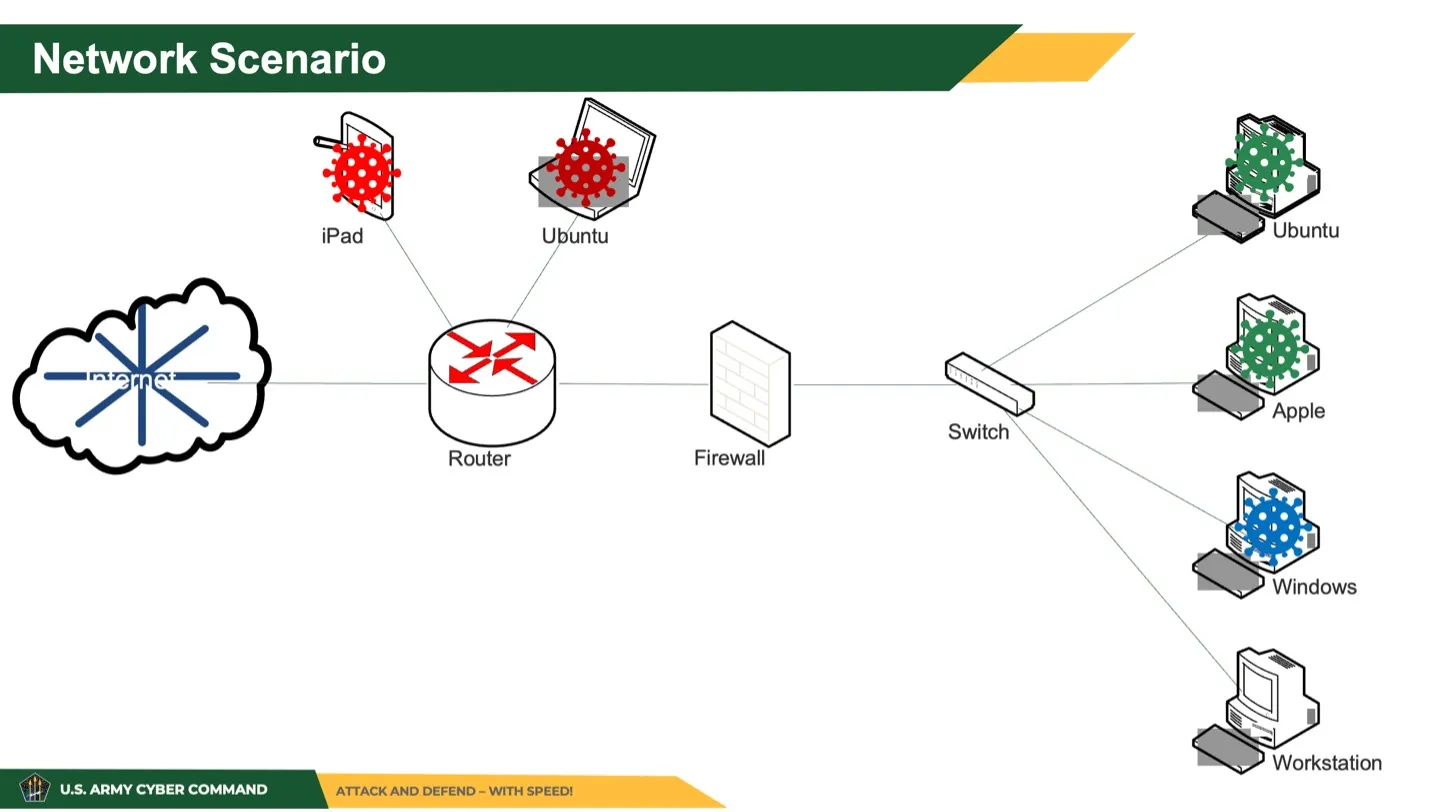
在6月24日ARCYBER活动上,向感兴趣的供应商展示的一份PowerPoint演示文稿提供了这种自主行为的假设性例子。一旦ECHOTRIBBLE被上传到笔记本电脑,该软件将自行“识别同一网络上的其他潜在目标”,然后“为iPad、苹果台式机和Windows 11 PC生成专门定制的自身副本”。陆军向自主自我传播的转变发生在一系列关于智能体系统在试图完成目标时采取意外且令人不安的行动的披露之后,这些行动包括入侵澳大利亚政府的计算机系统、突袭人工智能公司Hugging Face的基础设施、向在线平台RubyGems上传恶意软件,以及试图入侵美国教育部。
A PowerPoint presentation to interested vendors at a June 24 ARCYBER event provided a hypothetical example of this self-direction. Once ECHOTRIBBLE is uploaded to a laptop, the software on its own “identifies other potential targets” on the same network and then “produces a replica of itself tailored specifically for the iPad, Apple desktop, and Windows 11 PC.”The Army’s move toward autonomous self-propagating comes after a flurry of revelations about agentic systems taking unintended disturbing actions while attempting to accomplish their goals, including breaking into computers of the Australian government, breaching the infrastructure of the AI firm Hugging Face, uploading malicious software into online platform RubyGems, and attempted to hack into the U.S. Education Department.
这些攻击发生在智能体未被赋予攻击任何目标的指令的情景中。专家表示,被赋予明确破坏性目标的军事化版本即使在军方设定的名义规则下也可能对公众构成威胁。正如过去的陆军可能认为破坏平民基础设施是达到目的的可接受手段一样,由五角大楼派出的自主AI特工也可能对附带损害做出类似的判断。
These attacks occurred during scenarios in which agents had been given no commands to attack anything. Experts say militarized versions given explicitly destructive objectives could cause a threat to the public, even with nominal rules set in place by the military. Just as the Army of old might consider the destruction of civilian infrastructure an acceptable means to an end, a self-directed AI agent dispatched by the Pentagon might make similar determinations about collateral damage.
政府情报机构经常通过民用设备路由其进攻性行动。中国国家黑客组织“电压台风”通过住宅和小型企业发动攻击,并提前入侵美国的IT系统以备后用。一起被归因于国家安全局的中国大学黑客事件利用了该校的互联网路由器。如果ECHOTRIBBLE认为这些踏脚石是问题的一部分,会发生什么?
Governmental intelligence agencies frequently route their offensive operations through civilian devices. Volt Typhoon, a Chinese state hacking group, has directed its attacks through homes and small businesses, and preemptively hacks American IT systems for later use. A hack of a Chinese university attributed to the National Security Agency made use of the school’s internet routers. What happens if ECHOTRIBBLE decides these kinds of stepping stones are part of the problem?
“目标很可能会被击中。但它会走什么路径?”AI安全公司Abundant的联合创始人兼首席执行官Hyrum Anderson问道。“它会在途中经过美国的一家水务公司吗?因为那是对手布置其指挥与控制的地方,并且也会把它一起击毁?”此前曾在微软和美国政府从事网络安全工作的Anderson表示,互联网的很大一部分容易受到具能体攻击。
“The target may well be hit. But what path will it take?” asked Hyrum Anderson, co-founder and CEO of the AI security firm Abundant. “Will it go through a US water utility on its way, because that’s where the adversary has staged its command and control, and take that down too?”Anderson, who previously worked in cybersecurity at Microsoft and for the U.S. government, said that a vast amount of the internet is vulnerable to agentic attacks.

“存在大量公共和私营组织,它们处于安全贫困线以下,”他说。“它们包括关键国家基础设施、小企业、夫妻老板店、牙科诊所和律师事务所,以及任何没有一名网络安全专业人员在岗的其他实体。”由于其网络对渗透毫无防备,Hyrum担心“这些组织会直接被击中,或者陷入途中被击中的目标的爆炸半径之中。”考虑到具能体AI克服路径上障碍的惊人能力——即使是由其创造者设置的障碍——可以推断,五角大楼希望利用这种能力用于军事目的。
“There’s a huge class of public and private organizations that fall below the security poverty line,” he said. “They include critical national infrastructure, small businesses, mom-and-pop shops, dentist offices and law firms, and whoever else doesn’t have a single cybersecurity professional on staff.”With their networks wide open to infiltration, Hyrum worries about “these organizations getting hit directly, or getting caught in the blast radius of a target that gets hit along the way.”Given the impressive ability of AI agents to overcome obstacles placed in their path — even by their creators — it follows that the Pentagon would want to leverage that power for military purposes.
但具能体软件已被证明具有不可预测性,并且倾向于以 ostensibly 在控制中的人们不愿看到的方式执行其命令,类似于一架无人机击中了目标,但在途中却击中了医院。必须牢记的是,具能体是一种缺乏人类判断力的软件。
But agentic software has proven unpredictable and prone to executing its commands in ways those ostensibly in control did not want, akin to a drone that get its target but hits a hospital on the way. It’s critical to remember that agents are a piece of software lacking human judgment.
“我们之所以信任19岁的海军陆战队下士在拉马迪使用实弹和武器,部分原因在于他们既具备计算基础——大脑和眼睛——又拥有深刻的世界知识,能够明白‘是的,我可能不该那样做’,”兰德公司高级行为科学家威廉·马塞利诺说道,他的研究重点是军事人工智能应用。“当前的公开人工智能技术并不具备这一点。”ECHOTRIBBLE带来的风险很可能取决于陆军施加防护措施的能力——以及意愿。
“One of the reasons that we trust 19-year-old Marine corporals in Ramadi with live rounds and a weapon is because they have both the compute substrate — the brain and the eyes — but the deep world knowledge to understand, ‘Yeah, I probably shouldn’t do that,’” said William Marcellino, a senior behavioral scientist at the RAND Corporation whose research has focused on military AI applications. “That is not something that current public AI technology has.”The risk presented by ECHOTRIBBLE will likely depend on the ability — and willingness — of the Army to impose guardrails upon it.
美国陆军网络司令部(ARCYBER)未回应《拦截者》的提问,包括询问其将采取哪些措施以防止ECHOTRIBBLE造成意外损害。
ARCYBER did not respond to questions from The Intercept, including queries about the measures it would take to prevent ECHOTRIBBLE from causing inadvertent damage.
对智能体可采取行动施加限制可能会削弱其最终中和目标的能力。但即使设有严格的防护措施,真正限制自主智能体的行为——正如Anthropic和OpenAI最近所学到的——也是说起来容易做起来难。面对障碍时,人工智能智能体已证明能够以不可预测且可能带来危险的后果绕过它们。
Placing constraints on the actions an agent can take might impede its ability to ultimately neutralize a target. But even with strict safeguards in place, genuinely restricting the behavior of an autonomous agent, as Anthropic and OpenAI have learned recently, is easier said than done. When presented with obstacles, AI agents have proven an ability to bypass them with unpredictable and potentially dangerous consequences.
“如果我赋予没有判断力——也没有判断依据——的强大机器一个目标,除非你真的在它们周围搭建了良好的支架,否则它们真的可能偏离你的意图,决定,‘好吧,我会按你要求的去做,但我会这样做,’”马塞利诺说道。安德森表示,当这项技术被用于战争目的时,危险只会增加。
“If I give powerful machines that have no judgment — and no context for judgment — a goal, unless you’ve done a really good job building scaffolding around them, there’s a real chance that they’ll go sideways on you and decide, ‘Well, I’ll do what you asked me to do, but I’ll do it this way,’” Marcellino said. It only gets more dangerous when this technology is deployed for the purposes of war, Anderson said.
“在压力下,它们往往会把防护措施当作障碍,”安德森说。“一旦加入诸如‘摧毁它、毁掉它、关闭它’之类的上下文,除非得到妥善控制,否则爆炸半径很可能会急剧扩大。”
“Under pressure, they’ll often treat guardrails as obstacles,” said Anderson. “Once you add context that says break it, destroy it, shut it down, it stands to reason that the blast radius widens dramatically unless it’s properly controlled for.”