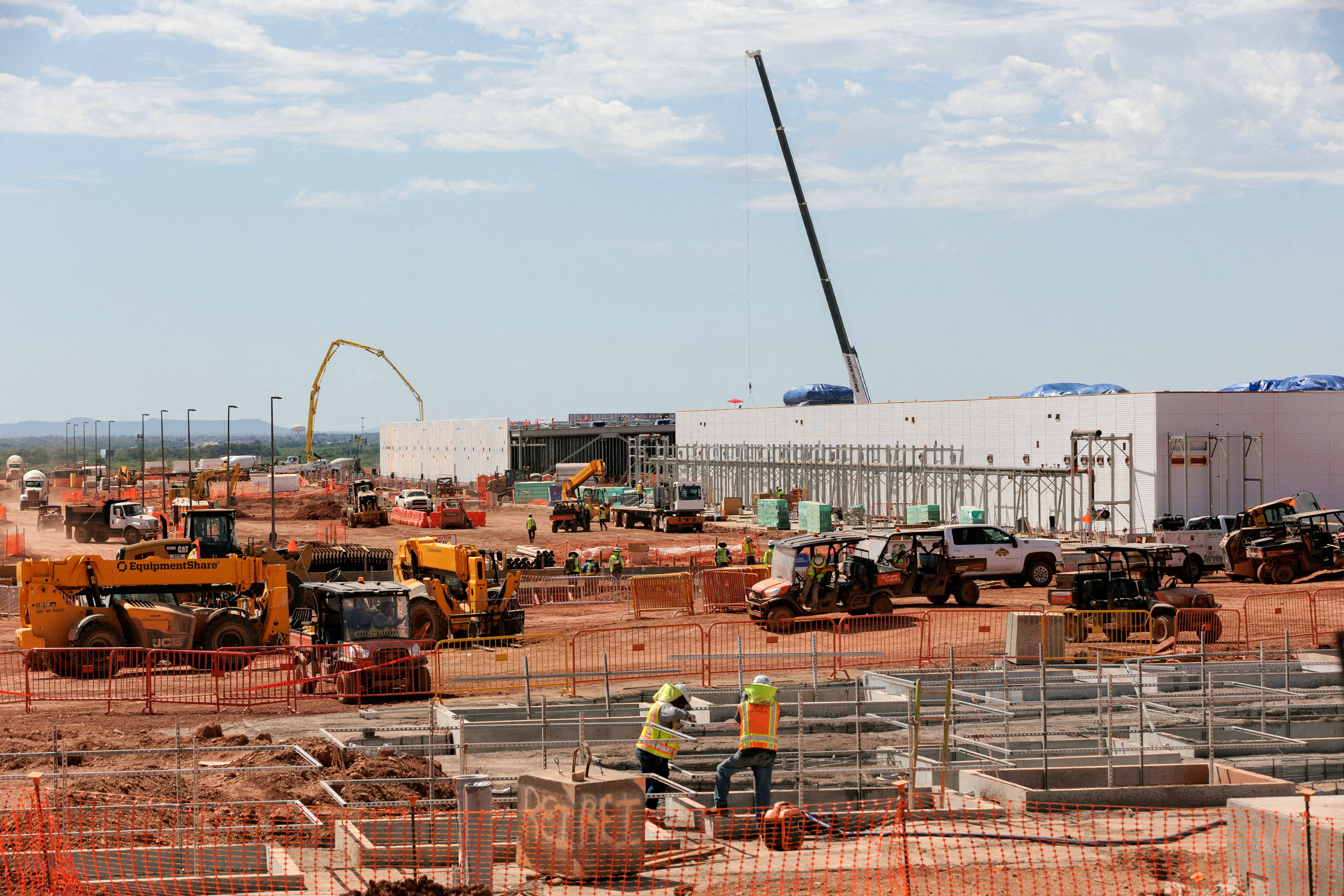
人工智能产业的蓬勃发展日益受到美联储的关注;这一趋势被认为正在推高通胀率。因此,中央银行家们面临着一个棘手的挑战:他们需要通过调控经济来缓解通胀压力。然而,像亚马逊(Amazon)、苹果(Apple)和Anthropic这样的知名企业似乎对加息措施具有“免疫力”,它们的业务发展并未受到明显影响。
The artificial intelligence boom, increasingly acknowledged at the Federal Reserve as helping drive inflation, has left central bankers faced with cooling the rest of the economy to lower price pressures amplified by an industry of marquee names like Amazon, Apple and Anthropic considered immune to rate hikes.
美联储官员们明白,加息这一“强硬手段”会对不同群体产生不同的影响。由于人工智能企业资金充裕、支出意愿强烈,经济学家指出加息的负面影响主要会落在那些更依赖信贷的企业和家庭身上,以及那些因借贷成本上升而不得不调整投资计划的小型和中型企业身上。
Fed officials know their blunt tool of raising borrowing costs lands unevenly. With AI firms spending as if money is no object, economists see the pain of rate hikes falling elsewhere, on firms and families more reliant on credit, or small- and medium-sized businesses that temper their investment plans as borrowing costs escalate.
ADP首席经济学家内拉·理查森(Nela Richardson)在谈到美联储设定的2%通胀目标时表示:“实现这一目标确实存在可行的途径,但并非所有途径都可行。”她举例指出,房地产市场已经处于疲软状态,而劳动力市场也不太可能通过工资上涨成为通胀的来源。
"There are paths to get there," ADP Chief Economist Nela Richardson said of the Fed's 2% inflation goal, unmet for more than five years. "It's just not every road is open," with the housing market already weak, for example, and the labor market not seen as a source of inflation through rising wages.
“那么,受影响最大的群体是谁呢?当然是小型企业,因为它们需要银行贷款;还有那些依赖债务和信用卡来支付日常开支的消费者……也许还有股市。”她补充道,“股市虽然能够支撑富裕家庭的消费支出,但往往容易受到加息的影响。”
"What's left? Small businesses, because they need bank loans, consumers who need to fund payments out of debt and credit cards...Maybe the stock market," seen as supporting consumer spending for wealthier households but often vulnerable to rising rates, she said.
事实上,上周股市出现了下跌——一份出乎意料的强劲通胀数据加剧了市场对于美联储将不得不进一步加息的预期。
Stocks dropped last week, in fact, after an unexpectedly strong inflation report added to expectations the Fed will have to raise rates higher.
克利夫兰联邦储备银行行长贝丝·哈马克(Beth Hammack)最近指出,股市涨幅放缓以及人工智能产业之外的经济增长放缓,可能是加息对经济产生抑制作用的途径。“我支持经济增长,但我并不想完全阻止经济增长;我只是希望将其增速控制在不会过度加剧物价压力的范围内。”哈马克上周一对路透社表示。
Cleveland Fed President Beth Hammack recently pointed to tempered stock market gains and slowed activity outside the AI boom as ways higher rates could cool the economy "at the margins." "I like growth...I'm not trying to stop growth. I'm just trying to pull it back a little bit so that it's moving at a pace that doesn't put too much pricing pressure out there," Hammack told Reuters last Monday.
哈马克(Hammack)等人在美国全国商业经济协会(National Association for Business Economics)的会议上发表的评论,进一步探讨了美联储加息这一议题中较少被关注的一个方面:更高的借贷成本会通过哪些途径影响当前的经济环境,从而导致通胀增速放缓?
The comments by Hammack and others at a National Association for Business Economics conference flesh out what has been a less-discussed aspect of Fed rate hikes: In what ways could higher borrowing costs filter through today's economy and lead to slower inflation?
美联储将于10月27日至28日召开会议,预计会维持3.75%至4.00%的利率水平。美联储官员表示,未来可能还需要进一步加息,并正在讨论加息的节奏和幅度。
The Fed meets October 27-28 and is expected to keep rates steady at 3.75%-4.00%. Fed officials say further hikes are likely needed and are now debating the pace and extent.
美联储主席凯文·沃什(Kevin Warsh)上周在泰国举行的国际货币基金组织(IMF)会议上指出,尽管未来财富和生产率有望提升,但人工智能(AI)领域的投资仍会对价格和需求产生冲击。“作为一名中央银行家,如果你的职责是确保物价稳定和充分就业,就必须承认这种冲击的存在,”沃什说。
Fed Chairman Kevin Warsh, speaking last week at an International Monetary Fund meeting in Thailand, acknowledged AI investment was a "shock" to prices and demand even if he sees wealth and productivity gains "over the horizon." "If you're a central banker and you're in the business of trying to ensure stable prices and full employment, you've got to recognize this as a shock," Warsh said.
然而,沃什并未详细说明美联储应如何应对不断加剧的价格压力,也没有详细解释这种压力会对整个经济体系产生何种影响——尤其是考虑到该行业明年预计将投资约1万亿美元(约占国内生产总值的3%)。
What he didn't speak to was how the Fed might need to react to the building price pressures, and what that means beyond the borders of an industry expected to invest about $1 trillion next year, roughly 3% of gross domestic product.
在上个月的政策会议后的新闻发布会上,沃什表示,他认为美联储“无需对劳动力市场造成负面影响”就能将通胀率降至2%。今年早些时候,他还指出房地产和农业行业已经受到更高借贷成本的冲击;不过他并未将当前的信贷环境视为“限制性因素”。目前尚未明确的是:更高的利率究竟会如何抑制通胀,以及这些经济影响会具体体现在哪些领域。
At his press conference after last month's policy meeting, Warsh said he did not think the Fed would "need to do harm to the labor markets" to return inflation to 2%. Earlier in the summer he noted housing and agriculture were "showing strains" from higher borrowing costs, even though he did not consider credit conditions "restrictive." What he has not detailed is in what way higher rates might lower inflation or where any economic pain might be felt.
“沃什曾表示他认为通胀与失业率之间不存在矛盾——这一点确实需要进一步解释,”前芝加哥联邦储备银行行长查尔斯·埃文斯(Charles Evans)在NABE的央行研讨会上指出。“为降低通胀而提高利率所带来的风险和后果是众所周知的。”事实上,减少就业机会与降低通胀之间的权衡并不总是那么明显(即这种权衡并不总是非常显著)。
"Warsh has said he does not see a conflict between inflation and unemployment. This is worthy of more explanation. Full stop," former Chicago Fed President Charles Evans said at a NABE central bank panel. "The risks and consequences of raising interest rates higher to bring down inflation are well known." The trade-off between fewer jobs and less inflation has not always been dramatic.
从新冠疫情时期的高通胀下降仅导致失业率出现温和上升。由于企业不愿裁减在疫情期间难以招聘的员工,以及现任总统唐纳德·特朗普的移民政策抑制了劳动力增长,失业率已在4.0%至4.3%的低位区间徘徊超过两年。
The decline from high COVID-19-era inflation generated only a modest rise in unemployment. Between firms' reluctance to shed workers that had been hard to hire during the pandemic and now President Donald Trump's immigration policies suppressing labor force growth, the unemployment rate has stayed in a low 4.0%-to-4.3% range for more than two years.
这使得美联储官员相信,他们可以在不导致失业率大幅上升(甚至根本不上升)的情况下加息。但这也意味着一种典型的降低通胀途径——随失业率上升而可能出现的消费者支出放缓——也可能被堵死。
That has given Fed officials confidence they can raise rates without causing unemployment to rise much, if at all. But it also means one typical avenue to lowering inflation — the slowed consumer spending that would likely follow rising joblessness — may also be closed.
包括里士满联储行长汤姆·巴尔金和圣路易斯联储行长阿尔贝托·穆萨勒姆在内的政策制定者认为,通胀可能在不对增长、消费或就业造成严重冲击的情况下下降。他们主张,一个能够落实加息的有信誉的中央银行,可能促使企业和家庭抑制工资和价格需求,从而导致通胀下降。
Policymakers including Richmond Fed President Tom Barkin and St. Louis Fed President Alberto Musalem contend inflation could fall without hitting hard at growth, consumption or jobs. A credible central bank that follows through on rate hikes, they argue, could cause businesses and households to temper wage and price demands, leading to lower inflation.
哈马克及其他人士指出,挑战在于需求可能正在攀升,而且不仅仅局限于人工智能公司。
The challenge, Hammack and others have suggested, is demand may be ramping up, and not just within AI firms.
一批广泛的公司正从人工智能热潮中受益,特别是那些建设数据中心或为其制造零部件的公司,订单满档,需要投资以满足供应。
A broad set of companies is benefiting from the AI boom, particularly those building data centers or making components for them, with order books crammed and investment needed to meet supply.
“积压订单是真实存在的,”克利夫兰基地的KeyCorp首席执行官克里斯托弗·戈尔曼对NABE与会者表示。商业客户会先列出他们面临的风险,包括移民和关税,“然后他们会谈论生意有多好”,并制定包括投资和涨价在内的计划。
"The backlogs are real," Christopher Gorman, Cleveland-based KeyCorp's chief executive, told NABE attendees. Commercial clients will tick off the risks they face including immigration and tariffs, "then they'll talk about how good business is" and lay out plans for both investments and price hikes.
影响通胀的因素可能对美联储有利,包括任何降低油价的伊朗战争解决方案、特朗普推行关税政策的暂停,或者在当地反对声音日益增大的情况下,更为审慎的数据中心建设。
Factors affecting inflation could break the Fed's way, including any resolution to the Iran war that lowers oil prices, a halt in Trump's drive to impose tariffs, or a more-measured data-center buildout given swelling local opposition.
Wellington Management的宏观策略师Juhi Dhawan指出,财政政策即将发生变化,这些变化可能会产生积极影响:政府将削减公共卫生方面的支出,并取消一些占GDP约0.5%的税收优惠措施。
Juhi Dhawan, macro strategist at Wellington Management, also noted coming changes in fiscal policy that may help, with cuts coming to public health benefits and expiring tax breaks worth about 0.5% of GDP.
不过,这并不意味着实现2%的通胀目标会是一帆风顺的。她表示,除了那些在人工智能领域具有领先优势的企业外,其他企业的股市表现并不强劲;预计明年企业的盈利情况也不会乐观,而且有迹象表明低收入消费者的消费意愿正在减弱。
But that doesn't make the path to 2% inflation painless. The stock market beyond AI hyperscalers has not been that robust, she noted, corporate earnings are not expected to be as strong next year, and there's some evidence lower-income consumers are close to pulling back.
Dhawan认为:“如果房价继续下跌,建筑行业(尤其是数据中心建设领域)的景气度也会进一步下滑;许多非人工智能领域的企业可能会面临融资困难。”对于消费者而言,由于经通胀调整后的工资水平基本停滞不前,他们的购买力实际上处于疲软状态。
Inflation abates, "if housing takes another leg lower, construction probably outside of data centers takes another leg lower, and many non-AI businesses might find the cost of funding prohibitive," Dhawan said, while for consumers "there's a fragility underneath because wages adjusted for inflation are flatlining at best."