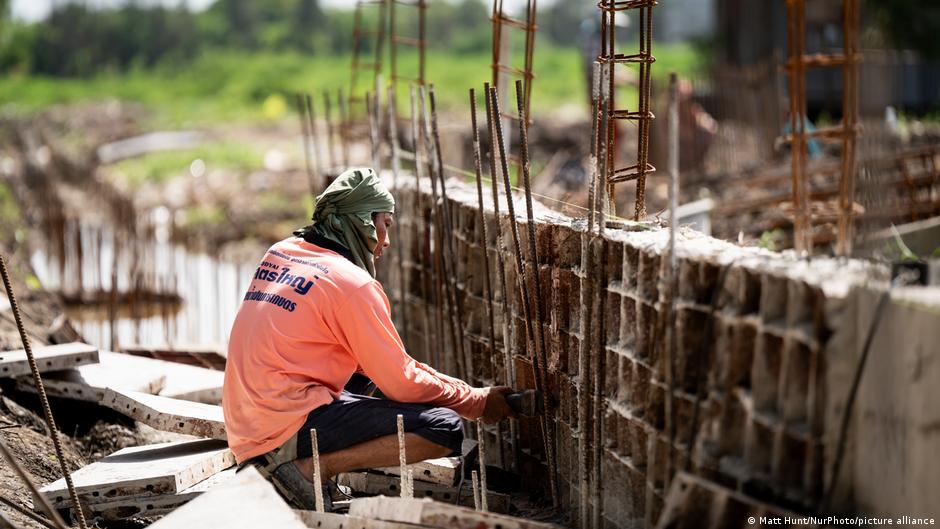
- 一年前,泰国允许来自缅甸的长期滞留难民合法工作。难民及人权组织对这一举措表示欢迎,但也指出该计划在第一年就暴露出诸多问题。
Zsombor Peter October 19, 2026 A year ago, Thailand granted long-staying refugees from Myanmar the right to work legally.
- 泰国的这项就业政策使数千名居住在难民营中的缅甸难民能够养活自己和家人。
Refugees and rights groups welcome the move but say the program's first year has exposed significant shortcomings.
- 与大多数在曼谷建筑工地工作的外国工人不同,31岁的雷·博(Ray Boe)是从缅甸难民营来到泰国的;这些难民营位于泰国边境附近,自20世纪80年代难民开始涌入以来,已有超过10万人居住在那里。
Thailand's work program has allowed thousands of Myanmar refugees living in camps to support themselves and their families [FILE: May 28, 2024] At a glance, Ray Boe doesn't stand out from the tens of thousands of other foreign workers toiling at countless construction sites that push Bangkok's soaring skyline ever higher.
-
在2025年10月之前,泰国政府禁止难民离开难民营去工作,迫使他们依赖外国援助生存。
-
随着外国援助(尤其是美国的援助)的减少,泰国政府被迫削减对难民营的食品和医疗支持,这迫使政府改变政策,允许难民在难民营外工作。
Unlike most of them, though, the 31-year-old came to Thailand 's capital from one of the country's nine camps for refugees who have fled decades of civil strife in Myanmar The camps, which hug the Thai- border, are home to more than 100,000 people — in some cases since the 1980s, when the refugees first started arriving.
- 泰国政府表示,在该政策实施的第一年里,已有6,800名难民营难民进入了泰国劳动力市场。
翻译:
Until a year ago this month, the Thai government had refused to let them leave the camps to find work, forcing most to live hand-to-mouth on foreign donor aid.
2026年10月19日,Zsombor Peter:一年前,泰国允许来自缅甸的长期滞留难民合法工作。难民及人权组织对这一举措表示欢迎,但也指出该计划在第一年就暴露出诸多问题。
That changed in October 2025, after foreign aid cutbacks— mostly by the United States — forced the camps to slash the food support and healthcare they could provide.
背景说明:泰国的这项就业政策使数千名居住在难民营中的缅甸难民能够养活自己和家人。雷·博与其他在曼谷建筑工地工作的外国工人并无太大区别,但他来自缅甸的难民营。这些难民营位于泰国边境附近,自20世纪80年代难民开始涌入以来,已有超过10万人居住在那里。
New Thai labor scheme offers hope for Myanmar refugees To view this video , and Around the same time, fighting between Thailand and Cambodia over territorial claims had sent hundreds of thousands of migrant workers from Cambodia back home leaving behind a yawning labor gap. Myanmar refugees allowed to work outside of camps To cope with the aid cuts and labor deficit, the Thai government reversed decades of policy and began issuing the refugees permits to work outside the camps to help them meet their own needs.
在2025年10月之前,泰国政府禁止难民离开难民营去工作,迫使他们依赖外国援助生存。然而,由于外国援助的减少(尤其是美国的援助削减),泰国政府被迫削减对难民营的食品和医疗支持,这迫使政府改变政策,允许难民在难民营外工作。
Ray Boe is one of the 6,800 camp refugees the government said have entered the Thai labor force in the first year of the program.
总结:泰国政府允许缅甸难民在难民营外工作,以应对援助减少和劳动力短缺的问题。这一政策的变化为缅甸难民带来了新的希望。
"After the cuts by USAID and other organizations there is no more regular support for our daily needs, like rice and other rations. And there is not enough healthcare in the camps anymore," he said.
“美国国际开发署和其他组织的削减导致我们日常需求(如大米和其他口粮)没有了常规支持。而且,营地里的医疗也不够了,”他说。
The cuts forced him and his parents to borrow from neighbors and to pare down their already modest meals.
这些削减迫使他和父母只能向邻居借钱,并进一步缩减他们本来就很微薄的餐食。
Underpaid and overworked: Myanmar migrants in Thailand Since last month, he has earned 400 baht (about $12) a day pouring concrete and erecting scaffolding around what's to be a 12-story apartment building in central Bangkok.
薪资低、工作量大:泰国的缅甸移民自上个月起,他在曼谷市中心一栋将建成12层公寓楼的工地上浇筑混凝土、搭设脚手架,每天收入400泰铢(约合12美元)。他希望很快能开始往家里汇款。
He hopes to start sending money home soon.
“这将帮助我们支付食物和其他基本需求的费用,以及为父母提供医疗保健,”雷·博说。
"It will help us pay for food and other basic needs, and for health are for my parents," Ray Boe said.
“与之前在营地里的生活相比,这将是一个巨大的改变,我将有自己的收入,能够独立养家,不必每天依赖他人来维持生计,”他对德国之声说。
"Compared to how we were living in the camp before, it will be a big difference, having my own income and supporting my family on my own, not having to wait for other people to support us day to day," he told DW.
难民工作计划带来希望,但起步艰难该计划允许难民在泰国76个省份中的43个省份工作,并在法律未专门保留给泰国公民的任何行业就业。
Refugee work program offers hope, but faces a rocky start The program allows the refugees to work in 43 of Thailand's 76 provinces and in any sector not reserved by law for Thai citizens only.
外交部表示,政府已改善了营地内的职业培训,以更好地为难民在营外就业做准备。
The Ministry of Foreign Affairs said the government has improved the vocational training on offer inside the camps to better prepare refugees for work outside.
“我们希望这项政策能够提升机会,赋能[难民]实现自身潜力,同时也为泰国的社会经济发展作出贡献,”外交部信息部发言人巴颂·瓦恩卢昂说。劳工和难民权利团体欢迎该计划。
"We are hopeful that this policy would enhance opportunities and empower the [refugees] to realize their potential, as well as contribute to Thai socioeconomic development," said Praporn Waenluang, a spokesman for the ministry's information department. Labor and refugee rights groups have welcomed the program.
“我遇到了很多曾经住在营地、现在出来工作的[难民]。他们很高兴能工作赚钱,相比他们在营地能拿到的收入,现在赚得多得多,”国际拘禁联盟泰国项目协调员西瓦翁·素克塔维说。
"I have met a lot of camp [refugees] who have come outside and worked. They are so happy to work and earn money, a lot of money compared to what they [can] get in the camp," said Siwawong Sooktawee, Thailand project coordinator for the International Detention Coalition.
“这很好,因为他们觉得自己能自力更生,能自给自足,不再依赖援助,”他补充道。
"This is good because they feel they can help themselves, they can support themselves, not depend on aid anymore," he added.
在泰国的缅甸工人难以合法工作,但他和其他人表示,该项目起步缓慢,有许多缺陷需要解决。
Myanmar workers in Thailand struggle to work legally Yet he and others have said the program has gotten off to a slow start, with many flaws to work out.
他们表示,许多参与该项目的难民没有从雇主那里拿到合同,结果发现条件比离开营地前承诺的更艰苦、工作更辛苦、工资更低。观察人士称,该项目也缺乏明确的投诉和安置机制。
They said many of the refugees who have taken part have not been given contracts by their employers, only to find the conditions rougher, the work harder, or the pay lower than what they were promised before leaving the camps. The program also lacks a clear system for lodging and settling complaints, according to observers.
“许多难民去了又回来,去了又回来,反复很多次。有些难民,他们的家人不得不在难民营里筹钱或借钱,好让他们的父亲或家人能够回来,”克伦妇女组织秘书长K'nyaw Paw说。该组织是一家为非政府组织,服务于营地中的克伦族群体。
"Many refugees go, come back, go, come back so many times. Some refugees, their families have to raise funds or borrow money in the refugee camps so that their father or their family member will be able to return," said K'nyaw Paw, general secretary of the Karen Women's Organization, an NGO serving the camp's ethnic Karen group.
缅甸难民承受的经济负担Siwawong和K'nyaw Paw表示,难民有时被迫通过工资扣款来偿还雇主为他们支付的费用,包括体检、政府许可和前往工作地点的交通费。结果,他们往往一开始工作就已经负债,有时事先并未被告知。
Financial burdens placed on Myanmar refugees Siwawong and K'nyaw Paw said refugees are sometimes made to repay employers through wage deductions for hiring them, including medical exams, government permits and transportation to job sites. As a result, they often start work already in debt, sometimes without prior warning.
Akwah是两个孩子的父亲,只使用一个名字。2025年11月,他和其他20名难民离开营地,本应前往该国另一侧的一个农场收割甘蔗,每天工资250泰铢。
Akwah, a father of two who goes by one name, left his camp with 20 other refugees in November 2025 for what was supposed to be a job harvesting sugarcane on a farm on the other side of the country for 250 baht per day.
然而,他说,到达后他却被要求砍伐桉树——一项困难得多也危险得多的工作——每天只有200泰铢。工人们不得不露宿户外,没有电,只能靠附近的一个池塘取水。
When he arrived, however, he was told to cut eucalyptus trees — a much more difficult and dangerous job, he said — for only 200 baht per day. Workers had to sleep outdoors, with no electricity and only a nearby pond for water.
“我们跟老板说了,但老板不在乎。他说:‘既然你们已经来了,就干吧。’但我们说我们干不了,”Akwah说。他们三个月后离开了。
"We spoke to the boss, but the boss did not care. He said, 'Just do the work because you are already here.' But we said we could not do it," said Akwah. They left after three months.
外交部没有回复德国之声就该项目的据称问题置评的请求。主要负责监管该项目的劳工部和内政部也没有回复采访请求。
The Ministry of Foreign Affairs did not reply to DW's request for comment on the program's alleged problems. The Labor and Interior ministries, which mainly oversee the program, did not reply to requests for an interview either.
人权组织指出,该计划仍有待完善。西瓦翁与克尼奥·帕乌表示,参与该计划的难民理应获得清晰且详尽的劳动合同——必要时需将合同翻译成缅甸语、克伦语或克伦尼语等难民营中常用的语言——同时还应建立便于使用的投诉处理机制。
Rights groups say program still needs to improve Siwawong and K'nyaw Paw said refugees who take part should be guaranteed clear and detailed contracts — translated if needed into Burmese, Karen or Karenni, the main languages spoken in the camps — and an easy-to-access system for filing and settling complaints.
他们还建议政府将更多省份纳入该计划实施范围,并对作为中介、为难民营提供服务的职业介绍机构进行严格审查,以剔除那些品行不端的机构。
They also suggest that the government open more provinces up to the program and screen the job brokers coming to the camps as middlemen, to weed out the unscrupulous ones.
他们称,自己所在的非政府组织及其他机构正与政府合作推进相关改进措施,并期望该计划能随着时间推移不断完善,从而让更多难民有意愿且能够参与其中。
They said their NGOs and others are working with the government on making some of the upgrades, and that they're hopeful the program will improve with time, so that more of the refugees are able and willing to take part.
尽管该计划存在诸多缺陷,但他们表示大多数难民依然渴望申请参与,即便是那些曾遭遇过麻烦的人也不例外。
The Thailand-Myanmar border clinic for people fleeing war For all the program's flaws, though, they said most of the refugees are still eager to apply, even those who have run into problems.
“我有过不愉快的经历,但我仍想再次参加,因为难民营里的食物供应实在成问题,”穆达希特说道。她曾在工作中生病,但因雇主拒绝履行该计划所规定的医疗保险义务,她不得不辞职。
"I had a bad experience, but I still want to go again, because food in the camp is a problem," said Mu Dah Hsit, who fell ill at her job and had to quit after her boss refused to cover the health insurance the program is supposed to guarantee.
“我没有母亲,父亲身患重病,还有兄弟姐妹需要我照顾,”她补充道,“所以我必须去;否则我们根本活不下去。”
"I have no mother, and a father who is sick, and siblings I have to take care of," she said. "So, I have to go; otherwise, we cannot live."