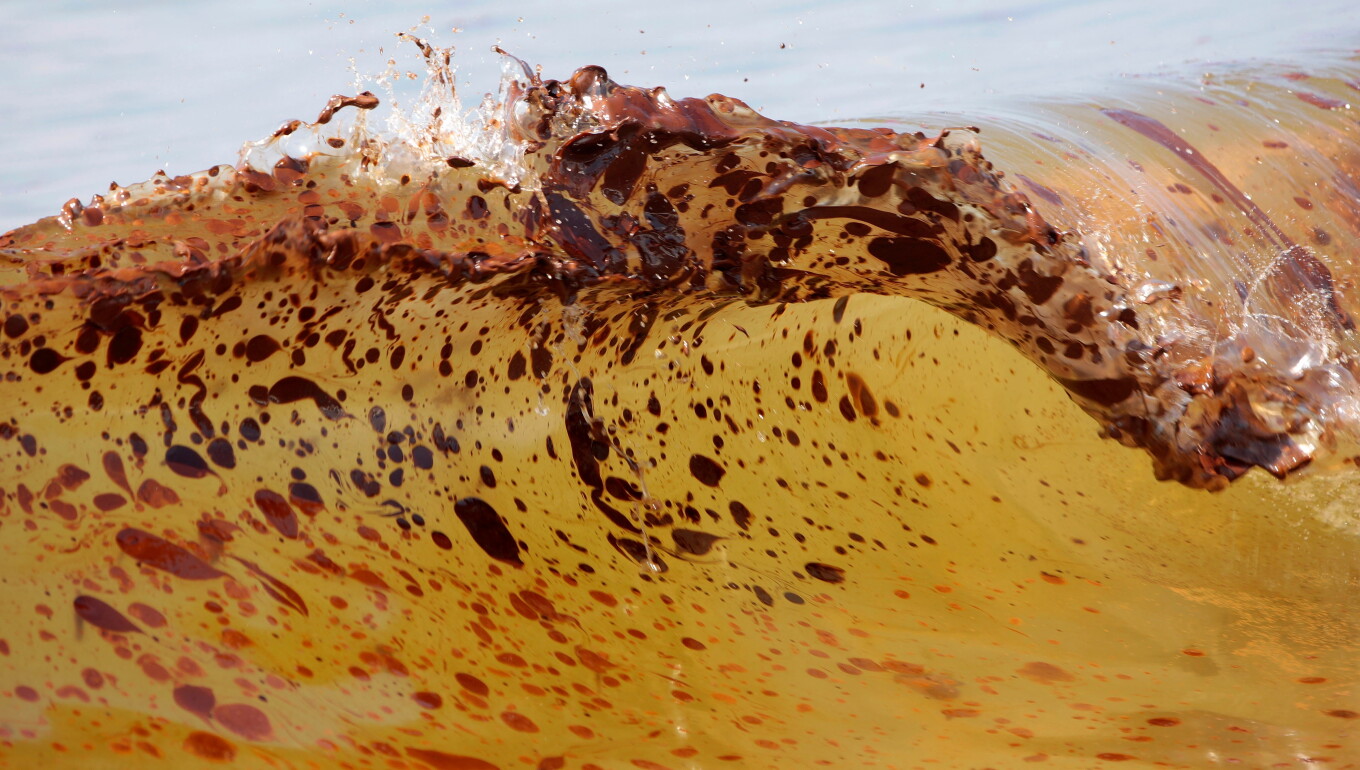
塞思·博伦斯坦 华盛顿 — 一项新研究发现,在墨西哥湾深邃黑暗的区域,海洋动物数量在2010年深水地平线爆炸事故之后的几年里骤降了约60%。
SETH BORENSTEIN WASHINGTON — In a deep, dark part of the Gulf of Mexico, the number of marine animals plummeted by about 60% in the years following the 2010 Deepwater Horizon explosion , a new study found.
在墨西哥湾光照表面与最深黑暗区域之间的关键部分,即BP运营的油井失效并倾倒了1.34亿加仑石油的区域,研究发现,从泄漏事故第二年到2015年,该地区发现的鱼类数量下降了63.5%。甲壳类动物,包括虾和磷虾 — — 鲸鱼的重要食物来源 — — 下降了62%,而较大的动物如乌贼和章鱼则下降了59.7%。该研究于周一发表在《美国国家科学院院刊》杂志上。研究还发现,这些种群数量尚未接近恢复。
In a crucial part of the Gulf between the light surface and the darkest depths, where the BP-operated well failed and dumped 134 million gallons of oil , the number of fish found dropped by 63.5% from the year after the spill to 2015. Crustaceans, including shrimp and krill, a key food for whales, went down 62%, and larger animals like squid and octopuses fell 59.7%, according to a study published Monday in the journal PNAS. And those populations haven’t come close to recovering, the study found. Researchers focused on the ocean’s “twilight zone,” a vast area above the seafloor, where much of the surface marine life, including dolphins and whales, feast on creatures.
研究人员聚焦于海洋的“暮光带” — — 一个位于海床之上的广阔区域,海豚和鲸鱼等大量表层海洋生物在此捕食生物。然而,人们对这个巨型生态系统了解甚少,且墨西哥湾这一地区在2010年泄漏事故之前从未被研究过,研究的主要作者、诺瓦东南大学的生物海洋学家特蕾西·萨顿表示。
Yet little is known about this gigantic ecosystem, and this region of the Gulf had not been studied before the 2010 spill, said study lead author Tracey Sutton, a biological oceanographer at Nova Southeastern University.
该研究引用的一项2011年泄漏后的探索行动使用了六组不同深度的网以及声纳设备,使科学家们对表层至5000英尺深(约1500米)区域的海洋生物量有了较好的了解。他们三年半后再次携带相同设备返回同一地点进行调查,发现海洋生物量仅为2011年的三分之一到四分之一。
A 2011 post-spill exploration cited in the research, which used six sets of nets at different depths and acoustic sonar, gave scientists a good sense of how much sea life was in the area between the surface and 5,000 feet deep (1,500 meters). They returned to the same place with the same equipment three-and-a-half years later and found sea life was between one-third and one-quarter of what it was in 2011.
“我们看到这种大幅下降,”萨顿说。“问题在于为什么?于是我们检查了所有我们认为可能解释这一现象的自然变量,即温度、氧气供应和食物。这些变量都没有随下降而变化。唯一与下降相关的事件是石油泄漏。因此我们认为,石油泄漏是导致下降的最可能原因。”萨顿说,研究人员自2015年以来一直在持续采样,种群数量一直处于低位,2022年和2023年略有回升,但这一回升既不具有统计学意义,也不具持续性。
“We saw this big decline,” Sutton said. “The question was then why? So we looked at all of the natural variables we thought could account for it, namely temperature, oxygen supply and food. None of those vary with the decline. The event that did was the oil spill. So we think that’s the most likely cause of the decline.”Researchers kept on sampling since 2015 and the low populations remained, with a slight rise in 2022 and 2023 that did not prove statistically significant or lasting, Sutton said.
萨顿团队通过三种不同的证据记录了种群数量的下降:渔网捕获的样本、声纳探测结果以及遗传研究,后者显示该物种因近亲繁殖而遗传多样性下降。
Sutton’s team documented the population declines with three different lines of evidence: what they caught in the nets, what their acoustic sonar found and genetic studies showing the species losing genetic diversity because of inbreeding.
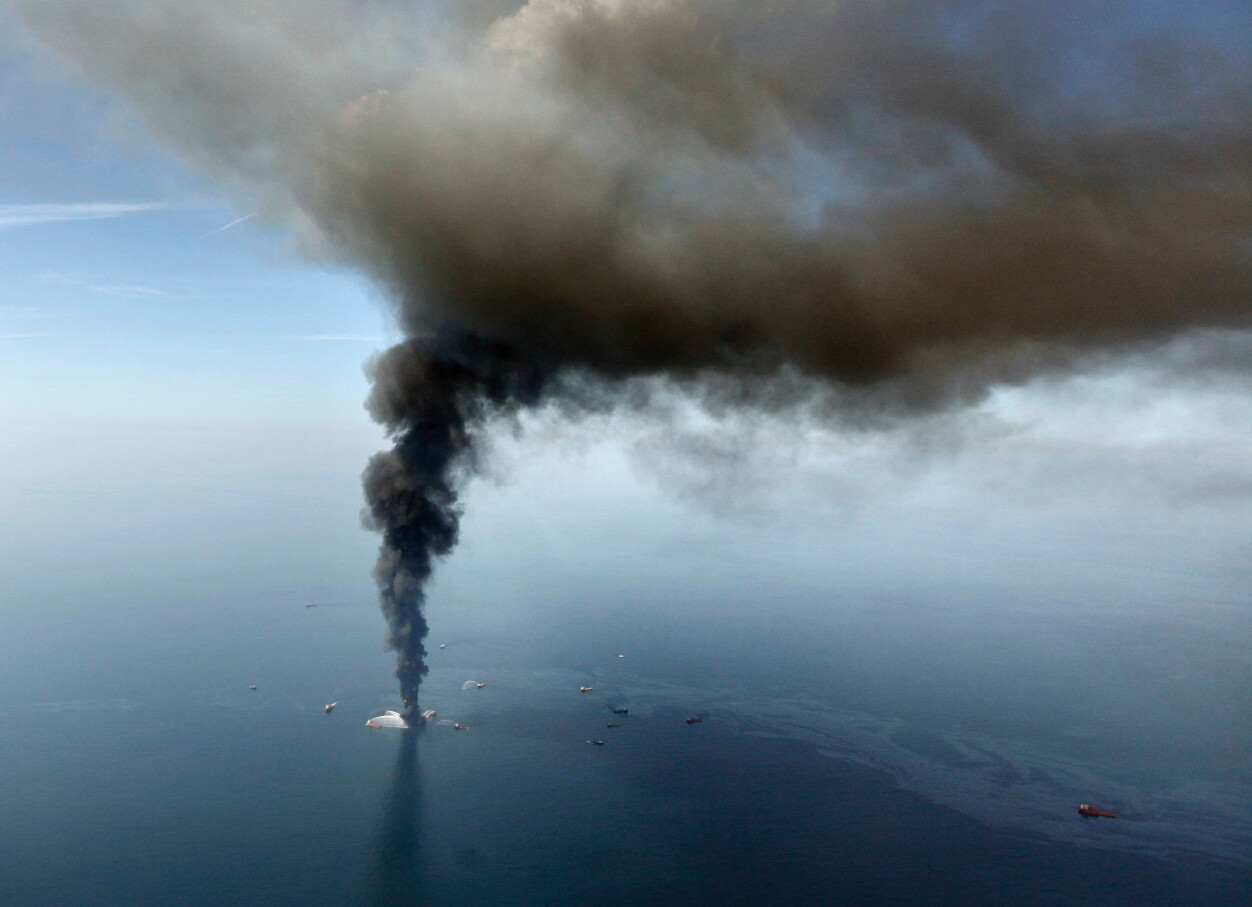
萨顿表示,爆炸导致大量海洋生物瞬间死亡,造成11名工人遇难,随后近五个月的石油和天然气泄漏进一步加剧了影响。这些污染物被幸存者的卵体吸收,后续世代的生物因而变得更加脆弱和虚弱。
A lot of marine life died instantly after the explosion, which killed 11 workers, and from nearly five months of leaking oil and gas. Those pollutants got stored in the eggs of survivors and subsequent generations of critters got more compromised and weaker, Sutton said.
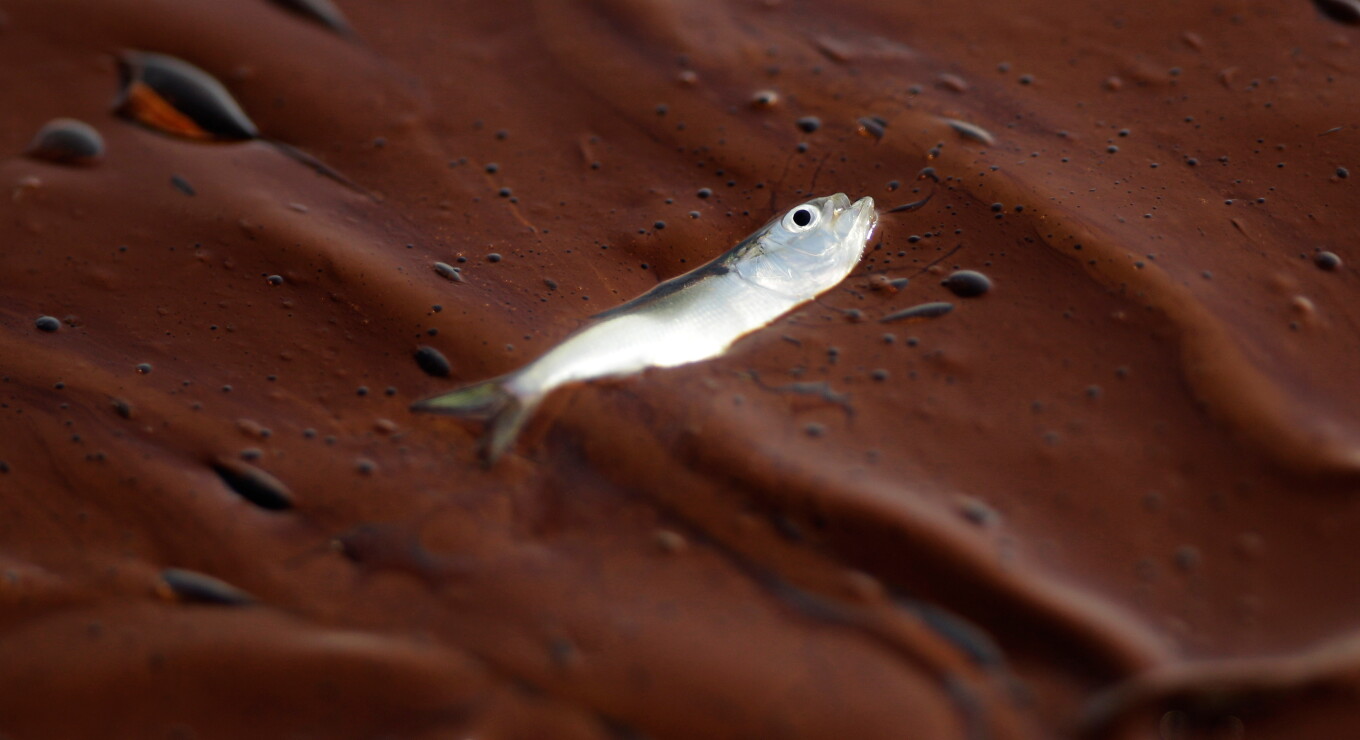
BP发言人保罗·塔卡哈希表示,这次事故“永远改变”了公司:“我们已经做出了许多改变,旨在帮助防止类似事件再次发生。”研究共同作者、南卡罗来纳大学化学海洋学家伊莎贝尔·罗梅罗表示,石油和用于清理泄漏的分散剂都对鱼类造成伤害,但作用方式不同。石油具有更高的毒性,构成整体威胁;而分散剂会将石油分解成更小的油滴,增加生活在深层水柱中的动物暴露程度。
BP spokesperson Paul Takahashi said the accident “forever changed” the company: “We have made many changes intended to help prevent an event like this from ever happening again.”Both the oil and the dispersants used to clean the spill hurt fish, but in different ways, said study co-author Isabel Romero, a chemical oceanographer at the University of South Carolina. Oil is more toxic and an overall threat, but the dispersant breaks the oil into smaller droplets, increasing the exposure of animals that live in the deeper water column, she said.
前美国国家科学基金会主任、马里兰大学环境微生物学家丽塔·科尔韦尔表示,分散剂引发了许多问题,新研究表明,未来类似事故中应避免使用这些化学品,而是应添加能促进食油微生物生长的剂剂。她曾主持一个为期十年、耗资5亿美元、由BP资助的项目,以研究石油泄漏的影响。
Dispersants caused many problems, and new studies show that in future accidents, it would be better to avoid those chemicals and instead add agents that increase oil-munching microbes, said former National Science Foundation Director Rita Colwell, a University of Maryland environmental microbiologist who headed a 10-year, $500 million BP-funded program to study spill effects.
萨顿表示,他的团队无法证明这次石油泄漏与具体事件之间存在直接的因果关系,但通过排除其他可能性并分析事件发生的时间顺序,可以逻辑上推断出这次泄漏确实是导致问题的原因。
Sutton said his team couldn’t prove an exact causal link to the BP oil spill, but by eliminating the other possibilities and looking at the timing, it’s logically clear that the spill caused the problem. The krill population dropped 72%.
萨顿指出,磷虾的数量减少了72%;那些身体上带有蓝绿色发光器官的“灯笼鱼”的数量也只剩下原来的三分之一;而那些拥有锋利牙齿、发光器官以及头部特殊结构的“龙鱼”同样遭受了严重打击。
Lanternfish — odd fish with blue-green lights embedded over their bodies — are a third of what they used to be, Sutton said. The stunning but scary dragonfish — with sharp teeth, light organs and a lure attached to its head — also had big losses, he said.
“这些物种是整个海洋生态系统的基石,”萨顿说,“几乎所有其他生物都以它们为食。因此,整个生态系统出现大规模的变化也就不足为奇了。”科学家们通过这次研究对墨西哥湾这片此前未被充分探索的区域有了更深入的了解。
“These are foundational species,” Sutton said. “They’re the things most things eat. So it’s no wonder that we had wholesale changes across the community.”Scientists learned much about this unexplored area of the Gulf.
“我们最重要的发现之一是:整个墨西哥湾的生态系统从上到下都是紧密相连的——因为各种海洋生物会在不同深度之间移动。有些捕食者会潜入深海,而许多深海生物也会在夜间浮到水面。所以这个生态系统实际上是一个高度复杂的、相互关联的整体,而不是人们之前所认为的‘分层结构’。”外部科学家对石油泄漏造成的破坏尤为关注。
“One of our biggest findings from the whole thing is how connected the whole oceanic Gulf is from top to bottom because the animals move up and down,” Sutton said. “There are predators at the top that dive deep. Lots of things that are deep that come up at night. So the system is one very large pulsing system, rather than just a layered system like people might have thought beforehand.”Outside scientists were especially bothered by where the spill damaged.
“在某些方面,我们对海洋表面的了解比对海洋深处的了解还要多;但由于我们无法直接观察到深海区域的情况,人们往往会认为那里一切正常。但这次的研究结果清楚地表明:那里确实出了严重的问题,”斯克里普斯海洋研究所的海洋科学家凯特琳·弗雷泽(Kaitlin Frasier)说道。她并未参与这项研究,但在2024年发表的另一项研究中分析了墨西哥湾鲸鱼和海豚的数量变化,发现它们的数量减少了高达83%。
“We know more about space in some ways than we do about the inner ocean. Because we can’t see these regions, there is a tendency to assume everything is fine, but here we have a clear result showing that something went very wrong,” Scripps Institution of Oceanography marine scientist Kaitlin Frasier said in an Frasier, who wasn’t part of the study released Monday, published a post-spill study in 2024 looking at Gulf of Mexico whales and dolphins, finding population drops as high as 83%.
达尔豪斯大学海洋科学家鲍里斯·沃姆说:“钻井平台的一次故障竟能在数千平方公里范围内造成如此巨大而持久的影响,泄漏发生13年后仍几乎看不到明显的恢复,这令人震惊。”沃姆并未参与这项研究。“我们能看到这一点很重要,因为很长一段时间以来,这些后果完全不在人们的视线之内,也被人们抛诸脑后。”沃姆和科尔韦尔表示,在世界讨论深海采矿以及增加深水石油钻探之际,应当牢记这种损害。
“It’s shocking how a single failure in a drilling rig can have this vast and sustained impact over thousands of square kilometers, with little visible recovery over 13 years after the spill,” said Dalhousie University marine scientist Boris Worm, who wasn’t part of the study. “It is important that we see this, because for the longest time these consequences were completely out of sight and out of mind.”Worm and Colwell said this damage should be kept in mind as the world talks about deep-sea mining and increased oil drilling in deep waters.