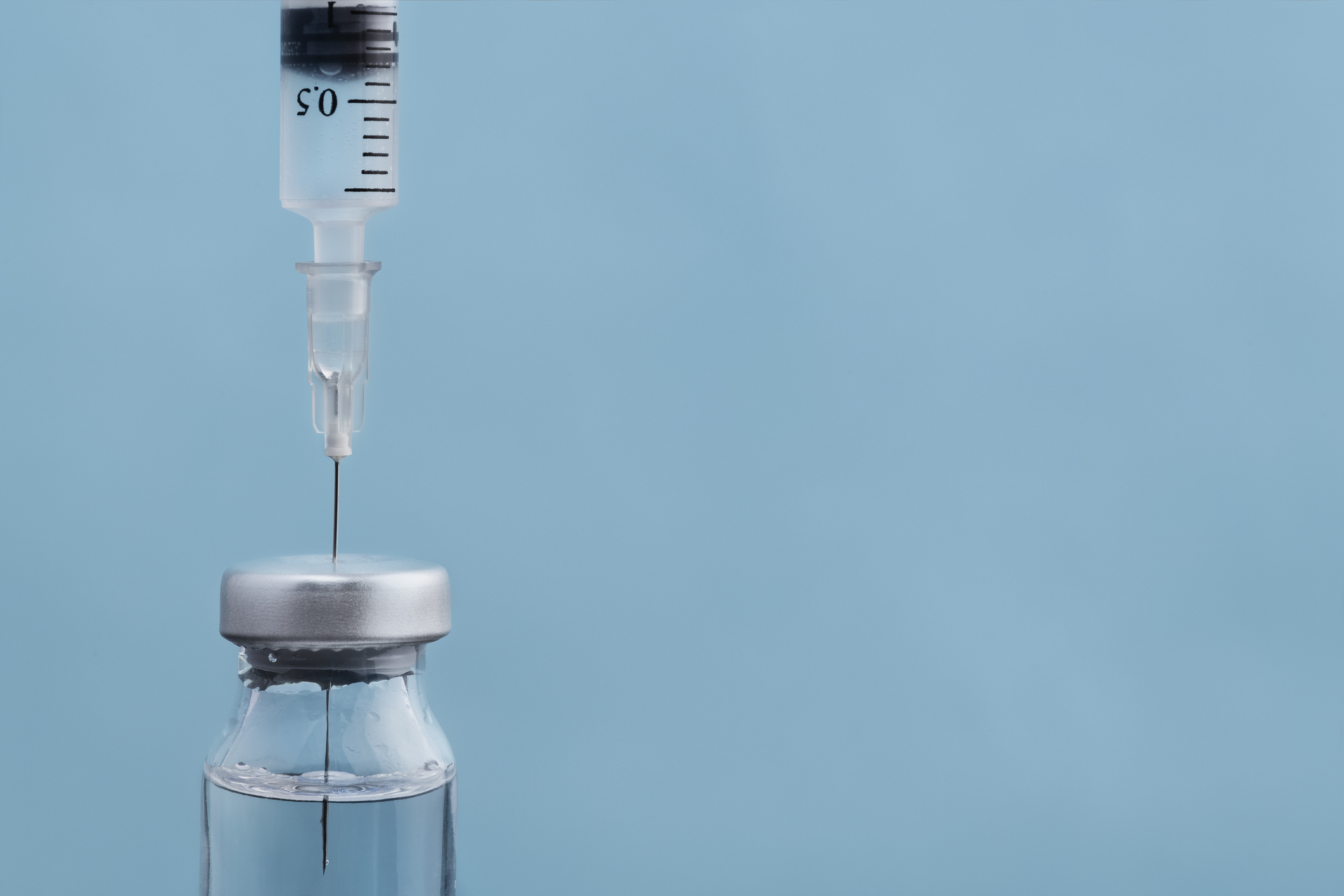
乙肝可能是沉默的杀手。它可以在分娩过程中从母亲传给婴儿,也可以通过接触被感染的血液或精液传播。在1岁前感染乙肝的婴儿中,多达90%会发展为慢性、可能终身的感染,虽然有治疗方法但尚无治愈手段。人们可能甚至不知道自己携带病毒,直到多年后肝脏衰竭或出现癌症。未经治疗的早期乙肝感染会导致终身患肝癌的概率达到四分之一。
Hepatitis B can be a silent killer. It can pass from mother to child during birth and can spread through contact with infected blood or semen. Among babies infected before they turn 1, up to 90% develop a chronic, potentially lifelong infection, for which there are treatments but no cure. People may not even know they have the virus until their liver fails or they develop cancer, years later. Early-in-life hepatitis B infections, left untreated, lead to a 1 in 4 lifetime chance of developing liver cancer.
在美国,乙肝疫苗自1991年起成为对所有婴儿的常规推荐接种;后来的指南进一步明确,第一剂应在出生后24小时内完成。然而,在2025年12月,特朗普政府下的美国疾病控制与预防中心(CDC)决定不再对母亲检测结果为阴性的婴儿推荐这一做法,而是建议采用共同决策模式,由父母和临床医生共同决定医学上适当的方案:出生后不久接种一剂,或将第一剂推迟至“2个月龄之前不早于此时间”。
In the U.S., hepatitis B vaccination became routinely recommended for all infants in 1991; later guidance specified that the first dose should happen within 24 hours of birth. However, in Dec. 2025, the U.S. Centers for Disease Control and Prevention (CDC) under the Trump Administration moved to cease recommending this practice for babies born to mothers who test negative, instead advising a shared decision-making model where parents and clinicians decide together what is medically appropriate: a dose shortly after birth, or a first dose "no earlier than 2 months of age." (For babies born to mothers who test positive or whose status is unknown, the CDC continues to recommend a dose shortly after birth.)
(对于母亲检测结果为阳性或状态未知的婴儿,CDC仍建议出生后不久接种一剂。)一项新研究今日发表于《》,利用计算机模型模拟了在美国新建议下出生的一整年婴儿在前20年生命周期中的乙肝感染状况。研究发现,如果只有约26%的儿童接种疫苗——这是共同决策模式下可能发生的情况——慢性乙肝病例将增加225%。儿童应何时接种第一剂乙肝疫苗?
A new study, published today in , uses computer modeling to simulate the hepatitis B infection status of an entire year’s worth of children born in the U.S. under the new recommendations over their first 20 years of life. The researchers find that if only about 26% of children are vaccinated—an estimate of what would occur under shared decision-making—chronic hepatitis B cases would rise by 225%. When should kids get the first dose of hepatitis B vaccine?
美国儿科学会继续建议对所有婴儿在出生时接种乙肝疫苗,且已有15个州就疫苗接种时间表的变更起诉特朗普政府。
The American Association of Pediatrics continues to recommend vaccination at birth against hepatitis B for all infants, and 15 states have sued the Trump Administration over vaccination schedule changes.
“它在许多州和专业协会中受到质疑,但我们希望为关于这些改变可能产生的影响的讨论提供一些证据,”哈佛医学院和麻省总医院传染病研究员、新研究作者阿米尔·莫哈雷布博士说。
“It's been challenged in many states and by professional societies, but we wanted to add some evidence to the conversation about what the potential impact of those changes could be,” says Dr. Amir Mohareb, an infectious-disease researcher at Harvard Medical School and Massachusetts General Hospital who is an author of the new study.
该模拟模拟了在美国同一年出生的360万名儿童中,在多种情形下会有多少人患上乙肝,包括如果继续遵循之前的CDC建议、如果初始剂量(也称为“出生剂量”)被推迟,以及如果采用共同决策情形。
The simulation modeled how many of 3.6 million children, born the same year in the U.S., would develop hepatitis B under a number of scenarios, including if the former CDC recommendations continued to be followed, if the initial dose (also called a “birth dose”) was delayed, and if a shared decision-making scenario was employed.
该模型表明,如果第一剂推迟到婴儿2个月大时接种,且只有75%的婴儿接种,那么与每个孩子在出生时接种第一剂相比,慢性病例将增加19%。如果2个月时的接种率为26%,则病例数将增加到225%。
The model suggests that if the first dose is delayed until 2 months old, and only 75% of infants get it, then there would be a 19% increase in chronic cases compared to if every child received their first dose at birth. With a 26% vaccination rate at 2 months, the number climbed to 225%.
莫哈雷布指出,该研究仅模拟了一年的出生情况。“想象一下这种情况年复一年地发生。这可能很快导致数千甚至数万例新感染,即使是少量的新感染也可能导致终身慢性感染,对家庭造成危害,增加癌症病例,并给医疗系统带来高昂成本,”莫哈雷布说。
This study modeled only at a single year of births, notes Mahoreb. “Imagine that happening year after year after year after year. That could quickly become thousands and thousands of new infections, and even a small number of new infections could result in lifelong chronic infection that could be detrimental to families, lead to more cases of cancer, and [become] costly to the health care system,” Mohareb says.
另外两项最近的建模研究也探讨了改变乙肝疫苗接种建议的影响。一项研究发现,如果不再在出生时接种疫苗,则需要大幅增加对孕妇的病毒筛查,以控制婴儿感染人数。另一项研究从经济角度出发,发现即使每个孩子最终都接种了疫苗,将第一剂推迟2个月也会导致因新感染产生的额外医疗支出达到1640万美元。
Two other recent modeling studies have looked at the impacts of changing hepatitis B vaccine recommendations. One found that if vaccination no longer occurred at birth, a substantial increase in screening pregnant women for the virus would be necessary to keep infection numbers in infants down. Another, looking at the economic ramifications, found that even if every child eventually received the vaccine, delaying the first dose by 2 months yielded an additional $16.4 million in health care spending on new infections.
“所有这三项研究相互补充,而且方式很好,提供了一些证据,以至于我们不必冒险进行临床试验或在人身上进行测试,”马霍雷布说。“我们已经完成了这些实验。”他继续说,几十年前,临床试验已经证明了现有方法的有效性,“因此我们现在可以受益于推动医学进步,而无需重新提出这个问题。”
“All three of these studies complement each other, in a good way, and provide some modicum of evidence so that we don't need to risk doing a clinical trial or testing this on people,” Mahoreb says. “We have done those experiments.”Decades ago, he continues, clinical trials already proved the efficacy of the existing approach, “so that we would have the benefit now of advancing medical progress and not needing to reopen that question.”