
编辑部 法国的危机持续升级,周末蔓延为更广泛的抗议活动,导致数亿欧元的损失,并逮捕近2400人。该国领导人正确地将注意力集中在遏制暴力上。然而,在他们寻求安抚受挫民众的方式时,必须小心不要让本已糟糕的财政状况变得更糟。
By The Editors France’s crisis keeps getting more extreme, spilling over the weekend into broader protests that precipitated hundreds of millions of euros in damage and nearly 2,400 arrests. The country’s leaders are rightly focused on curtailing the violence. Yet as they seek ways to placate a frustrated populace, they must be careful not to make a bad fiscal situation worse.
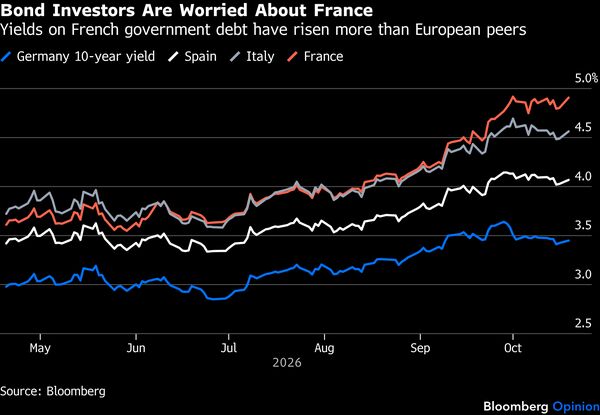
法国财政状况之恶劣难以言喻,尤其在担忧的投资者将其10年期国债收益率推升至近5%的情况下。如果借贷成本保持在此水平,政府支付的利率将很快超过经济的名义增长率。因此,仅仅稳定主权债务——目前约占国内生产总值的120%,在欧洲属于最高水平之一——可能需要持续实现高达国内生产总值2%的初级预算盈余。这是法国自20世纪70年代以来尚未实现的壮举。
It’s hard to overstate how dire France’s finances have become, particularly now that worried investors have pushed its 10-year bond yields to almost 5%. If borrowing costs remain this high, the interest rate the government pays will soon exceed the economy’s nominal growth rate. As a result, just stabilizing sovereign debt — currently about 120% of gross domestic product, among the highest in Europe — could require running a sustained primary budget surplus of as much as 2% of GDP. That’s a feat France hasn’t achieved since the 1970s.
实现所需赤字削减的政治难度极大,该削减预计到2032年至少需要1250亿欧元。在潜在的节税和增收措施中,养老金改革尤为突出:将退休年龄提高到65岁——仍低于西欧同行的平均水平——可能带来约180亿欧元的节省。然而,当埃马纽埃尔·马克龙总统在2023年推动将退休年龄从62岁提高到64岁(尽管最终被推迟)时,这一举措引发了该国有史以来规模最大的抗议活动之一——尽管在暴力程度上与周末的事件不相上下——并促成了极右翼民族联盟党在2024年选举中的成功。
The politics of achieving the necessary deficit reduction, estimated to be at least €125 billion by 2032, could hardly be more fraught. Among potential savings and revenue measures, pension reform stands out: Increasing the retirement age to 65 — still below the norm among western European peers — could reap about €18 billion. Yet when President Emmanuel Macron in 2023 pushed through an (ultimately postponed) increase from 62 to 64, the move triggered some of the country’s largest-ever protests — albeit rivaled in violence by the weekend’s events — and contributed to the far-right National Rally party’s success in 2024 elections.
随着总统大选明年即将到来,人们对审慎行事的意愿更低了。目前少数派政府提出的2027年预算方案旨在将赤字削减约280亿欧元,但面临强烈反对。全国联盟的玛丽娜·勒庞在全国总统选举民意调查中领先,她曾试图通过财政紧缩承诺来安抚债券市场,这一承诺与她政纲中的减税和支出承诺形成鲜明对比。与此同时,左翼候选人让-吕克·梅朗雄因其言论被指责煽动抗议者,他提出仅仅取消法国央行持有的超过5000亿欧元法国公共债务——这一想法即便可能实现,也只会进一步惊扰市场,荒谬至极。
With presidential elections coming next year, there’s even less appetite for prudence. The current minority government’s 2027 budget proposal, which would reduce the deficit by about €28 billion, faces stiff opposition. National Rally’s Marine Le Pen, who leads national polling for the next presidential election, sought to calm bond markets with a pledge of fiscal consolidation that contrasts sharply with the tax cuts and spending promises in her platform. Meanwhile, left-wing candidate Jean-Luc Mélenchon, whose statements have been blamed for inflaming protesters, proposed simply canceling more than €500 billion in French public debt held by its central bank — an absurdity that, even if possible, would serve only to spook markets more.
最终,国家领导人将不得不认识到,除了枯燥而令人不快的财政纪律之外,别无选择。拖延的时间越长,造成的损害就越大。
Eventually, the nation’s leaders will have to recognize that there’s no alternative to boring, unpleasant budget discipline. The longer that takes, the greater the damage will be.
法国的困境使其与更广泛的欧盟走上了碰撞轨道。法国拖延进行严肃改革的时间越长,其财政状况就越脆弱,因为它将以更高的收益率承担更多债务。如果投资者最终拒绝提供贷款,欧盟和欧洲央行将面临两难:组织救助或让这个欧盟第二大经济体陷入金融混乱。最好的情况是对法国实施可能比目前所需更为严厉的紧缩措施,以稳定其债务。最坏的情况是爆发涉及法国违约、银行挤兑以及可能导致欧元区解体的急性危机。
France’s malaise places it on a collision course with the broader European Union. The longer it delays serious reform, the more precarious its finances will become as it takes on more debt at higher yields. If investors ultimately refuse to lend, the EU and the European Central Bank will face a dilemma: Organize a bailout or let the bloc’s second-largest economy descend into financial chaos. The best-case scenario would entail imposing austerity measures on France potentially harsher than what’s now needed to stabilize its debt. The worst would be an acute crisis involving a French default, bank runs and possibly a breakup of the euro.
如果法国目前的少数派政府无法行动,希望下次选举能产生有能力推动该国所需艰难改革的领导层。即使是民粹主义者也曾在面对公共财务的不可更改事实时表现出负责任的行为。别无更好的出路。
If France’s current minority government can’t act, hopefully the next election will produce leadership capable of delivering the difficult reform the country needs. Even populists have been known to act responsibly when confronted with the immutable facts of public finance. There’s no better way out.