
历史上很少有技术能够像人工智能那样具备改变其诞生所在经济格局的潜力。广泛而有效地部署人工智能,可以使劳动者更高效,推动更具活力的创业精神,提升经济增长,所有这些都可能成为应对人口老龄化和公共债务不断增加所带来的强大经济逆风所必需的屏障。人工智能还能够实现科学和医学领域的革命性新进展,并使曾经仅限于少数人获取的知识实现民主化。
Few technologies in history have matched the potential of artificial intelligence to transform the economic landscape in which they emerged. Deployed broadly and effectively, AI can make workers more efficient, enable more dynamic entrepreneurship, and lift economic growth, all of which could be necessary bulwarks against the powerful economic headwinds brought on by aging populations and mounting public debt. AI can also make possible revolutionary new advances in science and medicine and democratize access to knowledge once reserved for the select few.
但人工智能的加速发展也伴随着风险。它可能被以导致工人失业、扰乱学生学习方式、制造新型生物武器和网络武器以及加剧能源、水和土地当前供应紧张的方式应用。这些挑战因一种错位而被放大:这项新技术的益处可能需要很长时间才能显现并广泛普及。正如工业革命等早期变革一样,人们在感受到人工智能的益处之前,更可能先体验到采用人工智能所带来的颠覆。
But the acceleration of also carries risks. It could be applied in ways that displace workers, disrupt how students learn, create new bioweapons and cyberweapons, and strain current supplies of energy, water, and land. Compounding these challenges is a mismatch: the benefits of this new technology may take a long time to become visible and widespread. As with earlier transformations, such as the Industrial Revolution, people are likely to experience the disruptions that come from adopting AI before they feel its benefits.
而与用户直接感受到聊天机器人等工具的影响不同,人工智能间接使得的一些益处——包括更精准的自然灾害预测和改进的医学诊断——可能根本不会被归因于这项技术。
And whereas users directly feel the effects of tools like chatbots, some benefits that AI is indirectly making possible, including more accurate predictions of natural disasters and improved medical diagnoses, may not be perceived as owing to the technology at all.
公众对人工智能的态度已经开始转变,尤其是在美国。其中一个主要目标是数据中心,民意调查显示,美国绝大多数人反对在其社区建设数据中心。对新型人工智能经济所需数据中心的反对如今已经跨越党派和年龄层。众多调查发现,居民担心数据中心过度消耗资源、制造持续噪音并推高他们的公用事业账单,而开发商却在社区的代价下获得公共补贴。
Public opinion has already begun to turn against AI, especially in the United States One of the main targets has been data centers, with polls showing that a significant majority of Americans oppose the construction of data centers in their communities. Opposition to data centers needed for the new AI economy now cuts across party lines and age groups. Numerous surveys have found that residents worry about data centers using too many resources, creating endless noise, and raising their utility bills, all while developers benefit from public subsidies at the communities’ expense.
虽然这些问题中的一些是局部性的,但它们也反映了人们对人工智能更广泛的担忧。人工智能领域的一些领军人物无疑通过发出关于白领岗位末日般毁灭的戏剧性警告,甚至暗示人工智能可能导致人类灭绝的可能性,加剧了这种焦虑。这些是必须被理解和应对的真实问题,但公众对人工智能日益增长的反对也暗示着一个更深层次的分配挑战:在许多公民看到其经济收益只流向少数他们日益不信任的人时,个人、社区和企业被要求帮助引导一种具有变革性且可能令人不安的新技术。
Although some of these problems are local, they also reflect wider concerns about AI. Some leading figures in AI have no doubt contributed to this anxiety with dramatic warnings of a white-collar-job apocalypse and even the possibility that AI will lead to human extinction. These are real issues that must be understood and addressed, but the growing public pushback against AI also suggests a deeper distributional challenge: individuals, communities, and businesses are being asked to help shepherd a transformative and potentially unsettling new technology at a time when many citizens see its financial gains going to a few people whom they increasingly distrust.
人工智能如今已成为美国政治的主要议题:无论属于哪个党派,参加竞争性选举的候选人显然越来越倾向于回避与支持人工智能的关联。
AI is now a major issue in American politics: candidates running in competitive elections, no matter which party they belong to, appear increasingly averse to being associated with support for AI.
这些焦虑是可以理解的。人工智能的采用可能重蹈全球化的覆辙——全球化带来了大规模且广泛分布的经济收益,但也导致特定社区的就业、增长和产业出现集中性损失。政府的应对反应不足或来得太晚。尽管经济总体上从自由贸易中获益,但政治妥协未能让受影响的工人和社区在这些收益中获得可信的利益份额,即使个人作为消费者从较低价格中受益。结果是一场反弹,这场反弹助长了如今仍在困扰当今政治与社会的保护主义和碎片化趋势。
These anxieties are understandable. AI adoption risks repeating the mistakes of globalization, which generated large and widely spread economic benefits but led to concentrated losses of jobs, growth, and industry in particular communities. Government support in response was insufficient or arrived too late. Although the economy gained overall from free trade, the political bargain failed to give affected workers and communities a credible stake in the gains, even as individuals benefited as consumers from lower prices. The result was a backlash that contributed to the protectionism and fragmentation that continue to plague today’s politics and society.
要把人工智能的能力转化为广泛共享且持久的繁荣,仅仅投资于技术本身是不够的。人工智能时代的核心挑战在于,各个负责促进人工智能采用的互补性投资群体之间需要协调与合作,这些投资包括技术扩散、工人赋能、企业重组和基础设施建设。由于这些互补性投资必须在不同机构和不同时间进行,因此推进进步既需要市场机制来鼓励合作,也需要组织、企业、工人、社区和政府之间的联盟,以将人工智能的技术收益转化为广泛的经济和社会效益。
Turning AI’s capabilities into broadly shared and enduring prosperity requires more than investing in the technology itself. The central challenge of the AI era is coordination and cooperation across groups responsible for the many complementary investments that promote the adoption of AI, including technological diffusion, worker empowerment, firm reorganization, and infrastructure construction. Because these complementary investments must be made across different institutions and at different times, progress requires market mechanisms to encourage cooperation as well as coalitions among organizations, firms, workers, communities, and governments that can turn AI’s technological gains into widespread economic and social benefits.
借鉴博弈论的一个概念,人工智能是一种“合作博弈”,在这种博弈中,只有当许多群体协调一致时才能获得最大收益,而这些收益只有在每个群体都预期通过参与共同联盟而获得比单独行动更好的结果时才能持续。
To borrow a concept from game theory, AI is a “cooperative game” in which the largest gains arise only when many groups coordinate, and those gains persist only when every group expects to do better as part of shared coalitions than outside them.
但建立联盟需要信任,而公众信任——尤其是关于技术及其受益者的信任——已经受到侵蚀。关于科学和医学突破的宏大承诺无法克服根深蒂固的敌意。持久的合作要求让受影响的群体在人工智能所创造的机遇和收益中拥有具体的利益份额,而不仅仅是许诺未来的好处。如果没有这种利益份额,那些支持人工智能繁荣发展所必需的个人和群体可能会阻碍其进步。
But coalition building requires trust, and public trust—particularly regarding technology and who benefits from it—has eroded. Grand promises of scientific and medical breakthroughs will not overcome deep-seated hostility. Durable cooperation requires giving affected groups a concrete stake in the opportunities and gains that AI generates rather than merely promising future benefits. Without that stake, the individuals and groups whose support is needed to make AI flourish could block its progress.
政府可能会对行业施加抑制性的监管或停止发放数据中心许可证;企业可能会拒绝采用新的人工智能驱动系统;工人可能会避免分享使技术发挥作用所需的隐性知识。正如经济学家和诺贝尔奖得主迈克尔·斯宾塞曾经观察到的:“你不能非合作地解决一个合作博弈。”确保社会在降低风险的同时受益于人工智能巨大潜力的途径,是让合作成为明确的选择。
Governments could impose stifling regulations on the industry or stop issuing data center permits, firms could decline to adopt new AI-driven systems, and workers could avoid sharing the tacit knowledge needed to make the technology useful. As the economist and Nobel Prize laureate Michael Spence once observed: “You cannot solve a cooperative game uncooperatively.”The way to ensure that society benefits from AI’s enormous potential while mitigating its risks is to make cooperation the clear choice.
一个全新的世界 人工智能正主张成为下一项通用技术——即一种能够广泛应用于各种活动、随时间改进并产生协同创新的技术。电力是早期的通用技术之一。当发明家在十九世纪末发现如何商业化利用电力时,利用它为多种机器供电的能力改变了工业生产。计算机作为另一种通用技术,利用电力处理信息本身,彻底改变了工程和医疗保健等多个领域。
A WHOLE NEW WORLD AI is staking a claim to being the next general-purpose technology—one that applies across a wide array of activities, improves over time, and generates complementary innovations. Electricity was an early general-purpose technology. When inventors discovered how to commercially harness electricity in the late nineteenth century, the ability to use it to power many types of machines transformed industrial production. Computing, another general-purpose technology, used electricity to process information itself, revolutionizing sectors as varied as engineering and health care.
但人工智能通过一种更强大的输入——智能——发挥作用,这使得解释信息、预测结果、诊断问题、与他人沟通和做出决策成为可能。因此,人工智能可以提升现有行业的生产力:护士可以花更少时间在文书工作上,而将更多时间用于患者;工程师可以更快速地开发新设计;小型企业可以提升其分析能力以与更大的竞争对手抗衡。它还能显著提高效率,以至于使得以前因成本过高或过于复杂而无法实现的全新产品和服务成为可能。
But AI works through a more powerful input—intelligence—which makes it possible to interpret information, predict outcomes, diagnose problems, communicate with others, and make decisions. As a result, AI can raise productivity in existing sectors: a nurse can spend less time on paperwork and devote more time to patients, engineers can more quickly develop new designs, and small firms can scale up their analytics capabilities to compete with larger competitors. It can also increase efficiency so significantly that it makes possible wholly new products and services that were otherwise too costly or complicated to deliver.
人工智能还通过改变研究和发现的过程,超越了现有的通用技术。通过发明优化科学过程的新方法,人工智能开启了此前未知的可能性,类似于显微镜和望远镜在早期时代所做的那样。阿尔法折叠(AlphaFold)是一个专门的人工智能模型,其开发者德米斯·哈萨比斯和约翰·詹珀因此共享了2024年诺贝尔化学奖的一半,这是一个明确的例子。
AI also goes beyond existing general-purpose technologies by transforming the process of research and discovery. By inventing new ways of optimizing scientific processes, AI opens up previously unknown possibilities, similar to what microscopes and telescopes did in earlier eras. AlphaFold, a specialized AI model for which Demis Hassabis and John Jumper shared half the 2024 Nobel Prize in Chemistry, is a clear example.
以前,仅从氨基酸序列确定单一蛋白质的三维结构需要数月甚至数年;而通过使用机器学习,阿尔法折叠已预测了超过2亿种蛋白质的结构,从根本上重塑了生物学家能够进行的研究内容。
Determining a single protein’s three-dimensional structure from its amino acid sequence used to take months or even years; by using machine learning, AlphaFold has predicted the structures of more than 200 million proteins, fundamentally reshaping what biologists are able to investigate.
人工智能的潜力因此是工业革命与启蒙运动的结合:工业革命的通用技术改变了生产方式,而启蒙运动则催生了用于发明的发明——即改变发现过程的新工具和新范式。人工智能有望既提供生产力提升,又提供工具,为解决全球老龄化、负债累累社会面临的诸多问题铺平道路。
The potential of AI is thus a combination of the Industrial Revolution, whose general-purpose technologies transformed production, and the Enlightenment, which brought about inventions for making inventions—the new instruments and new paradigms that transformed the process of discovery. AI holds the promise of providing both the productivity boost and the tools to pave the way for discoveries that can address many of the problems weighing down aging, debt-ridden societies across the world.
深入探讨 最新一波人工智能浪潮以前所未有的速度扩散。谷歌的Gemini应用和OpenAI的ChatGPT目前每月活跃用户均超过十亿。谷歌的《人工智能与经济》ATLAS研究——该研究由我们两人(Imas和Manyika)参与,分析了来自150多个国家的1500万次互动——发现人工智能被用于68%的职业任务,而这些职业约占美国就业总数的90%。
GOING DEEP The latest wave of AI has diffused at unprecedented speed. Google’s Gemini app and OpenAI’s ChatGPT each now reach more than one billion monthly users. Google’s AI & Economy ATLAS, a study of how people are using the company’s AI products that two of us (Imas and Manyika) worked on, analyzed 15 million interactions in more than 150 countries. It found that AI was used in tasks in 68 percent of occupations, and these occupations made up roughly 90 percent of all U.S. employment.
即使是汽车技术员和工业机械师也在使用人工智能来解读测试结果和诊断电气故障。另一项由我们两人(Imas和Manyika)与MIT FutureTech合作开展的研究发现,近半数受调查科学家每天都在使用某种人工智能模型,这为他们节省了时间,并促进了更多跨学科研究。
Even automotive technicians and industrial mechanics used AI to interpret test results and diagnose electrical faults. Another study that two of us (Imas and Manyika) ran in collaboration with MIT FutureTech found that nearly half the scientists who were surveyed used some type of AI model every day, saving them time and enabling more interdisciplinary research.
但扩散的收益既不保证也不自动实现。人工智能已在各行业内部广泛采用,但迄今为止其渗透程度仍然相对浅薄。ATLAS研究发现,在典型职业中,只有21%的任务受到该技术的显著影响。根据人类经济指数(Anthropic Economic Index)——该指数衡量人工智能模型Claude在诸如编写软件、分析数据和管理行政工作流等多种工作场景任务中的使用情况——潜在使用远超实际使用。
But the gains of diffusion are neither guaranteed nor automatic. AI has been adopted broadly across and within sectors, but thus far its penetration remains fairly shallow. The ATLAS study found that only 21 percent of tasks in a typical occupation have been substantially affected by the technology. According to the Anthropic Economic Index, which measures how the AI model Claude is used in workplace tasks as varied as writing software, analyzing data, and managing administrative workflows, potential use far exceeds actual use.
这表明,获取的普及速度远快于实际采用。要让人工智能深入融入以实现其潜力,需要更大规模的转型。仅仅购买人工智能编码代理的访问权限,企业不会因此改变其运营方式。它还必须投资于组织改革和员工培训,并且通常需要重新设计其治理结构或产品线。人工智能的采用可能重蹈全球化的错误。
This suggests that access has spread much faster than adoption. Incorporating AI deeply enough to allow it to live up to its potential requires a bigger transformation. A firm does not change how it operates simply by buying access to an AI coding agent. It must also invest in organizational reforms and worker training and often needs to redesign its governance structure or its product lines. AI adoption risks repeating the mistakes of globalization.
以银行业为例,该行业已广泛采用人工智能,但主要用于执行表层任务。目前的部署方式下,人工智能为分析师提供了一种更快速研究公司、填充电子表格和识别投资回报来源的方法。另一方面,深度采用则需要改变工作流程和岗位职责。银行必须决定向模型输入哪些专有数据,如何保护客户信息,以及如何验证其使用的人工智能模型的结果。
The banking sector, for example, has widely adopted AI but mostly used it to perform superficial tasks. As it is currently deployed, AI gives analysts a faster way to research companies, populate spreadsheets, and identify the sources of investment returns. Deep adoption, on the other hand, requires changing workflows and job responsibilities. A bank must decide what proprietary data to feed a model, how to protect client information, and how to verify the results of the AI models it uses.
初级员工可能花费更少时间收集信息,而花费更多时间进行信息解读、形成观点并向客户提供建议。但许多人工智能可以自动化的任务同时也是培训的一种形式。因此,企业需要寻找让有经验的员工帮助年轻同事获得技能的方式——这些技能正是有经验的员工过去通过亲自进行基础分析工作而培养出来的。
Junior employees may spend less time collecting information and more time interpreting it, forming ideas, and advising clients. But many tasks that AI can automate are also forms of training. Firms will therefore need to find ways for experienced employees to help younger colleagues acquire the skills the experienced employees once developed by producing the underlying analyses themselves.
人工智能的真正经济潜力在于其深入且具有变革性的应用。这需要重塑组织流程,让工人做好准备以利用新技术,并以提升生产力和创新、改善消费者福祉的方式应用人工智能。能够提升产出并催生新产品和服务的创新尚未以有意义的规模出现。但对许多新产品和服务存在巨大的潜在需求,包括个性化辅导、医疗保健以及法律和金融援助等专业服务,此外,技术将使之成为可能的全新活动也将催生额外需求。
The true economic promise of AI lies in deep and transformational adoption. This requires revamping organizational processes, preparing workers to capitalize on the new technology, and applying AI in ways that enhance productivity and innovation and improve consumer welfare. Innovations that increase output and can generate new products and services have not yet appeared at a meaningful scale. But there is enormous latent demand for many new products and services, including specialized services such as individualized tutoring, health care, and legal and financial assistance, and additional demand will emerge from completely new activities that technology will make possible.
通过从根本上改变工作的方式以及工作的内容,人工智能可以降低提供定制化产品的成本,使新机遇在经济上变得可行。服务此前在经济上不具备意义的需求将为社会创造新价值,而不仅仅是重新分配固定的经济蛋糕。
By fundamentally changing how work is done and what work can be done, AI can lower the cost of providing tailored products, making new opportunities economically viable. Serving demand that previously did not make economic sense adds new value to society rather than merely redistributing a fixed economic pie.
但扩大经济蛋糕并不能保证每位工人都能顺利过渡。正如全球化一样,人工智能释放的新需求不一定会出现在现有工作所在的相同岗位、行业或社区。这种潜在的错位可能导致劳动力市场的重大动荡和政治反弹。公众焦虑已经在增长,尤其是年轻工人,他们正在寻找最可能被人工智能自动化的入门级职位。斯坦福大学经济学家埃里克·布林约尔夫森、巴拉特·钱达尔和鲁宇·陈的一项研究发现,22至25岁人群在最易受人工智能自动化影响的职业中的就业人数比如果就业增长速度与受人工智能冲击较小的职业相同的情况下低19%。
But enlarging the economic pie does not guarantee a smooth transition for every worker. As with globalization, the new demand that AI unlocks will not necessarily arise in the same jobs, sectors, or communities in which existing work is done. This potential mismatch risks major labor market disruption and political backlash. Public anxiety is already growing, especially among younger workers seeking entry-level positions that are the most likely to be automated by AI. One study by the Stanford economists Erik Brynjolfsson, Bharat Chandar, and Ruyu Chen found that the employment of 22-to-25-year-olds in occupations most exposed to AI automation was 19 percent lower than it would have been if employment had grown at the same rate as occupations less exposed to AI disruption.
然而,人工智能对就业的总体影响,包括入门级职位,仍然不确定。已估计,人工智能在美国创造了大约一百万个岗位,但导致了约20万裁员,且20至24岁人群的失业率与总体失业率之间的差距相较于近几十年来较低。最有可能的情况是,正如我们之一(Manyika)与斯宾塞在2023年在这一栏目中所写的那样,一些岗位将会流失,一些将会新增,而许多更多的岗位将永久性地发生变化。
Yet the overall effect of AI on jobs, including entry-level positions, remains uncertain. has estimated that AI has created around one million jobs in the United States but led to about 200,000 layoffs, and the gap between the unemployment rate among 20-to-24-year-olds and the overall unemployment rate is low compared with recent decades. Most likely, as one of us (Manyika) wrote with Spence in these pages in 2023, some jobs will be lost, some will be gained, and many more will be permanently changed.
INVENTIVE INCENTIVES Harnessing AI’s potential to increase prosperity without destabilizing society requires coordination. In addition to AI companies making new models, products, and tools, infrastructure developers must build the physical systems such as data centers that underpin AI. Businesses need to supply data and drive the organizational transformation to deploy models at their full potential—not just for efficiency but also to expand existing products and services or create new ones. Employers must decide how these technologies will be used, how workflows will be transformed, and how to enable workers to be more productive. Workers have to adopt the technology and invest in learning AI-relevant skills. Local communities must provide the land for data centers and consent to the technology’s expansion. And governments need to set rules, fund foundational research, and provide social insurance to support and manage transitions for those whose work or livelihoods are displaced by AI.
每个群体都承担着独特的成本,捕获不同的收益份额,服务于各自的选民,并受到不同的激励驱动。这也意味着,除非他们通过市场机制或主动合作进行协调,否则这些群体可能会减缓甚至阻碍AI的发展。企业可能会在组织变革上投资不足,仅将AI用于削减成本而非扩大收入;工人可能会抵制或放慢采纳速度;社区可能会阻碍基础设施建设;政府也可能会限制发展。每种行为在孤立来看或许都有道理,但放在一起却会导致对社会而言次优的结果。
Each of these groups bears unique costs, captures different shares of the benefits, answers to its own constituencies, and responds to distinct incentives. This also means that unless they coordinate—whether through market mechanisms or active cooperation—these groups could slow or block AI development. Firms might underinvest in organizational change and use AI only to cut costs rather than to expand revenues, workers might resist or slow down adoption, communities might block infrastructure, and governments might restrict development. Each action might make sense in isolation, but together they lead to a suboptimal outcome for society.
这是博弈论中的一个经典合作博弈场景:这些群体在协同合作时能够完成比单独行动、缺乏协调时更多的事情。拥有共同目标的联盟不必是正式组织;它可以是任何一组通过合同、政策、标准、投资承诺或政治交易来协调决策、为共同项目贡献资源的行为体。每一个可能的联盟通过推动人工智能的采用和扩散所能产生的增长和经济价值,都将超过任何单一行为体单独行动所能创造的价值。
This is a classic cooperative game scenario in game theory: these groups can accomplish much more when they work in concert than when they act individually and without coordination. A coalition with a common goal does not need to be a formal organization; it can be any grouping of actors who operate in ways that allow them to coordinate decisions and contribute resources to a shared project through contracts, policies, standards, investment commitments, or political bargains. Each possible coalition can generate more growth and economic value by promoting the adoption and diffusion of AI than any one actor can by operating separately.
在理想的世界里,所有这些行为体将形成一个单一的“大联盟”,以尽可能多地从人工智能中获取价值。他们互补的行动和积极的协作以推动人工智能的发展,将引发一个良性循环:更广泛的采用将刺激技术进步,使人工智能对社会更具实用价值,释放新的需求和生产率增长,并鼓励更多人、社区和公司采用该技术并支持其扩展。
In an ideal world, all these actors would form a single “grand coalition” to capture as much value from AI as possible. Their complementary actions and active coordination to promote AI would kick off a virtuous cycle in which wider adoption would spur advancements that would make AI more useful for society, unlock new demand and productivity growth, and encourage more people, communities, and companies to adopt the technology and support its expansion.
这样的大型联盟虽然是一个理想标杆,却并非可照搬的模板。事实上,合作成效未必非得是“全有或全无”;规模较小且目标更明确的联盟同样能带来巨大的经济与社会效益,其价值远超各参与方单独行动所能取得的成果。关键在于建立一种稳定的联盟机制——即没有任何单个参与者或群体能通过脱离联盟、单独行动而获得更大利益。
Such a grand coalition, however, is a benchmark rather than a blueprint. Progress is not all or nothing; smaller, more focused coalitions can still create economic and social gains that far outweigh what each actor could achieve alone. What is needed is a stable coalition—one in which no participant or group of participants can do better by leaving and doing something on their own.
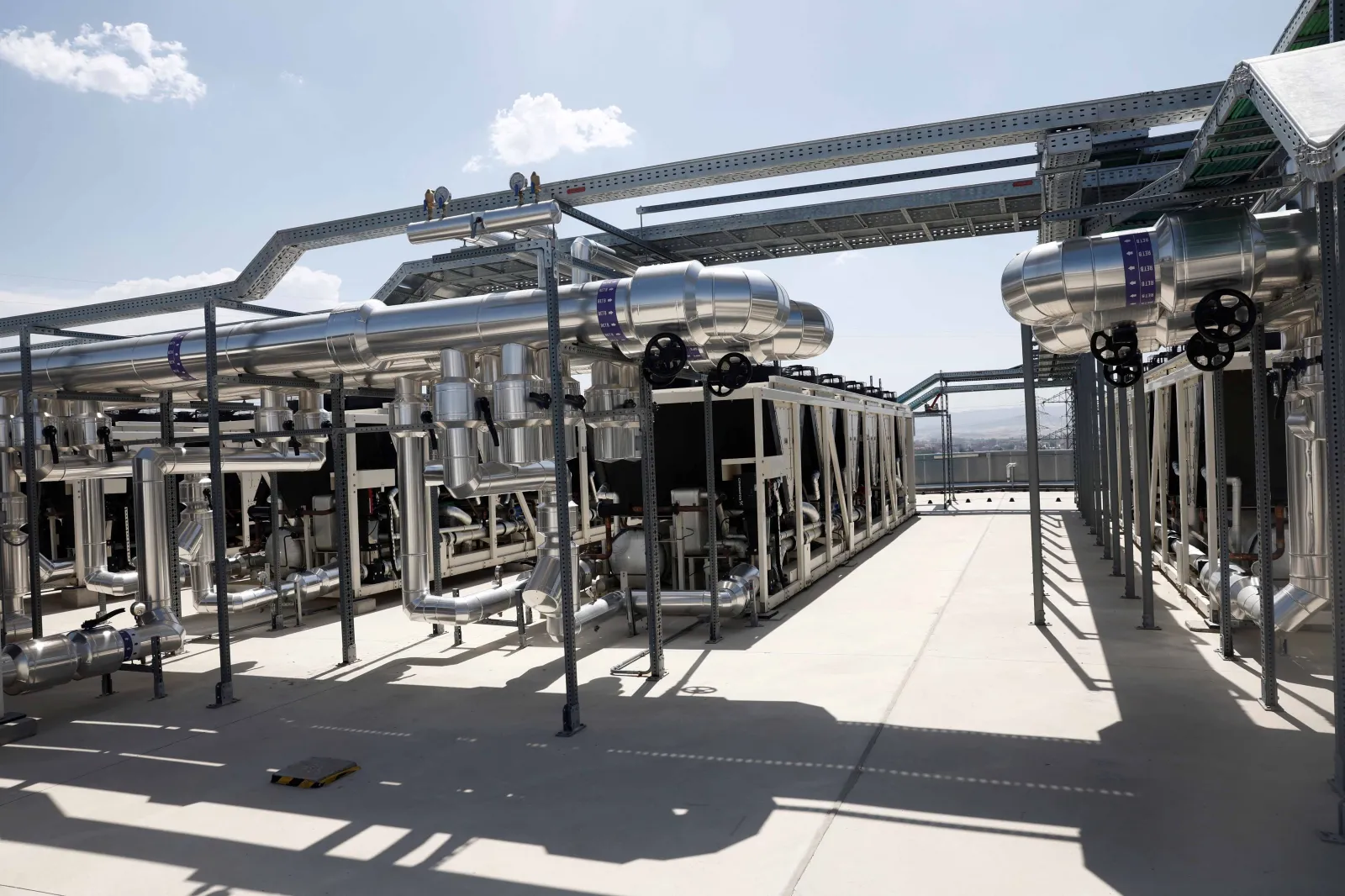
在人工智能经济体系中,脱离联盟并不意味着要另起炉灶开发竞争性的AI系统,而只是行使否决权以限制AI的进一步应用,比如在当地暂停建设数据中心、阻止企业在工作场所引入AI技术,或是阻挠那些旨在促进AI发展的新法规出台。由于任何一方的退出所造成的损失都远超其单独行动所能获取的利益,因此必须确保所有关键参与方都更愿意留在联盟内部而非选择退出。
In the AI economy, exiting the coalition does not mean building a rival AI system. It simply means exercising a veto on increased AI use, which could take the form of imposing a local moratorium on data centers, resisting workplace adoption of AI, or blocking new regulations that encourage AI development. Because the withdrawal of any one participant would destroy more value than that participant could ever capture alone, it is critical that every essential group prefers being inside the coalition to being outside it.
那么,如何合理分配合作带来的收益,从而维持联盟的长期稳定且避免任何一方萌生退意,便成了一个至关重要的问题。就人工智能领域而言,有助于促进合作的一个关键因素在于:这项技术创造了经济学家所称的“凸性博弈”环境。由于AI所需的各类投入要素具有互补性,每新增一个参与者都会提升其他所有参与者的贡献价值,进而使加入联盟所能获得的收益以越来越快的速度增长。
A crucial question, then, is how to share the gains of working together so that cooperation remains stable over time and no coalition member wants to leave. In the case of AI, one factor that can help drive cooperation is that the technology creates conditions for what economists call a “convex game”: because the inputs to AI are complementary, each new participant makes everyone else’s contribution more valuable, causing the gains from joining the coalition to increase at an accelerating rate.
举例来说,完善的计算基础设施能提升AI模型与工具的性能;性能更优的模型与工具又能为那些致力于业务流程转型及员工再培训的企业带来更多收益,进而提高生产效率并激发创新活力;而AI在企业中的广泛普及又会催生对更多计算能力的需求,从而激励更多基础设施供应商投身建设。一旦核心群体开始携手合作,后续有意加入的参与者便能从中获得更大的利益。
Building better computing infrastructure, for instance, makes AI models and tools more capable; more capable models and tools increase the benefits for companies that want to invest in transforming their organizational processes and retraining workers, which increases productivity and spurs innovation; and wider adoption of AI in the workplace drives the need for additional computing power, which creates incentives for more infrastructure providers to build. Once a core group starts working together, the next actor that wants to join has even more to gain.
这些特征也使得人工智能经济更容易实现增长收益的公平分享。一种简单的方法是根据每个成员对联盟的贡献程度来分配收益。在诺贝尔奖得主经济学家劳埃德·夏普利的框架下,每个参与者的贡献可以通过该参与者加入时,所有可能联盟所创造的额外价值的平均值来衡量。例如,如果一个联盟希望利用人工智能发现慢性或罕见疾病的新疗法,那么它需要包括药物开发者、人工智能实验室、研究医院、一线医生、患者群体以及政府。
These characteristics of the AI economy also make it easier to share the gains of growth more fairly. A simple approach is to distribute the benefits based on how much each member contributes to a coalition. Under the framework of the Nobel Prize–winning economist Lloyd Shapley, each participant’s contribution can be measured by the average additional value that possible coalitions create when that participant is included. If a coalition wants to use AI to discover new treatments for chronic or rare diseases, for instance, it needs to include drug developers, AI labs, research hospitals, frontline physicians, patient groups, and the government.
人工智能实验室提供专门的模型和算力,研究医院整理历史临床数据,医生开展药物试验,患者群体同意在政府设定的隐私防护栏下共享生物记录。这些贡献无法用相同的单位衡量,虽然较小的联盟可以取得部分进展,但要使药物发现流程完全成功,所有这些群体都是必需的。夏普利式的安排将根据每个成员加入联盟所带来的额外收益与其不加入时所产生的收益之间的差异来分配收益。
AI labs supply specialized models and computing power, research hospitals curate historical clinical data, physicians administer drug trials, and patient groups consent to share biological records (under privacy guardrails set by the government). These contributions are not measured in the same units, and although smaller coalitions can make partial progress, all these groups are needed for the drug discovery pipeline to fully succeed. A Shapley-style arrangement would share the gains based on how much different coalitions benefit from having each member inside them compared with what would result if the member were outside them.
正如夏普利的研究所示,在凸博弈(如人工智能采用)中,以这种方式补偿每个合作伙伴可以产生一个稳定的联盟,并激励每个人加入。
As Shapley’s research showed, in a convex game such as AI adoption, compensating each partner in this way produces a stable coalition that incentivizes everyone to join.
价格、合同和激励措施对于建立一个稳定的联盟至关重要,而市场设计和竞争则提供了实现协调的架构。但仅靠市场是不够的。以人工智能为例,各种成本和收益不会在所有参与者的时间线上同步展现;有些参与者将在其他人赶上之前很久就获得收益。公共机构是必要的。例如,只有政策制定者才能制定共同规则,使联盟中的前沿实验室能够协调行动,使人工智能更安全;只有政策制定者才能提供足够的支持,帮助工人适应人工智能经济。
Prices, contracts, and incentives are indispensable for building a stable coalition, and market design and competition provide the architecture that enables coordination. But markets alone will not be enough. In the case of AI, the various costs and benefits will not unfold on the same timelines for all participants; some of them will benefit long before others catch up. Public institutions are necessary. Only policymakers, for instance, can create the common rules that will allow frontier labs in the coalition to coordinate on making AI safer, and only policymakers can provide enough support for workers to adapt to the AI economy.
许多工人和社区在全球化过程中所经历的痛苦教训,使得联盟建设变得更加困难,但也更加必要。
The bitter experiences that many workers and communities felt during globalization have made coalition building harder yet even more necessary.
自愿联盟 一个可行的联盟不需要让所有参与者坐到同一张谈判桌前。国家层面的协议可以在人工智能安全标准、劳动力转型支持和基础设施许可等问题上建立共同条款并协调激励措施;而在工作场所和地方社区层面的较小协议,则可以让所需群体加入并进行合作。在这两个层面,原则是相同的:每个群体都必须获得联盟通过人工智能整体增长所创造的经济收益中上行部分的可信利益份额。
COALITION OF THE WILLING A workable coalition does not need to bring every participant to the same negotiating table. A national bargain can establish common terms and align incentives on issues such as AI safety standards, workforce transition support, and infrastructure permitting, and smaller agreements at workplaces and in local communities can bring needed groups on board to cooperate. At both levels, the principle is the same: each group must receive a credible stake in the upside of the economic gains that the coalition creates through the overall growth of AI.
在国家层面,合作应聚焦于那些参与程度将决定人工智能技术能否规模化到足以产生巨大经济收益的群体。这包括联邦政府、领先实验室、主要基础设施建设者和提供者、有组织劳工以及部署人工智能的大型企业。大型企业很重要,因为其技术使用和对劳动力的投资创造了需求,推动了整个供应链。劳工组织将希望就劳动力过渡谈判有利条件,例如扩大失业保险和工资保险,以及再培训;有组织劳工的缺席将剥夺联盟所需的支持,以促进采用,尤其是在建筑等工会影响力更大的行业。
At the national level, cooperation should focus on the groups whose participation will determine whether AI technology can scale enough to generate massive economic gains. This includes the federal government, leading labs, major infrastructure builders and providers, organized labor, and large firms deploying AI. Big business matters because its use of technology and its investments in the workforce create demand that fuels the entire supply chain. Labor organizations will want to negotiate favorable terms for workforce transition, such as expanded unemployment and wage insurance, as well as for retraining; a lack of participation from organized labor will deprive the coalition of the support needed to facilitate adoption, especially in sectors such as construction in which unions have more power.
对于关键基础设施,包括电力网络、电信网络和支付系统,首要需求是网络安全和可靠性:在将人工智能深度融入核心运营之前,基础设施提供者需要相信更强大的模型不会使其面临灾难性风险。
For critical infrastructure, including power grids, telecommunications networks, and payment systems, the priority needs to be cybersecurity and reliability: before they integrate AI deeply into core operations, infrastructure providers need to believe that more capable models will not expose them to catastrophic risk.
政府可以建立可预测、基于风险的监管框架,在生物安全等潜在危险领域设定明确标准,并协助先进人工智能系统的测试。国家框架将预防各州对人工智能低风险商业用途实施零散、各不相同的禁令所形成的碎片化拼贴。政策制定者还可以通过资助人工智能基础问题研究,以及增加高技能工人的移民和签证渠道,来支持人工智能发展,以吸引全球顶尖人才进入美国实验室。
The government can establish a predictable, risk-based regulatory framework to set clear standards in potentially dangerous areas such as biosecurity and to help coordinate the testing of advanced AI systems. A national framework would preempt a fragmented patchwork of idiosyncratic state-by-state bans on low-risk commercial uses of AI. Policymakers can also support AI development by funding research on foundational questions in artificial intelligence and increasing immigration and visa pathways for highly skilled workers to attract top global talent to U.S. labs.
与此同时,人工智能模型和应用开发者可以参与安全测试,构建人工智能能力的公司可以向中小企业、非营利组织和地方政府提供更多算力。基础设施提供者可以建设新的数据中心,并通过实施用电者保护和缴纳地方税来展示对其服务社区的支持;大型公司可以投资于员工培训、组织转型和新商业模式。最后,有组织的劳工可以提供建设人工智能采用所需物理基础设施的熟练员工,帮助公司内部重新设计组织工作流程,并利用其政治影响力推动全国范围的人工智能发展。
AI model and application developers, meanwhile, can participate in safety testing, and companies building out AI capacity can make available more computing power to small businesses, nonprofits, and local governments. Infrastructure providers can construct new data centers and show their support for the communities they work in by implementing ratepayer protections and paying local taxes, and large companies can invest in worker training, organizational transformation, and new business models. Finally, organized labor can supply the skilled employees needed to build the physical infrastructure underlying AI adoption, help redesign organizational workflows within companies, and lend its political weight to promoting AI nationally.
每个群体获得的收益都超过其预期的贡献。人工智能模型和应用开发者以及基础设施提供者获得可预测的发展路径和熟练劳动力。大型企业获得所需支持,以更深入地采用人工智能并提高生产率。工人在经济转型过程中获得新机遇和工作保障。随着经济增长和美国维持其全球技术领导地位,华盛顿也将受益。科学突破的承诺无法克服根深蒂固的敌意。
Each group benefits more than it is expected to contribute. AI model and application developers and infrastructure providers gain a predictable development path and a skilled workforce. Large firms have access to the support they need to more deeply adopt AI and improve their productivity. Workers gain new opportunities and job security during the economic transition. Washington also stands to benefit as the economy grows and the United States maintains its global technological leadership. Promises of scientific breakthroughs will not overcome deep-seated hostility.
AI模型开发者和其他AI生态系统中的公司已经在合作,以更广泛地推广AI。领先的开发者,包括Anthropic、Google和OpenAI,以及合作伙伴组织,已将工程师嵌入大型组织,以识别AI的有价值用途,重新设计工作流程,并将新技术系统整合到生产中。这些努力认识到,仅有模型访问是不够的:采用需要技术援助、组织知识和持续参与。
AI model developers and other companies in the AI ecosystem are already working together to diffuse AI more widely. Leading developers, including Anthropic, Google, and OpenAI, along with partner organizations, have embedded engineers inside large organizations to identify valuable uses of AI, redesign workflows, and integrate new technology systems into production. These efforts recognize that model access is not enough: adoption requires technical assistance, organizational knowledge, and sustained engagement.
一个联盟可以将这种能力扩展到小型企业、学校、诊所和市政当局。对于AI模型和应用开发者,支持扩散可以扩大市场,并提供对潜在政治反弹的保险。只有当AI采用的收益与广泛的组织和公众共享时,公民才会支持该技术在社会中的扩展。
A coalition can extend this capacity to smaller firms, schools, clinics, and municipalities. For AI model and application developers, supporting diffusion expands the market and provides insurance against potential political backlash. Only if the gains of AI adoption are shared with a broad swath of organizations and the general public will citizens support the expansion of the technology in society.
与劳工群体建立联盟的框架也在出现。与其与个别公司签订定制协议,技术开发者、行业协会和政策制定者正通过现有的工会、学徒计划和再培训项目支持工人合作。例如,国际电气工人兄弟会正在动员其成员反对数据中心暂停令,同时呼吁达成更好的劳工协议。Google正在与IBEW的合作伙伴组织合作,培训10万名电气工人和3万名学徒,使工人能够获得高薪工作,并为开发者提供熟练劳动力来源以及建设所需的政治支持。
Frameworks for coalition building with labor groups are also emerging. Rather than working with individual firms to sign bespoke agreements, technology developers, industry associations, and policymakers are supporting worker cooperation through existing unions, apprenticeships, and retraining programs. The International Brotherhood of Electrical Workers, for example, is mobilizing its members to oppose data center moratoriums while calling for better labor agreements. Google is working with the IBEW’s partner organizations to train 100,000 electrical workers and 30,000 apprentices, giving workers access to well-paid jobs and providing developers with a source of skilled labor and the political support needed to build.
在地方层面,新建数据中心即使为人工智能用户带来国家层面的收益,也可能对社区造成集中成本。因此,开发商应当协商达成协议,通过增加地方收入、改善基础设施和创造更多就业机会,保护用电者权益并为社区带来切实利益。许多美国州正在制定此类做法的模板。亚马逊、谷歌和微软等领先的人工智能公司及“超大规模”企业已签署《用电者保护承诺》,这是一项自愿承诺,即在其建设数据中心的地区支付新增发电和电网升级的全部费用,以确保居民电费不涨。
At the local level, new data centers may impose concentrated costs on communities even when they create national benefits for AI users. Developers should therefore negotiate agreements that protect ratepayers and provide tangible benefits for communities through increased local revenue, better infrastructure, and more employment opportunities. Templates for how to do this are taking shape in many U.S. states. Leading AI companies and “hyperscalers,” including Amazon, Google, and Microsoft, have signed on to the Ratepayer Protection Pledge, a voluntary commitment to pay the full cost of new power generation and grid upgrades in areas where they are building data centers so that household electricity bills do not rise.
这些公司还在资助当地劳动力项目和水资源修复项目,并缴纳房产税收入,使社区能够用于新建学校和道路。
These companies are also funding local workforce programs and water-restoration projects and contributing property tax revenue that will allow communities to pay for new schools and roads.
只要人工智能带来的经济收益得到共享,这些收益就能增强新兴联盟的稳定性。收益的分配不必完全平等,但对提供互补投入的群体而言,收益必须根据各群体的贡献进行分配,并随技术演进进行调整。实际上,确定每个群体的贡献并非精确科学,而是一个持续的结构化谈判过程:诸如电价、劳动协议和促进性政策等工具可以以反映不同群体在支持人工智能扩展和采用中的作用的方式分配收益。
The economic benefits that AI brings will increase the stability of emerging coalitions as long as they are shared. The distribution of benefits does not need to be equal, but for groups providing complementary inputs, benefits must be apportioned according to what each group contributes and also be adjusted as the technology evolves. In practice, determining each group’s contribution is not an exact science but an ongoing structured negotiation: tools such as utility tariffs, labor agreements, and enabling policies can allocate benefits in ways that reflect the role of different groups in supporting AI expansion and adoption.
每个联盟成员获得的收益份额必须足够大,使参与比阻碍更具吸引力。让关键参与者在所创造的经济剩余中拥有真实利益,是使那些原本可能成为人工智能障碍的人转变为参与者,甚至成为该新技术扩展应用倡导者的方式。
The share of the upside that each coalition member receives must be large enough to make participation more attractive than obstruction. Giving key players a real stake in the economic surplus that is generated is how those who might have been potential impediments to AI become participants in, and perhaps even advocates for, the expanded use of this new technology.
当人工智能替代而非补充现有任务时,政策制定者也可以从全球化出现的问题中汲取教训。帮助失业工人的公共项目可以发挥作用,但它们必须足够易于获取,以便在技术颠覆发生时提供支持。联邦政府贸易调整援助计划中针对性的部分旨在补偿和重新培训受全球化影响的工人,在实施的地方取得了成功——纽约联邦储备银行的研究发现,该计划下的工资保险资格提高了再就业率,缩短了失业时间,并增加了累计收入——但该计划仅覆盖了少数工人。
Where AI substitutes for existing tasks rather than complementing them, policymakers can also learn from what went wrong with globalization. Public programs to help displaced workers can be effective, but they must be accessible enough to provide support when technological disruption occurs. Targeted parts of the federal government’s Trade Adjustment Assistance program to compensate and retrain workers affected by globalization succeeded where they were put in place—research by the Federal Reserve Bank of New York found that eligibility for wage insurance under the program increased reemployment, shortened the amount of time out of work, and raised cumulative earnings—but it reached only a small portion of workers.
其他研究发现,大部分支持是通过要求工人永久退出劳动力市场的残疾福利提供的。在人工智能时代,政策制定者需要建立扩大的工资和失业保险项目,并支持由雇主主导的再培训项目,这些项目应在工人被取代之前帮助他们转向需求旺盛的岗位,而不是在工人开始受苦后临时应对。
Other research found that most support was provided through disability benefits that required workers to permanently exit the labor force. With AI, policymakers will need to set up expanded wage and unemployment insurance programs and support employer-led retraining programs that help workers transition into in-demand roles before displacement occurs rather than improvise after workers begin to suffer.
积极强化 联盟不需要一次性建立完成。合作应从互补利益最清晰、参与限制最易识别的领域开始,包括在医疗保健或熟练技工等特定行业推动人工智能采用和工人培训,以及鼓励对新数据中心的支持。在国家层面,安全合作可以源于联盟与政府之间的伙伴关系。由于人工智能的发展轨迹仍然不确定,合作协议应聚焦于在多种可能情景下都能获得回报的投资,并且随着人工智能轨迹变得更加清晰,这些协议应可进行修订。
POSITIVE REINFORCEMENT A coalition does not need to be built all at once. Cooperation should start in areas in which complementary benefits are clearest and participation constraints are easiest to identify, including promoting AI adoption and worker training in particular sectors such as health care or skilled trades, and encouraging support for new data centers. At the national level, safety cooperation can grow out of partnerships between coalitions and the government. Because AI’s development trajectory remains uncertain, cooperation agreements should center on investments that could pay out across multiple plausible scenarios and can be revised as the trajectory of AI becomes clearer.
国际合作也可以以同样的方式发展。虽然人工智能最终可能需要对手和盟友之间的合作,但华盛顿可以先从形成一个由愿意接受共同安全与安全标准的可信伙伴主导的美国领导的联盟开始。例如,美国可以在愿意接受技术访问与合作交换原则与框架的可信伙伴之间建立一个联盟。随着该联盟的条款被证明可行,且更多国家看到参与其中的好处,该联盟自然会扩大。
International cooperation can grow in the same way. Although AI may well eventually require cooperation among adversaries and allies alike, Washington can start by forming a U.S.-led coalition built around trusted partners willing to accept common safety and security standards. The United States could, for example, set up a coalition among trusted partners that agrees on principles and frameworks in exchange for access to technology and cooperation. This coalition will naturally widen as its terms prove workable and more countries see the benefits of participating.
它最终可能包括中国,鉴于其先进的人工智能能力,中国在解决人工智能安全问题方面至关重要;然而,这将需要应对复杂的对齐与验证问题,包括如何建立可信的验证机构和机制。在人工智能时代,合作有理由让人持谨慎乐观的态度。
It could eventually include China which, given its advanced AI capabilities, is critical to addressing AI safety issues; this will require navigating complex questions of alignment and verification, however, including how to set up trusted validation bodies and mechanisms. There is reason to be cautiously optimistic about cooperation in the age of AI.
巴塞尔银行监管委员会提供了一个具有启发性的国际合作例子。它始于1974年,当时是12个先进工业化国家的国家监管机构之间的一个小型论坛,随后逐渐制定了全球银行监管的共同标准,而未赋予一个强加的超国家权威以权力,随着这些标准被证明具有价值,其范围也在不断扩大。巴塞尔委员会是当今主导的国际架构的种子,该架构识别并最小化金融不稳定风险,包括制定银行需要持有多少资本的标准以及如何对银行资产负债表上持有的证券的风险程度进行分类。
The Basel Committee on Banking Supervision provides an instructive example of international cooperation. It began in 1974 as a small forum among national regulators in 12 advanced industrialized countries and over time developed common standards for how to supervise banks around the world without empowering an imposing supranational authority, expanding its scope as those standards proved valuable. The Basel Committee was the seed for what is now the dominant international architecture that identifies and minimizes the risks of financial instability, including setting standards for how much capital banks need to hold and how to classify the riskiness of securities held on banks’ balance sheets.
未来的人工智能标准联盟可以通过与巴塞尔委员会和国际标准化组织(该组织发布自愿性技术标准)成功所依赖的相同组合方式增长——即明确的入场条件和可信的承诺。
A future coalition for AI standards could grow through the same combination of clear entry conditions and credible commitments that have made the Basel Committee and the International Organization for Standardization, which publishes voluntary technical standards, successful.
利用人工智能的潜力并不容易。批评者会立刻得出结论,认为有许多原因导致这种联盟在实践中无法奏效。实验室可能会决定他们可以独自赚取更多利润,现有企业可能会试图将合作转化为保护其市场份额的工具,而政府可能会承诺支持工人和社区,却未能兑现,正如全球化时期所发生的那样。
Harnessing the potential of AI will not be easy. Critics will immediately jump to the conclusion that there are many reasons why such coalitions will not work in practice. Labs might decide that they can earn more on their own, incumbent firms might try to convert cooperation into tools to protect their market share, and governments might promise support for workers and communities and fail to deliver, as was the case with globalization.
但在这个人工智能时代,关于合作仍有理由持审慎乐观态度。因为这项技术在其发展过程中仍处于相对早期阶段,因此有可能识别出启动合作所需的群体,而实验室、政府、社区、雇主和劳工组织已经对这项协议的不同部分表现出了兴趣。最终,社会不必在创新和共同繁荣之间做出选择。两者可以相互补充:合作将推动增长,而分享这种增长的收益将维持维持其持续所需的合作。
But there is reason to be cautiously optimistic about cooperation in the age of AI. Because the technology is still relatively early in its development, it is possible to identify the groups needed to initiate cooperation, and labs, governments, communities, employers, and labor organizations have already shown interest in different parts of the bargain. Ultimately, society does not need to choose between innovation and shared prosperity. The two can be complements: cooperation will drive growth, and sharing the gains of such growth will sustain the cooperation needed to keep it going.