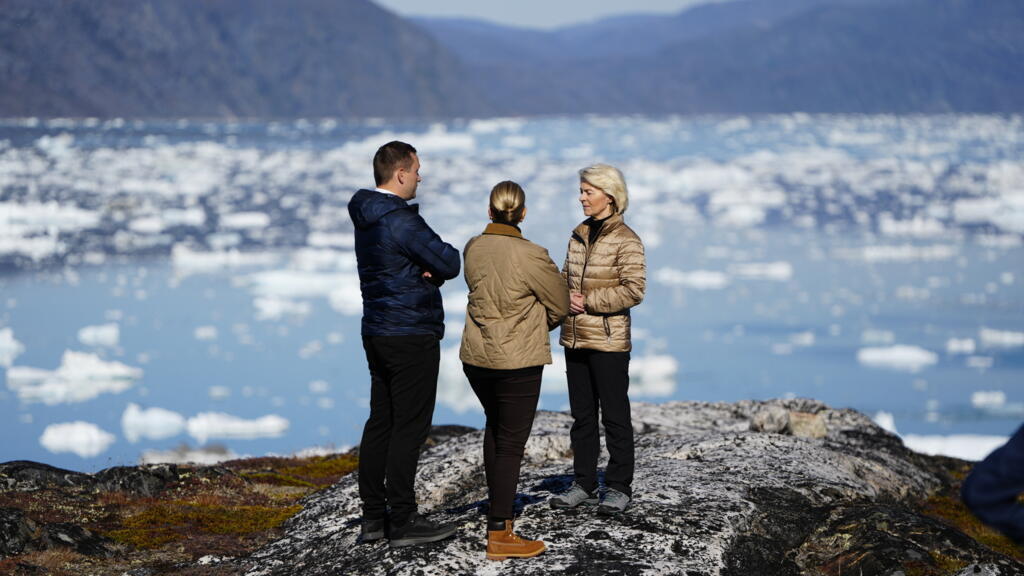
欧盟揭晓战略以在俄罗斯和美国压力下加强北极存在 欧盟周二公布其新的《北极战略》,旨在随着冰川融化开辟新的航运通道,提升其在远北地区的存在感,而与俄罗斯和美国的紧张关系日益加剧,使该地区成为地缘政治焦点。
EU unveils strategy to bolster Arctic presence amid pressure from Russia and the US The European Union unveils its new "strategy for the Arctic" on Tuesday, aiming to step up its presence in the far north as melting ice opens new maritime routes, and tensions with Russia and the United States increasingly put the region in the geopolitical spotlight.
欧盟将于周二公布计划,以加强其在北极的立足点,因为它正面临来自俄罗斯和美国在该关键战略地区的压力。
The European Union (EU) is to unveil plans to bolster its footholdin the Arctic onTuesday, as it grapples with pressure from Russia and the United States in the key strategic region.
根据法新社看到的其新《北极战略》草案,从关键原材料到破冰船和海底电缆,欧盟希望在地缘政治竞争场中提升其存在感。
From critical raw materials to icebreakers and undersea cables, the bloc wants to up its presence in the geopolitical battleground, according to a draft of its new "strategy for the Arctic" seen by AFP.
“北极的新现实要求欧洲成为一个强大而可靠的伙伴。这就是我们通过新战略所旨在实现的目标,”欧盟国际伙伴关系负责人约泽夫·西克拉表示。
"The new reality in the Arctic requires Europe to be a strong and reliable partner. That is precisely what we aim to achieve with our new strategy," said Jozef Sikela, the EU's head of international partnerships.
“该战略应对了该地区最紧迫的挑战,从气候变化加速到安全和地缘政治紧张局势的加剧,并阐明了欧洲应如何作出回应。”随着全球变暖导致海冰融化,北极的竞争正在加剧。俄罗斯、中国和美国等国家一直在加大活动力度——争相夺取自然资源和新的航运通道。
"It addresses the region's most pressing challenges, from accelerating climate change to growing security and geopolitical tensions, and sets out how Europe should respond." Competition is on the rise in the Arctic as global warming causes sea ice to melt. Countries such as Russia, China and the United States have been ramping up activity – racing to claim natural resources and new maritime routes.
由于丹麦、芬兰和瑞典是欧盟27个成员国中的三个北极国家,欧盟在这场竞争中有切身利益。
With three Arctic nations among its 27 members – Denmark, Finland and Sweden – the EU has skin in the game.
美国总统唐纳德·特朗普反复威胁将格陵兰——一个广阔的自治丹麦领土——置于美国控制之下,这让欧洲感到不安。
And US President Donald Trump's repeated threats to bring Greenland – a vast, autonomous Danish territory – under US control have rattled Europe.
考虑到北极地区的事件也会对更南方地区产生影响,该战略将由欧盟委员会主席乌尔苏拉·冯德莱恩提出,旨在制定欧盟对该地区的共同应对方式。
Given that what happens in the far north also has repercussions further south, the strategy, which is to be presented by the EU chief Ursula von der Leyen, aims to set out a common EU approach to the region.
AFP 看到的草案强调了与“志同道合”的非欧盟国家合作的必要性,例如加拿大、英国和挪威;并设想定期举办“北方邻里”伙伴峰会。美国呢?
The draft seen by AFP stresses the need for cooperation with "like-minded" non-EU nations, such as Canada, Britain and Norway; and envisages a regular summit of "Northern Neighbourhood" partners. What about the US?
美国最近一直是该地区的关键盟友,被列为可能参与的国家之一,但该国在文件其余部分中更显著地体现在其缺席上。
Only recently a key ally in the region, the United States is listed among those who could participate, but the country is otherwise more noticeable for its absence from the remainder of the document.
尽管特朗普的语气自年初以来有所缓和——最终导致与格陵兰和丹麦达成安全协议——但欧洲许多人仍持警惕态度。
While Trump's tone has cooled since the beginning of the year – eventually leading to theg of a security deal with Greenland and Denmark – many in Europe remain wary.
在美国被提及的次数仅为寥寥几次,而在20页的文件中,加拿大则被提及近两打次。该战略中列出的一些倡议显然旨在减少对华盛顿的依赖。
The United States is named only a handful of times in the 20-page paper, compared with almost two dozen mentions for Canada. Some of the initiatives listed in the strategy seemingly aim to cut dependencies on Washington.
根据草案,布鲁塞尔正计划建设一条“主权且安全”的海底电缆,以连接格陵兰与欧盟本土,作为更广泛的“泛北极”电缆项目的一部分——该项目还将连接加拿大、日本和韩国。
According to the draft, Brussels is planning a "sovereign and secure" submarine cable to connect Greenland with the EU's mainland as part of a broader "Pan-Arctic" cable project – also linking Canada, Japan and South Korea.
该集团还正通过卫星星座项目IRIS²在北极地区提供卫星连接,该项目旨在与埃隆·马斯克的星链(Starlink)竞争。
The bloc is also working to provide satellite connectivity in the Arctic through satellite constellation project IRIS², which aims to rival Elon Musk's Starlink.
文件还指出,如何应对俄罗斯的侵略行为也是重中之中,文件提到了诸如“无人机入侵”和海底电缆破坏等混合威胁。
How to counter an aggressive Russia is also top of mind, with the document pointing to hybrid threats such as "drone incursions" and the sabotage of undersea cables.
该战略设想通过更好的数据共享来监控莫斯科所谓的“影子舰队”——即用于规避制裁的油油轮。
The strategy envisages better data-sharing to monitor Moscow's so-called "shadow fleet" of sanctions-busting oil tankers.
同时,它还强调了提升欧洲破冰船队重要性,称布鲁塞尔将制定方案,与盟友共同采购、共享和汇集极地船只。
And it stresses the importance of boosting Europe's icebreaker fleet, saying Brussels will develop options for joint procurement, pooling and sharing of polar vessels with allies.
此外,还预见了对可再生能源和关键原材料项目的投资,这是一系列其他计划的一部分。
Investments in renewable energy and critical raw material projects are also foreseen, among a series of other plans.