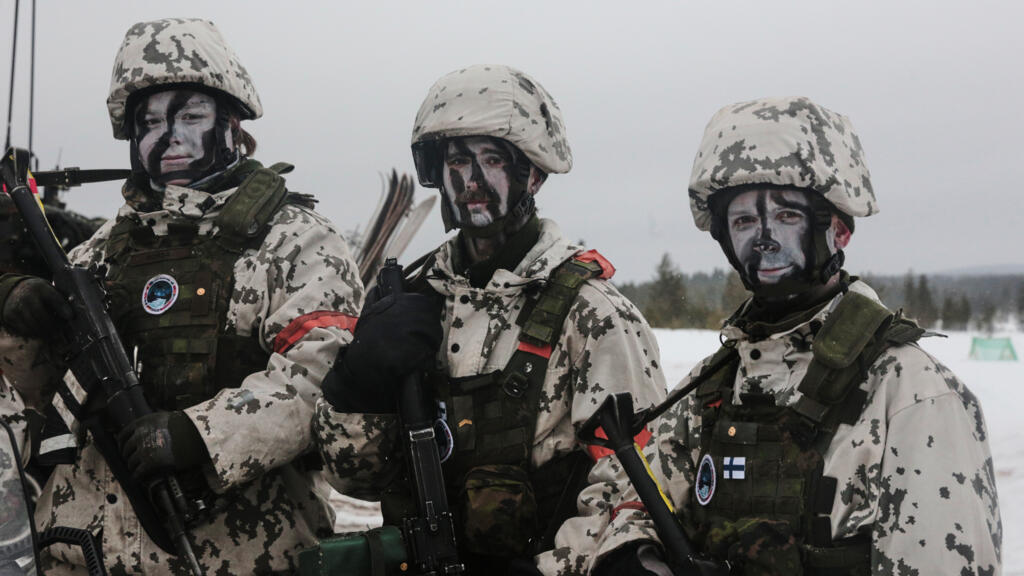
欧盟公布了新的北极战略,计划加强在远北地区的存在,因为海冰融化开辟了新的航运航线,而资源、基础设施和安全方面的竞争日益激烈。
The European Union has unveiled a new Arctic strategy, setting out plans to strengthen its presence in the far north as melting sea ice opens new shipping routes and competition intensifies over resources, infrastructure and security.
从破冰船和海底电缆到卫星连接和关键原材料,该战略旨在让欧洲在俄罗斯、中国和美国日益争夺的地区发挥更大作用。
From icebreakers and undersea cables to satellite connections and critical raw materials, the strategy aims to give Europe a stronger role in a region increasingly contested by Russia, China and the United States.
欧盟委员会主席乌尔苏拉·冯德莱恩宣布了建立海事安全中心的计划,以追踪俄罗斯规避制裁的影子船队,同时还将设立一个中心,在北大西洋和北极地区监测、保护和修复海底电缆。
European Commission President Ursula von der Leyen announced plans for a Maritime Security Hub to track Russia’s sanctions-busting shadow fleet, alongside a centre to monitor, protect and repair undersea cables in the North Atlantic and Arctic.
欧盟资金将支持摄像头、传感器和卫星,以探测潜在威胁,布鲁塞尔还将支持一条连接格陵兰与欧盟的安全海底电缆。
EU funding would support cameras, sensors and satellites to detect potential threats, and Brussels would also back a secure submarine cable connecting Greenland directly to the bloc.
“当我们看到,该地区主权、领土完整以及长期支撑稳定的规则已不再理所当然时,我们必须采取行动,改变战略姿态,”冯德莱恩周二表示。
“When we see that sovereignty, territorial integrity and the rules that have underpinned stability in the region can no longer be taken for granted, we have to act and change our strategic posture,” von der Leyen said on Tuesday.
该计划还旨在扩大欧洲的破冰船舰队,并加强民用和军用的交通联系,将北极贸易航线与欧洲港口、铁路和能源终端连接起来。
The plan also aims to expand Europe’s icebreaker fleet and strengthen transport links for civilian and military use, connecting Arctic trade routes with European ports, railways and energy terminals.
要显示来自 X(Twitter)的内容,您必须启用跟踪和受众测量。
To display this content from X (Twitter), you must enable tracking and audience measurement.
斯瓦尔巴群岛如何从北极前哨变成地缘政治热点“北方邻域”欧盟通过其27个成员国中的三个——丹麦、芬兰和瑞典——在该地区有直接利益,超过50万欧盟公民生活在北极地区。在该地区,非欧盟国家冰岛和挪威属于欧洲单一市场。
How Svalbard went from from Arctic outpost to geopolitical flashpoint 'Northern Neighbourhood' The EU has a direct stake in the region through three of its 27 member states – Denmark, Finland and Sweden – and more than half a million EU citizens live in the Arctic. In the region, non-EU countries Iceland and Norway belong to Europe’s single market.
对布鲁塞尔来说,挑战在于扩大欧洲的存在,同时应对与华盛顿日益不确定的关系以及莫斯科带来的安全威胁。
For Brussels, the challenge is to expand Europe’s presence while responding to a more uncertain relationship with Washington and the security threat posed by Moscow.
新战略将与“志同道合”国家的合作置于欧盟方针的核心位置,将加拿大、英国和挪威确定为重要伙伴。
The new strategy places cooperation with “like-minded” countries at the centre of the EU’s approach, identifying Canada, the United Kingdom and Norway as important partners.
该战略设想定期举行峰会,汇聚“北部邻域”伙伴,并创建一个论坛,以便就该地区面临的挑战进行更紧密的协调。
It envisages regular summits bringing together “Northern Neighbourhood” partners and creating a forum for closer coordination on the region’s challenges.
美国属于可能参与的国家之一,但其角色尚不确定,这反映了欧洲对美国总统唐纳德·特朗普屡次威胁将格陵兰置于美国控制之下的不安。
The United States is among the countries that could participate but its role is uncertain, reflecting European unease over President Donald Trump’s repeated threats to bring Greenland under US control.
格陵兰是丹麦王国内部一个拥有广阔领土的自治领地,已成为人们对华盛顿北极野心感到担忧的特定焦点。
Greenland, a vast self-governing territory within the Kingdom of Denmark, has become a particular focus of concern over Washington’s Arctic ambitions.
特朗普自今年初以来已软化了语气,随后美国与格陵兰和丹麦签署了一项安全协议。
Trump has softened his tone since the beginning of the year, and the US subsequently signed a security agreement with Greenland and Denmark.
欧盟主管推出2亿欧元格陵兰援助计划,正值特朗普主张引发紧张局势之际 然而,欧洲的警惕依然存在。据法新社在该文件发布前看到的文件显示,战略文件仅在寥寥几处提及美国,而提及加拿大的次数则接近两打。
EU chief unveils €200m Greenland package amid tensions over Trump claims European wariness has persisted, however. The strategy mentions the US only a handful of times, compared with almost two dozen references to Canada – according to the document, seen by French news agency AFP ahead of its presentation.
多项举措将使欧洲对服务于该地区的基础设施拥有更大控制权,从而有可能减少对美国供应商的依赖。
Several initiatives would give Europe greater control over infrastructure serving the region, potentially reducing reliance on US providers.
拟建的直接连接格陵兰与欧盟的海底光缆,将构成更广泛的“泛北极”项目的一部分,该项目还将连接加拿大、日本和韩国。
The proposed cable connecting Greenland directly to the EU would form part of a broader “Pan-Arctic” project also linking Canada, Japan and South Korea.
布鲁塞尔还在通过“伊里斯平方”(IRIS²)计划卫星星座,努力将卫星连接覆盖至整个北极地区,旨在与埃隆·马斯克的“星链”等服务展开竞争。
Brussels is also working to extend satellite connectivity across the Arctic through IRIS², its planned satellite constellation, which aims to rival services such as Elon Musk’s Starlink.
基础设施与安全 俄罗斯的军事建设及海上活动是另一核心关切,战略强调了包括无人机闯入和针对海底光缆的破坏活动在内的混合威胁。
Infrastructure and security Russia’s military buildup and activities at sea are another central concern, with the strategy highlighting hybrid threats including drone incursions and sabotage targeting undersea cables.
该计划中的“海上安全中心”将加强对莫斯科“影子舰队”的监控——这些油轮被用于规避制裁,并为俄罗斯在乌克兰的战争提供资金支持。该中心的职责范围还将包括打击非法捕鱼行为、防止海洋污染,以及协助开展搜救行动。
The planned Maritime Security Hub would improve monitoring of Moscow’s shadow fleet – oil tankers used to circumvent sanctions and generate revenue for Russia’s war in Ukraine. Its remit would extend to detecting illegal fishing and pollution, as well as supporting search and rescue operations.
俄罗斯的“影子舰队”为何能够持续逃避欧洲的监管?欧洲方面也希望提升自己在极地环境中的行动能力。据官员估计,俄罗斯拥有约40艘破冰船,而芬兰则拥有约10艘破冰船。
How Russia’s shadow fleet keeps slipping through Europe’s net Europe also wants to improve its ability to operate in polar conditions. Officials estimate that it has around 10 icebreakers, most of them in Finland, compared with roughly 40 in Russia.
布鲁塞尔计划与合作伙伴共同采购极地航行所需的船只,并探索这些船只的共享机制,以帮助各国更有效地利用这些昂贵且专业化的船舶,用于航行和科研活动。
Brussels will explore joint procurement and arrangements for pooling and sharing polar vessels with partners, helping countries make better use of expensive, specialised ships for navigation and research.
除了这些安全措施外,该战略还包含了在可再生能源及关键原材料项目上的投资,旨在将该地区与欧洲的整体经济目标更紧密地联系在一起。欧盟同时强调,其目标并不包括在北极地区进行石油和天然气勘探;欧盟继续反对购买从该地区(包括挪威)开采的化石燃料。
Alongside those security measures, the strategy foresees investment in renewable energy and critical raw material projects, linking the region more closely to Europe’s wider economic priorities. The EU has also stressed that its ambitions do not include drilling for Arctic oil and gas, maintaining its opposition to buying fossil fuels extracted in the region, including from partner Norway.