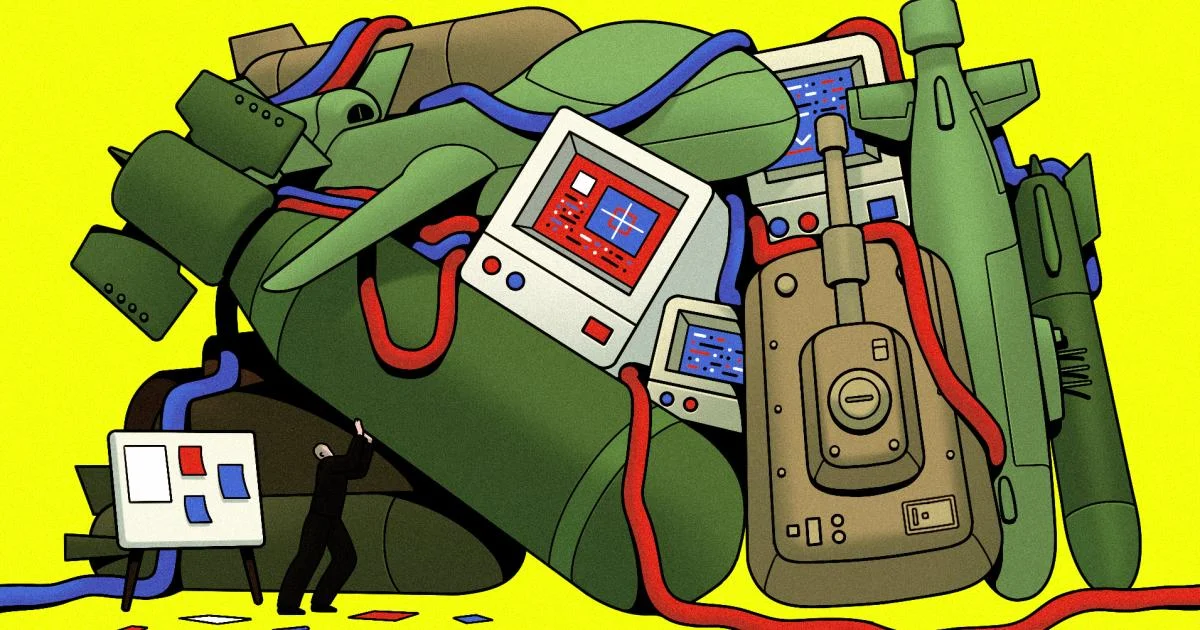
在关于国家安全的讨论往往因党派和意识形态而两极分化之际,政治光谱各方的分析人士和政策制定者似乎对一件事达成了共识:战争的未来将由技术决定。高超音速导弹、量子计算、无人机群和人工智能都被誉为将塑造战场、重塑战略、颠覆既有军事理论的变革性技术。
At a time when debates about national security tend to be polarized along partisan and ideological lines, there is one thing analysts and policymakers across the political spectrum seem to agree on: the future of warfare will be determined by technology. Hypersonic missiles, quantum computing, drone swarms, and artificial intelligence have all been hailed as transformative technologies that will shape battlefields, remake strategies, and upend established military doctrines.
毫无疑问,这些技术已经产生了巨大影响。在加沙、伊朗、黎巴嫩、乌克兰以及其他地区,凡是具备使用人工智能和自主系统能力的各方都已这么做——在空中、陆地和海上,有时甚至以规模庞大的方式使用。毫无疑问,为了保持其作为世界领先作战力量的地位,美国军队必须确保拥有最先进、最前沿的能力。为了继续发展和实战化这些技术,国防规划者应优先考虑规模化和整合这些技术,并制定创新的作战概念来使用它们。被中国等竞争对手超越的风险是真实存在的。
Without question, these technologies are already having a tremendous impact. In Gaza, Iran, Lebanon, Ukraine, and elsewhere, every party with the capacity to employ artificial intelligence and autonomous systems has done so—in the air, on land, and at sea, and at times in massive numbers. And there is also no question that in order to maintain its status as the world’s preeminent fighting force, the U.S. military must ensure that it has the most sophisticated and cutting-edge capabilities available. To continue developing and operationalizing these technologies, defense planners should prioritize scaling and integrating them and developing innovative operational concepts to employ them. The risk of being overtaken by rivals such as China is real.
但同样重要的风险也存在:可以称之为“技术陷阱”,即政策制定者对创新将如何改变战争以及未来战争将呈现什么样子产生了误置的确定感,而未能充分关注战争的不变基本要素。过度关注技术的作用将是短视的,并可能使军队走上危险的道路,尤其是当规划者对新能力将如何发展高度自信,并根据这种自信做出决策时——而这种自信几乎肯定是误置的。
But an equally significant risk exists: call it “the technology trap,” in which policymakers develop a misplaced sense of certainty about how innovations will change war and what warfare will look like in the future, while not paying enough attention to the unchanging fundamentals of war. An excessive focus on the role of technology would be shortsighted and lead militaries in dangerous directions, especially if planners are highly confident about how new capabilities will develop and make decisions in line with that confidence—which will almost certainly be misplaced.
在战争策划者眼中,对技术解决方案的信心可能会掩盖最根本的问题:谁杀人,谁死亡,谁做决定?在后冷战时代,这种近视导致了阿富汗、伊拉克、乌克兰和加沙的可怕后果。在未来十年,随着美中紧张关系持续,技术的迷雾可能为一场灾难性的大国战争铺平道路。政策制定者应少担心在正确的时间获得正确的技术,而更应担心对技术的执着可能使他们忽视战争的基本要素,并在虚的确定性中找到安慰。
For war planners, faith in technological answers can obscure the most fundamental questions: Who kills, who dies, and who decides? In the post–Cold War era, this myopia has contributed to dreadful outcomes in Afghanistan, Iraq, Ukraine, and Gaza. In the decade to come, as U.S.-Chinese tensions persist, the fog of tech could help pave the way for a disastrous great-power war. Policymakers should worry less about getting the right technology at the right time and more about how fixating on technology might make them lose sight of the essential elements of war and find comfort in false certainty.
透过玻璃,昏暗地望去超过50年前,军事史学家迈克尔·霍华德曾著名地警告说,未来的战争是不可知的。“我确实有冲动宣称,武装部队目前正在研究的任何作战理论都是错误的,”他写道。“我也有冲动宣称,他们错了并不重要。重要的是,他们在关键时刻到来时能够迅速纠正错误的能力。”但霍华德可能对犯错的代价持有过于乐观的看法。
THROUGH A GLASS, DARKLY More than 50 years ago, the military historian Michael Howard famously cautioned that future wars are unknowable. “I am tempted indeed to declare dogmatically that whatever doctrine the Armed Forces are working on now, they have got it wrong,” he wrote. “I am also tempted to declare that it does not matter that they have got it wrong. What does matter is their capacity to get it right quickly when the moment arrives.”But Howard may have been a bit too sanguine about the costs of getting it wrong.
对美国人而言,最近历史中的典型例子是,1990–91年海湾战争中美军的技术优势似乎预示着一种新的、高科技的美国作战方式,这将在后冷战时代保证胜利。然而,华盛顿慢慢且痛苦地意识到,击败萨达姆·侯赛因政权的技术优势,在9/11之后的战争中未能击败阿富汗和伊拉克的叛乱。
For Americans, the paradigmatic example from recent history is how the U.S. military’s technological prowess in the 1990–91 Gulf War seemed to herald a new, high-tech American way of war that would guarantee victory in the post–Cold War era. Instead, Washington slowly and painfully learned that the technological advantages that beat Saddam Hussein’s regime could not defeat insurgencies in Afghanistan and Iraq during the post-9/11 wars.
如今,由于科技进步的速度之快、规模之大以及复杂性之高,预测技术在未来的战争中会扮演何种角色变得更加困难。过去,那些具有革命性的创新技术在初期往往需要耗费大量资源或人力,或者需要只有少数人才掌握的专业知识与技能。例如,19世纪的步枪、铁路和电报,以及20世纪的喷气式战斗机和核武器,它们的研发和应用都涉及高昂的成本与复杂的流程。
Predicting the role of technology in future wars has become even harder today thanks to the speed, scale, and complexity of contemporary technological progress. In the past, transformative innovations tended to be expensive at their outset—in resources or personnel—or required specialized knowledge and skills accessible to only a few. Think of the combined power of the rifle, the railroad, and the telegraph in the nineteenth century, or fighter jets and nuclear weapons in the twentieth century.
相比之下,许多现代技术的门槛要低得多:它们生产成本低廉,相关技术知识的获取也已经实现了普及和全球化。因此,如今的交战双方在战场上往往处于更加平等的地位,这使得战争策划者更难以准确判断新的军事工具何时、以及会在多长时间内带来决定性的优势。
By contrast, many of today’s technologies have low barriers to entry: they are cheap to produce, and access to the knowledge necessary to make them has been democratized and globalized. Enemies today often face each other on more equal battlefields, making it trickier for war planners to understand when and for how long new tools will confer an outsize advantage.
在乌克兰,渔民使用的渔网已成为抵御无人机攻击的最有效手段之一。
In Ukraine, fishermen’s nets are one of the most effective antidrone defenses.
过分关注采购最先进的装备,也掩盖了高端技术如何与更基础的工具协同工作的方式。在2010年代,国防规划者在预测未来战场时未能考虑到这种动态,他们认为未来战场将由先进平台主导。2017年,一名五角大楼高级官员宣称,F-35隐形战斗机将是“战争的胜负手”。
Focusing too much on procuring the shiniest equipment also obscures the ways that high-end technology works in tandemwith more basic tools. In the 2010s, defense planners failed to account for this dynamic when predicting future battlefields, which they believed would be dominated by sophisticated platforms. In 2017, a senior Pentagon official declared that the F-35 stealth fighter would be “a war winner.”
2018年《国防战略》由现任国防部次长埃尔布里奇·科尔比指导起草,预计少数几种主要高端能力——包括先进计算、人工智能、机器人技术、高超音速技术和生物技术——将“确保我们能够打赢未来的战争”。然而,出现的却是像乌克兰战争这样的冲突,可以形容为“一战遇上三战”。精密的俄罗斯弹道导弹对乌克兰城市造成严重破坏,战斗机投送的精确制导滑翔炸弹亦是如此,这些战斗机在防空系统射程之外。
The 2018 National Defense Strategy, drafted under the direction of Elbridge Colby, who now serves as undersecretary of defense, anticipated that a few primarily high-end capabilities—including advanced computing, artificial intelligence, robotics, hypersonics, and biotechnology—would “ensure we will be able to fight and win the wars of the future.”Instead, what emerged were conflicts such as the war in Ukraine, which can be described as World War I meets World War III. Sophisticated Russian ballistic missiles wreak havoc on Ukrainian cities, as do precision-guided glide bombs delivered by fighter aircraft out of the range of air defenses.
与此同时,然而,高致命性炸弹由简单气球携带的无人机投下,而最有效的反无人机防御之一,则是渔民的渔网(或类似网具)覆盖在安检站、关键基础设施上,在伊久姆的情况下,甚至覆盖整个小型乌克兰城市。认为先进技术将主导战场的确定感,是一种想象力的失败,并产生了现实后果:十多年前,很少有人会预测到,在一场美以对伊朗的战争中,廉价的伊朗无人机会袭击海湾阿拉伯国家的软目标,而自二月以来,这种情况已经发生。
At the same time, however, highly lethal bombs are dropped by drones carried aloft by simple balloons, and one of the most effective antidrone defenses consists of fishermen’s nets (or similar netting) draped over security checkpoints, critical infrastructure, and, in the case of Izium, an entire small Ukrainian city. A sense of certainty that sophisticated tech would dominate battlefields represented a failure of imagination that has produced real-world consequences: a dozen years ago, few would have predicted that during a U.S.-Israeli war on Iran, cheap Iranian drones would assault soft targets in Gulf Arab states, as they have since February.
重心所在 对技术的痴迷可能掩盖这样一个前提:战争始终是一项人类活动。正如军事理论家卡尔·冯·克劳塞维茨近两个世纪前所说,“战争不是有生命的力量作用于无生命的质量……而始终是两个有生命的力量的碰撞。”技术可能会不经意地让战争显得机械而无菌。但战争的本质并未改变。其语言是暴力,而技术仅仅提供了新的、不同的沟通方式。因此,无论技术如何变化,战争的根本问题依然重要:目标是什么(尤其是就政治而言),方式是什么,手段是什么?
THE CENTER OF GRAVITY An obsession with technology can obscure the precept that war remains a human endeavor. As the military theorist Carl von Clausewitz said almost two centuries ago, “War is not the action of a living force upon a lifeless mass . . . but always the collision of two living forces.”Technology can inadvertently make war appear mechanical and sterile. But the nature of war has not changed. Its language is violence, and technology simply offers new and different ways to communicate. Therefore, the fundamental questions of war remain salient regardless of technological change: What are the ends (particularly with respect to politics), the ways, and the means?
领导人被技术的诱惑所分心,或许最危险的时刻,就是在考虑是否开战之初。
Perhaps the most perilous time for leaders to be distracted by the allure of technology is when considering whether to go to war in the first place.
他们常常错误地认为,技术会使在政治上这样做的成本降低,尤其是当他们假设创新将有助于减少伤亡时。对技术所带来的有形且可量化的优势的执着,可能会削弱人们对诉诸暴力的更广泛后果的重要辩论和讨论。这种动态很可能影响了俄罗斯决定入侵乌克兰。普京及其顾问认为,由于始于2009年的大规模技术改革努力,俄罗斯军队具备了足够的能力。
They often mistakenly believe that technology will make doing so less costly in political terms, particularly if they assume innovations will help reduce casualties. A fixation on the tangible and quantifiable advantages technology confers can detract from vital debate and discussion of the broader consequences of resorting to violence. This dynamic likely influenced Russia’s decision to invade Ukraine Putin and his advisers believed that the Russian military was sufficiently capable thanks to a massive technological reform effort that began in 2009.
在2022年全面入侵前夕,俄罗斯国防部长谢尔盖·绍伊古自豪地宣称,俄罗斯军队超过70%装备了先进武器。然而,入侵仅几周后,显然这并未给莫斯科带来多少优势。同样,美国和以色列试图在2026年推翻伊朗政权的行动也受到这种思维的影响,部分原因在于他们相信美国军队的 sophistication(精密程度),尤其是相较于对手,使得成功几乎不可避免。
In the run-up to the 2022 full-scale invasion, Russian Defense Minister Sergei Shoigu proudly claimed that more than 70 percent of Russia’s military had advanced weapons. Within weeks of the invasion, it had become clear this had conferred little advantage on Moscow. The same goes for the U.S.-Israeli attempt to topple the Iranian regime in 2026, a decision shaped in part by the belief that the sophistication of the American military, particularly when compared with its opponent, made success almost inevitable.
事实上,在2025年美国对伊朗核设施的袭击之后,国防部长皮特·赫格塞斯宣称,此次袭击向德黑兰展示了华盛顿的军事能力是“几乎无限的”。但事实是,当伊朗政权在2026年的进攻中挺住,甚至成功封锁霍尔木兹海峡时,这些能力的局限变得格外明显。
In the wake of U.S. strikes on Iran’s nuclear sites in 2025, Secretary of Defense Pete Hegseth declared that the attack showed Tehran that Washington’s military capabilities are “nearly unlimited.”In fact, the limits of those capabilities became glaringly obvious when the Iranian regime withstood the 2026 onslaught and even managed to close the Strait of Hormuz.
有办法避免技术陷阱。首先是开战前确定明确的目标。规划者必须在开第一枪之前就形成一套胜利理论,然后稳步将其付诸实践。这些关键过程不能被技术否定,也不能外包给技术。在发动2026年对伊朗战争之前,特朗普政府未能清楚阐明行动目标,而是提出了一套不断变化的理由和依据,以及对理想终局的各种不同描述。其希望似乎是,技术魔法将使其有可能实现一长串愿望清单上的所有事项,而无需排定优先次序或权衡取舍。
There are ways to avoid the technology trap. The first is to determine a clear goal before going to war. Planners must develop a theory of victory before a single shot is fired and then steadily put that theory into practice. These critical processes cannot be negated by or outsourced to technology. Before launching the 2026 war on Iran, the Trump administration failed to clearly articulate the operation’s goal, instead offering a shifting set of justifications and rationales and various descriptions of the desired end state. The hope seems to have been that technological wizardry would make it possible to achieve everything on a long wish list without having to prioritize or navigate tradeoffs.
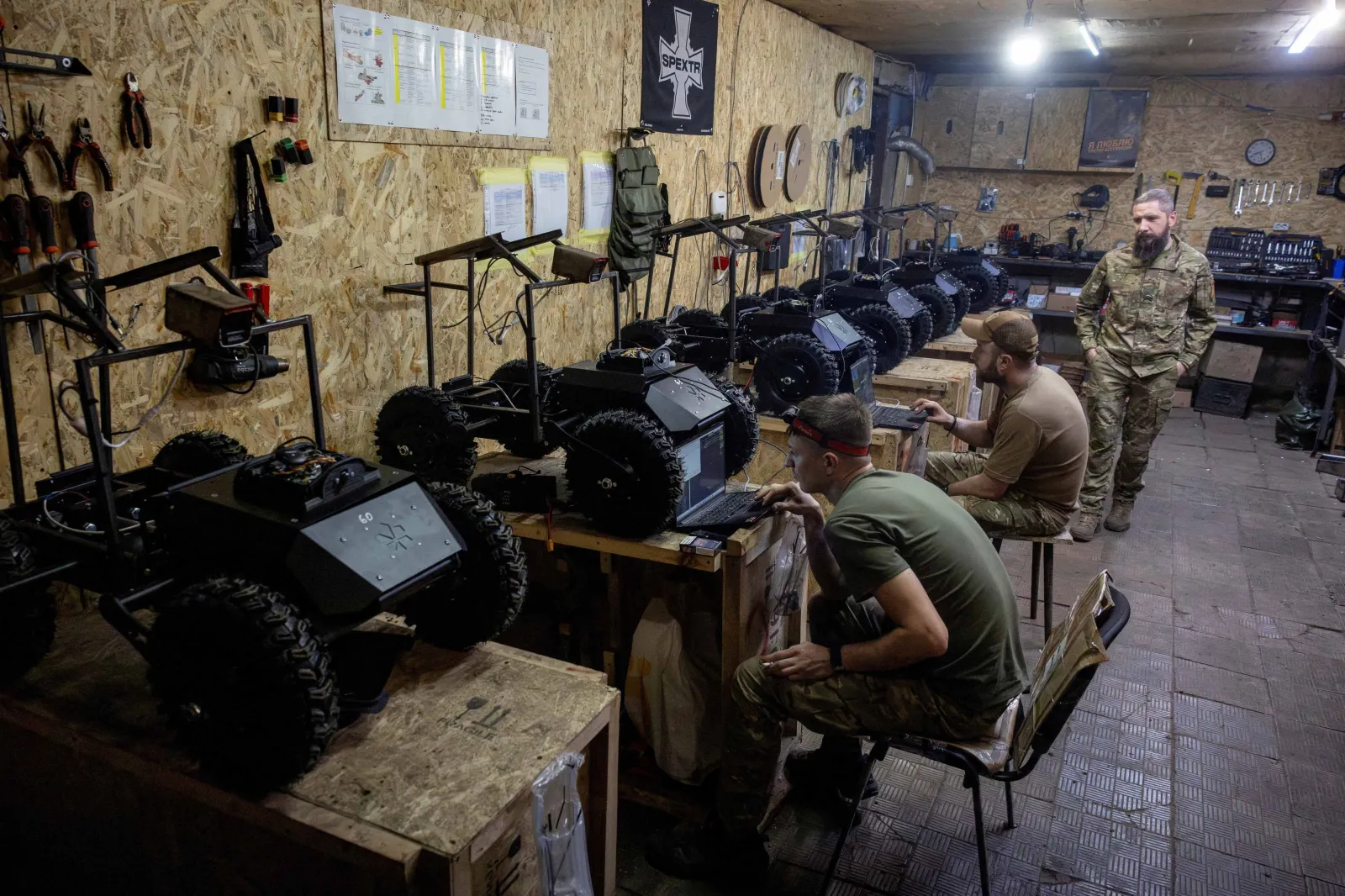
为明确目标,规划者必须确定克劳塞维茨所说的军事行动“重心”:“一切力量和运动的枢纽,一切都依赖于它。”这是对手力量的源头所在,因此需要成为军方注意力和资源的焦点。在1990至1991年的海湾战争中,美军中东指挥官诺曼·施瓦茨科普夫将军将萨达姆·侯赛因对其军队的指挥与控制确定为重心。因此,美国战略侧重于削弱萨达姆与其部队通信的能力,并削弱伊拉克军队执行命令的能力——这一局面有助于说服萨达姆接受停火。
To clarify goals, planners must identify what Clausewitz termed “the center of gravity” of a military operation: “the hub of all power and movement, on which everything depends.”This is where an opponent’s power originates, so it needs to be the focus of a military’s attention and resources. During the 1990–91 Gulf War, the commander of U.S. forces in the Middle East, General Norman Schwarzkopf, identified the center of gravity as Saddam Hussein’s command and control of his military. Accordingly, U.S. strategy focused on impeding Saddam’s ability to communicate with his troops and weakening the Iraqi military’s ability to execute orders—a state of affairs that helped convince Saddam to accept a cease-fire.
如果对把努力投向何处以及如何衡量其效果缺乏这种清晰认识,军队将难以实现其目标。在2003年伊拉克战争初期,美军未能将伊拉克民众确定为重心——也就是说,未能理解政治和军事领导层已不再掌握控制权——结果导致多年毁灭性损失,因为这鼓励了助长反美情绪、助推叛乱、并使建立可信且运转正常的政府更加困难的战术。
Without this clarity about where to direct efforts and how to measure their impact, a military will struggle to achieve its ends. Early in the 2003 Iraq war, the U.S. military’s inability to identify the Iraqi population as the center of gravity—that is, failing to understand that the political and military leadership no longer wielded control resulted in years of devastating losses by encouraging tactics that fomented anti-American sentiment, fueled an insurgency, and made it more difficult to establish a credible and functioning government.
另一种避免技术陷阱的方法,是在战争期间和战争之间,对所吸取的教训进行审慎、公正且定期的审查。
Another way to avoid the technology trap is to conduct deliberate, impartial, and regular reviews of lessons learned during and between wars.
伊朗密切研究了以色列和美国于2025年对其核设施发动的袭击。认识到另一场战争很可能对伊朗伊斯兰共和国政权构成生存威胁,伊朗安全部门官员开展了一场认真而强烈的准备工作。通过在2026年战争期间,在政治和军事两个层面下放指挥与控制权,该政权得以在漫长的攻势中幸存下来。美国的盟友当然同样具备这种适应能力。
Iran closely studied the attacks that Israel and the United States carried out on its nuclear sites in 2025. Recognizing that another war would likely pose an existential risk to the Islamic Republic regime, Iranian security officials engaged in a serious and intense effort to prepare. By devolving command and control at both the political and the military levels during the 2026 war, the regime has survived a lengthy onslaught. U.S. allies are, of course, equally capable of such adaptation.
近年来,北约联合分析与经验教训中心一直保留着一个专门研究乌克兰战争的研究团队,这是将这项任务制度化的明智方式,也可能成为应用于其他战区的典范。众志成城,各尽所能?
In recent years, NATO’s Joint Analysis and Lessons Learned Centre has maintained a team of researchers dedicated to studying the war in Ukraine, a smart way to institutionalize this task and a potential model to apply to other theaters. ALL FOR ONE, ONE FOR ALL?
战略目标、准备和学习相结合,仍然是战争中有效决策的关键,无法被技术取代。同样,作战的方式和手段受技术影响,但并未从根本上被其改变。首先,考虑联盟的重要性以及管理联盟的困难。开战会暴露盟友之间截然不同,甚至相互对立的利益、目标和观点。规划者在冲突激烈时面对分歧时,可以设计权宜之计,但这些可能只是掩盖战略分歧的短期修补。
The combination of a focus on strategic aims, preparation, and learning remains crucial for effective decision-making in war and cannot be replaced by technology. Similarly, the ways and means of warfare are influenced by technology but have not been fundamentally changed by it. Consider, first, the importance of coalitions and the difficulties of managing them. Going to war exposes the distinct and sometimes even opposing interests, objectives, and perspectives of allies. Planners can devise workarounds when they face disagreements in the heat of conflict, but those may be short-term fixes that mask strategic cleavages.
2026年初,美国和以色列仅依靠彼此的力量对伊朗发动了战争。尽管两国军队在历史上从未如此紧密地协同作战,但取得的战果却十分有限。这一结果不禁让人对这对盟友的战略决策能力产生质疑,尽管双方都拥有强大的技术实力。值得注意的是,两国未能成功拉拢地区内或欧洲的其他伙伴参与行动。起初,多个美国的盟友及伙伴国均拒绝允许美军使用其领土、军事基地及领空。
In early 2026, the United States and Israel launched the war on Iran relying solely on each other. Although the U.S. and Israeli militaries have never operated more closely together in the history of their relationship, their limited success calls into question the partnership’s strategic acumen, despite its remarkable technological capabilities. The two countries notably failed to bring in other partners in the region or in Europe. Early on, several U.S. allies and partners denied the American military access to their territory, bases, and airspace.
虽然美国防务规划者一直清楚此类许可未必能顺利获得——例如2003年时土耳其便拒绝让美军从本国领土入侵伊拉克——但此次的抵制程度与规模却远超以往。虽然大多数国家最终还是默许了美军行动,但那些最初拒绝配合的国家却给美国的防务计划带来了麻烦,因为美国的作战模式本就依赖于遍布全球的军事基地网络。
Although U.S. defense planners have always understood that they might not receive such permissions—Turkey, for example, was unwilling to let the U.S. military invade Iraq from Turkish territory in 2003—the resistance this time was of a different quality and scale. Although most countries ultimately acquiesced, the ones that initially declined threw a wrench into U.S. defense planning, since the American way of war is predicated on an unparalleled global basing network.
据多家媒体报道,以色列在2025年的战争中于伊朗境内设立了军事集结地,又在2026年在伊拉克建立了类似基地,从而绕过了这一难题。不过这种临时拼凑的应对方式也给军事规划带来了诸多问题。
According to several media reports, Israel found ways around this challenge by setting up a military staging area in Iran during the 2025 war and one in Iraq in 2026. But the ad hoc nature of such creative approaches causes problems for military planning.
随着战争持续胶着,阿拉伯海湾国家虽未正式加入美以联盟,但在冲突期间,巴林、科威特、沙特阿拉伯和阿联酋均多次对伊朗动用武力。这些国家愿意动武本身便具有重要意义,但即便拥有诸多先进军事能力,它们的军事行动也未能对战场局势产生实质性影响。反观伊朗,则巧妙地利用其代理人——黎巴嫩民兵组织真主党——将其卷入冲突,从而得以借助火箭弹、迫击炮,尤其是价格低廉的无人机等相对简易的技术手段来施展影响力。
As the war has dragged on, the Arab Gulf states have not formally joined the U.S.-Israeli coalition, although at various times during the conflict, Bahrain, Kuwait, Saudi Arabia, and the United Arab Emirates have used military force against Iran. Their willingness to use force was significant in and of itself, but it did not influence the battlefield, despite some of the sophisticated capabilities those countries possess. On the other side, Iran masterfully managed its proxy, the Lebanese militia Hezbollah pulling it into the conflict and enabling Tehran to project power through relatively unsophisticated technologies such as rockets, mortars, and most notably, cheap drones that Hezbollah repeatedly deployed against Israeli soldiers in Lebanon and Israeli civilians inside Israel.
真主党多次利用这些武器袭击黎巴嫩境内的以色列士兵以及以色列本土的平民。与此同时,俄罗斯也协助伊朗锁定海湾地区的美军设施,造成了极具破坏性却未能扭转战局的后果。
Meanwhile, Russia also helped Iran target U.S. military facilities in the Gulf, resulting in devastating (though not determinative) consequences.
在欧洲,维持军事联盟的复杂性同样显而易见。欧洲的防务规划者正面临一个安全方面的“三难困境”:首先,他们必须设法将实力强劲且现代化程度较高的乌克兰军队纳入整个欧洲的防御体系。随着德国大幅加大军费投入,欧洲还须应对内部军事力量格局的变化——这一变化令人联想到历史上那些不安定的时期。更令人难以置信的是,过去一年里,欧洲各国还不得不考虑美国可能发起侵略的风险:时任美国总统唐纳德·特朗普曾流露出希望美国控制格陵兰岛的意图。
The complexities of coalition maintenance are on display in Europe, as well, where defense planners are wrestling with a security trilemma. First, they must figure out how to incorporate a highly capable and modernized Ukrainian military into continental defense planning. As Germany turbocharges investments in its military, Europe must also contend with a shift in its internal balance of military power—one with uneasy historical echoes. And, incredibly, during the past year, Europeans have had to consider the risk of aggression on the part of the United States, as President Donald Trump mused about securing U.S. control of Greenland.
上述三大现实因素使得欧洲的战略制定面临诸多权衡难题——因为若着重处理其中任何一项,都极有可能影响其他两项的实施效果;而目前尚无任何技术手段能为此提供解决方案。
These three realities introduce a host of tradeoffs into European strategy, since prioritizing any one of them would likely make it harder to deal with the other two—and no technology offers a way out.
安全第一 技术决定论也可能导致对伤亡人数的错误假设——无论是平民还是军方人员。如今,目标选择越来越受人工智能的影响,打击行动也越来越多地由自主系统执行。许多人认为,这些技术进步将提高目标选择的精准度,并更好地保护平民。然而,截至目前,尚不清楚自主系统是否真的兑现了这一承诺。例如,在加沙战争期间,以色列军方人员能够快速批准由名为“Lavender”的人工智能系统生成的目标。
SAFETY FIRST Technological determinism can also lead to faulty assumptions about casualties—both civilian and military. Today, target selection is increasingly shaped by artificial intelligence, and strikes are increasingly carried out by autonomous systems. Many have argued that these technological advances will improve targeting and better protect civilians. To date, however, it is unclear whether autonomous systems have delivered on this promise. During the war in Gaza for example, Israeli military personnel have been able to rapidly approve targets generated by an artificial intelligence system called Lavender.
但此类系统反映了决策者设定的交战规则,而在2023年10月7日哈马斯对以色列发动袭击之后,以色列军方提高了在打击哈马斯武装分子时所能接受的平民伤亡水平。也许正是出于这一原因,进行实验测试约2000名以色列军方人员决策能力的研究人员发现,在涉及高水平附带损害的假设情景中,他们表现出“算法厌恶”,并倾向于更多依赖人类决策。
But such systems reflect the rules of engagement set by decision-makers, and after Hamas’s October 7 attack on Israel in 2023, the Israeli military raised the level of civilian casualties it would accept when striking Hamas militants. Perhaps for that reason, researchers who conducted an experiment testing the decision-making of around 2,000 Israeli military personnel found that in hypothetical scenarios involving high levels of collateral damage, they demonstrated “algorithmic aversion” and a desire to rely more on human decision-making.
具有讽刺意味的是,随着新技术的发展,平民反而可能变得更加脆弱,而非更加安全。这些新技术使得攻击军事人员和目标变得更加困难,从而增加了附带损害的风险;同时,某些势力甚至可能因此被激励去故意攻击平民和弱势目标。包括美国军队在内的许多军队都在越来越多地使用技术来降低自身部队所承担的风险。
Ironically, civilians may become more vulnerable, not less, as new technologies make it harder to attack military personnel and targets, increasing the risk of collateral damage and even providing some parties with an incentive to deliberately attack civilians and soft targets. Many militaries, including the American one, increasingly employ technology to minimize the risks borne by their own forces.
这种追求“完美战争”(即尽可能减少人员伤亡的战争)的愿望其实并不新鲜。1990年至1991年的海湾战争中,约有70万名美国军人参与作战,但与人们预期的“血腥屠杀”不同,仅有143名美军士兵阵亡——这一结果支持了“技术使得大规模军事行动能够以极低的风险进行”的观点。然而两年后的摩加迪沙战役打破了这一看法:美国军队在索马里遭遇了惨重损失(18名士兵死亡),因为索马里武装分子使用了价格低廉、技术含量较低的武器(如步枪、机枪和火箭推进榴弹)。
This desire for immaculate war is not new. Nearly 700,000 U.S. service members participated in the Gulf War in 1990–91, and contrary to expectations of a bloodbath, only 143 of them died, an outcome that bolstered arguments that technology had made it possible to carry out major military operations with minimal risk to American troops. Two years later, the Battle of Mogadishu undercut that view, as the U.S. military withdrew from Somalia after 18 service members died in a protracted fight with Somali militants armed with cheap and relatively low-tech weapons such as rifles, machine guns, and rocket-propelled grenades.
本世纪初,美国迅速推翻了阿富汗的塔利班政权,这再次让人们燃起了对“技术革新能够实现几乎无流血战争”的期望;但随后在阿富汗和伊拉克发生的激烈战斗再次让这种幻想破灭了。
Early in the present century, the rapid American overthrow of the Taliban in Afghanistan rekindled the dream of relatively bloodless warfare made possible by innovations. But the grinding fights that followed there and in Iraq once again poured cold water on the idea.
不过,人们对技术的期望始终未灭,美国军队似乎仍在计划利用高科技手段来降低自身人员的风险。例如,在今年1月于委内瑞拉开展的行动中,美军动用了特种部队,并结合了太空和网络技术,以及150多架飞机和无人机,目的仅仅是逮捕委内瑞拉总统尼古拉斯·马杜罗一人。而在伊朗,美军则主要通过空中和海上袭击来试图改变当地局势。
Technological hopes spring eternal, however, and the U.S. military once again seems to be planning operations that use high-tech tools to reduce risks to its personnel. In an operation carried out in Venezuela this past January, that meant employing special operations forces complemented by space-based and cyber platforms and more than 150 aircraft and drones—all to capture a single person, Venezuelan President Nicolás Maduro. In Iran, it has meant waging a war to transform conditions on the ground, but with attacks carried out primarily from the air and by sea.
诚然,这种做法与美国并未卷入生存战争这一事实有关。当美国军队与将冲突视为生存问题的对手交战时,如伊朗案例所示,美国官员往往对对手拒绝退让、愿意承受惊人损失感到惊讶。即使技术能够减少美军伤亡,也不应因此绕过关于是否开战的充分政治辩论。毕竟,伤亡几乎不是当代战争可能带来的唯一代价。即使伤亡相对较低的战争,也可能摧毁经济、推翻政府、撕裂社会。
To be sure, this approach is linked to the fact that the United States is not engaged in existential wars. And when the U.S. military has fought an adversary that perceives the conflict as existential, as in the Iranian case, American officials are often surprised that their adversaries refuse to back down and are willing to absorb staggering losses. Even if technology allows for fewer American casualties, that does not mean it should short-circuit robust political debate about whether to go to war. Casualties, after all, are hardly the only cost that contemporary warfare can impose. Even wars that produce relatively low casualties can destroy economies, bring down governments, and rip apart societies.
回归基础 许多十年未打过仗的国家,例如中国,可能比美国更容易陷入技术陷阱。这些国家可能专注于获取创新工具,而非为那些懂得大规模整合新技术的对手做准备。鉴于美国在制定与技术进步相关的作战概念方面拥有丰富的近期经验,这可能为华盛顿带来一些机遇。但中国等国家可能对自身能力同样充满信心,尽管其经验远不如美国,这意味着误判和升级的风险可能轻易增加。
BACK TO BASICS Countries that haven’t waged war in many decades, such as China may be even more susceptible than the United States to the technology trap. Such countries might focus on acquiring innovative tools rather than preparing for adversaries that know how to integrate new technologies at scale. This may present some opportunities for Washington given its substantial recent experience in formulating concepts of operation tied to technological advancements. But countries such as China might be no less confident about their capabilities, even though they are significantly less experienced, which means the risks of miscalculation and escalation could easily increase.
对新技术的盲目信任可能导致军队规模大幅缩减,因为机器将取代人类士兵。在美国,这种转变可能进一步拉大普通民众与军人之间的隔阂:越来越少的人会关心、甚至了解华盛顿究竟在何种情况下、出于何种原因会动用武力。军队与其所服务的社会日益脱节,这对军队自身及整个民主制度而言都是有害的,因为它违背了“战争决策应体现民众意愿”这一基本原则。
Deep faith in new technologies could result in much smaller militaries, as machines replace human personnel. In the United States, this shift could widen the gap that already exists between ordinary Americans and those who serve, as even fewer Americans will have connections to—and therefore care about—how, when, where, and why Washington resorts to military force. This detachment of the military from the society it serves is corrosive to the institution itself and to democracy more broadly since it undermines the principle that war-making should reflect the will of the people.
那些实行征兵制的国家虽不会面临同样的问题,但技术决定论同样会影响其与民众的关系:即便这些国家需要的服役人员数量减少,技术因素仍可能进一步边缘化那些常被征召入伍的社会群体,进而削弱社会凝聚力。
Countries that rely on conscription won’t face quite the same problem, but technological determinism will affect their relationships with their publics, as well: even if such countries need fewer citizens to serve, the technology trap could still reduce social cohesion by further marginalizing the sectors of society from which conscripts tend to be drawn.
技术决定论最恶劣的影响或许在于它会削弱威慑效力。决策者容易受技术对战场影响的决定论观点影响,采取目光短浅的武力使用策略。有效的威慑需要对手能够准确解读有关双方实力与决心的信号。若冲突双方都对自身及对方的实力充满信心,便可能产生竞相展示更强战斗决心的压力。
Perhaps the most pernicious effect of the technology trap might be the way it could hollow out deterrence, as policymakers are tempted to adopt a myopic approach to the use of force shaped by deterministic views of technology’s impact on the battlefield. Deterrence requires an adversary to cogently read signals regarding capability and will. If both parties in a conflict have confidence in their own capabilities and in those of the other side, they may face increasing pressure to outdo each other in demonstrating a greater will to fight.
这种态势极易引发危险的军备升级循环,尤其是当人们还默认技术能最大限度减少人类在战争中的作用与责任时,情况更是如此。
Such a dynamic could result in a dangerous escalation spiral, particularly if it is paired with assumptions that technology will minimize the role and responsibilities of humans.
摆脱技术迷雾是可能的。战略家和官员最需要把握的是,尽管作战手段将不断变化,战争的本质不会改变。在技术或其他任何方面,都不存在,也永远不会存在,在派遣军队投入战斗、杀戮和牺牲之前必须面对的那些艰难问题的捷径。
It is possible to escape the fog of tech. The most important thing for strategists and officials to grasp is that even though the means of warfighting will keep changing, the fundamental nature of war will not. There is not, and will never be, a shortcut—technological or otherwise—to answering the hard questions one must confront before sending troops to fight, kill, and die.