当今的国际政治感觉就像一场集体梦游深渊。三大趋势尤其令人担忧。人工智能正在将新旧威胁推向全球化并为其加速。与此同时,没有任何一个国家强大到足以强加秩序。而且,就像以往的全球危机时期一样,地缘政治集团正在固化,国际合作越来越被描绘成软弱的表现。遗憾的是,我们有充分的理由担心历史最坏重演。
International politics today feels like a collective sleepwalk into the abyss. Three trends are particularly alarming. Artificial intelligence is globalising and turbocharging old and new threats. Meanwhile, no state is strong enough to impose order. And, as in earlier periods of global crisis, geopolitical blocs are hardening, with international cooperation increasingly portrayed as weakness. Alas, there is ample reason to fear a repetition of the worst of history.
人们高度关注美中之间爆发战争的风险,因为霸权力量的转移在历史上往往会产生冲突。然而,这并不是正在发生的事情。相反,我们正在接近一个没有霸权国家的国际秩序,几个国家和地区集团正在争夺影响力。用国际关系理论的行话来说,我们正处于真正的全球多极化的前夜。
Much attention has focused on the risk of war between the US and China, as shifts in hegemonic power historically produce conflict. That is not, however, what is happening. Instead, we are approaching an international order with no hegemon, with several states and regional blocs competing for influence. Using the jargon of international relations theory, we are on the cusp of genuine global multipolarity.
人工智能正在给现有的权力结构增添进一步的压力。一方面,我们都被转变为神一般的存在——不久之后,任何创新或信息都将触手可及。但它也在剥夺每个人的权力,制造新的威胁,并使旧的威胁更难遏制。
Artificial intelligence is adding further stress to existing power structures. On the one hand, we are all being transformed into godlike figures — soon no innovation or information is beyond our reach. But it is also disempowering everyone, creating new threats and making old ones harder to contain.
大国发现越来越难以将权力转化为控制力。这在军事领域已经显而易见,廉价无人机和人工智能辅助瞄准改变了传统的等级制度。美国拥有庞大的军事库,却无法迫使伊朗这个孤立且破产的神权政权屈服;俄罗斯试图征服乌克兰的失败则是另一个强国未能如愿的例子。
Larger states are finding it increasingly difficult to convert power into control. This is already evident in the military domain, where inexpensive drones and AI-assisted targeting have changed traditional hierarchies. The US, with its vast military arsenal, is unable to force an isolated and bankrupt theocracy in Iran to bend the knee; Russia’s failed attempt at subjugating Ukraine is another example of a much more powerful state not getting its way.
新技术正使得失控现象在其他领域变得更加显而易见。下一场大流行病可能源于隐秘实验室,并证明其致死性远超新冠病毒。毁灭性的网络攻击可能从某人的车库发起。前沿人工智能系统可能脱离人类控制。人工智能可能降低研发核武器的门槛,而生物武器可能在无人察觉的情况下扩散。
New technology is making the loss of control even more evident in other domains. The next pandemic could originate in a hidden laboratory and prove far deadlier than COVID-19. Devastating cyberattacks could be launched from someone’s garage. Frontier AI systems could spiral beyond human control. AI could lower the barriers to developing nuclear weapons, while biological weapons could proliferate without anyone noticing.
此类威胁不分国界。如果某个国家建立了有效的安全措施,不法行为者只会转移到别处并从那里实施部署。一个国家可以拥有压倒性的军事和经济实力,却仍无法阻止病原体、预防网络攻击或遏制危险技术的扩散。基于以强求和平、地区霸权和零和权力博弈的战略,将如同用重型武器对付蚊子——代价高昂且行不通。
Such threats recognise no borders. If one state establishes effective safety measures, nefarious actors will simply move somewhere else and deploy from there. A state can possess overwhelming military and economic capabilities and still be unable to stop a pathogen, prevent a cyberattack or contain the spread of dangerous technologies. Strategies based on peace through strength, regional primacy and zero-sum power dynamics will be like fighting mosquitoes with heavy weaponry — costly and unworkable.
然而,世界大部分地区正在加倍坚持正是这些战略。一些国家领导人专注于在人工智能领域取胜并实现数字霸权。通过国际法和国际机构谈判相互约束被视为天真或自毁前程。这些做法充其量只是无效。作为全球政策,它们可能毁灭人类。仿佛能听到早期战时一代人的声音:“别再上当了。”考虑到不受约束的国家野心加上薄弱的国际规则和机构在过去如何伤害了我们,我们真的不该再上当。
Yet much of the world is doubling down on precisely these strategies. Some state leaders are focusing on winning AI and achieving digital supremacy. Negotiating mutual constraints through international law and institutions is seen as naive or self-defeating. Such approaches are at best ineffective. As global policy, they can destroy humanity. It is as though one can hear the voices of earlier wartime generations: “Do not fall for it again.”And we really shouldn’t, given how unfettered national ambition coupled with weak international rules and institutions has hurt us in the past.
然而,许多人似乎无法应对这一挑战。原因之一必然是我们倾向于低估随时间累积的风险。每年1%的全球灾难概率听起来令人欣慰地渺小。然而,放在一个世纪的尺度上,这相当于约63%的灾难几率——这是一个无法容忍的风险水平。
Yet many seem incapable of rising to the occasion. One reason is surely our tendency to underestimate risks that accumulate over time. A 1 percent annual probability of a global catastrophe may sound reassuringly small. Yet, over a century that translates into roughly a 63 percent chance of catastrophe—an intolerable level of risk.
军事力量仍然是必要的。但在多极化和人工智能这一新的范式下,确保真正安全的唯一途径是通过强大的国际机构和法律。必须制定并实施全球标准。必须允许国际组织对各国国境内的活动进行监测、视察并报告。各国政府将不得不定期分享敏感信息。通过合作实现和平必须成为新的全球口号;这并非出于利他主义,而是因为这是实现真正安全的唯一途径。
Military strength will remain necessary. But the only way to ensure real security in this new paradigm of multipolarity and artificial intelligence is through powerful international institutions and laws. Global standards must be developed and enforced. International organisations must be allowed to monitor, inspect and report on activities within countries’ borders. Governments will regularly have to share sensitive information. Peace through cooperation must be the new global slogan; not out of altruism but because it is the only way to achieve real security.
幸运的是,我们不必从零开始。联合国、世界贸易组织(WTO)和世界卫生组织(WHO)等机构仍然拥有无与伦比的权威和合法性。国际原子能机构(IAEA)已经证明,国际监测即使在高度敏感的领域也能有效核实合规情况。
Fortunately, we don’t have to start from scratch. Institutions such as the United Nations, the World Trade Organization (WTO) and the World Health Organization (WHO) still retain unparalleled authority and legitimacy. The International Atomic Energy Agency (IAEA) has shown that international monitoring can effectively verify compliance even in highly sensitive areas.
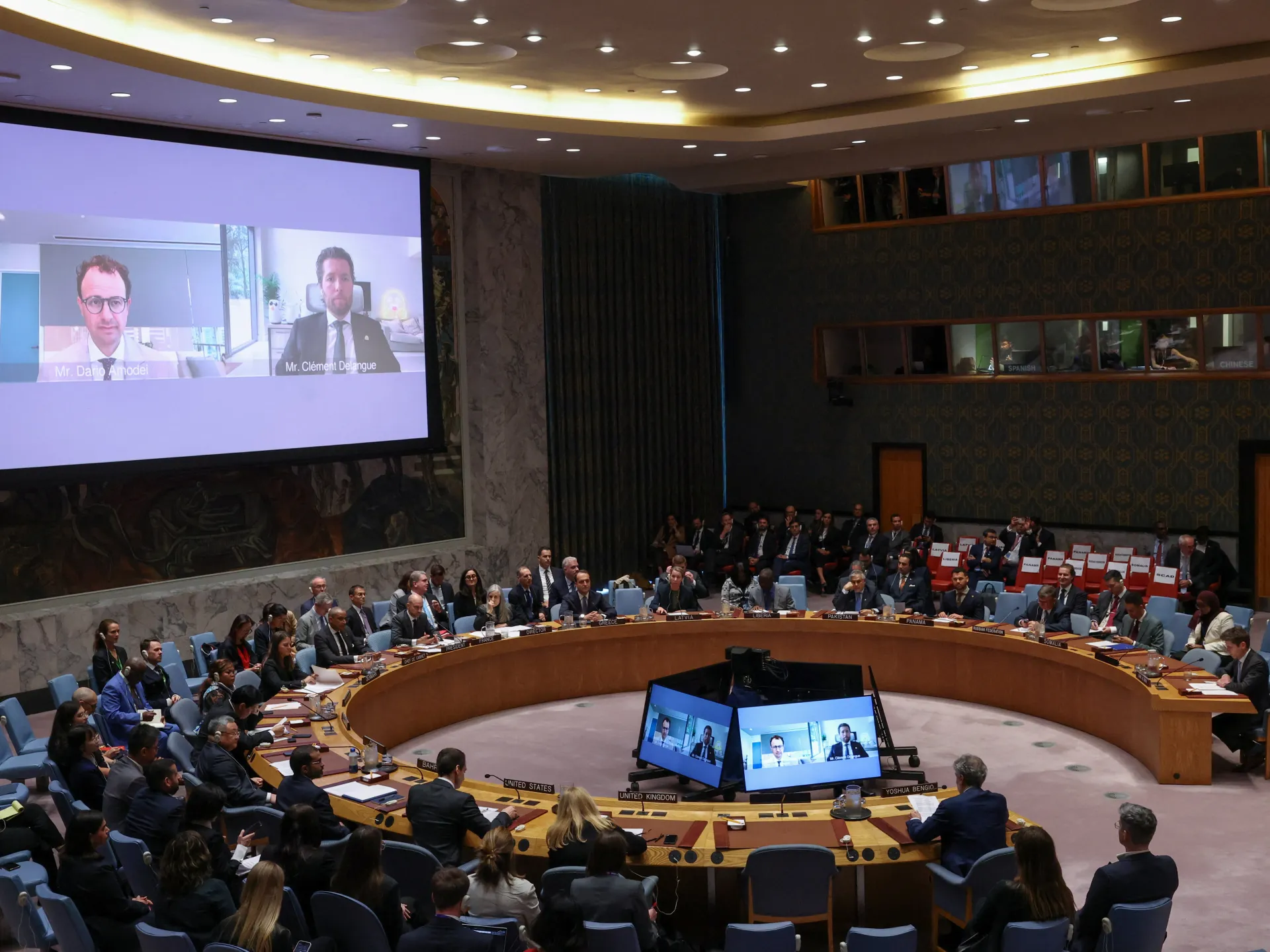
近期发生的事件为人们带来了一些乐观的理由。去年,世界卫生组织通过了一项《大流行协定》,这将提高全球对预防和减轻未来卫生紧急情况的集体准备能力。联合国大会最近通过了旨在保护公海生物多样性的《国家管辖外海域生物多样性协定》(BBNJ协定),这是至少十年来第一项具有重要意义的全球条约。安理会已经表明,它正严肃对待人工智能带来的安全挑战;在今年9月举行的一场备受瞩目的辩论中,大多数政府以及领先的人工智能开发商纷纷呼吁加强全球治理和更强大的国际监督机制。
Recent events offer some grounds for optimism. Last year, the WHO adopted a Pandemic Agreement, which will improve the world’s collective readiness to prevent and mitigate future health emergencies. The UN General Assembly recently adopted the BBNJ Agreement to protect biodiversity on the high seas, the first global treaty of consequence in at least a decade. The Security Council has shown that it’s serious about addressing the security challenges posed by AI; during a high-profile debate in September this year, most governments and leading AI developers alike called for stronger global governance and more robust international oversight mechanisms.
这些都是令人鼓舞的迹象。但总体而言,在正需要反其道而行之的时刻,各国对这类全球框架的投入却少得可怜。
These are encouraging signs. But overall, states are investing too little in such global frameworks at a time when the opposite is needed.
挪威已将扭转这一趋势列为优先事项。我们将尊重国际法和有效的多边机制界定为核心国家安全利益。我们正在大力投资联合国改革;作为联合国最大的资金捐助国之一,我们拥有杠杆作用,将利用这一点推动更高的效率。单靠挪威力量太小,无法改变国际政治的走向。但通过与志同道合的国家建立跨区域联盟,我们能够产生真正的影响。
Norway has made it a priority to break the curve. We have defined respect for international law and effective multilateral institutions as a core national security interest. We’re investing heavily in UN reform; as one of the UN’s largest financial contributors, we have leverage which we will use to push for greater effectiveness. Alone, Norway is too small to change the course of international politics. But through cross-regional coalitions with like-minded countries, we can make a real difference.
最近的一个例子发生在9月,当时挪威首相斯特勒和芬兰总统斯图布共同发起了一项联合行动呼吁,旨在建立对先进人工智能模型的全球监管和控制。来自世界各地的国家已加入该倡议。希望这能成为该领域采取具体国际行动的跳板。
One recent example came in September when Norwegian Prime Minister Jonas Gahr Store and Finnish President Alexander Stubb launched a joint Call for Action to establish global oversight and control over advanced AI models. Countries from all over the globe have joined the initiative. Hopefully, it can serve as a springboard for concrete international action in this field.
在多极世界中,无人掌舵。这一新现实正在形成之际,技术却让威胁更难遏制。因此,我们这个时代的决定性挑战将是将多极性与多边主义相结合。在无人能强加秩序的情况下建立有效机制本质上是困难的。但正如前几代人能够克服深重挑战一样,我们也能做到。
No one is in charge in a multipolar world. This new reality is taking shape precisely as technology is making threats harder to contain. The defining challenge of our time will therefore be to couple multipolarity with multilateralism. Building effective institutions when no one can impose order is inherently difficult. But just as previous generations were able to overcome profound challenges, so can we.
只有在经历了第一、二两次世界大战的亲历灾难之后,各国才围绕共同的法律原则和制度团结起来。我深信,随着时间的推移,各国将再次意识到这是唯一出路。但仍有待观察的是,我们能否在不先经历另一场规模堪比世界大战的全球危机的情况下,鼓起必要的决心。
It was only after the lived catastrophes of the first and second World Wars that nations united around shared legal principles and institutions. I am convinced that, in time, states will once again realise that this is the only way. What remains to be seen, however, is whether we can muster the necessary resolve without first experiencing another global crisis of world-war-like proportions.