日益增长的呼声要求更频繁地审查每日交易量达9.5万亿美元的货币市场准则,以确保其能跟上人工智能的快速发展步伐。
There’s a growing push to review guidelines for the $9.5 trillion-a-day currency market more often, to make sure they keep pace with artificial intelligence’s rapid advance.
全球外汇委员会——协调外汇市场标准的国际机构——目前每三年更新一次市场最佳实践原则。据知情人士透露,该组织代表及其他市场参与者正在讨论是否增加针对潜在技术相关风险的审查频率。
The Global Foreign Exchange Committee — the international body that coordinates FX market standards — currently updates its best-practice principles for the market once every three years. Representatives of the group and other market participants are debating whether to increase the frequency of reviews for potential technology-related risks, according to people familiar with the matter.
该全球准则于2017年推出,此前市场操纵丑闻引发了数十亿美元的罚款,旨在根除一个由各地监管拼凑而成的市场中的不当行为。鉴于利润空间已非常微薄,业界担心再发生一次重大失误可能会促使监管机构实施更具指令性、成本更高的监管制度。
Introduced in 2017, after market-rigging scandals triggered multi-billion dollar fines, GFXC’s Global Code aims to stamp out misconduct in a market governed by a patchwork of local regulation. With margins already very thin, there is some concern that another major failure could prompt regulators to impose a more prescriptive and costly regime.
该准则下一次定于2027年进行评估,全球外汇委员会通常在12月召开会议。从技术上讲,该准则可临时进行审查。全球外汇委员会代表未立即回复通过电子邮件发出的置评请求。
The code is next set for evaluation in 2027, and the GFXC typically meets in December. The code can technically be reviewed on an ad-hoc basis. Representatives for GFXC didn’t immediately respond to an emailed request for comment.
在整个金融界,人工智能和自动化交易的兴起引发了担忧:旨在最大化利润的系统可能最终从事操纵性或有害的市场行为,即使它们并未被编程为此。这加剧了对问责制、监控和护栏机制的关注。
Across finance, the rise of AI and automated trading has fueled worries that systems designed to maximize profits could end up engaging in manipulative or harmful market behavior, even if not programmed to do so. That’s sharpened focus on accountability, surveillance and guardrails.
根据全球外汇委员会6月在多伦多举行的上次会议上一个小组会议的纪要,XTX Markets Ltd.、360T、高盛集团、金融市场稳定委员会和CIBC Capital Markets的代表一致认为,“快速的技术演变需要同样迅速的治理。”纪要称,自主系统应与全球外汇委员会的准则保持一致,且在自动化程度提高的背景下,应继续优先考虑对准则的遵守。
According to the minutes from a panel at the GFXC’s last meeting in Toronto in June, representatives of XTX Markets Ltd., 360T, Goldman Sachs Group Inc., the Financial Markets Stability Board and CIBC Capital Markets agreed that “rapid technological evolution requires equally swift governance.”Autonomous systems should be aligned with the GFXC’s Code and adherence should continue to be prioritized amid increased automation, the minutes said.
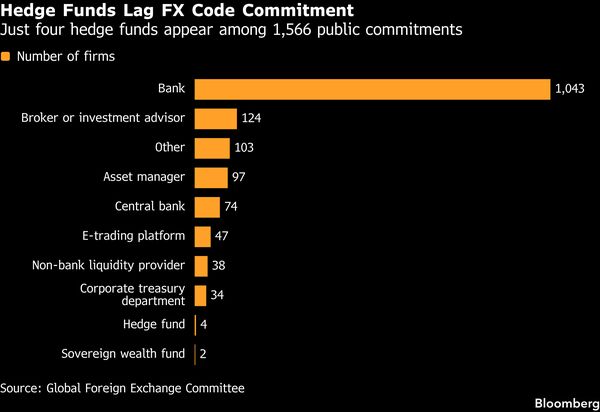
虽然银行和主要交易场所的遵守情况普遍良好,但对冲基金参与度相对较低仍是央行关注的重点领域,英格兰银行和墨西哥央行均在推动更广泛的采用。
While adherence is widespread among banks and major trading venues, relatively low hedge fund participation remains an area of focus for central banks, with both the Bank of England and Bank of Mexico pushing for greater adoption.
货币市场的闪崩——包括2016年英镑的暴跌——因算法交易而被放大,并帮助塑造了《准则》中关于扰乱性交易和算法执行治理的条款。
Flash crashes in currency markets — including sterling’s 2016 plunge — have been amplified by algorithms and helped shape the Code’s provisions on disruptive trading and governance around algorithmic execution.
牛津大学金融与技术领域教授尼尔·沃尔坎表示:“算法交易能做的所有坏事,人工智能都能做得更快、更糟。它能学会复制不良行为,潜在地导致市场操纵。”
“All the bad things that algorithmic trading can do, AI can do faster and worse,” said Nir Vulkan, professor at University of Oxford with a focus on finance and technology. “It can learn to replicate bad behavior, potentially causing market manipulation.”