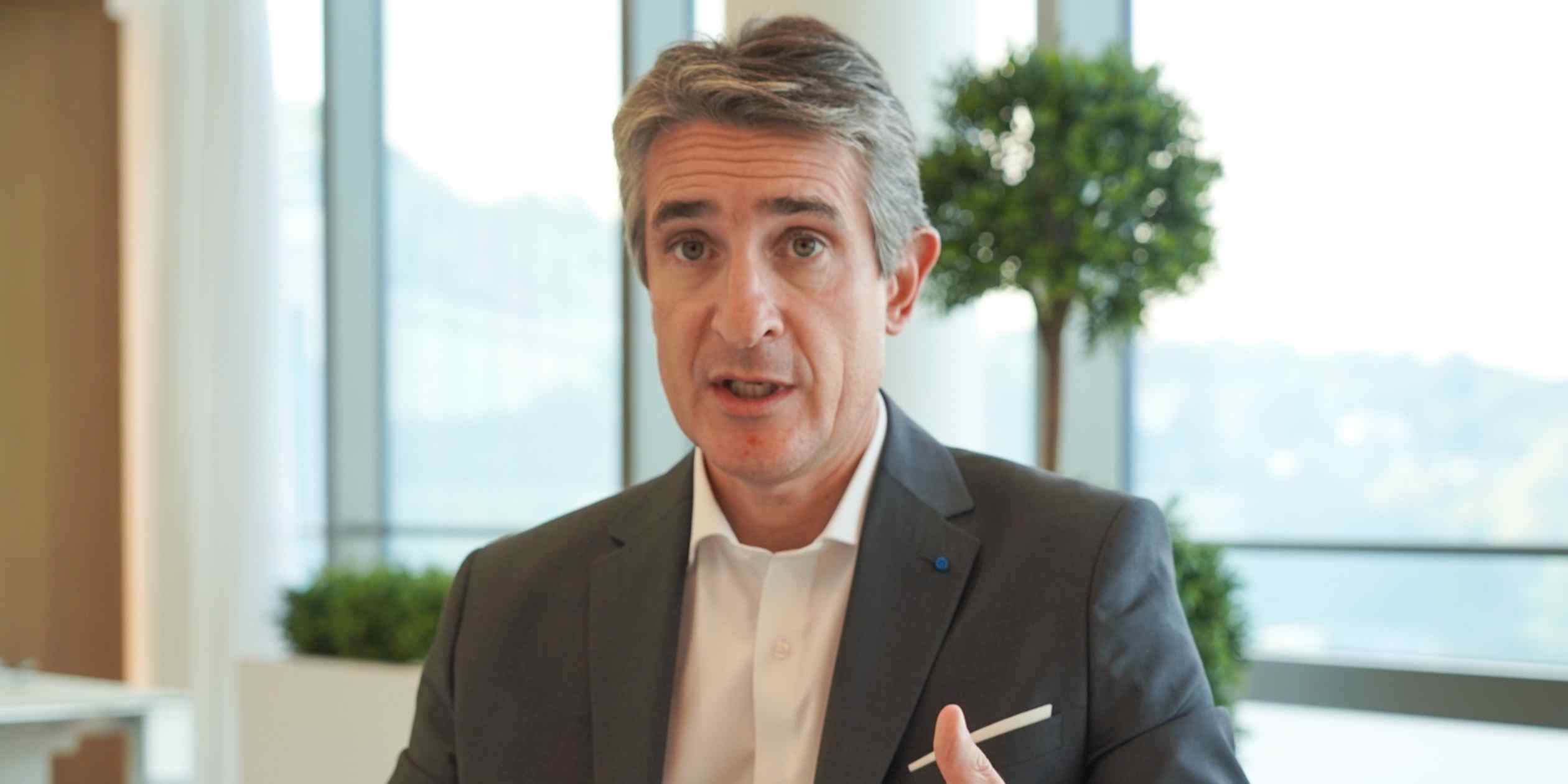
巴黎——法国国防与科技集团泰雷兹(Thales)的首席执行官帕特里斯·凯恩(Patrice Caine)在该公司位于巴黎郊外的总部接受《日经新闻》采访时表示,随着日本国防工业的不断发展,该公司在日本的业务拓展以及与日本企业的合作机会“非常多”。
PARIS -- French defense and technology group Thales sees "a lot of potential opportunities to grow" its business in Japan and for partnerships with Japanese companies, as the country expands its defense industry, CEO Patrice Caine told Nikkei at the company's headquarters outside Paris.
凯恩表示:“日本已经决定增加国防开支,因此相关市场正在不断扩大。”他补充说,泰雷兹可以在雷达和声纳技术等领域为日本提供支持。
Japan has "decided to invest more in defense. So ... the market is becoming bigger and bigger," Caine said. Areas where Thales could support Japan include radar and sonar, he added.
“雷达技术确实是泰雷兹的强项,或许我们可以在这一领域为日本提供帮助。”凯恩称,该公司计划在日本建立的国防装备维护与支持中心,是泰雷兹长期致力于日本市场的又一重要里程碑。
"The radar domain is really an area of excellence of the group. So maybe in this domain we can help Japan," he said. Caine called the defense equipment maintenance and support hub the company plans to establish in Japan a milestone in Thales' long-term commitment to the country.
当被问及与日本开展国防工业合作时可能面临的挑战时,凯恩表示:“老实说,我认为不存在任何重大障碍。”
Asked about challenges or concerns in defense industrial cooperation with Japan, given Tokyo lacks formal military alliances with France or other European countries, Caine said, "I don't see any, honestly."
泰雷兹采取了所谓的“多国本土化战略”,即在业务所在的国家建立生产、维护等设施。凯恩认为这一策略有助于增强这些国家的主权。近年来,泰雷兹超过一半的销售额来自国防相关业务,这些业务的年增长率一直保持在10%以上。
Thales has adopted what it calls a "multi-domestic strategy," under which it establishes production, maintenance and other facilities in the countries where it operates. Caine said this strategy brings countries "elements that would nurture their sovereignty." More than half of Thales' sales comes from defense-related businesses, which have posted annual growth of more than 10% in recent years.
凯恩指出:“各国在国防领域的投资水平与地缘政治密切相关。”他进一步分析道:“只要考虑到未来十年这种竞争格局将持续存在,就可以合理预测:在未来十年里,国防投资仍将保持强劲势头。”
"The level of investment in defense by countries is highly correlated with geopolitics," Caine said. "Just by making the assumption this situation will keep being challenging for the next decade, you come naturally to the conclusion that for the next decade, for the coming generation, defense investment will continue to be quite strong," he said.
今年4月,日本政府放宽了国防出口法规,允许有条件地向其他国家出售致命性武器。
The Japanese government eased defense export rules in April, allowing the conditional sale of lethal weapons to other countries.
当被问及日本防务企业可以向何处拓展时,凯恩表示:“欧洲是一个巨大的市场。”他指出,在某些年份,“欧洲防务物资中有超过50%来自欧洲以外。”
When asked where Japanese defense companies can expand into, Caine said, "Europe is a large market," pointing out that, in some years, "more than 50% of European defense supplies comes from outside Europe."
凯恩还探讨了现代战争带来的教训与挑战,在现代战争中,无人机和人工智能发挥着日益决定性的作用。在俄罗斯入侵乌克兰后,萨吉姆的雷达及其他装备已通过合作伙伴国家提供给乌克兰。
Caine also discussed lessons and challenges arising from modern warfare, in which drones and artificial intelligence play an increasingly decisive role. Thales' radar and other equipment have been supplied to Ukraine through partner countries following Russia's invasion.
他表示,低空攻击无人机“标准雷达无法探测”,而其公司的产品“老实说目前是世界上最好的雷达”,受到许多国家追捧。
He said low-flying attack drones "are not detected by standard radars," and that his company's products, "which are honestly at the moment the best radars in the world," are sought after by many countries.
凯恩呼吁建立一个关于武装冲突中使用人工智能的国际政府间监管框架。他将其与管理核能的国际体系作比较,表示重要的是“第一,让这项技术保持在人类控制之下;第二,用于善举。”
Caine called for the creation of an international intergovernmental regulatory framework regarding the use of AI in armed conflict. Drawing a comparison with international systems established to manage nuclear energy, he said it is important "to keep this technology under the control of humans, number one, and for the good, number two."