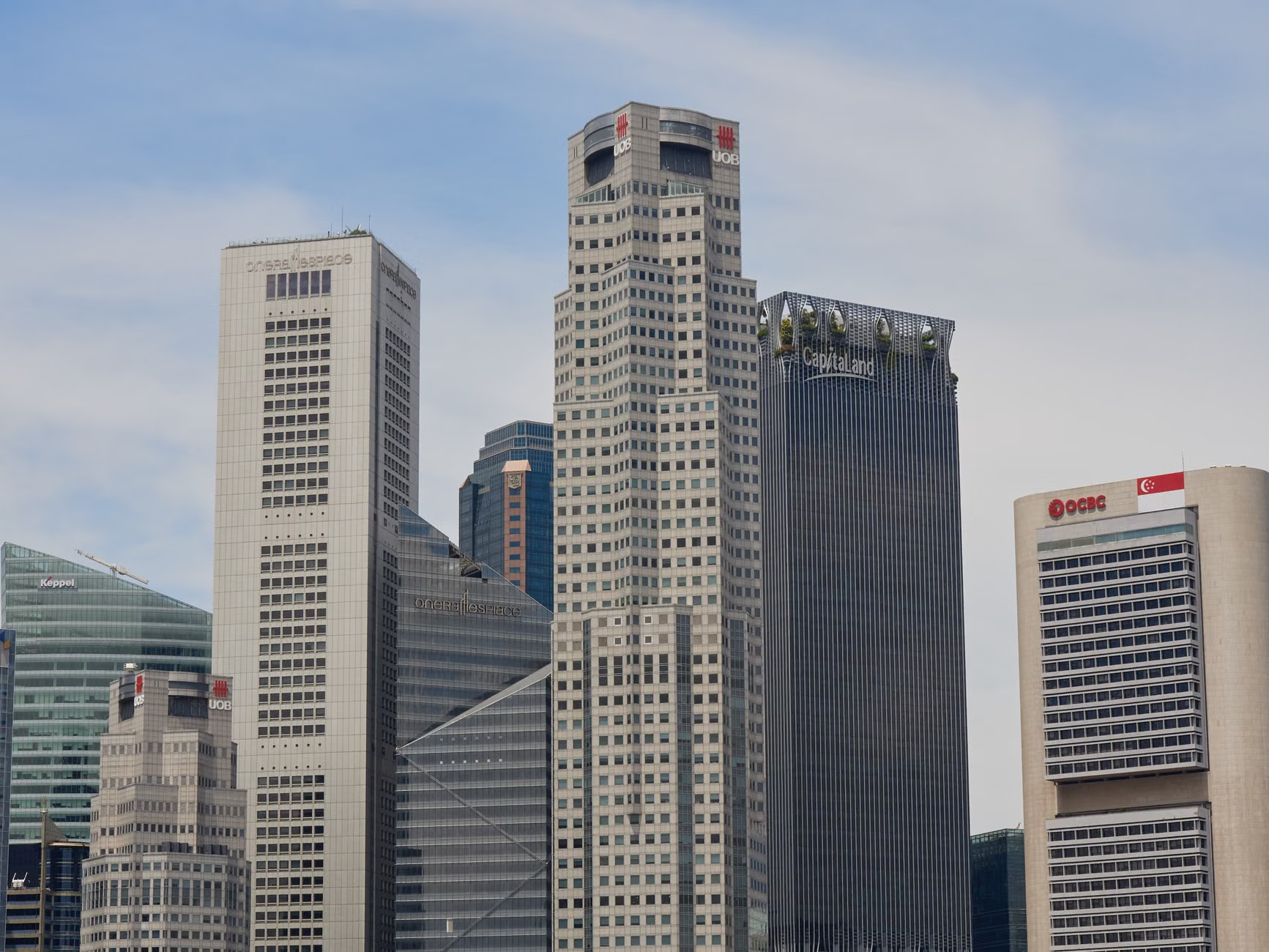
新加坡金融管理局首席经济学家爱德华·罗宾逊表示,人工智能驱动的生产率提升最终可能促使央行采取更为宽松的货币政策。
Monetary Authority of Singapore chief economist Edward Robinson said AI-driven productivity gains could eventually let central banks adopt a more accommodative monetary policy.
新加坡金融管理局首席经济学家爱德华·罗宾逊在新加坡的一个论坛上表示,人工智能驱动的生产率提升最终可能推动央行转向更为宽松的货币政策立场。罗宾逊的讲话尤其针对亚洲各地的货币政策制定者。
Monetary Authority of Singapore chief economist Edward Robinson told a forum in Singapore that AI-driven productivity gains could eventually push central banks toward a more accommodative monetary policy stance. Robinson directed his remarks in particular at monetary policymakers across Asia.
罗宾逊认为,随着企业利用人工智能工具以更低成本生产更多产出,人工智能带来的整体经济效率提升可能随时间推移缓解通胀压力。但他强调,央行应避免政策突然转向。相反,他呼吁对任何最终的宽松采取他所称的渐进、依赖数据的方式。
Robinson argued that economy-wide efficiency gains from artificial intelligence could ease inflation pressures over time, as companies produce more output at lower cost using AI tools. But he stressed that central banks should avoid abrupt policy shifts. Instead, he called for what he described as a gradual, data-dependent approach to any eventual easing.
此番言论为关于人工智能将如何重塑全球经济的更广泛讨论增添了内容。分析人士预计,随着人工智能的经济影响变得更加清晰,新加坡金融管理局以及其他地区的央行将就其政策立场提供更多细节,而金管局的下一次政策声明可能会受到密切关注。
The remarks add to a broader debate over how artificial intelligence will reshape the global economy. Analysts expect Singapore's monetary authority, along with central banks elsewhere, to offer more detail on their policy stance as the economic effects of AI become clearer, with MAS's next policy statement likely to draw close scrutiny.