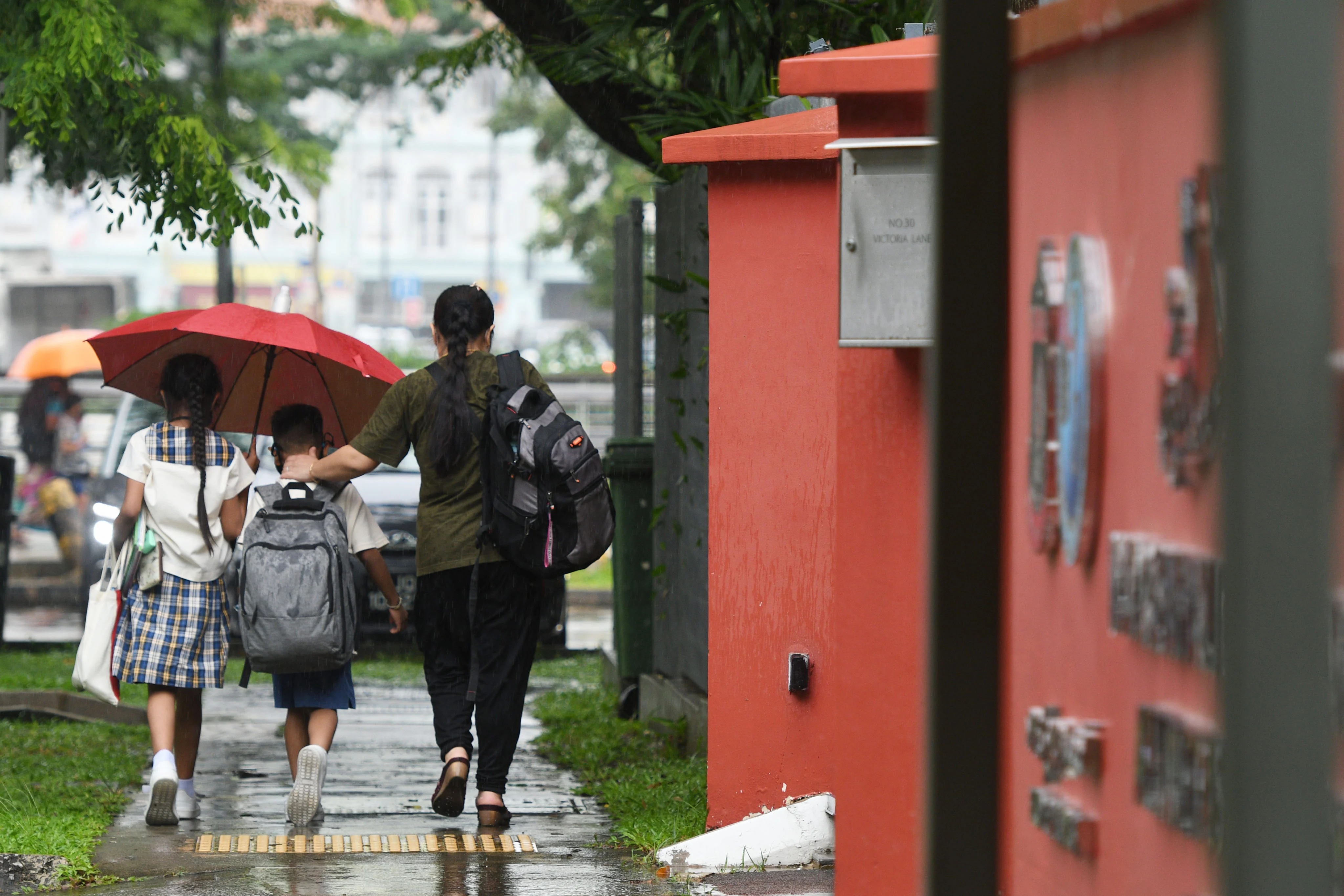
新加坡最近关于小学入学政策的议会辩论,再次凸显了当地家长的一种常见策略:为了增加孩子进入热门学校的机会,家长们会选择搬家。
Singapore’s recent parliamentary debate over primary school admissions has put a familiar parental strategy in the city state under the spotlight – parents moving house to improve their children’s chances of getting into popular schools.
在接受《This Week in Asia》的采访时,房产中介表示,有些新加坡家庭会在孩子小学入学前至少两年就联系他们,希望购买或租赁特定的住宅。
Speaking with This Week in Asia, property agents say some families in Singapore have been approaching them with the intention of buying or renting particular residences at least two years before their children’s primary school admission.
然而,住在热门学校附近并不能保证孩子一定能被该校录取;如果该校的报名人数超过招生名额,这些家庭仍需要参加学校的抽签竞争。
Living close to a sought-after school does not guarantee entry, however, as a family might still face balloting for a particular school if it is oversubscribed.
此次辩论正值新加坡准备扩大12所主要位于私人住宅区的学校的招生规模,以促进社会融合之际。
The debate comes as Singapore prepares to widen admission to 12 schools in predominantly private-housing neighbourhoods, in a bid to encourage greater social mixing.
在新加坡之外,马来西亚和印度尼西亚的学校招生政策也同样考虑了学生的居住地址,不过这些政策会根据不同的社会经济状况来制定具体的评估标准。
Beyond Singapore, the school admissions systems in Malaysia and Indonesia also factor residential addresses, albeit with different criteria taking into account socio-economic conditions.
新加坡的房产中介Joyce Foo表示,有些家庭甚至愿意搬到面积较小的住房中,只为提高孩子的入学机会。她曾遇到一个家庭:他们从一套五居室的公共住房搬到了四居室的住房,只是为了更接近他们心仪的学校,而且其中一位家长还在该校担任志愿者。
Planning years ahead Joyce Foo, a property agent in Singapore, said some families accepted living in smaller homes to improve their children’s school admission chances. She recalled one family who moved from a five-room to a four-room public housing flat to be nearer their preferred school, with a parent also volunteering there.
在为客户提供咨询时,Joyce会参考过去的抽签结果、他们的住房预算,以及他们所考虑的房产在未来10年内的可能售价。
When advising her clients, she would consider past balloting results, housing budgets and potential sale of the properties they are eyeing 10 years later.
“他们确实希望做出这样的选择,但同时也希望不会因此蒙受经济损失,”她说。
“They want to make that move, but they also don’t want to lose money,” she said.
如今,在做出这些决策时,还需要考虑到新加坡学校招生政策最近发生的变动:从明年开始,对于2028年入学的学生,大多数学校将为第二阶段(Phase 2C)预留60个入学名额(而此前仅为40个名额),而且这一政策不再考虑家长与学校之间的关联关系。
Those calculations now need to be considered alongside recent changes to Singapore’s school admission framework. From next year, for registration of children starting Primary 1 in 2028, most schools will reserve 60 places, up from 40, for Phase 2C, which does not factor in school ties.
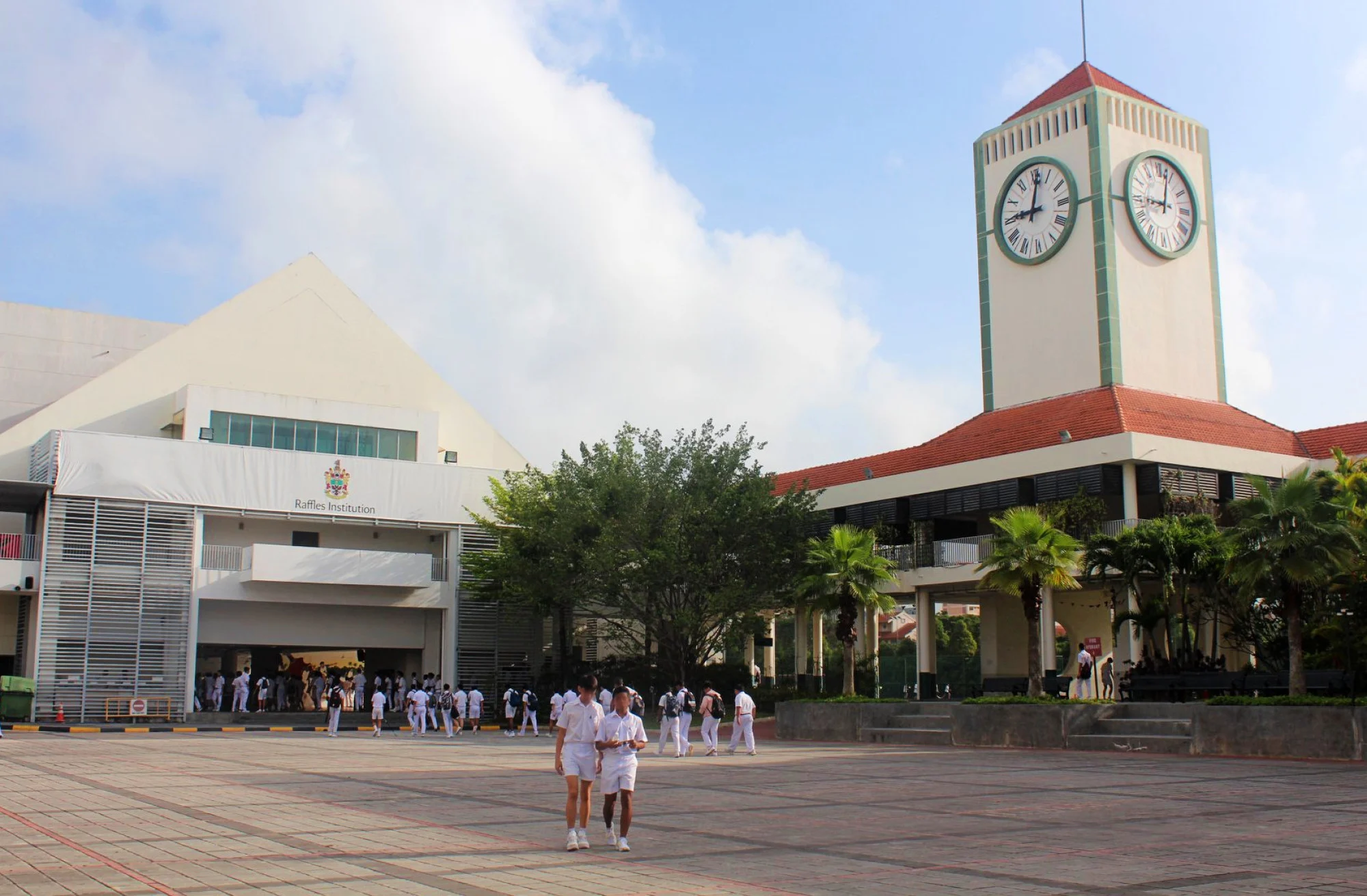
在那些以私人住宅为主的社区中,位于这些社区内的12所学校将把第二阶段(Phase 2C)的入学名额平均分配给居住在距离学校2公里以内和2公里以外的申请人。对于小学毕业生的子女,仍然享有优先入学资格。
At the 12 schools located in neighbourhoods dominated by private houses, Phase 2C places will be split equally between applicants living within 2km and those farther away. Priority admission for children of primary school alumni remains.
Foo表示,一些小学毕业生的家长现在考虑在母校附近租房,而不是买房;或者选择其他更有机会被录取的学校。
Foo said some alumni parents were now considering renting, rather than buying near their former schools, or looking at alternatives with better prospects of success.
“许多家长前来咨询,是因为他们希望确保自己的孩子能够被录取。”不过,她并未发现这一公告发布后咨询量有所增加。根据她在新加坡房地产市场13年的经验,Foo分析的数据显示:房产的销售需求与租金水平并不一定与学校距离(是否在1公里范围内)有关。
“Many parents come to inquire because they want to have that certainty that their kid will be placed.”However, she had not seen a surge in customer inquiries following the announcement. Based on her 13 years’ experience in Singapore’s property market, Foo said the data she had analysed showed that sales demand and rental premiums were not necessarily correlated with properties within 1km of popular schools.
新加坡国立教育学院的副教授Jason Tan指出,当前的招生政策确实促使家长们需要制定相应的策略,因为某些入学条件取决于他们的个人能力(如人脉关系、志愿服务经历以及家庭住址等)。“大多数招生标准其实与孩子本人并无直接关系,”Tan说道。
Jason Tan, an associate professor at Singapore’s National Institute of Education, said the admissions framework encouraged parents to strategise because certain conditions depended on what they could do, including alumni connections, volunteer work and residential addresses. “Most of the criteria have nothing to do with the individual child,” Tan said.
由于孩子年龄较小,优先考虑居住在学校附近的家庭确实更有优势;不过Tan也指出,经济条件较好的家庭拥有更大的选择空间——他们可以选择是否搬到更靠近心仪学校的地区。
Giving priority to children living near schools made sense because of their young age, Tan said. But better-off families have a clear advantage as they can choose whether to move closer to a preferred school, according to Tan.
在马来西亚的Klang Valley地区,高级销售经理Neo Wee Liem和他的妻子也将儿子能否被心仪的学校录取视为购房的重要考虑因素,因为他们希望长子能够掌握中文。
Family income matters In Malaysia’s Klang Valley, senior sales manager Neo Wee Liem and his wife also linked preferred school admission for their son to house-hunting criteria as they wanted their eldest child to have a grounding in Mandarin.
从新加坡回来后,Neo一家在Petaling Jaya租房居住。在做出最终决定之前,他们根据家庭预算、居住空间和交通便利性,筛选出了三所提供中文教育的小学。Neo表示:“我们对选择哪所中文学校并没有特别挑剔。”
After returning from Singapore and renting in Petaling Jaya, the Neos shortlisted three Chinese-medium primary schools, taking into account their housing budget, living space and transport convenience, before making a final decision. “We were not really picky on which Chinese school it was,” Neo said.
在马来西亚,华文和淡米尔文小学与马来文小学一起,属于国家教育体系。能够负担得起的家长还可以选择私立和国际学校。
In Malaysia, Chinese- and Tamil-medium primary schools sit within the national education system alongside Malay-medium primary schools. Private and international schools are also options for parents who can afford them.
马来西亚家长行动教育组织的共同创始人、教育倡导者努尔·阿齐玛·阿卜杜勒·拉欣表示,此类住房计算是一个令人担忧的来源。
Noor Azimah Abdul Rahim, an education advocate who is a co-founder of Malaysia’s Parent Action Group for Education, said such housing calculations were a source of concern.
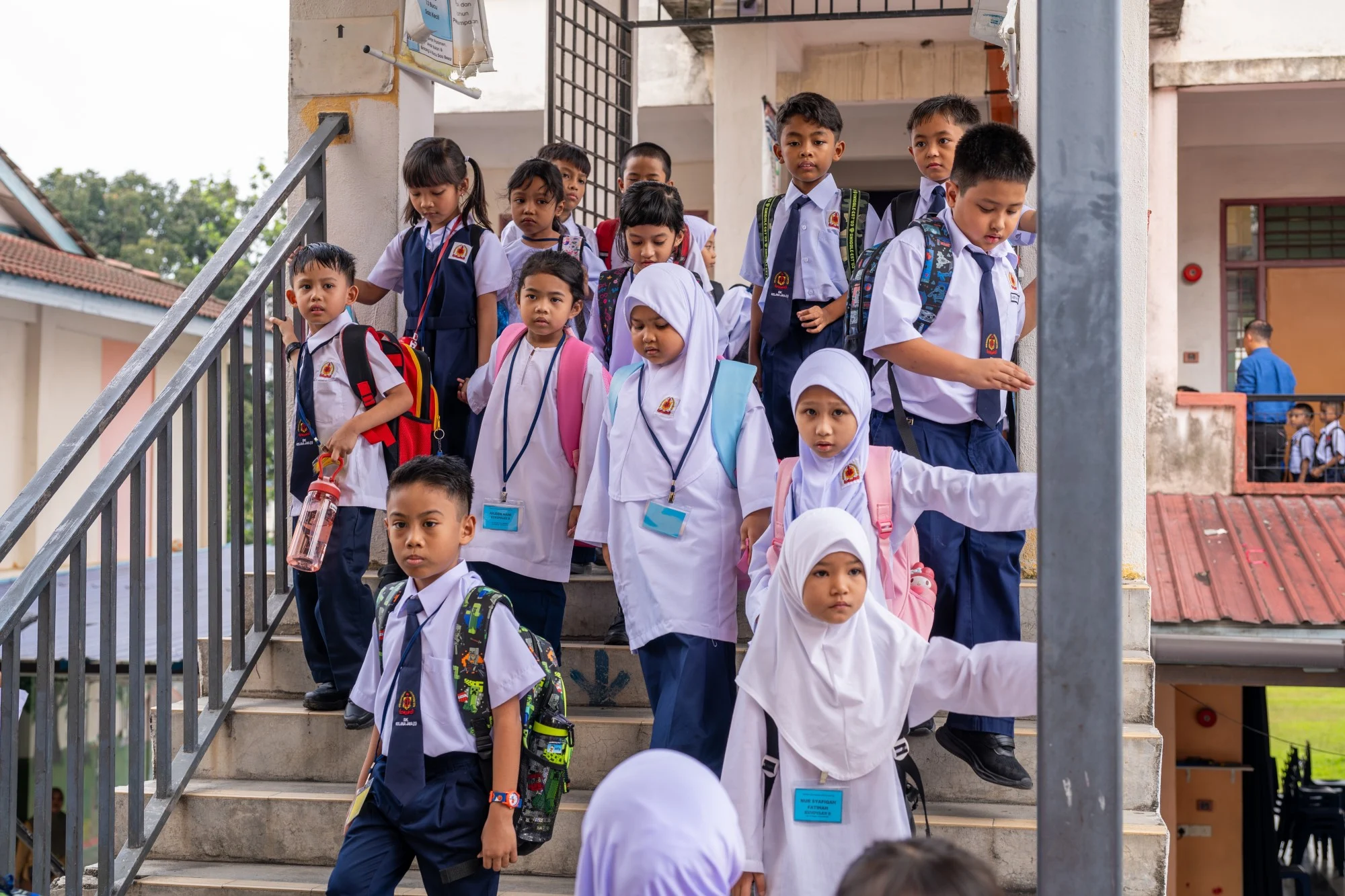
“当家庭考虑额外支付租金、改变居住安排或重新组织日常生活,只为争取一个学位时,这就对体系的公平性和可及性提出了质疑。”
“When families contemplate paying additional rent, changing their living arrangements or reorganising their daily lives just to secure a school place, it raises questions about the fairness and accessibility of the system.
伦敦大学学院教育学院的博士研究生、公共政策机构的经济学家沙奇拉·特·沙里夫丁说,家庭的优先事项因地区、收入群体和教育阶段而异。
Shakira Teh Sharifuddin, a PhD candidate at University College London’s Institute of Education and an economist at a public policy body, said the priorities of families varied across locations, income groups and educational stages.
她指出,居住在更城市化地区的家长在为子女选择学校时的关注点,与居住在农村社区或欠发达地区的同龄人不同,例如华文教育。
What parents living in more urban areas look for in schools for their children differed from their peers living in rural communities or less-developed districts, such as Chinese education, she said.
对于一些马来族家庭,无论是城市还是农村,她说,他们并不需要在顶尖中学或选拔性寄宿学校附近买房来确保入学。
For some Malay families, whether from urban or rural areas, they do not need to buy a house near top secondary schools or selective boarding schools to secure a place, according to Shakira.
然而,她表示,不同家庭的经济状况仍会影响其对学校选择的态度。
Nonetheless, the financial position of different families would still play a role in determining their attitude towards school selection, she said.
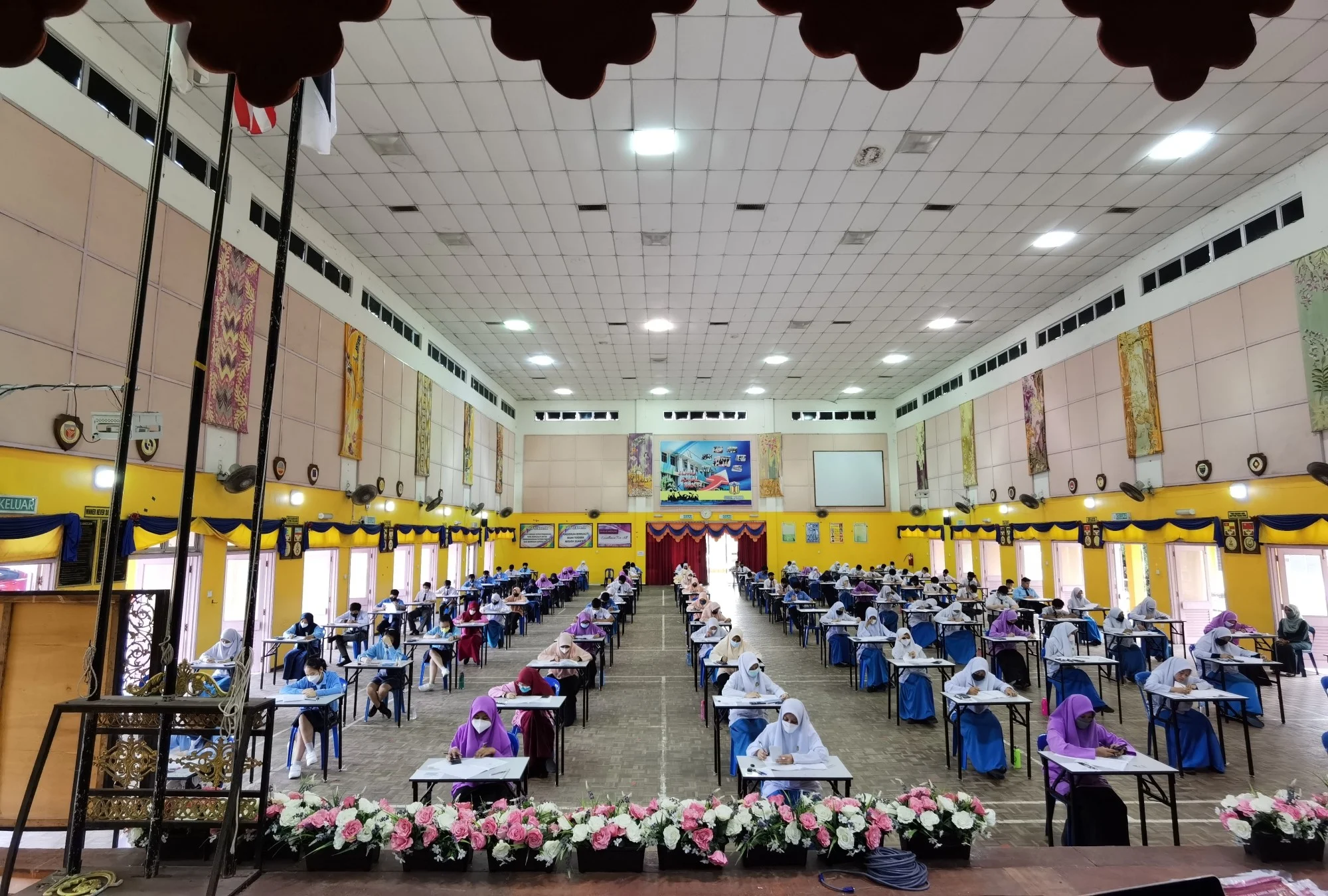
“低收入和更偏远的家庭可能只能接受系统提供的有限选择,因为可选的学校更少。”伪造居住地址的家庭也会根据子女所偏好的学校做出住房决定。
“Lower-income and more rural families could find themselves basically just taking what the system gives to them, because there are fewer options.”Falsifying residential addresses donesia, families also make housing decisions based on preferred schools for their children.
在2019年CNN印尼的一篇报道中,一位父亲在东雅加达租房,并更改居住信息,以便让孩子能够根据印尼旧有的划区政策申请中学。
In a 2019 CNN Indonesia report, a father rented a house in East Jakarta and changed his residence details so his child could apply to a secondary school under Indonesia’s old zoning policy.
去年,印度尼西亚修订了入学政策,其中家庭居住地址是一个关键考量因素。地方政府拥有灵活性,可指定用于入学的住房区域。
Last year, Indonesia revised its school admission policy under which a family’s residence address is a key consideration. Local governments have the flexibility to designate housing areas for school admission.
至少70%的公立小学学位根据家庭居住地址分配。至少15%预留给低收入家庭学生和残疾学生。
At least 70 per cent of public primary-school places are allocated based on a family’s residential address. At least 15 per cent are set aside for students from low-income families and those with disabilities.
印度尼西亚教育监督网络(JPPI)全国协调员乌拜德·马特拉吉表示,这种入学原则是公平的,但学校质量参差不齐仍是家庭的一大担忧。
Ubaid Matraji, the national coordinator of the Indonesian Education Monitoring Network (JPPI) watchdog group, said such a principle of school admission was fair, but varying degrees of school quality continued to be a major concern for families.
他说:“纸面上,这个制度更公平,因为每个人都有同等机会进入离家最近的学校。但这成了一个问题,因为学校质量并不相同。”
“On paper, this system is fairer because everyone has the same opportunity to attend the school nearest to home. But it becomes a problem because the quality of schools is not the same,” he said.
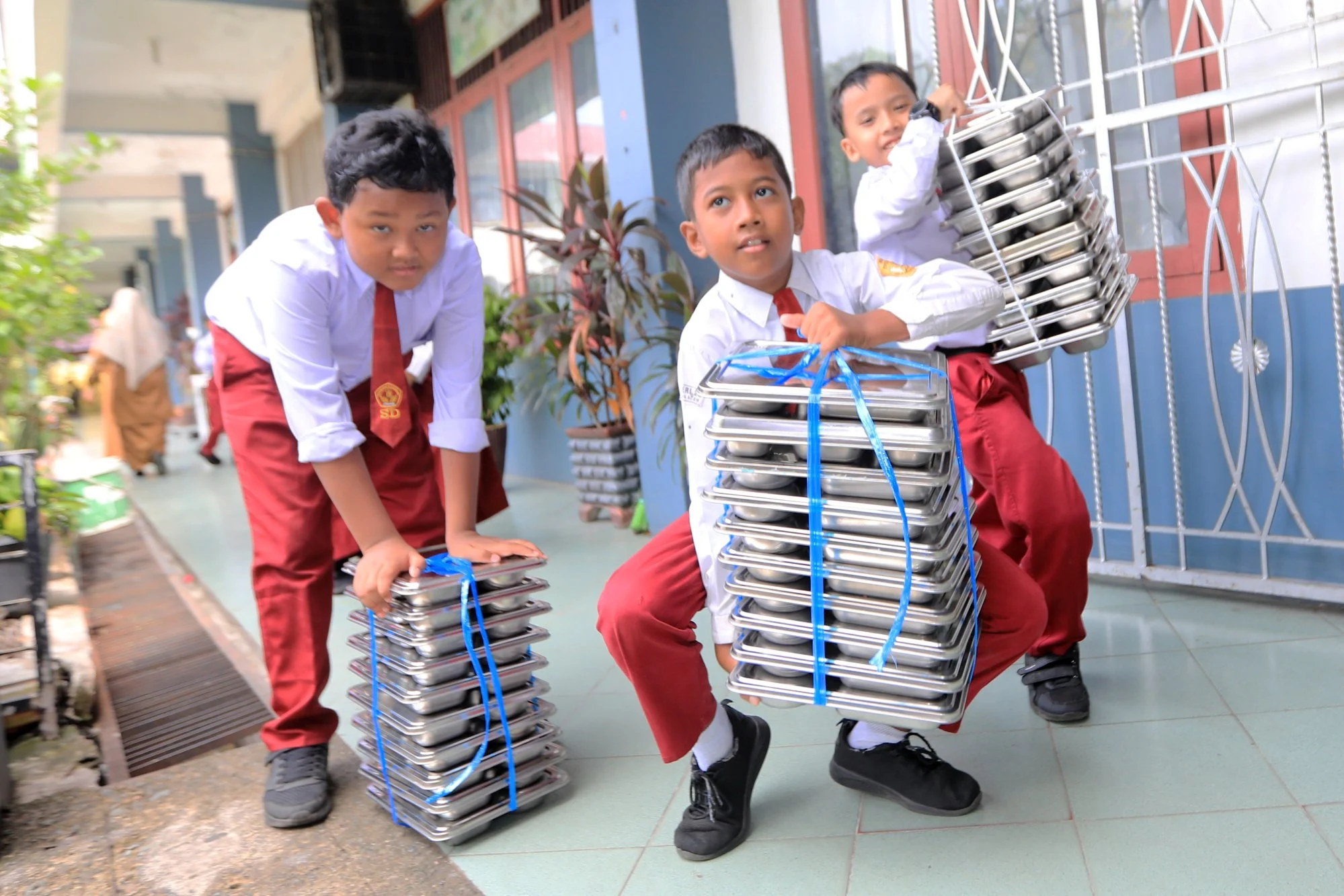
乌拜德补充说,一些家长使用工作或营业地址、“租用”亲戚地址或伪造居住证明,以增加孩子进入热门学校的机会。
Some parents used their work or business address, “rented” addresses of relatives or falsified residence documents to improve their children’s chances of getting into popular schools, Ubaid added.
他的言论表明,即使有了雅加达最新的入学政策,这一问题依然没有消失。在解释去年改革的理由时,印度尼西亚教育部将虚假住房地址确定为旧制度下的关键问题之一。
His comments indicate that the problem has not disappeared even with Jakarta’s latest school admission policy. Explaining its rationale for the reforms last year, Indonesia’s education ministry identified false housing addresses as one of the key problems under the old system.
根据国家框架,当公立学校学位不足时,地方政府可以与私立学校合作接收学生,并为低收入家庭提供经济援助。
Under the national framework, local governments can work with private schools to accept pupils when the capacity of public schools is insufficient and provide financial help for those from lower-income families.
然而,乌拜德表示,当局应确保有足够的公立学位供求学儿童入学。
Ubaid, however, said the authorities should ensure that there were enough public-school places for children seeking admission.
至于错失公立学位的家庭,据乌拜德称,私立学校因注册费和建设费等较高成本,并非可行选择。
As for families who have missed out on public-school places, private schools are not a feasible option because of higher costs, such as registration and development fees, according to Ubaid.
对于努尔·阿齐玛而言,无论是在马来西亚、印度尼西亚还是其他地方,入学机会都不应取决于家庭购房的支付能力。“孩子的受教育机会不应成为房地产市场的特权,”她说。
For Noor Azimah, whether it is in Malaysia, Indonesia or elsewhere, school access should not be determined by the ability of families to pay for houses. “A child’s educational opportunity should not become a property-market privilege,” she said.