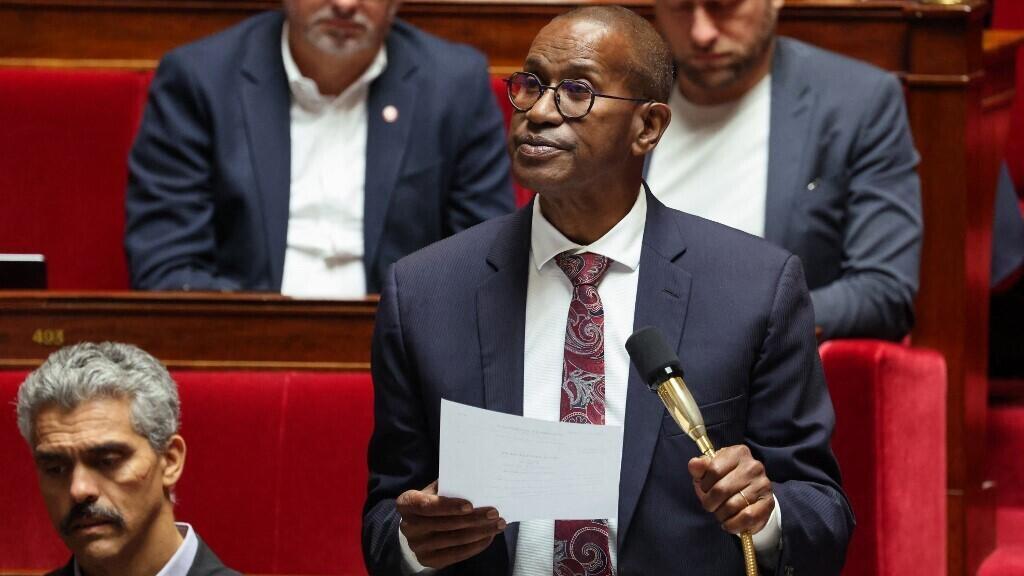
法国议会一致投票通过了对《黑人法典》及前殖民地奴隶制相关立法的象征性废除,为自1848年废除奴隶制以来一直未在形式上得到解决的法律篇章画上了句号。
France’s Parliament has unanimously approved the symbolic repeal of the and related legislation governing slavery in its former colonies, closing a legal chapter left formally unresolved since abolition in 1848.
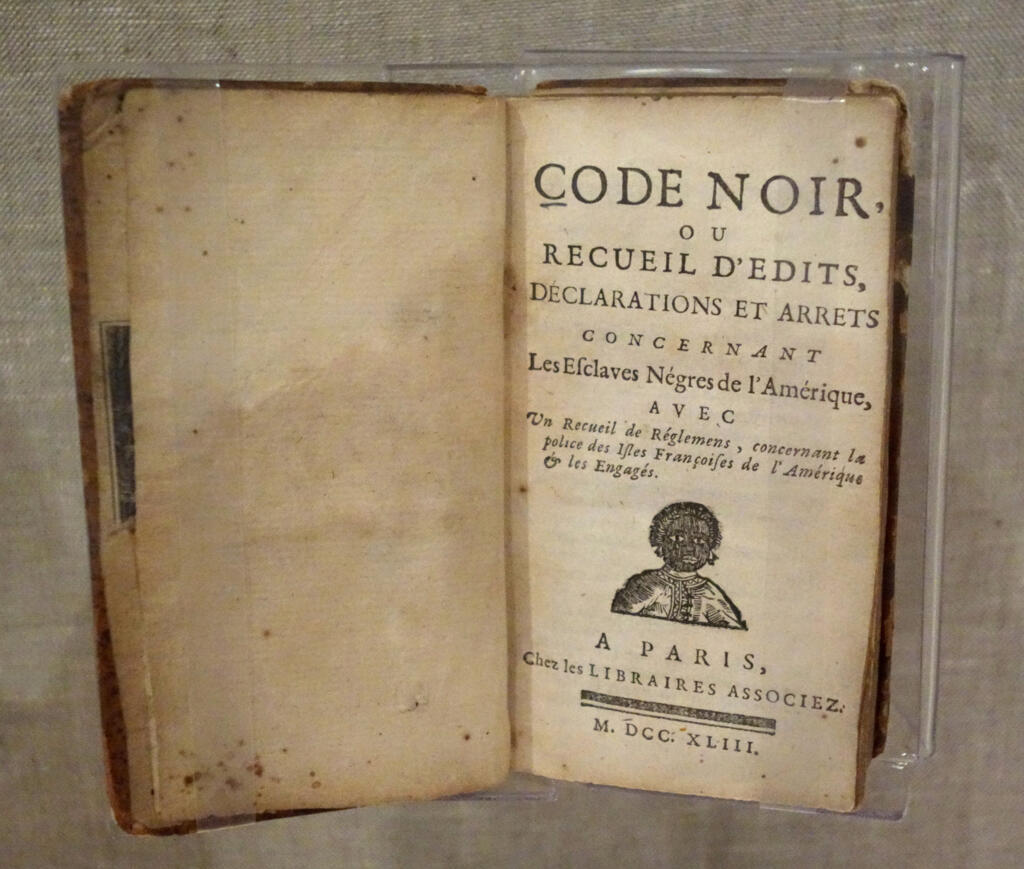
在法国在其殖民地废除奴隶制近两个世纪之后,议会最终批准了一项正式废除《黑人法典》的立法——这些皇家法令曾在法国殖民统治下组织并合法化了对人们的奴役。
Nearly two centuries after France abolished slavery in its colonies, Parliament has given its final approval to legislation formally repealing the – the royal edicts that organised and legitimised the enslavement of people under French colonial rule.
继5月在国民议会获得全票通过后,参议员们于周二一致支持了该法案。该法案由瓜德罗普岛众议员马克斯·马蒂阿兰(Max Mathiasin)提出,旨在针对1685年的皇家法令及由此衍生的立法。
Senators unanimously backed the bill on Tuesday, following an equally unanimous vote in the National Assembly in May. Proposed by Guadeloupe MP Max Mathiasin, the measure targets the royal edict of 1685 and the legislation stemming from it.
根据2001年的《托比拉法》,法国承认贩卖奴役和奴隶制为反人类罪,此次投票正值该法律通过25周年之际。
The vote comes 25 years after France recognised the slave trade and slavery as crimes against humanity under the 2001 Taubira law.
其意义主要在于象征性。管辖奴隶制的文本在1848年废除奴隶制后便已失去法律效力,但从未被明文废除。议会的决定为将它们正式从法国立法中剔除扫清了道路。
Its significance is primarily symbolic. The texts governing slavery ceased to have legal effect following abolition in 1848, but had never been expressly repealed. Parliament’s decision clears the way for their formal removal from French legislation.
法国全票投票废除殖民地时期的奴隶制法律《黑人法典》,为殖民地法律篇章画上句号。该法典将沦为奴隶的人民降格为“动产”地位——即奴隶主可以买卖的财产。
France votes unanimously to abolish Code Noir, a colonial-era slavery law Closing a colonial legal chapter The reduced enslaved people to the status of “movable property” – possessions that owners could buy and sell.
它还规定了对试图逃跑者的残酷惩罚,包括用烙铁烙印、肢解,以及对于屡次尝试者判处死刑。
It also prescribed brutal punishments for those who tried to escape, including branding with a hot iron, mutilation and, for repeated attempts, the death penalty.
在参议院投票前,海外领土部长娜伊马·穆楚(Naïma Moutchou)表示,废除该法典将解决法国殖民历史中一个不可接受的残余。
Ahead of the Senate vote, Overseas Territories Minister Naïma Moutchou said the repeal would address an unacceptable remnant of France’s colonial past.
她对法国新闻社(AFP)表示:“《黑人法典》组织并合法化了奴隶制。它在我们的法律体系中没有立足之地,哪怕作为遗迹也不行。这段文本属于我们的历史,而不是我们的立法。”
“The [Black Code] organised and legitimised slavery. It has no place in our legal system, not even as a relic. This text belongs to our history, not our legislation,” she told French news agency AFP.
该法案还要求政府提交一份关于殖民地法律遗产及其持久影响的报告,特别是关于种族主义的影响,以及奴隶制历史在学校课程中所占的地位。
The bill also requires the government to submit a report on the legacy of colonial law and its lasting effects, particularly in relation to racism, alongside the place given to the history of slavery in school curricula.
在参议院辩论之前,废除的范围曾引发讨论,特别是在如何承认适用于法国前殖民地的不同法律文本方面。
The scope of the repeal had prompted discussion before the Senate debate, particularly over how to recognise the different legal texts applied across France’s former colonies.
代表留尼汪岛并加入共产主义党团的参议员伊夫琳·科尔比埃尔·纳米佐(Evelyne Corbière Naminzo)此前曾主张,应明确提及管辖印度洋奴隶制的立法,并使其具有与适用于法属安的列斯的法律“同等的分量”。
Senator Evelyne Corbière Naminzo, who represents Réunion and sits with the Communist group, had argued that the legislation governing slavery in the Indian Ocean should be explicitly mentioned, with the “same weight” as the applied in the French Antilles.
她在投票前告诉法新社:“当我们谈论象征时,我们决不能漏掉任何人。”
“When we talk about a symbol, we must not leave anyone out,” she told AFP ahead of the vote.
参议院报告员路易·沃格尔(Louis Vogel)为该法案更广泛的措辞进行了辩护,辩称它已经涵盖了所有相关文本。
The Senate’s rapporteur, Louis Vogel, defended the bill’s broader wording, arguing that it already covered all the relevant texts.
他对法新社表示:“如果我们开始拟定一份清单,我们势必会漏掉一些东西,”并称一部象征性的法律首先应该“确立一项原则”。周二的批准完成了该法案在议会的立法程序。
“If we start drawing up a list, we are bound to leave some things out,” he told AFP, saying a symbolic law should above all “establish a principle”. Tuesday’s approval completed the bill’s passage through Parliament.
奴隶制资金如何建造了法国总统官邸爱丽舍宫,赔偿问题依然是一个悬而未决的问题。虽然废除法案获得了议会的一致支持,但它并未涉及赔偿问题——这是法国几个海外领土长期以来的诉求。
How slavery money built the Élysée, France’s presidential residence Reparations remain an open question While the repeal secured unanimous parliamentary support, it leaves aside the question of reparations – a longstanding demand in several French overseas territories.
在国民议会的辩论中,议员们强调了废除奴隶制后,奴隶主与被奴役者所受待遇之间的鲜明对比。
During the National Assembly debate, MPs highlighted the contrast between the treatment of slave owners and those they had enslaved after abolition.
法国政府曾就法律曾将其视为财产的损失对前奴隶主进行赔偿。而获得解放的人本身则没有得到任何赔偿。
The French state compensated former owners for the loss of what the law had treated as their property. The emancipated people themselves received no compensation.
对于赔偿的支持者来说,这种失衡仍然是讨论法国应如何应对奴隶制后果的核心问题。
For supporters of reparations, that imbalance remains central to discussions about how France should address the consequences of slavery.
这些辩论不仅延伸至历史纪念,还涉及海外领土与法国本土之间挥之不去的经济不平等,以及黑人所面临的歧视。
Those debates extend beyond remembrance to the persistent inequalities between overseas territories and mainland France, and the discrimination faced by black people.
该法案设想的政府报告提供了一种审视这些联系的途径,尽管该立法本身并未提供赔偿或其他赔偿措施。
The government report envisaged by the bill offers a way to examine those connections, although the legislation itself provides no compensation or other reparations measures.