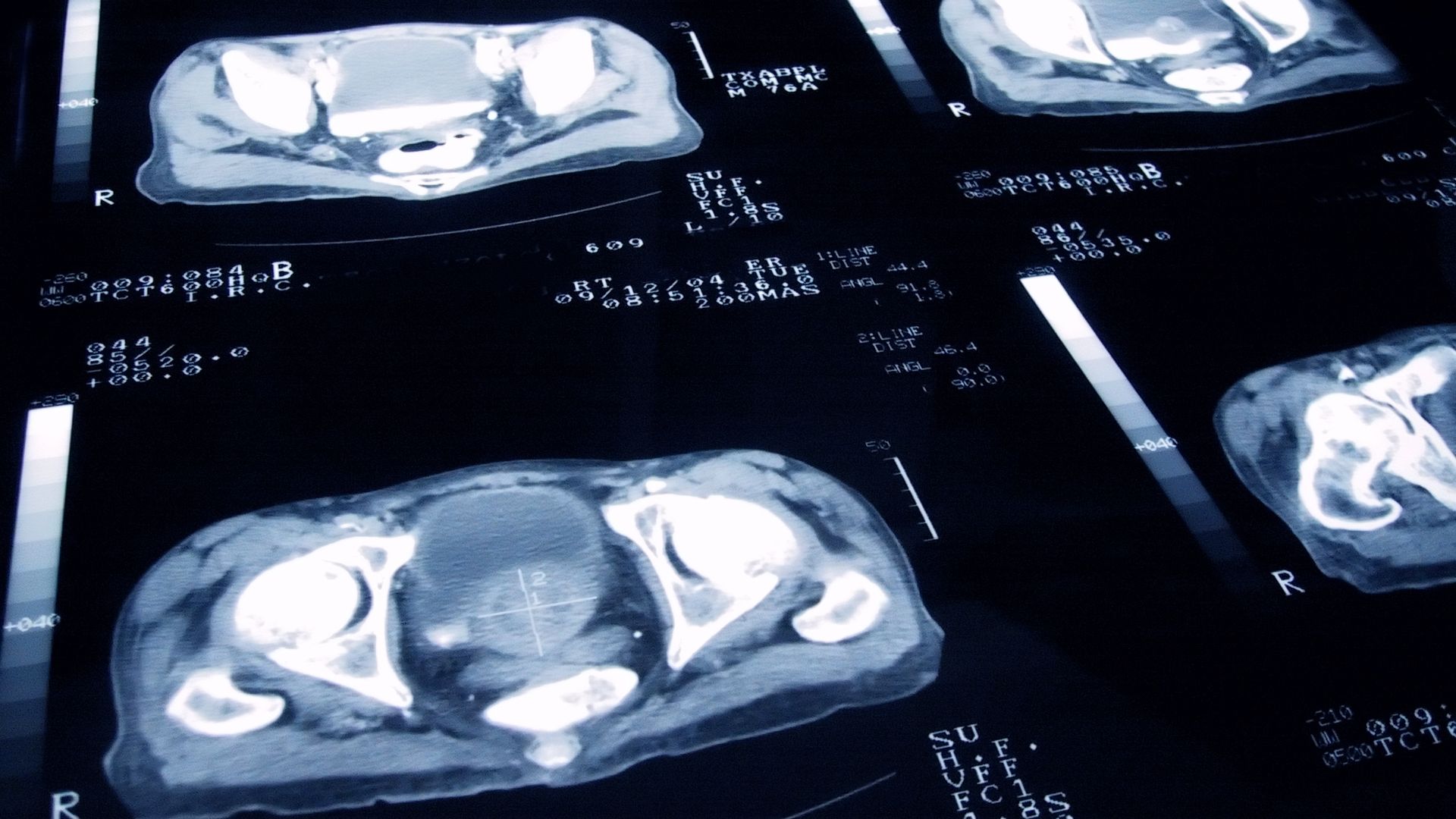
科学家发现了一些线索,可能有助于在确诊前多年预测谁会患上侵袭性前列腺癌。
Scientists have found clues that could help predict who will develop aggressive prostate cancer many years in advance.
牛津大学团队检测到,后来患病者与未患病者之间存在明显的生物学差异。
The Oxford University team detected clear biological differences between those who developed the disease and those who didn't.
他们还发现了与更具侵袭性、危及生命的前列腺癌病例相关的蛋白质。参与研究的人员接受了约16年的随访,科学家测量了他们血液中6000多种蛋白质。
They also found proteins linked to more aggressive, life-threatening cases of prostate cancer Those involved in the study were followed up for about 16 years as scientists measured more than 6,000 proteins in their blood.
近1000名后来患病的人参与了研究,此外还有一个由1573名男性组成的随机样本。
Nearly 1,000 people who went on to develop the disease were part of the research, as was a random sample of 1,573 men.
研究人员确定了12种与确诊时间超过15年后的前列腺癌相关的蛋白质。其中包括GZMK,这种蛋白质由参与识别和破坏异常细胞的免疫细胞产生。
Twelve proteins were identified that were linked to prostate cancer diagnosed more than 15 years later. These included GZMK, which is produced by immune cells involved in recognising and destroying abnormal cells.
研究人员表示,这表明身体可能在确诊前很久就已经在对癌症做出反应并加以应对。
Researchers said this suggests the body may be reacting and dealing with the cancer long before it's diagnosed.
研究还确定了7种与侵袭性前列腺癌相关的蛋白质,其中包括ANKRD1,这种蛋白质在发生转移或导致早逝的癌症中被发现。
Seven proteins linked to aggressive prostate cancer were also identified, including ANKRD1, which was found in cancers that spread or caused early death.
牛津大学人口健康研究院流行病学家、研究作者黄哲博士表示:“通过测量确诊前数年采集的血液中数千种蛋白质,我们可以开始探究后来患上侵袭性前列腺癌的男性与未患病男性可能存在的差异。”
"By measuring thousands of proteins in blood collected years before diagnosis, we can begin to investigate how men who later develop aggressive prostate cancer may differ from men who do not," said study author Dr Zhe Huang, an epidemiologist at Oxford Population Health.
黄哲博士说,这些结果有助于改善对侵袭性前列腺癌的理解,并找到标志物以“改进我们评估风险的方式”。
Dr Huang said the results could help improve the understanding of aggressive prostate cancer and find markers to "improve how we assess risk".
据英国前列腺癌协会称,八分之一的男性一生中会被诊断出患有这种疾病,英国每年约有1.2万人死于该病。
One in eight men will be diagnosed with the disease in their lifetime, according to Prostate Cancer UK, and about 12,000 in Britain die from it every year.
许多病例进展缓慢,不会造成严重问题或早逝,但也有一些可能非常侵袭性。
Many cases progress so slowly they do not cause significant problems or early death, but some can be very aggressive.
研究还发现,已知在前列腺癌中起重要作用的基因——如ERBB3、KRAS和NRAS——与确诊时间约十年后的侵袭性病例相关。
The study also found genes already known to be important in prostate cancer - such as ERBB3, KRAS and NRAS - were linked to aggressive cases diagnosed around a decade later.
英国“每八分钟就有一名男性确诊前列腺癌” 50岁以下成年人癌症病例“令人担忧”地上升研究结果还指出,在蛋白质可用作该疾病检测手段之前,还需要更多研究。
One man diagnosed with prostate cancer in UK 'every eight minutes' 'Concerning' rise in cancer cases among adults under 50 The findings also said more research was needed before proteins could be used as a test for the disease.
伦敦玛丽女王大学的Prabhakar Rajan教授表示,目前尚未显示基于蛋白质的血液检测能够可靠地识别出谁将患上侵袭性前列腺癌。
Professor Prabhakar Rajan, from Queen Mary University, said it did not yet show a protein-based blood test could reliably identify who will get aggressive prostate cancer.
英国癌症研究机构研究总监Iain Foulkes博士表示:“虽然还有更多工作要做,但此类发现可能为更好地识别高风险男性铺平道路,并最终在侵袭性前列腺癌发生前将其预防。”
Cancer Research UK director of research, Dr Iain Foulkes, said: "While there is more work to do, discoveries like this could pave the way for better ways to identify men at risk and, ultimately, prevent aggressive prostate cancer before it develops."