我之前已经讲过,大约在 2006 年的时候,我第一次察觉到金融危机的迹象正在逐渐显现。但实际上,引导我走向这一认识的思想线索其实早在更早之前就已经出现在我的脑海中了。
I have already described how, around 2006, I first heard the approaching footsteps of the financial crisis. But the thread that would lead me there had come into my hands earlier still.
2002 年,随着安然(Enron)和世通(WorldCom)公司的会计欺诈事件曝光,《萨班斯-奥克斯利法案》(Sarbanes-Oxley Act)应运而生。该法案旨在通过追究企业高管的责任来提高企业财务报告的透明度。在这种强调“透明度”的背景下,采用公允价值会计(fair-value accounting)的呼声也越来越强烈。
In 2002, after the accounting frauds at Enron and WorldCom came to light, the Sarbanes-Oxley Act was enacted. The law sought to make corporate accounting more transparent by holding executives responsible when there were problems with the accuracy of financial reporting. In the same climate of demands for "transparency," the move toward fair-value accounting gained momentum.
当时,金融机构负债累累,它们用自身的资本投入证券市场的资金金额高达其自身资本的 30 倍。
Financial institutions were heavily indebted, investing in securities with funds amounting to as much as 30 times their own capital.
市场本质上是一个不断变化的动态系统;然而,在这个要求严格会计透明度的制度下,一旦市场价值下跌,企业就必须记录巨额的资产减值损失——即使这些损失尚未通过实际销售行为实现。一旦市场意识到这些损失,恐慌便会随之蔓延。
Markets, by their nature, are constantly in motion. Yet under a regime that demanded strict accounting transparency, when market values fell, firms were required to record large write-downs, even though the losses had not been realized through actual sales. Once the market became aware of those losses, panic set in.
我记得就在 2006 年,我与保罗·萨班斯(Paul Sarbanes)参议员共进了晚餐。他是这项企业会计改革法案的两位主要推动者之一。我当时敦促他重新审视这项法案的合理性。我告诉他,这项法案可能会导致“全球金融体系的崩溃”。
It was in 2006, I believe, that I had dinner with Senator Paul Sarbanes, one of the two principal sponsors of the corporate-accounting reform law, and pressed him to revisit it. I told him that the law was going to lead to "the collapse of the global financial system." His reply was that of a man already halfway out the door. "I'm retiring in one year. I don't care. And if you're right, somebody else will fix it."
他的回答却显得有些无奈:“我一年后就要退休了,我不在乎了。如果你说得对,总会有其他人来解决问题。”我坚持认为应该由他来采取措施来纠正这个问题,但我们的谈话没有取得任何进展。他说:“我们当时认为自己在做正确的事……现在我也仍然这么认为。”
I insisted that I wanted him to fix it, but the conversation went nowhere. "We thought we were doing the right thing. I still think we're doing the right thing," he said, repeating that he would soon retire. I also encouraged a young reporter at The New York Times to sound the alarm.
我还鼓励《纽约时报》的一位年轻记者站出来发出警告:“由于‘按市价计价’的会计制度,全球金融体系将会崩溃。”他愿意撰写这篇文章,但这篇文章最终被《纽约时报》否决了——他们认为这个观点“太疯狂、太不负责任了”。全球金融危机始于2007年,当时美国的次级抵押贷款危机蔓延到了整个金融体系。
"The global financial system's gonna collapse because of mark-to-market accounting," I told him. He was willing enough to write the piece, but it was spiked. According to the journalist, The New York Times decided it was "so crazy and irresponsible." The global financial crisis began in 2007, when the U.S. subprime mortgage crisis spread into the broader financial system.
当局并非对这一危险视而不见。美国财政部长汉克·保尔森、美联储主席本·伯南克以及纽约联邦储备银行行长蒂姆·盖特纳每月都会在纽约召集金融行业的负责人,以便及时了解市场动态。
The authorities were not blind to the danger. Treasury Secretary Hank Paulson, Federal Reserve Chairman Ben Bernanke and Tim Geithner, president of the New York Fed, gathered the heads of finance in New York every month to develop a real-time understanding of what was happening.
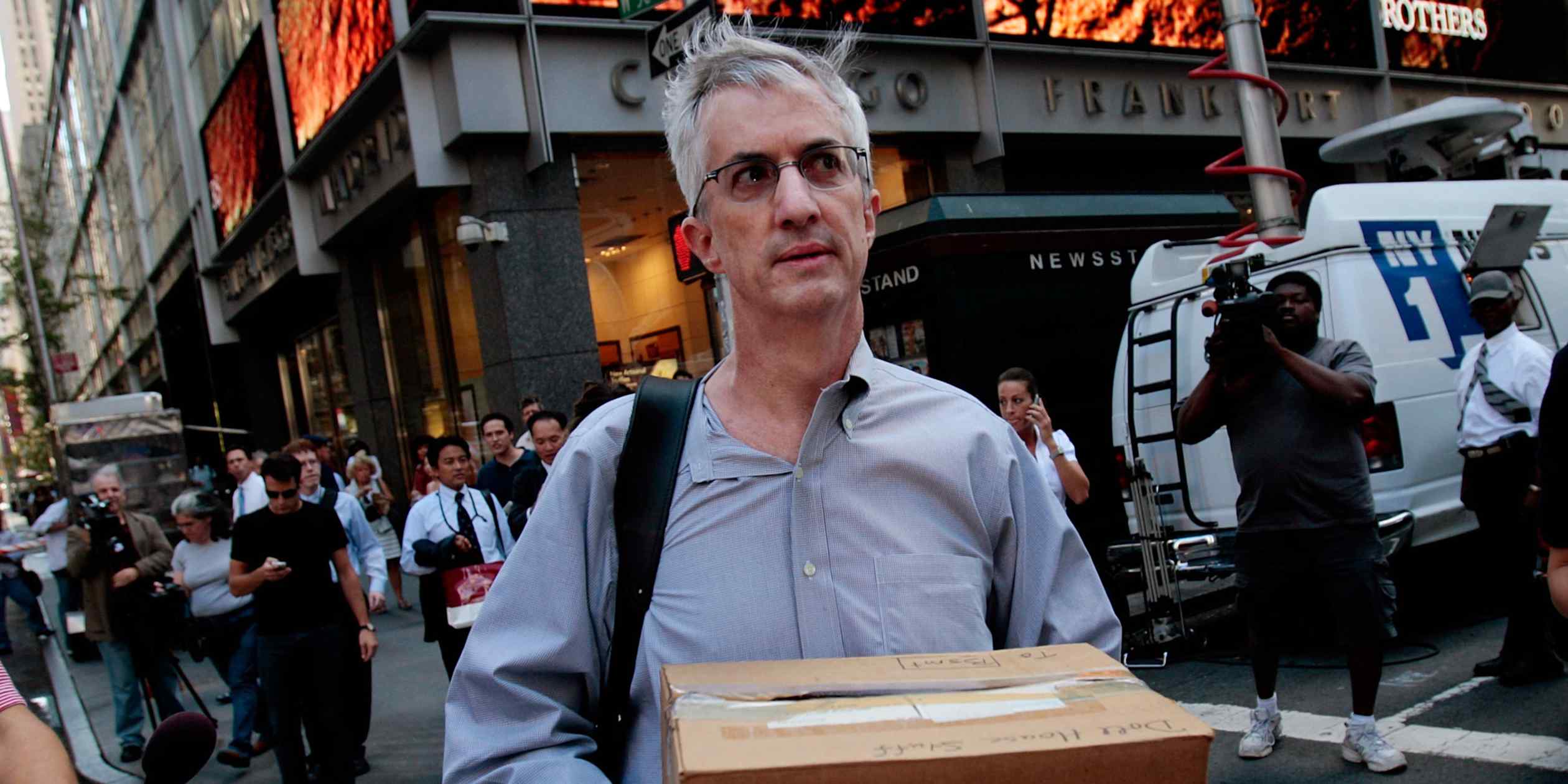
这个会议小组包括我和华尔街的许多高管,其中就有负责雷曼兄弟公司的迪克·富尔德。每当讨论到雷曼兄弟时,气氛总是变得很尴尬——因为我亲眼目睹了雷曼兄弟的影响力正在逐渐减弱。
The group included me and the chief executives of Wall Street, among them Dick Fuld, who ran Lehman Brothers. Discussions grew awkward whenever Lehman came up -- I was watching Lehman's influence drain away before my eyes.
2008年3月,在政府的斡旋下,摩根大通同意收购陷入困境的贝尔斯登公司。
In March 2008, JPMorgan Chase agreed to take over the stricken Bear Stearns in a government-brokered rescue.
现在所有人的目光都集中在雷曼兄弟身上:它会是下一个倒下的“受害者”吗?雷曼兄弟的股价持续下跌。
Now all eyes were on Lehman. Was it next? Its share price kept falling.
我和迪克有着深厚的友谊——我们早在1978年就被提升为雷曼兄弟的合伙人。我曾多次向迪克提出重组计划,最后一次是在8月份。雷曼兄弟问题的根源在于其房地产投资。我的建议是剥离这部分业务,将那些受损的资产单独处理,然后等待市场复苏。为了让这个计划更具可信度,黑石集团也愿意参与投资。
Dick and I went back a long way. We had been promoted to partner at Lehman in 1978. I proposed restructuring plans to Dick several times, the last of them in August. The source of Lehman's trouble was its real estate investments. My idea was to carve out that business, put the impaired assets aside and wait for the market to recover. To give the plan credibility, Blackstone was prepared to invest as well.
迪克当时似乎对我的想法表示赞同,但三天后他打电话来拒绝了我的提议。他说所需的法律程序需要三个月时间才能完成;在此期间,雷曼兄弟必须公布6月至8月季度的财务报告,而他们不可避免地需要对房地产资产进行大幅减值处理(即承认这些资产的实际价值已经大幅下降)。
Dick seemed receptive. But three days later he called to say no. The necessary legal procedures would take three months. In the meantime, Lehman would have to announce its results for the June-August quarter, and there would be no way to avoid taking "significant write-downs" on its real estate assets.
九月,我原来的公司走向了悲惨的结局。如果我三个月前就提出这个建议,雷曼兄弟或许永远不会倒闭。这种遗憾令人痛苦。
In September, my old firm met its tragic end. Had I made the proposal three months earlier, Lehman might never have collapsed. The regret was bitter.
我敦促汉克采取的措施是,对金融股的卖空行为实施管制。对冲基金预计股价将进一步下跌,于是开始卖空银行股。储户被跌势吓坏了,纷纷提取存款,股价下跌更加迅速。
What I urged on Hank was a clampdown on the short selling of financial stocks. Hedge funds, anticipating further declines, were shorting the banks. Depositors, frightened by the falling shares, pulled their money out, and the falls accelerated.
“听着,我们为什么不直接改变规则,让人们无法卖空金融机构呢?”我说。我主张,这样一来,卖空者就会意识到,在危机发展过程中规则可能会改变,他们可能会陷入不利的头寸。股价不再下跌,反而可能上涨,给那些押注股价下跌的人造成巨大损失。规则最终被改变了。
"Listen, why don't we just change the rules and make it impossible for people to short financial institutions?" I said. That way, I argued, short sellers would realize that in a developing crisis the rules could change, leaving them trapped in positions that could move against them. Instead of falling, the securities could rise, inflicting huge losses on those who had bet against them. The rules were changed.
在黑石集团内部,只有一件事可做。我一次又一次地告诉我们的员工,我们的财务状况极其稳健。
Within Blackstone itself, there was only one thing to be done. I kept telling our people, again and again, that our finances were in exceptionally sound condition.
前一年的股票发行是正确的决定。我们在上市时筹集了巨额资金,不存在资金被挤兑的危险。
The stock offering of the previous year had been the right decision. We had raised an enormous sum of capital in conjunction with the listing, and there was no danger of our being squeezed for funds.
我们的股价暴跌了,其他所有金融机构的股价也都暴跌了,但这并非黑石集团特有的问题。我向全球员工反复灌输同一个信息:不要陷入“错误的担忧”。斯蒂芬·施瓦茨曼是黑石集团的联合创始人、董事长兼首席执行官。
Our share price had plunged, as had those of every other financial institution, but this was no problem particular to Blackstone. To our employees around the world, I preached the same message over and over: Do not indulge in a "wrong worry." Stephen Schwarzman is co-founder, chairman and CEO of Blackstone.