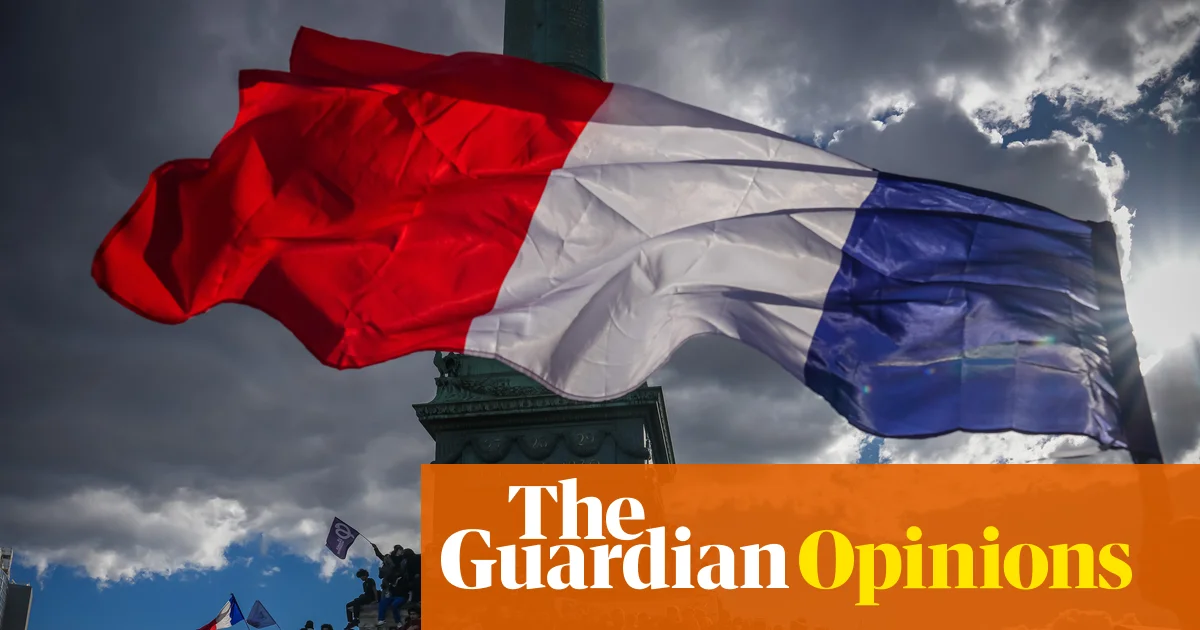
上周六晚上,法国中西部城市利摩日的市政厅被纵火焚烧。到了周日,关于这场火灾摧毁法国共和国象征物的图片,以及法国各地发生的其他动荡事件的画面随处可见,但这些图片被用来讲述关于欧洲当前局势的截然不同的故事。
Last Saturday night, the town hall of Limoges in west-central France was set ablaze. By Sunday, images of the fire destroying a symbol of the French republic, and other scenes of unrest across France, were everywhere, but being used to tell very different stories about what is happening in Europe.
对一些人来说,这些火焰象征着一场席卷整个欧洲的青年反抗运动;他们认为这是一场由共同不满情绪和暴力行为推动的、具有广泛影响力的社会运动。唐纳德·特朗普此前就坚称法国的学生抗议活动其实与学校教育无关,而是与移民问题和伊斯兰教有关,他呼吁欧洲各国“关闭边境”。而利摩日的市长则认为这些事件是极左翼势力策划的叛乱行为。
For some, the flames announced a pan-European youth revolt, proof that a single movement was sweeping the continent. Donald Trump, who had already insisted that the French schools protests were not about schools but about migration and Islam, urged Europeans to “close the borders”. The mayor of Limoges saw the fingerprints of an alleged ultra-left insurrection.
我几乎数不清有多少主要属于右翼阵营的媒体突然联系了我——这些媒体大多来自印度、中国、新加坡和美国。它们都在寻找能够支持“欧洲青少年正在发动反抗运动”这一观点的论据。然而,这些媒体的叙述都未能准确反映事件的真实情况;实际上,欧洲各地的抗议活动有着不同的起因、参与群体和诉求。将它们简单地描绘成一场全国性的叛乱,不仅掩盖了这些差异,还让欧洲显得难以治理。这样的描述恰恰符合那些企图利用社会动荡谋取私利的人的意图。
I lost count of how many mainly rightwing media outlets were contacting me suddenly. Most were based in India, China, Singapore and the US. They sought voices to validate the idea of a “teen revolt” spreading across Europe, driven by the same grievances and violence. None of these narratives, each serving a different political agenda, adequately explains what is happening. Europe’s protests have different causes, constituencies and demands. Portraying them as a Europe-wide rebellion erases those differences and makes Europe look ungovernable. That picture is a gift to anyone who wants to exploit the unrest.
各国抗议活动的具体导火索各不相同。在法国,抗议活动始于九月中旬的学校里:学生们对长期存在的教室拥挤、教师短缺以及学校设施破旧等问题感到愤怒。到了周六那场大规模示威活动时,公共部门的工作人员也加入了抗议行列,抗议的诉求范围进一步扩大到了生活成本问题。
What set off the protests varies from country to country. In France, the mobilisation began in schools in mid-September in frustration over longstanding failures to address overcrowded classrooms, teacher shortages and dilapidated buildings and facilities. By the time of the huge demonstration on Saturday, public-sector workers had joined, and the grievances had widened to encompass the cost of living.
与此同时,在比利时,法语区的学生抗议学费上涨,并要求增加教学课时。希腊的学生则因住房成本和住宿问题而发起抗议活动;德国的学生则反对可能重新实施的义务兵役制度。
In Belgium, meanwhile, students have challenged tuition-fee increases in the country’s French-speaking region and demanded additional teaching hours. Greek students have mobilised over housing costs and access to accommodation, while German pupils have protested against the possible reintroduction of compulsory military service. Look beyond western Europe, and the differences become even more distinct.
如果将目光投向西欧以外的地区,这些抗议活动的差异会更加明显:在阿尔巴尼亚,学生的抗议活动是在原有的反政府运动基础上发展起来的,并非单纯的青年反抗运动;在塞尔维亚,自诺维萨德火车站事故发生后,学生们已经进行了近两年的和平抗议活动,他们的诉求主要集中在打击腐败、要求政府提高机构透明度以及解决政治上的不作为问题。这次选举中,学生们将独立组队参选。这场运动实质上是一场关于权力与问责制的斗争,其背景远超教育问题或单纯的代际不满。
In Albania, student unrest builds on a pre-existing anti-government mobilisation, rather than a standalone youth revolt. In Serbia, students have led nearly two years of largely peaceful protests following the Novi Sad railway station disaster. Their movement centres on demands for an end to corruption, a lack of institutional accountability and political inaction. Now the students are running in this weekend’s election on their own list. This is a battle over power and accountability, and goes well beyond education or generational frustration.
虽然意大利的学生也会占领学校并用法语高喊口号,但各种抗议信息、口号和策略的跨国传播并不意味着这些抗议活动之间存在统一的组织或协调机制。事实上,24小时不断的新闻报道可能会将这些分散的抗议活动统一起来,给人一种“所有抗议活动都属于同一场青年反抗运动”的错觉——尽管实际上并不存在这样的统一组织或共同的目标。
Italian students may occupy schools and shout slogans in French, but the cross-border spread of images, slogans and tactics does not prove a shared organisation. Rather, 24-hour news coverage can turn separate protests into a single story of youth rebellion, creating, deliberately or not, the illusion of a common movement and programme where neither exists.
虽然我们不应接受“整个欧洲都发生了青年反抗运动”的观点,但这并不意味着可以忽视年轻人普遍存在的焦虑情绪:住房成本不断上升,公共服务面临压力,年轻人找到稳定工作的前景也不确定。根据欧盟统计局(Eurostat)的数据,2010年至2024年第四季度期间,欧盟地区的房价上涨了55.4%,租金上涨了26.7%。2026年TUI基金会发布的青年调查显示,在七个欧洲国家中,有52%的16至26岁年轻人认为自己的生活状况会比父母更差,而只有25%的年轻人认为自己的生活会更好。
Rejecting the idea of a single European youth revolt does not mean denying the existence of a shared generational anxiety. Housing has become increasingly unaffordable, public services are under pressure, and the transition into secure employment is uncertain. Eurostat reports that EU house prices rose by 55.4% and rents by 26.7% between 2010 and the fourth quarter of 2024. The 2026 TUI Foundation Youth Study found that 52% of young people aged 16–26 across seven European countries expected to be worse off than their parents, compared with just 25% who expected to do better.
欧元区的青年失业率仍远高于总体失业率。一项针对法国企业的研究发现,在受人工智能影响的职业中,21至29岁劳动者的长期雇佣下降更为明显。欧洲央行警告称,现有证据尚不能确定生成式人工智能就是原因。但不确定性本身就可能在各国民众之间造成一种共同的不安全感。
Youth unemployment in the euro area remains substantially higher than overall unemployment. One study of French firms found a sharper decline in permanent hiring among workers aged 21–29 in occupations exposed to artificial intelligence. The European Central Bank cautions that the evidence does not yet establish generative AI as the cause. But the uncertainty itself can create a shared sense of insecurity across national borders.
这种焦虑有助于解释为什么一个国家的抗议能引起另一个国家年轻人的共鸣,以及为什么学校静坐或街头示威的画面会引发模仿。但这些情绪并不会转化为共同的诉求,更不用说形成协调一致的政治运动了。
Such anxieties help explain why protests in one country resonate with young people in another, and why images of school sit-ins or street demonstrations can inspire imitation. But they don’t translate into common demands, let alone a coordinated political movement.
法国上周六的示威活动暴露了另一种危险:暴力多么迅速地盖过抗议本身传递的信息。大多数示威者和平游行,但少数人诉诸暴力。他们的行为不应成为数十万示威者的定义,正如和平抗议不应为犯罪行为提供掩护。
France’s demonstrations last Saturday exposed another danger: how quickly violence can overshadow a protest’s message. Most demonstrators marched peacefully, but a minority resorted to violence. Their actions should not define hundreds of thousands of demonstrators, just as peaceful protest should not provide cover for criminal acts.
米兰发生的事件表明,两者之间的界限可能变得模糊。一场和平的反对生活成本上涨的游行,与反对教育经费削减和基于种族的改革的抗议同时举行,随后却发生了抢劫,作案者多为戴着头套的青少年群体,部分通过TikTok组织。超过200人被拘留,其中大多数是未成年人,游行的组织者与他们划清了界限。维护公共秩序必须与追究暴力责任、监督警方行为齐头并进。
What happened in Milan showed how the two can blur. A peaceful cost of living march alongside protests over education cuts and race-based reform, was followed by looting carried out by hooded, mostly teenage groups organised partly via TikTok. More than 200 were detained, most of them minors, and the march’s organisers disowned them. Defending public order must go hand in hand with accountability for violence and scrutiny of police conduct.
但当燃烧的建筑和抢劫的画面占据报道主导时,公众就更难区分和平抗议与犯罪暴力。一起单一事件就可能定义整场动员。
But when images of burning buildings and looting dominate coverage, peaceful protest and criminal violence become harder to distinguish in the public mind. A single incident can come to define an entire mobilisation.
所谓“全欧反抗”的误导性叙事会带来后果,因为它使骚乱的画面得以脱离其本国背景,被当作欧洲混乱、无法治理的证据来呈现。
The misleading narrative of a pan-European revolt has consequences, because it allows images of unrest to be taken out of their national contexts and presented as proof that a chaotic Europe is ungovernable.
这对那些试图加深分裂、破坏欧洲民主的人尤其有用:它将各国各自不同的问题,变成一则关于欧洲失败的笼统故事。
This is particularly useful to those seeking to deepen divisions and undermine European democracy: it turns distinct national problems into a sweeping story of European failure.
对于极右翼而言,整个大陆陷入火海的想法证明,开放社会无法保护其公民,因此呼吁“关闭边境”。对于那些将每一栋燃烧的建筑都视为大陆起义曙光的极左翼人士而言,火焰证明自由民主制度已无法挽救。两者都需要让欧洲看起来无法治理,但都没有为其所抱怨的混乱提供答案。两者都服务于欧洲边界之外从分裂的联盟中获益的势力,从特朗普政府到弗拉基米尔·普京。
For the radical right, the idea of a continent in flames proves that open societies cannot protect their citizens, hence the call to “close your borders”. For those on the radical left who celebrate every burning building as the dawn of a continental uprising, the flames prove that liberal democratic institutions are beyond repair. Both need Europe to look ungovernable but neither offers an answer to the disorder it complains about. And both serve the interests of those beyond Europe’s borders who gain from a divided union, from the Trump administration to Vladimir Putin.
马克龙总统在抨击外国领导人关于法国事件的“愚蠢”言论时,有一定道理。他说,描绘法国从未发生过场景的AI生成图像一直在流传。马克龙并非中立,但某些势力显然有兴趣放大混乱的图像。
President Macron had a point when he lashed out at the “stupid” comments of foreign leaders about events in France. AI-generated images of scenes that never took place in France had been circulating, he said. Macron is hardly neutral, but certain forces clearly have an interest in amplifying images of chaos.
政府既不应美化抗议,也不应以暴力为借口否定合理诉求。他们必须保护和平示威者,追究肇事者责任,并解决让许多年轻人对未来感到不确定的压力。
Governments should neither romanticise protest nor use violence as a pretext to dismiss legitimate grievances. They must protect peaceful demonstrators, hold perpetrators accountable and address the pressures that leave many young people uncertain about their future.
欧洲的民主将不取决于它们如何抵御这些抗议,而取决于它们如何解决背后的各自诉求,并恢复对未来的信心。只有这样,代际焦虑才能成为民主复兴的动力,而非那些试图将民主描绘为破碎之人的燃料。
Europe’s democracies will be judged not by how they withstand these protests, but how they address the distinct grievances behind them and restore confidence in the future. That is how generational anxiety can become a force for democratic renewal rather than fuel for those seeking to portray democracy as broken.
阿尔贝托·阿莱曼诺是HEC巴黎的欧盟法让·莫内教授,也是“好游说”组织的创始人。
Alberto Alemanno is the Jean Monnet professor of EU law at HEC Paris and the founder of The Good Lobby