
梅根·哈内茨基 新康塞普西翁,洪都拉斯——维克多·托雷斯在洪都拉斯崎岖的山脉上空飞行,寻找云层,下方是被数月干旱摧残的焦枯玉米地。
MEGAN JANETSKY NUEVA CONCEPCION, Honduras — Victor Torres is on the hunt for clouds as he flies over parched corn fields ravaged by months of drought in the rugged Honduran mountains.
“我们这边看到很强的云层覆盖,”飞行员说着,指向仪表盘上的地图,同时将小飞机急剧倾斜,飞入一片深灰色的云团。
“We’re seeing strong cloud cover over here,” the pilot says, pointing to a map on the dashboard as he banks the small plane sharply into a patch of dark gray.
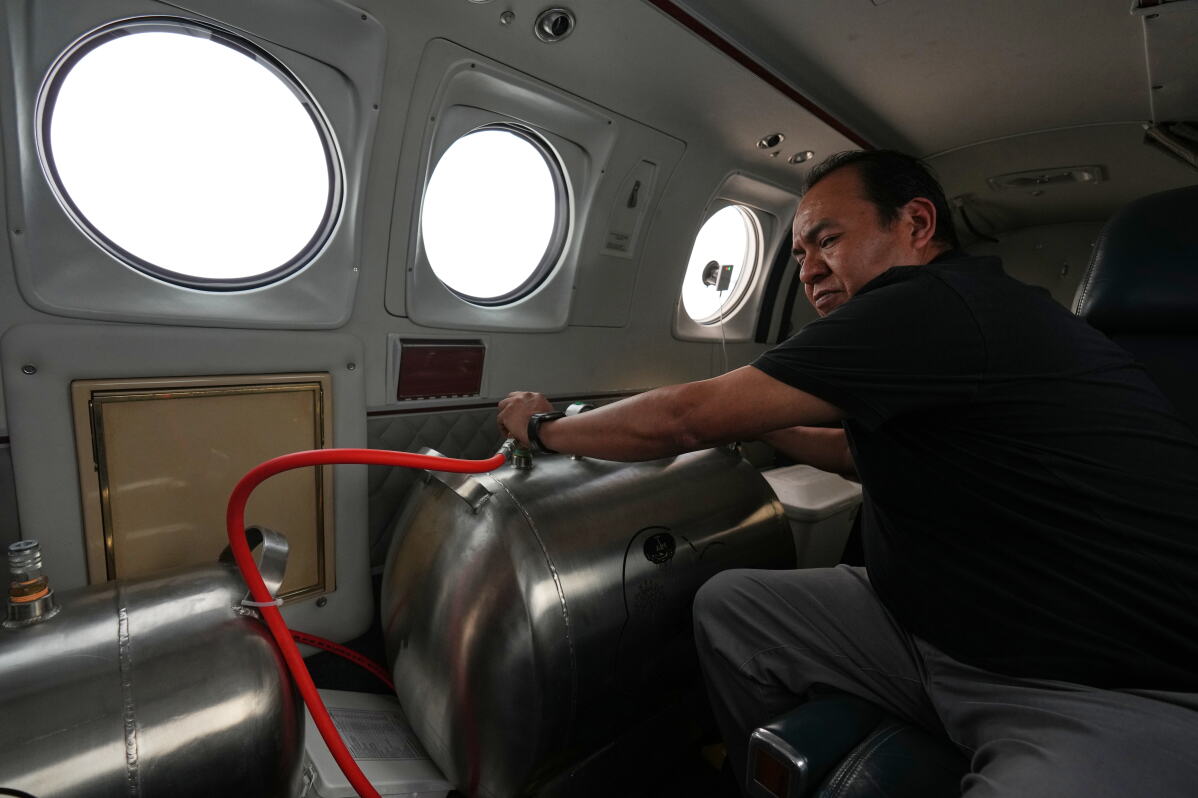
在他身后,一名技术人员转动一个大金属罐的旋钮,罐子发出嘶嘶声,向天空喷洒黄色的碘化银颗粒。这种“人工增雨”是洪都拉斯政府的一场赌博,旨在让足够多的田地获得足够的降雨,帮助农民及其作物存活下去。
Behind him, a technician cranks the knob of a large metal tank, which hisses as it sprays yellow silver iodide particles into the skies. This “cloud seeding” is a gamble by the Honduran government, aiming to induce enough rain over enough fields to help farmers and their crops survive.
厄尔尼诺气候模式打乱了全球天气,如今又因海洋变暖而加剧,已对中美洲干旱走廊各地的社区造成毁灭性打击。这一干旱地带从墨西哥南部一直延伸至巴拿马。
The El Niño climate pattern , scrambling weather worldwide and now exacerbated by warming seas, has devastated communities across the Central American Dry Corridor, an arid region from southern Mexico through Panama.
影响在危地马拉、洪都拉斯、萨尔瓦多和尼加拉瓜的干旱森林地区尤为严重,那里的玉米和豆类作物已经干枯,使自给自足的农民失去了食物。牛群不是死亡就是被卖掉。咖啡种植园已经枯萎,养虾场也失去了产量。
The effects are particularly acute in the dry forests of Guatemala, Honduras, El Salvador and Nicaragua , where corn and bean crops have dried up, leaving subsistence farmers without food. Cattle have either died or been sold off. Coffee plantations have withered and shrimp farms have lost production.
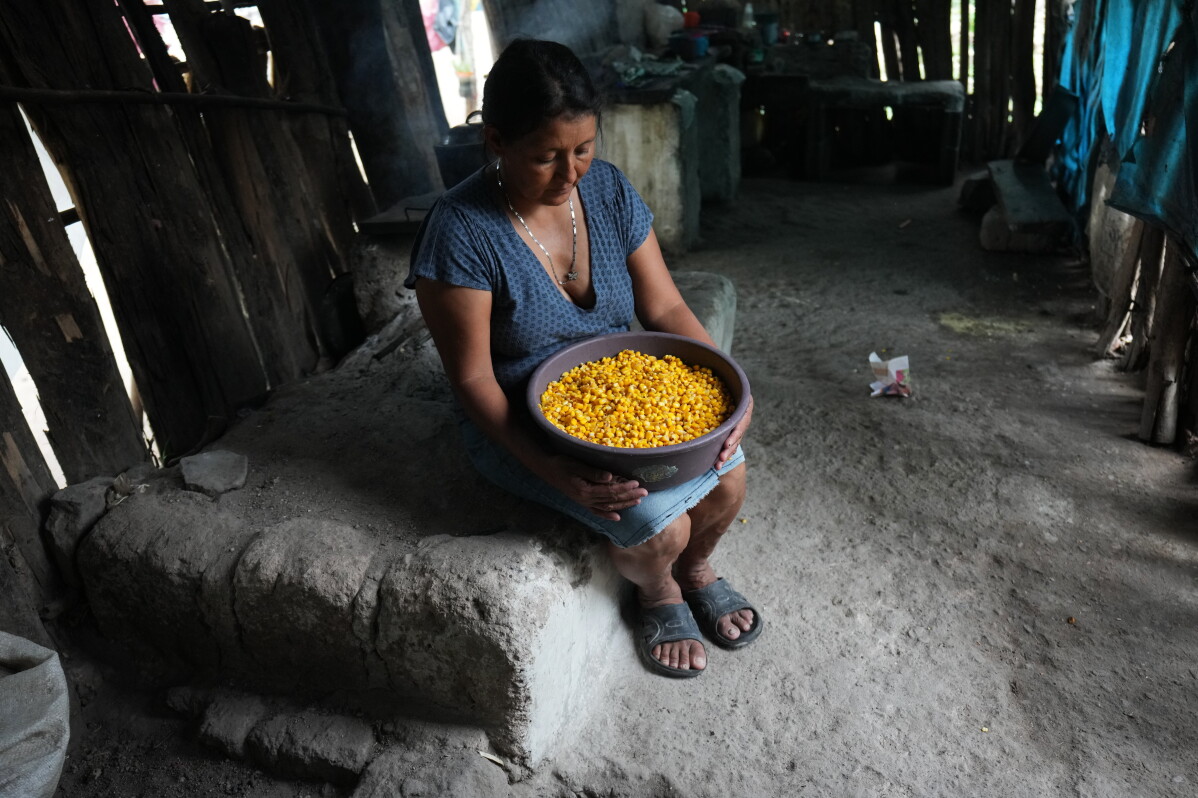
“家庭每天只吃一两顿饭就上床睡觉,而这还是在采取了其他生存策略之后——比如卖掉他们的牲畜、他们的工具……只是为了勉强度日,”阿尼瓦尔·苏尼加说。他负责协调世界粮食计划署在新康塞普西翁的援助物资分发工作。这个村庄有250人,坐落在群山之中,位于洪都拉斯首都特古西加尔巴以北90分钟车程处。
“Families are going to bed with one or two meals a day, and that’s after turning to other survival strategies like selling off their animals, their tools … just to get by,” said Aníbal Zúñiga, who coordinates World Food Program aid distribution in Nueva Concepcion, a 250-person village tucked in the mountains 90 minutes north of Honduras’ capital, Tegucigalpa.
世界粮食计划署估计,由于厄尔尼诺预计将持续到2027年,全球近5000万人可能陷入严重的粮食不安全状况。中美洲是受灾最严重的地区之一。
The WFP estimates that nearly 50 million people globally could be pushed into acute food insecurity now that El Niño is expected to last into 2027 . Central America is among the places to be hit the hardest.
在洪都拉斯,正常年份里五分之一的人口就面临一定程度的粮食不安全,政府已向一家墨西哥公司支付75万美元,用于20次人工降雨飞行。气象学家长期以来对云播种持怀疑态度,认为天气改造并非解决长期干旱的办法。一些信仰宗教的农村农民将其视为试图掌控天气,扮演上帝。
In Honduras, where one in five people already face some level of food insecurity in a normal year, the government has paid a Mexican company $750,000 for 20 flights to trigger rainfall. Meteorologists have routinely cast doubt on cloud seeding, saying weather modification is no solution to long-term drought. Some religious rural farmers see it as trying to play God with the weather.
“这是一项实验,”洪都拉斯国立自治大学气象学家、前科学院院长纳比尔·卡瓦斯说,“现在如果你问我,我是否会把那75万美元投入到灌溉项目或水库中……那可能对贫困农民更有益,他们用水来灌溉农作物。”洪都拉斯农业部发言人何塞·弗朗西斯科·奥尔多涅斯为这些飞行辩护,称这是政府和国际援助团体正在开展的多项气候减缓项目之一。其他项目包括加固现有灌溉系统、建设水库,以及向受灾最严重的农民分发食品援助、化肥和种子。
“This is an experiment,” said Nabil Kawas, a meteorologist and former dean of sciences at the National Autonomous University of Honduras. “Now if you ask me whether I would have taken that $750,000 and invested it in an irrigation project or water reservoir … it would likely have a greater benefit to poor farmers who use the water for their crops.”José Francisco Ordóñez, a spokesman for the Honduran Secretary of Agriculture, defends the flights as one of a number of climate mitigation projects being carried out by the government and international aid groups. Others include fortifying existing irrigation systems, building water reservoirs, and distributing food aid, fertilizer and seeds to farmers hit the hardest.
奥尔多涅斯表示,云播种计划利用了近期短暂打破极度干旱季节的云层和降雨,旨在干旱持续之前充分利用水资源。
Ordóñez said the cloud seeding program has taken advantage of recent clouds and rainfall briefly breaking up the painfully dry season to make the most of the water before the drought stretches on.
他说,与预计降雨量相比,这些飞行使关键地区的降雨量增加了20%至60%,他们希望将其延续。卡瓦斯表示,洪都拉斯此前在类似干旱期间开展的一次云播种计划,使降雨量增加了不到10%。
He said the flights have boosted rainfall between 20% and 60% in key areas, compared to projected rainfall, and they hope to extend it. Kawas said a previous cloud seeding program in Honduras during comparable droughts boosted rain by less than 10%.
卡洛斯·阿尔贝托·埃尔南德斯大部分时间都在想,他和妻子是否会挨饿。
Carlos Alberto Hernández spends most of his days wondering if he and his wife will go hungry.
他们长期依靠在新康塞普西翁的一小块豆类农田维生,和干旱走廊的大多数人一样,这位81岁的农民一直买不起灌溉系统,因此只能仰仗天气来获得每年的两次收成。
They have long lived off their small patch of bean crops in Nueva Concepcion, and like most people in the Dry Corridor, the 81-year-old farmer has never been able to afford an irrigation system, so they depend on the skies to yield their two yearly harvests.
随着洪都拉斯当局今夏发布一系列干旱预警,他眼看着今年的第一季作物枯死。
As Honduran authorities issued a series of drought alerts this summer, he watched his first crop of the year die.
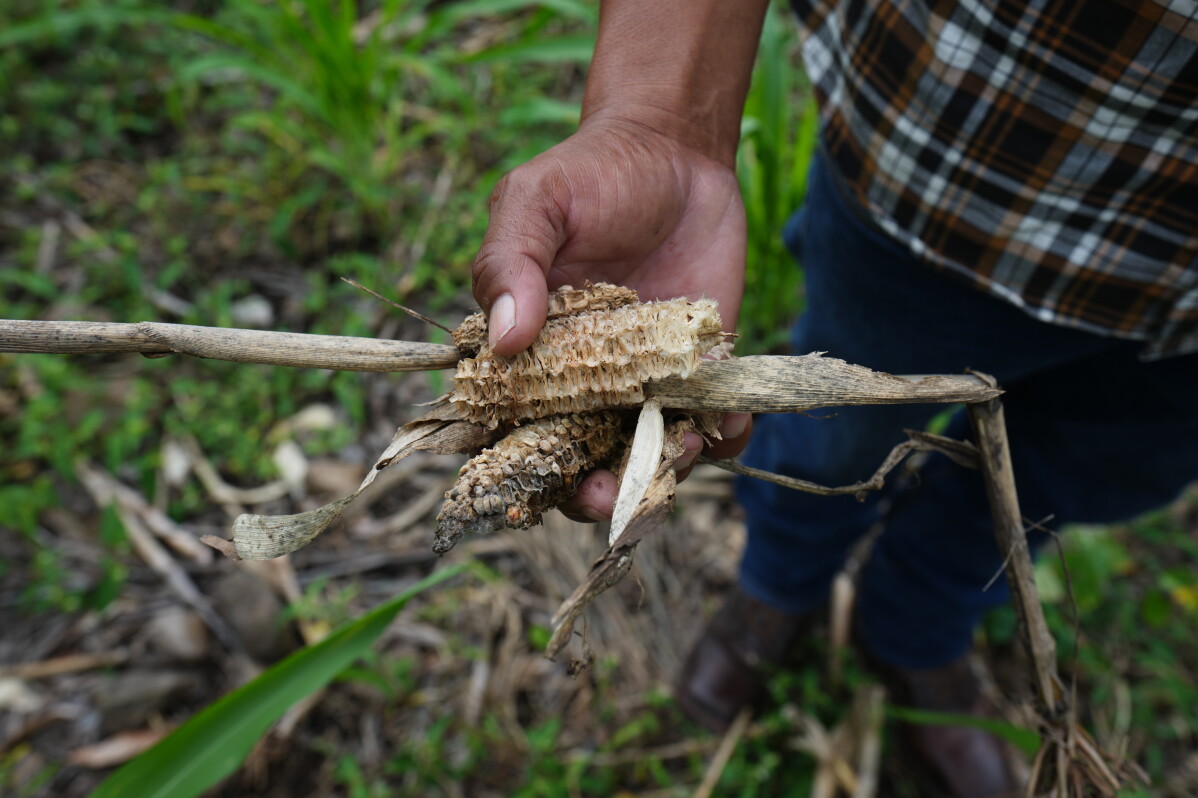
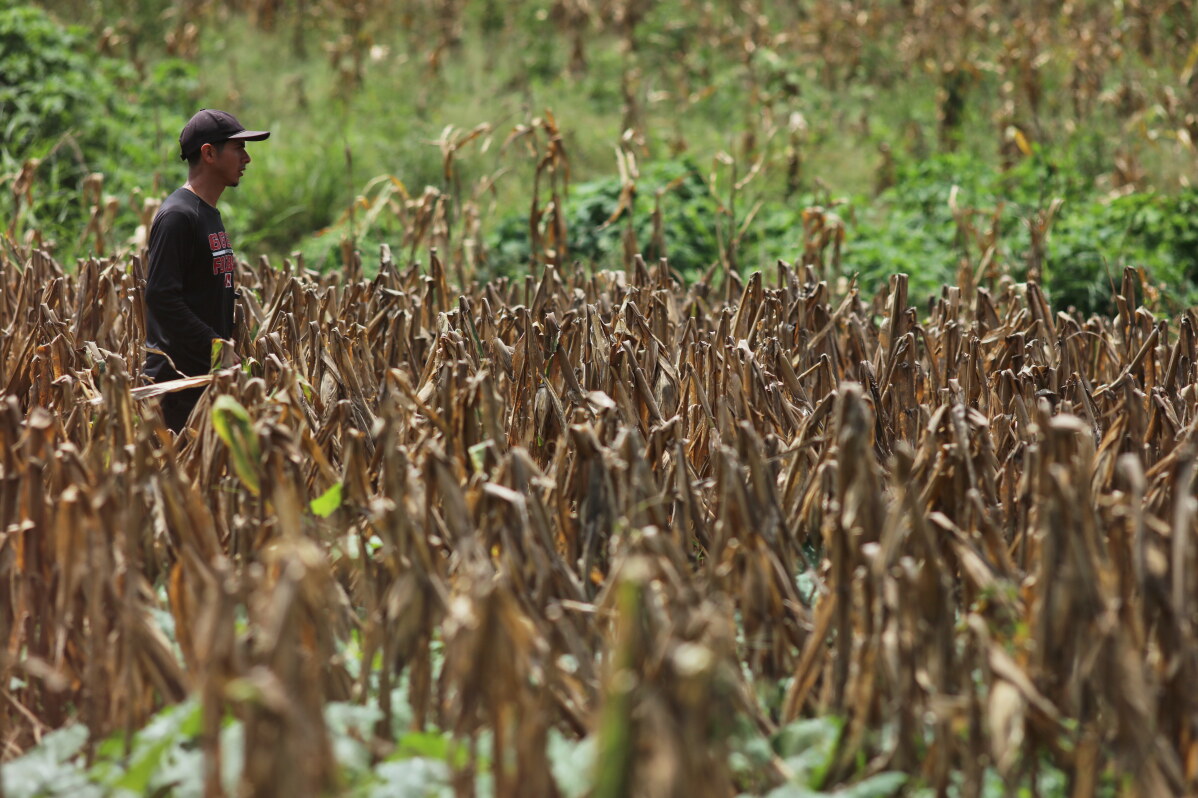
“我们买不起食物。我们种什么,就靠什么活,”埃尔南德斯说。“没有水,我们就一无所有。”奥尔多涅斯估计,像埃尔南德斯这样的农民在今年的干旱中损失了 80% 到 90% 的农作物。
“We can’t afford to buy food. What we grow, that’s what we live off,” Hernández said. “Without water, we’re left with nothing.”Ordóñez estimated that farmers like Hernández have lost 80% to 90% of their crops during this year’s drought.
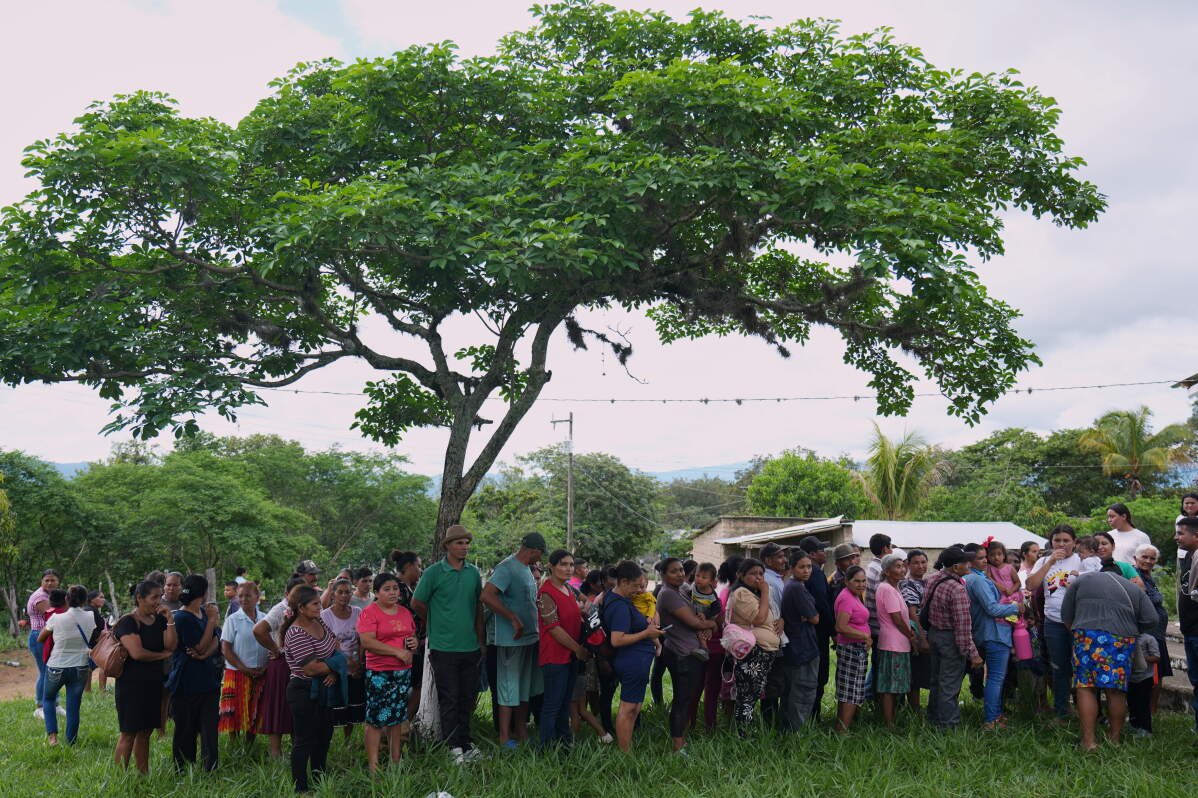
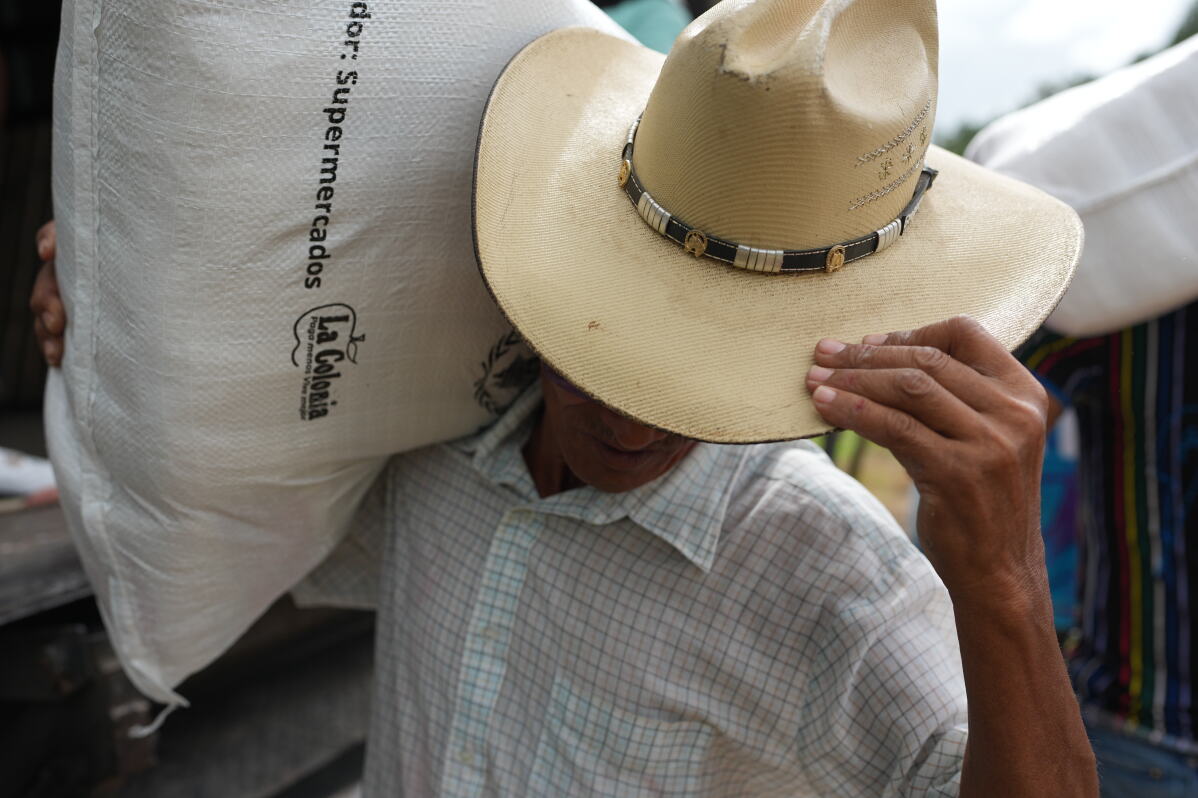
埃尔南德斯与数百人一起来到世粮计划署的救援点,他说自己度过了许多个空着肚子的夜晚,宁愿把仅有的食物留到第二天吃。周四的这批粮食援助由世粮计划署出资、并与洪都拉斯政府协调发放,是该社区收到的首批此类援助。
Hernández, who joined hundreds at the WFP site, said he’s spent many nights with an empty stomach, preferring to save what food he had for the next day. Thursday’s food shipment, funded by WFP and coordinated with Honduras’ government, was the first such aid the community had received.
但埃尔南德斯对人工增雨不屑一顾,他说他和邻居们需要的是挖井方面的帮助,这样无论有没有雨他们都能生存下去。
But Hernández dismissed the cloud seeding, saying what he and his neighbors need is help digging wells, so they can survive with or without the rain.
为防止危机进一步恶化,萨尔瓦多当局宣布进入为期六个月的紧急状态。危地马拉批准了紧急措施,以缓解贫困原住民社区的饥饿问题,其中包括免关税进口主粮。
In an attempt to fend off a deeper crisis, Salvadoran authorities declared a six-month state of emergency. Guatemala approved emergency measures to mitigate hunger in poorer indigenous communities, including importing staple grains without tariffs.
至于尼加拉瓜,由于政府严格控制信息,流亡在外的反对派批评政府缺乏紧急状态宣言或应急预案。尼加拉瓜政府未回应置评请求。
As for Nicaragua, where the government tightly controls information, the exiled opposition has criticized the lack of an emergency declaration or contingency plan. Nicaragua’s government did not respond to a request for comment.
最近的降雨在人工增雨开始前就已预期会到来,这给农民带来了一些希望。埃尔南德斯已经种下了豆类幼苗。如果再降雨,它们可能在 12 月前为他提供稳定的粮食来源。
The recent rainfall, which was expected before the cloud seeding began, has given farmers some hope. Hernández has planted bean seedlings. If more rain falls, they could provide him with steady food by December.
但世界气象组织现在预测,厄尔尼诺现象将持续到 2 月,美国国家气象局预测它将增强并很可能打破纪录。对干走廊而言,这很可能意味着它们通常获得的为数不多的降雨将落在别处,助长其他地区从洪水到飓风的各种灾害。
But the World Meteorological Organization now projects that El Niño will persist until February, and the U.S. National Weather Service predicted it will strengthen and likely break records. For the Dry Corridor, this likely means what little rain they usually get will fall elsewhere, feeding everything from floods to hurricanes in other regions.
在新孔塞普西翁,祖尼加表示,如果再次遭遇歉收,将是今年对当地家庭的第二次打击。今年家庭已经变卖一切可变卖之物来购买食物,几乎没有资源用于恢复。
In Nueva Concepcion, another crop failure would be a second blow in a year when families already sold whatever they could to buy food, and have few resources to recover, Zúñiga said.
埃尔南德斯密切关注着他那小块豆芽,它们从干裂的土壤中探出头来。“你晚上睡下,早上醒来,祈祷上帝降下雨水,”埃尔南德斯说。
Hernández keeps a close watch on his small patch of bean sprouts, peeking out from soil that had been cracked and dry. “You go to bed at night, and you wake up in the morning praying to God that he sends water,” Hernández said.