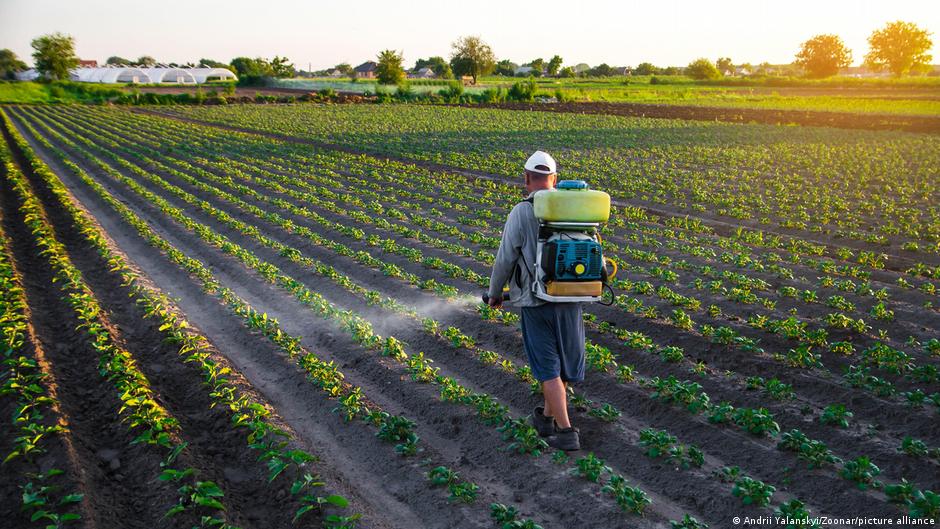
2026年10月22日 作为欧盟“精简和简化”欧盟法律行动的一部分,欧盟委员会对农业和食品安全立法提出了全面修改方案。其中包括一项旨在放宽杀虫剂和除草剂使用管制规则的举措,这些药剂有助于防治害虫和杂草。
October 22, 2026 As part of its drive to "streamline and simplify" EU laws, the European Commission has proposed sweeping changes for agriculture and food safety legislation. These include a move to ease rules controlling the use of pesticides and herbicides, which help fight pests and weeds.
根据可追溯至2011年的现行欧盟规则,杀虫剂的主要成分或活性物质仅获批最长15年的有限期限。
Under current EU rules, which date back to 2011, primary pesticide components, or active substances, are only granted approval for limited periods of maximum 15 years.
欧盟委员会对该体系提出的革新将使无限期批准成为默认做法——其中包括备受争议的草甘膦,该物质与癌症有关且会杀死几乎所有植物。安全审查将仅在特殊情况下进行,且责任将由监管机构承担,而非行业自身。
The European Commission's proposed revamp of the system would make indefinite greenlighting — including of the controversial glyphosate, which has been linked to cancer and kills almost all plant life — the default. Safety reviews would only be done in exceptional cases, and regulatory authorities would bear the responsibility, not the industry.
欧盟委员会表示,其目标是降低成本、简化当局的工作并帮助农民保持竞争力。然而,科学家和医生警告称,对这些有毒物质引起的人类健康和环境影响的担忧正被置之不理。欧盟为何想要对杀虫剂放松管制?
The commission has said its goal is to cut costs, simplify work for authorities and to help farmers stay competitive. Scientists and doctors, however, warn that concerns over human health and environmental impact from these toxic substances are being brushed aside. Why does the EU want to deregulate pesticides?
欧盟委员会表示,此举是为了回应农民和农业界对厘清规范杀虫剂使用规则的抱怨。
The European Commission has said it's responding to complaints from farmers and the agriculture industry to clarify EU rules that govern pesticide use.
包括推广杀虫剂的欧洲植保协会在内的19个食品协会于5月发表了一份联合声明,称复杂的行政程序和漫长的审批流程意味着农民“没有任何有效的解决方案来保护他们的农作物免受昆虫、杂草和疾病的侵害”,从而危及了粮食安全和生计。
A joint statement released in May by 19 food associations, including CropLife Europe, which promotes pesticides, said complicated administrative procedures and a lengthy approvals process meant farmers were "left without any effective solutions to protect their crops against insects, weeds and diseases," putting food security and livelihoods at risk.
欧盟委员会新闻部门对德国之声表示:“现行的针对每种活性物质的定期续期评估体系已难以为继,”并提到了在批准新的、更可持续的产品时出现的“长期拖延”和“瓶颈”。
"The existing system of periodic renewal assessment of every active substance has become unsustainable," the commission's press service told DW, citing "chronic delays" and "bottlenecks" in the approval of new, more sustainable products.
在最近的谈判中,欧盟成员国表示,无期限授权应限于“低风险活性物质”。但他们的立场仍提议将其他物质的首次批准期限延长至最多15年,续期则最多可达25年。
In recent negotiations, EU member states said open-ended authorizations should be restricted to "low-risk active substances." But their stance still proposed extending initial approval periods for other substances to up to 15 years, and a maximum of 25 years for renewals.
欧洲议会中右翼意大利籍议员赫伯特·多夫曼表示,目前新农药(包括更环保的选择)的审批存在长达数年的延迟,这意味着农民被迫依赖较旧的物质。或者,如果这些物质被禁,则完全无农药可用。
Herbert Dorfmann, a center-right Italian member of the European Parliament, said there is currently a yearslong delay in approving new pesticides, including more eco-friendly options, meaning farmers are forced to rely on older substances. Or, if these are banned, go without altogether.
委员会希望“提高系统的效率和响应能力”,同时保证“保护人类和动物健康以及环境仍然是最高优先级”。作为负责该问题机构间谈判的共同报告员,多夫曼支持委员会的立场,称欧盟需要“为创新打开系统”。他的目标是在年底前将议会关于新农药规则的提案提交给欧盟议员进行投票。农药如何影响人类健康和环境?
The commission wants to "make the system more efficient and responsive," while guaranteeing that "the protection of human and animal health and the environment remain the highest priorities." Dorfmann, who as co-rapporteur is responsible for interinstitutional negotiations on the issue, backs the commission's stance, saying the EU needs "to open up the system for innovation." He aims to bring the parliament's proposal on the new pesticide rules to a vote among EU lawmakers before the end of the year. How do pesticides affect human health, environment?
然而,生态学家和医学专家强烈反对这些拟议的修改,称对人类健康和环境的潜在影响被淡化了。
Ecologists and medical experts, however, have spoken out forcefully against the proposed changes, saying the potential implications for human health and the environment are being downplayed.
9月,来自全欧盟的500多名专家签署了一封公开信,呼吁欧洲议会暂停审议新法规,并对健康和环境影响进行独立调查。
In September, more than 500 experts from across the EU signed an open letter calling on the European Parliament to suspend its consideration of the new regulations and conduct an independent investigation into health and environmental impacts.
10月7日,联合国人权专家也支持进行全面审查的呼吁,以查明拟议的修改是否违反了欧盟在国际人权法下的义务,特别是针对农业工人和儿童的义务。
On October 7, UN rights experts also backed the call for a full review into whether the proposed changes violated the EU's obligations under international human rights law, especially with regard to agricultural workers and children.
农药可以在环境中持久存在,污染水质并使土壤退化。它们还可能导致生物多样性丧失,并毒害食物链更高阶的其他动物。
Pesticides can persist in the environment, contaminating water and degrading soils. They can also drive biodiversity loss and poison other animals higher up the food chain.
欧洲环境署曾表示,就人类而言,“目前尚无法估计与当前所有农药暴露水平相关的疾病负担”。然而,接触化学农药(包括仍在环境中残留的被禁物质)已与各种癌症、慢性呼吸道疾病、神经系统疾病、发育迟缓以及生育和行为问题联系在一起。
When it comes to humans, the European Environment Agency has said it was "not yet possible to estimate the burden of disease linked to current levels of exposure to all pesticides." However, exposure to chemical pesticides, including banned substances that still persist in the environment, has been linked to various cancers, chronic respiratory disease, neurological disorders and developmental delays, as well as problems with fertility and behavior.
而且这种接触十分普遍:一项在2014年至2021年间进行的调查发现,来自欧洲五个国家的儿童和成人的尿液样本中,有84%含有两种或多种农药的残留物。
And exposure is widespread: a survey conducted between 2014 and 2021 found that 84% of urine samples from both children and adults in five European countries contained residue from two or more pesticides.
荷兰莱顿大学科学主任兼生态毒理学专家玛蒂娜·维伊弗尔(Martina Vijver)表示,专家们“深感关切”,欧盟目前的计划“将削弱而不是加强农药监管的保护水平”。
Martina Vijver, scientific director and ecotoxicology expert at Leiden University in the Netherlands, said experts were "deeply concerned" that the EU's current plan "will weaken rather than strengthen the level of protection for pesticide regulation."
9月在欧洲议会发言时,她表示定期重新评估是利用新发现评估农药安全性的关键,并指出对风险的看法会随着时间而改变。“监管体系必须能够用明天的知识来纠正昨天的决定。”自2011年以来已有50多种物质被禁。总部位于布鲁塞尔的非政府组织“欧洲农药行动网”的政策官员萨洛梅·罗伊内尔(Salome Roynel)表示,农药的有害影响往往要在多年后产品面临重新评估时才会被完全理解。
Speaking at the European Parliament in September, she said regular reassessments were key to evaluating the safety of pesticides with new findings, pointing out that the perception of risk changes over time. "The regulatory system must remain capable of correcting yesterday's decisions with tomorrow's knowledge." More than 50 substances banned since 2011 Salome Roynel, a policy officer at the Pesticide Action Network Europe nongovernmental organization in Brussels, said the harmful effects of pesticides aren't often fully understood until years later, when the product is up for reconsideration.
她对德国之声表示:“新的科学发现不断涌现。”她强调了自2011年以来,由于定期审查,欧盟已禁止了56种活性物质。其中包括曾用于果园、蔬菜和谷物作物的杀虫剂毒死蜱,该物质已被证实对儿童的大脑发育产生有害影响。
"New science emerges all the time," she told DW, highlighting how 56 active substances have been banned in the EU since 2011 as a result of periodic reviews. That includes the insecticide chlorpyrifos, used in orchards and on vegetable and cereal crops, which has been tied to harmful effects on children's brain development.
罗内尔表示,“很明显,欧盟机构提出的修改意见与农药游说团体的诉求之间存在某种一致性”。这呼应了非营利研究与竞选组织“企业欧洲观察”发布的一份新报告,该报告称多夫曼和其他议员在他们的监管提案中“复制粘贴了……行业的诉求”。
Roynel said it was "obvious that there was some kind of alignment" between the changes proposed by the EU institutions and the demands of the pesticide lobby. This echoes a new report by nonprofit research and campaign group, Corporate Europe Observatory, which said Dorfmann and other lawmakers had "copy-pasted […] industry demands" into their regulatory proposals.
多夫曼否认受到了游说影响,他在接受德国之声采访时表示,在有关该议题的公开辩论中,他会见了“行业和环保协会双方”。
Dorfmann denied the lobby influence, telling DW he had met with "both sides, industry and environmental associations," in public debates on the issue.
多夫曼说:“主要目标不是让老产品留在市场上。主要目标是将新产品推向市场。”他补充说,该计划的一部分将是帮助更具环保意识的“生物防治”产品和低风险物质绕过当前的行政障碍,更快地进入市场。
"The main objective is not to keep old products in the market. The main objective is to bring new ones to the market," Dorfmann said. Part of that plan, he added, would be to help more environmentally friendly "biocontrol" products and low-risk substances to bypass current administrative hurdles and get on the market faster.
农民需要“激励”来转向更安全的农药。维伊弗此前曾大力倡导这一观点,她认同目前的系统意味着更环保的农药陷入了行政“交通堵塞”。她告诉德国之声,生物防治产品可以走绿色“公交专用道”,以便在欧洲食品安全局获得更顺畅的审批,同时保持关键的安全审查以筛除更危险的产品。
Farmers need 'incentive' to switch to safer pesticides It's an idea previously championed by Vijver, who agrees that the current system means more environmentally friendly pesticides are stuck in an administrative "traffic jam." She told DW that biocontrol products could go in a green "bus lane" to ease the way to approval at the European Food Safety Authority, while maintaining crucial safety reviews to filter out the more dangerous products.
罗内尔也支持加快生物防治物质审批的计划,但表示这需要成为更广泛系统变革的一部分,该变革包括资金支持、监测以及使用这些新产品的培训。这也包括维持对更有害化学农药的限制,而不是进一步放松管制。
Roynel also supports the plan to speed up approval for biocontrol substances, but said it needs to be part of a wider system change that includes financial support, monitoring and training to use these new products. And that also includes maintaining the restrictions on more harmful chemical pesticides, not further deregulation.
她说:“如果农民明天能更容易地获得合成农药,他们就没有动力转向生物防治。将生物防治农药推向市场很重要,我们完全支持这一点,但……这不会是万灵药。”
"If farmers get easier access to synthetic pesticides tomorrow, they would have no incentive to switch to biocontrol," she said. "It's important to put [biocontrol pesticides] on the market and we fully support that, but […] it will not be the silver bullet."