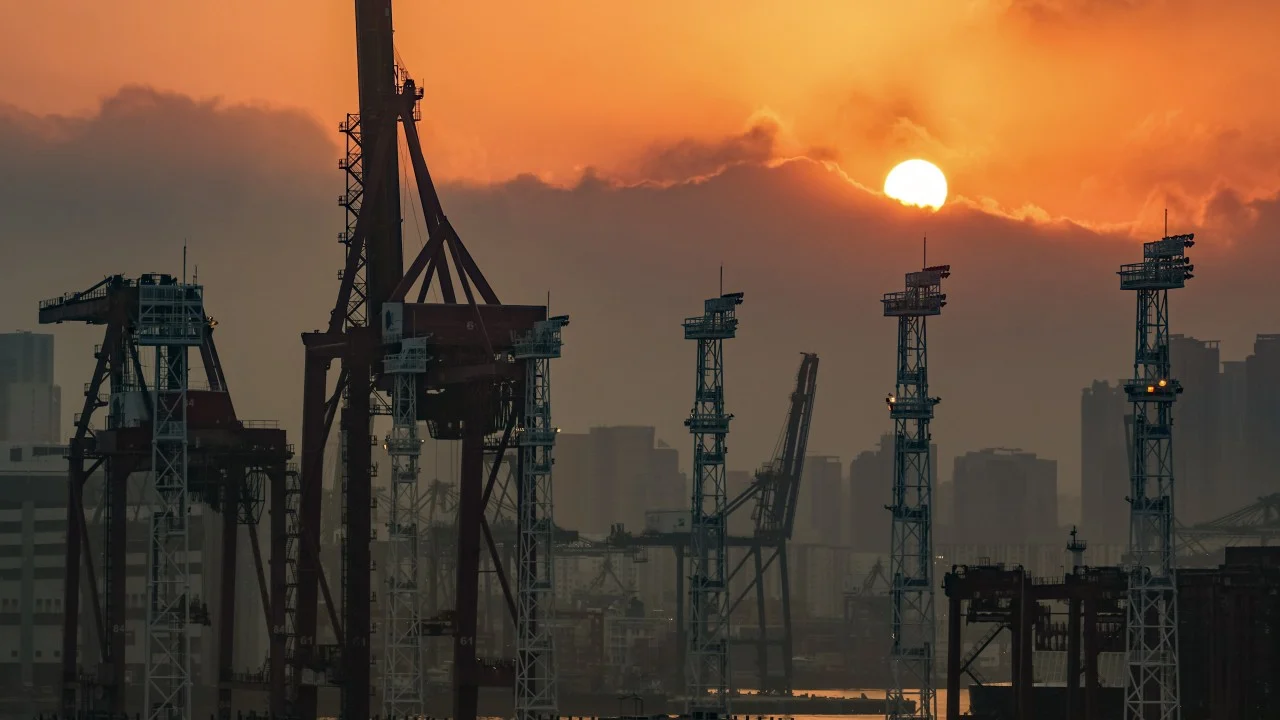
香港出口近期在全球贸易格局转变和关税措施影响下激增,值得庆贺。然而,这并未扭转该市港口集装箱吞吐量下滑的趋势,2025年吞吐量为1299万标准箱,同比下降5.1%。
Hong Kong’s surging exports amid recent global trade shifts and tariff measures are reason to celebrate. However, they have not reversed the decline in the city’s port’s container throughput, which hit 12.99 million 20-foot equivalent units in 2025, down 5.1 per cent year on year.
为回应公众对香港国际航运中心地位的质疑,香港首个五年规划旨在将航运枢纽从“吞吐量驱动”转型为“价值驱动”。政策重点在于培育大宗商品贸易生态系统,并推进高增值服务,涵盖航运金融、海事保险、船舶管理及海事争议解决等领域。
To address public doubts over the city’s standing as an international shipping centre, Hong Kong’s first five-year plan seeks to transform the maritime hub from being throughput-driven to value-driven. The policy emphasis falls on cultivating a commodity trading ecosystem and advancing high-value services, ranging from shipping finance and marine insurance to ship management and maritime dispute resolution.
随着香港向海事服务转型,在价值驱动时代,该市实体港口的战略定位出现根本性问题。港口应如何演变,使实体货运流量能为香港的高增值服务生态系统赋能,而非落后于其发展?
As Hong Kong pivots towards maritime services, there are fundamental questions about the strategic purpose of the city’s physical port in a value-driven era. How should the port evolve so physical cargo flows power Hong Kong’s high-value service ecosystem instead of lagging behind?
由于海事价值在运营规模上呈复合增长,高增值海事服务无法在真空中存在。繁荣的港口提供必要的基础、实时数据和实操经验,以构建顶尖海事服务。码头作业产生海事勘验、船舶检验、风险评估和理赔结算所需的情报。
As maritime value compounds on operational scale, high-value maritime services cannot exist in a vacuum. A thriving port provides the essential foundation, real-time data and practical exposure needed to build top-tier maritime services. Dockside operations generate the intelligence required for marine surveying, vessel inspection, risk assessment and claims settlement.
此外,船舶进港对高利润战略举措(如绿色船用燃料加注及贸易)不可或缺。每一艘船舶靠泊都为加注业务创造即时商机,进而优化本地实务、建立绿色燃料交易流动性并产生相关服务费收入。
Furthermore, port calls are indispensable for high-margin strategic initiatives such as green marine fuel bunkering and trading. Every vessel docking creates an immediate commercial opportunity for bunkering, which in turn refines local practices, builds liquidity in green fuel trading and yields associated service fees.
若缺乏足够流量,运营反馈回路将断裂。这将削弱该市定价风险、构建复杂海事产品或保持相较于区域竞争枢纽的服务优势的能力。
Without sufficient traffic, the operational feedback loop breaks. This erodes the city’s ability to price risk, structure complex maritime products or maintain its service edge over competing regional hubs.
然而,追求10年或20年前的吞吐量水平是不切实际的。香港必须接受这样一个现实:其作为中国内地贸易唯一门户的角色已成为历史。不过,新途径不是接受一种自我挫败的竞争失利论,而是将香港纳入大湾区港口群的成员之中。
However, aiming for the throughput levels seen 10 or 20 years ago is unrealistic. Hong Kong must accept the reality that its role as the sole gateway for mainland trade is history. Rather than accepting a self-defeating narrative of lost competition, though, the new pathway includes Hong Kong as a member of the Greater Bay Area port cluster.
香港港口的命运是该港口群竞争力的关键。这就要求香港将该港口群视为一个具有各自不同角色的协作性港口网络,而不是一个竞争对手的集合。
The fate of Hong Kong’s port is key to the competitiveness of the cluster. It requires Hong Kong to view the cluster as a collaborative network of ports with distinct roles rather than a collection of competitors.
这座城市应当根植于比较优势,找到其独特的价值主张和发展方向。虽然内地港口擅长庞大的产业规模和最初的内陆货物集散,但香港的竞争优势在于其国际连通性、自由港地位、普通法司法基础设施和金融实力。
The city should find its unique value propositions and development direction rooted in comparative advantages. While mainland ports excel at massive industrial scale and primary inland cargo aggregation, Hong Kong’s competitive edge lies in its international connectivity, free port status, common law judicial infrastructure and financial prowess.
通过协调驳船网络、建立绿色能源走廊以及统一港口群内跨境数字海关数据,大湾区将成为一个一体化的、正和的生态系统。在此框架下,邻近港口之间的实货流动直接为香港的高附加值海事服务金融架构提供支撑。
By coordinating feeder networks, establishing green energy corridors and standardising cross-boundary digital customs data across the cluster, the Greater Bay Area becomes an integrated, positive-sum ecosystem. In this framework, physical cargo flows across neighbouring ports directly feed into Hong Kong’s high-value maritime services financial architecture.
实现这一合作愿景需要克服扎根于香港港口治理模式的体制障碍:港口所有权、规划和发展。与新加坡港务集团——一家由淡马锡全资拥有的公共实体——或国有内地港口集团不同,葵涌货柜码头的经营分散在五个拥有不同企业结构和商业优先级的私营运营商手中,其运营依据的私人土地租约将持续到2047年。
Realising this collaborative vision requires overcoming institutional hurdles rooted in Hong Kong’s port governance model: port ownership, planning and development. Unlike Singapore’s PSA – a public entity fully owned by Temasek – or state-owned mainland port groups, the Kwai Tsing Container Terminals are fragmented across five private operators with distinct corporate structures and commercial priorities, operating under private land leases that run until 2047.
此外,海事处缺乏任何立法授权来监管、指导或强制葵青港口的规划与基础设施建设。在缺乏立法的情况下,运输及物流局的路线图和政策可能面临有限的合规与配合。
Furthermore, the Marine Department lacks any legislative authority to regulate, guide or mandate Kwai Tsing port planning and infrastructure development. Without legislation, the Transport and Logistics Bureau’s road maps and policies could face limited compliance and cooperation.
这种治理真空与内地的《港口法》形成鲜明对比,后者授权市级港口管理机构发布具有法律约束力的港口规划总体方案。与新加坡的《海事及港口管理局法》相比也显逊色,该法通过法定牌照条件要求持牌人遵守管理局发出的任何指示,且指示可被撤销或修改。
This governance vacuum stands in stark contrast to the mainland’s Port Law, which empowers municipal port authorities to issue legally binding port planning master plans. It also compares poorly to Singapore’s Maritime and Port Authority Act, which uses statutory licensing conditions to require licensees’ compliance with any direction given by the authority, which can be revoked or modified.
这种体制现实表现为三大急迫的市场失灵。首先,由于缺乏协调的私营码头依赖传统的专有运营系统,业界对智慧物流解决方案的采用仍然零散、破碎且缓慢。
This institutional reality manifests in three acute market failures. First, industry adoption of smart logistics solutions has remained piecemeal, fragmented and slow as uncoordinated private terminals rely on legacy, proprietary operational systems.
其次,这造成了关于服务公共利益的基础设施财务责任的长期困惑与摩擦。政府期望私营营办商为长期脱碳资产提供资本,但私营码头营办商可能主张减排的公共利益足以证明直接由公共财政出资的合理性。
Second, it creates chronic confusion and friction regarding financial responsibilities for infrastructure serving the public good. While the government expects private operators to capitalise long-term decarbonisation assets, private terminal operators might argue that the public benefits of emissions reduction justify direct public financing.
第三,私营碎片化滋生了集体行动问题。在缺乏单一法定声音的情况下,个别码头营办商缺乏统一的授权或激励,去与国家支持的内地港口管理机构谈判合作。
Third, private fragmentation breeds collective action problems. Without a single statutory voice, individual terminal operators lack the unified mandate or incentive to negotiate cooperation with state-backed mainland port authorities.
为弥补这一差距,香港必须设立专门的法定港口管理局,赋予其明确的监管手段、经营牌照监管权以及对码头用地和运营的总体规划权。一个中央集权的港口管理局对于确保港口营办商保持一致、协调公私营在智慧和绿色基础设施上的投资,以及在大湾区缔结具有法律约束力的战略联盟至关重要。
To bridge this gap, Hong Kong must establish a dedicated statutory port authority equipped with clear regulatory levers, operational licensing oversight and master planning powers over terminal land and operations. A centralised port authority is essential to ensure port operator alignment, coordinate public-private investments in smart and green infrastructure and enter legally binding strategic alliances across the Greater Bay Area.
通过以中央领导取代碎片化管理,香港能够确保其海滨保持充满活力、世界一流的引擎地位,从而推动该地区成为首要的海事服务枢纽。
By replacing fragmentation with central leadership, Hong Kong can ensure its waterfront remains a dynamic, world-class engine driving the region’s premier maritime services hub.