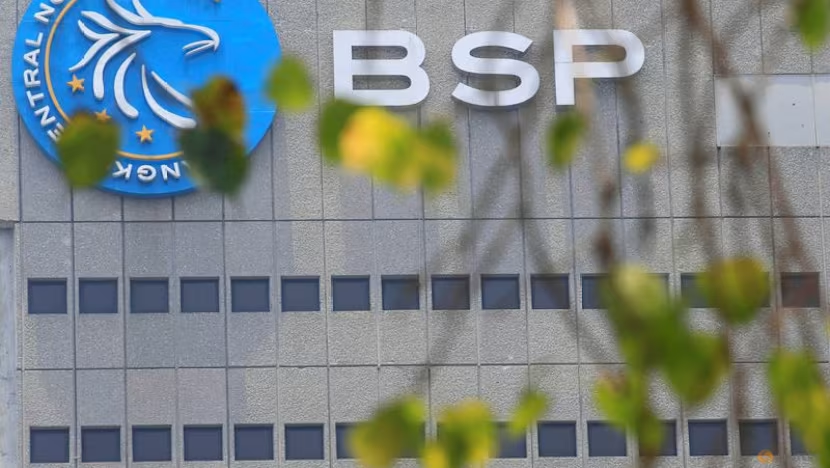
马尼拉,10月22日:菲律宾中央银行周四将关键政策利率上调50个基点至5.5%,幅度超出预期,并称这是对抗价格压力的“果断”举措,同时表示已准备好进一步收紧政策以冷却通胀。
MANILA, Oct 22 : The Philippine central bank raised its key policy rate by a larger-than-expected 50 basis points (bps) to 5.5 per cent on Thursday, calling it a "decisive" move to combat price pressures while saying it was ready to tighten policy more to cool inflation.
菲律宾中央银行(BSP)在一份声明中表示:“货币委员会认识到,有必要采取强有力的货币政策应对措施,以应对不断扩大的价格压力和通胀进一步上行的风险。”
"The Monetary Board recognized the need for a strong monetary policy response to broadening price pressures and further upside risks to inflation," the Bangko Sentral ng Pilipinas (BSP) said in a statement.
此次加息是连续第四次上调,违背了市场预期;路透社调查的全部27位经济学家此前均预计加息25个基点。
The rate hike, the fourth consecutive increase, defied market expectations; all 27 economists polled by Reuters penciled in a quarter-point increase.
菲律宾央行表示:“这样的果断应对将使货币政策具有适当的限制性。这将遏制第二轮效应,并牢牢锚定通胀预期。”周四央行实施超预期加息后,菲律宾比索一度走强,但随后回吐涨幅,回落至纪录低点附近,因顽固的通胀和放缓的经济增长仍是主要担忧。
"Such a decisive response will make monetary policy appropriately restrictive," the BSP said. "This will contain second-round effects and firmly anchor inflation expectations." The Philippine peso gained after the central bank delivered an outsized interest rate hike on Thursday, but later gave up those gains and drifted back towards a record low as sticky inflation and slowing growth remained key concerns.
比索近期跌至纪录低点,加大了菲律宾央行采取行动的压力,因为货币走弱会提高这个严重依赖燃料进口的国家的输入性通胀风险。自美国-以色列对伊朗开战引发油价上涨以来,比索已暴跌近10%。
The peso's recent record low has added to pressure on the BSP to act, with a weaker currency raising the risk of imported inflation in a country that is heavily reliant on fuel imports. The currency has plunged nearly 10 per cent since the beginning of the US-Israeli war on Iran, which sparked a rally in oil prices.
在连续四个月放缓后,9月通胀加速,凸显了菲律宾央行面临的挑战——尽管今年上半年经济增长疲弱,央行仍维持紧缩的货币政策。
After slowing for four straight months, inflation accelerated in September, underscoring the challenge the BSP faces as it keeps monetary policy tight despite weak economic growth in the first half of the year.
菲律宾央行将今年的平均通胀预测维持在6.1%,但将明年的预测从5.4%上调至6.0%,理由是全球油价高企以及厄尔尼诺现象带来的威胁。该行预计通胀将在2028年回到目标区间,并放缓至3.3%。
The BSP kept its average inflation forecast for this year at 6.1 per cent, but raised its projection for next year to 6.0 per cent from 5.4 per cent, citing high global oil prices and the threat posed by El Nino. It expects inflation to return to its target range in 2028 and ease to 3.3 per cent.
菲律宾央行行长埃利·雷莫洛那表示,鉴于在财政措施的支持下,预计经济将会复苏,决策者有空间调整政策。雷莫洛那表示:“我们对进一步加息持开放态度。”
BSP Governor Eli Remolona said policymakers had room to adjust policy given expectations that the economy would recover, supported by fiscal measures. "We remain open to further interest rate hikes," Remolona said.
华侨银行东盟高级经济学家拉瓦尼亚·文卡特斯瓦兰预计,在周四进行幅度超出预期的加息之后,菲律宾央行将在12月17日的会议上保持利率不变,但如果未来几个月核心通胀率持续居高不下,进一步加息的大门依然敞开。
Lavanya Venkateswaran, senior ASEAN economist at OCBC Bank, expects the BSP to stand pat at its December 17 meeting after Thursday's larger-than-expected increase, but the door to further hikes remains open if core inflation stays elevated in the coming months.