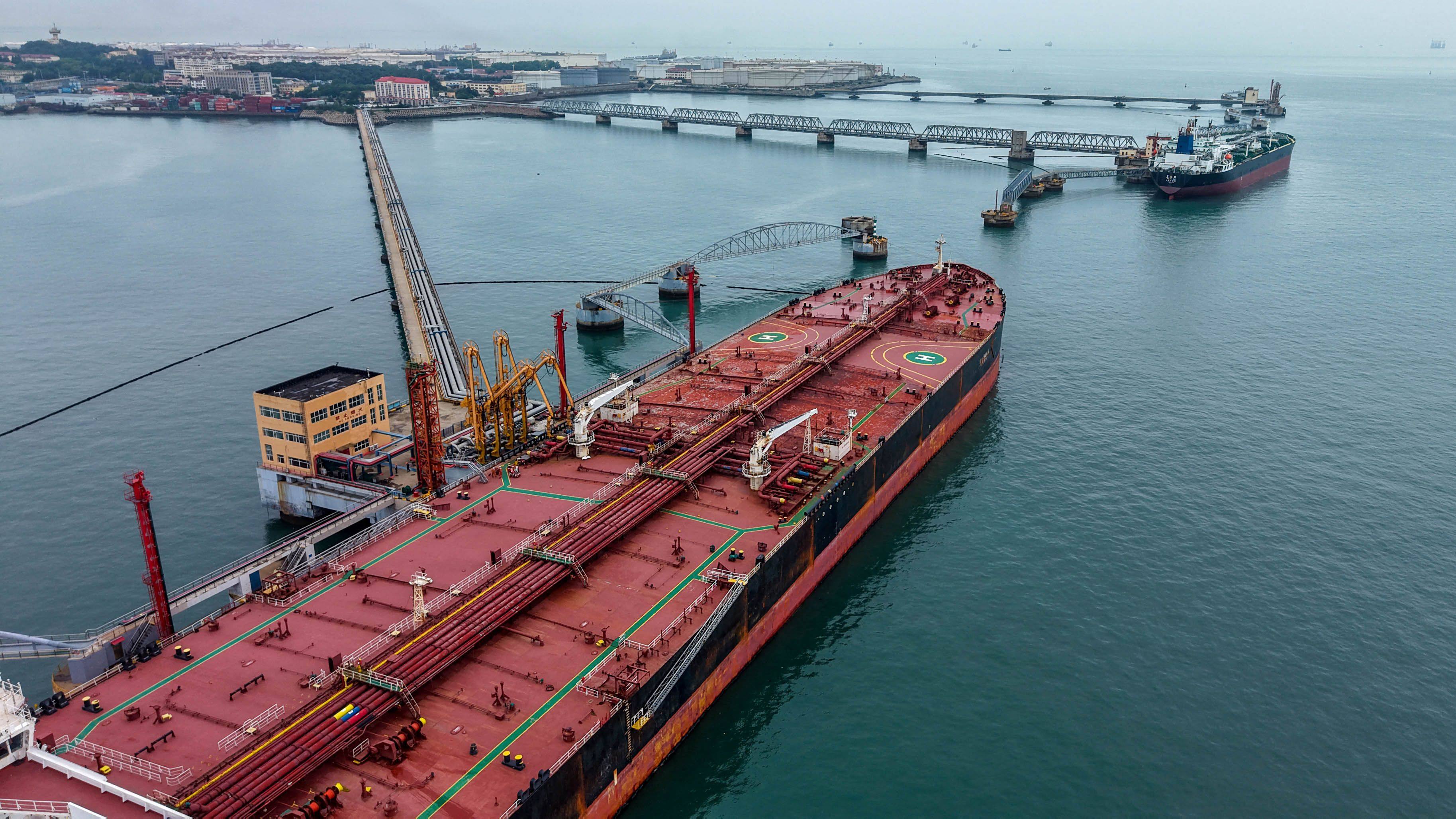
在中国海关数据显示,在美国和以色列对伊朗的战争造成长达数月的混乱以及国内库存大幅下降的背景下,中国自海关地区的原油进口正在反弹。
Chinese crude oil imports from the Gulf region are rebounding amid months of disruption from the US-Israel war on Iran and a sharp decline in domestic inventories.
中国海关数据显示,9月份来自中东的货物环比增长25.7%,达到1380万吨,标志着连续第三个月实现环比增长。
Shipments from the Middle East rose 25.7 per cent month on month to 13.8 million tonnes in September, marking a third consecutive monthly increase, according to Chinese customs data.
数据情报公司克普勒(Kpler)的高级原油分析师许慕雨(音)表示,在创纪录的库存消耗背景下,中东原油的需求可能会保持强劲,她同时指出市场对沙特货物的兴趣有所回升。
Xu Muyu, a senior crude oil analyst at data intelligence firm Kpler, said demand for Middle Eastern crude was likely to remain strong amid record drawdowns, also pointing to renewed interest in Saudi shipments.
许慕雨表示:“中国增加购买[沙特原油]主要是由沙特对亚洲供应的大幅增加以及激进的定价策略所驱动的,这使得沙特原油在市场上具有极强的竞争力。”
“China’s increased buying [of Saudi crude] is mainly driven by a sharp rise in Saudi supplies to Asia and an aggressive pricing strategy that makes Saudi barrels highly competitive in the market,” Xu said.
她补充说,中国炼油厂一直在通过现货招标积极竞标来自阿布扎比和伊拉克的原油。
Chinese refiners had been actively bidding for crude from Abu Dhabi and Iraq through spot tenders, she added.
许慕雨表示,中国10月份自该地区的进口量有望超过每天500万桶。这将比9月份的每天350万桶大幅增加,并接近2月份记录的伊朗战争前每天560万桶的水平。
The country’s imports from the region were on track to exceed 5 million barrels per day in October, Xu said. That would mark a sharp increase from 3.5 million barrels per day in September and approach the pre-Iran war level of 5.6 million barrels per day recorded in February.
由于通过霍尔木兹海峡和红海的航运中断导致运费飙升,包括沙特阿拉伯和伊拉克在内的几个中东产油国已经下调了向亚洲买家收取的官方价格,以保持其原油的竞争力。
Several Middle Eastern producers, including Saudi Arabia and Iraq, have cut the official prices they charge Asian buyers to keep their crude competitive, as shipping disruptions through the Strait of Hormuz and Red Sea have sent freight costs soaring.
在也门胡塞武装组织上个月发动袭击后,沙特阿拉伯也恢复了通过其关键的东西走向输油管道的石油输送。
Saudi Arabia has also restored oil flows through its critical East-West pipeline following attacks by Yemen’s Houthi militant group last month.
与此同时,克普勒的数据显示,中国9月份陆上原油库存每天减少约160万桶,创下历史最快纪录,尽管进入10月份以来,下降速度已放缓至每天约40万桶。
Meanwhile, China’s onshore crude oil inventories fell by about 1.6 million barrels per day in September, the fastest pace on record, Kpler data showed, though the rate of decline had since slowed to about 400,000 barrels per day so far in October.
许慕雨说:“中国本月的海上进口量已显着恢复,”并补充说,随着中国炼油厂需求的增加,她预计进口量将继续上升。
“China’s seaborne imports have recovered significantly this month,” said Xu, adding that she expected them to keep rising as demand from Chinese refineries increased.
海关数据显示,9月份中国最大的海外原油供应国俄罗斯的进口量按体积环比下降11.4%,拉低了整体进口量2%。
Shipments from Russia, China’s biggest foreign supplier of crude oil, fell 11.4 per cent by volume in September from the previous month, dragging overall imports down 2 per cent, customs data showed.
许慕雨表示,俄罗斯石油进口量的下降可能是由该国上个月对管道网络进行的季节性维护造成的,而不是中国炼油厂的刻意决定。
Xu said the fall in Russian shipments was likely caused by seasonal maintenance on the country’s pipeline network last month, rather than a deliberate decision by Chinese refiners.
许慕雨说:“中国对俄罗斯原油的需求依然坚挺,但未来的货流将很大程度上取决于供应的可用性以及俄罗斯原油的经济性。”
“China’s demand for Russian crude remains solid, but future flows will largely depend on supply availability and the economics of Russian barrels,” Xu said.
尽管月度有所下降,但中国从俄罗斯进口的原油在9月份仍比去年同期高出20%,标志着连续第三个月实现同比增长。尽管此前伊朗战争引发全球能源冲击,导致俄罗斯原油价格上涨、此前的抢购潮有所放缓,但增幅依然出现。
Despite the monthly decline, China’s crude oil imports from Russia remained 20 per cent higher in September than a year earlier, marking a third consecutive month of year-on-year growth. The increase came even as an earlier buying spree slowed after global energy shocks from the Iran war drove Russian crude prices higher.