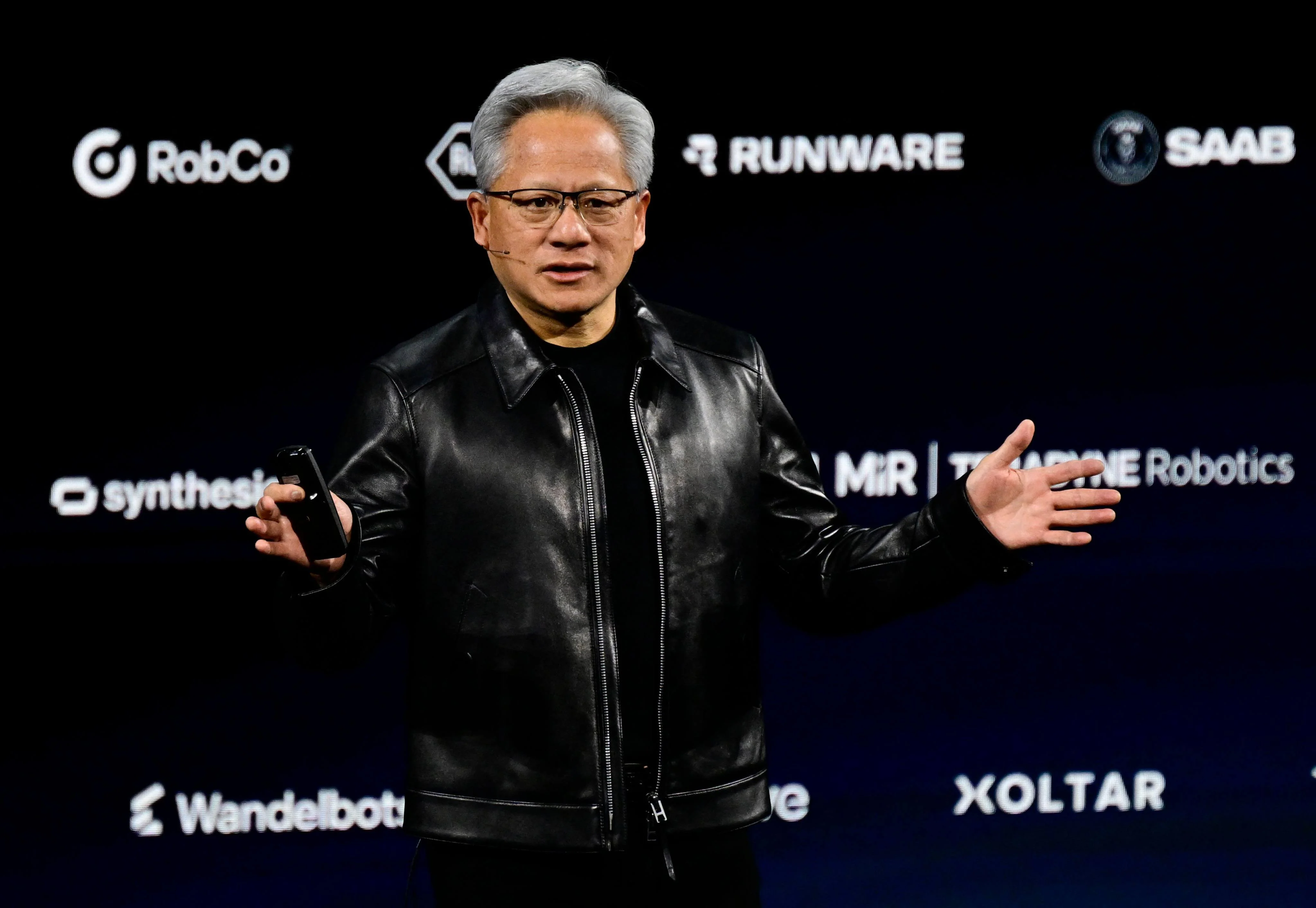
与人工智能模型初创公司DeepSeek(深度求索)不断深化的“共生”关系,正帮助中国科技巨头华为技术在芯片硬件和软件生态系统方面追赶英伟达。据一份新报告称,这可能意味着黄仁勋的“噩梦开始成真”。
Deepening “symbiosis” with artificial intelligence model start-up DeepSeek is helping Chinese tech champion Huawei Technologies catch up with Nvidia’s chip hardware and software ecosystem in a scenario that could mean Jensen Huang’s “nightmare is starting to come true”, according to a new report.
研究公司SemiAnalysis在周四发布的报告中表示,DeepSeek最新的软件发布,加上其对华为强大的升腾950PR芯片进行更多实验,显示出与美国的技术差距正在缩小,因为这两家公司正日益发挥各自优势,加速国内创新。
DeepSeek’s latest software releases, on top of its increased experimentation with Huawei’s powerful Ascend 950PR chips, reveal that the technological gap with the US is closing, as the two firms increasingly harness their respective strengths to accelerate domestic innovation, research firm SemiAnalysis said in a report published on Thursday.
这项研究发布于DeepSeek推出针对升腾芯片生态系统定制的软件工具几周后,其中包括六个软件模块,这些模块与这家杭州初创公司此前为英伟达芯片开发的模块相对应。
The research comes weeks after DeepSeek released software tools tailored to the Ascend chip ecosystem, including six software modules that mirror ones that the Hangzhou start-up had previously developed for Nvidia chips.
其中发布的工具包括TileLang的升腾兼容版本,TileLang是一种定制编程语言,旨在简化高性能内核的开发——这是操作芯片硬件必不可少的代码。
Among the releases was an Ascend-compatible version of TileLang, a custom programming language designed to streamline the development of high-performance kernels – essential code for operating chip hardware.
DeepSeek上月底表示,TileLang的升腾版本有助于推动图形处理单元更“自主可控”的国产软件生态系统。
The Ascend version of TileLang can help promote a more “independent and controllable” domestic software ecosystem for graphics processing units, DeepSeek said late last month.
SemiAnalysis表示,DeepSeek与华为日益增长的共生关系意味着,到2027年或2028年,DeepSeek很可能将“主要”依赖华为“已经成熟且开发完善”的技术栈,“尤其是在构建完全国产化中国生态系统的外部和内部压力下”。
Growing symbiosis between DeepSeek and Huawei means that DeepSeek was likely to rely “primarily” on Huawei’s “already mature and well developed” technology stack by 2027 or 2028, SemiAnalysis said, “especially with the external and internal pressure to build a fully domestic Chinese ecosystem”.
在美对华先进芯片(包括英伟达的芯片)及芯片制造设备实施出口管制的背景下,北京已将科技自立自强列为国家优先事项。
Beijing has made tech self-reliance a national priority amid US export controls on China’s access to advanced chips, including Nvidia’s, and chipmaking equipment.
随着英伟达在华市场日益被边缘化,黄仁勋对这些限制对其业务及美国科技竞争力的重大影响,表达得越来越直言不讳。
As Nvidia has increasingly found itself sidelined in the Chinese market, Huang has become increasingly outspoken about the significant impact of these restrictions on both his business and for US tech competitiveness.
在4月播出的一档播客中,正值DeepSeek发布V4基础模型前夕,黄仁勋表示,如果DeepSeek将其模型优化为在华为芯片上训练和运行,这对美国将是“一个可怕的结果”,并声称结果将是中国“将超越”美国。
In a podcast aired in April, just ahead of the launch of DeepSeek’s V4 foundation model, Huang said it would be “a horrible outcome” for the US if DeepSeek optimised its models to be trained and run on Huawei chips, claiming that China “will become superior to” the US as a result.
“从目前的软件结果和在950PR上的测试来看,在华为工作的基础上,DeepSeek的帮助确实让生态系统差距进一步缩小。黄仁勋的噩梦开始成真了,”SemiAnalysis在其报告中写道。
“From the software results so far and testing on 950PR, the ecosystem gap is definitely closer with DeepSeek’s help on top of Huawei’s work. Jensen’s nightmare is starting to come true,” SemiAnalysis said in its report.
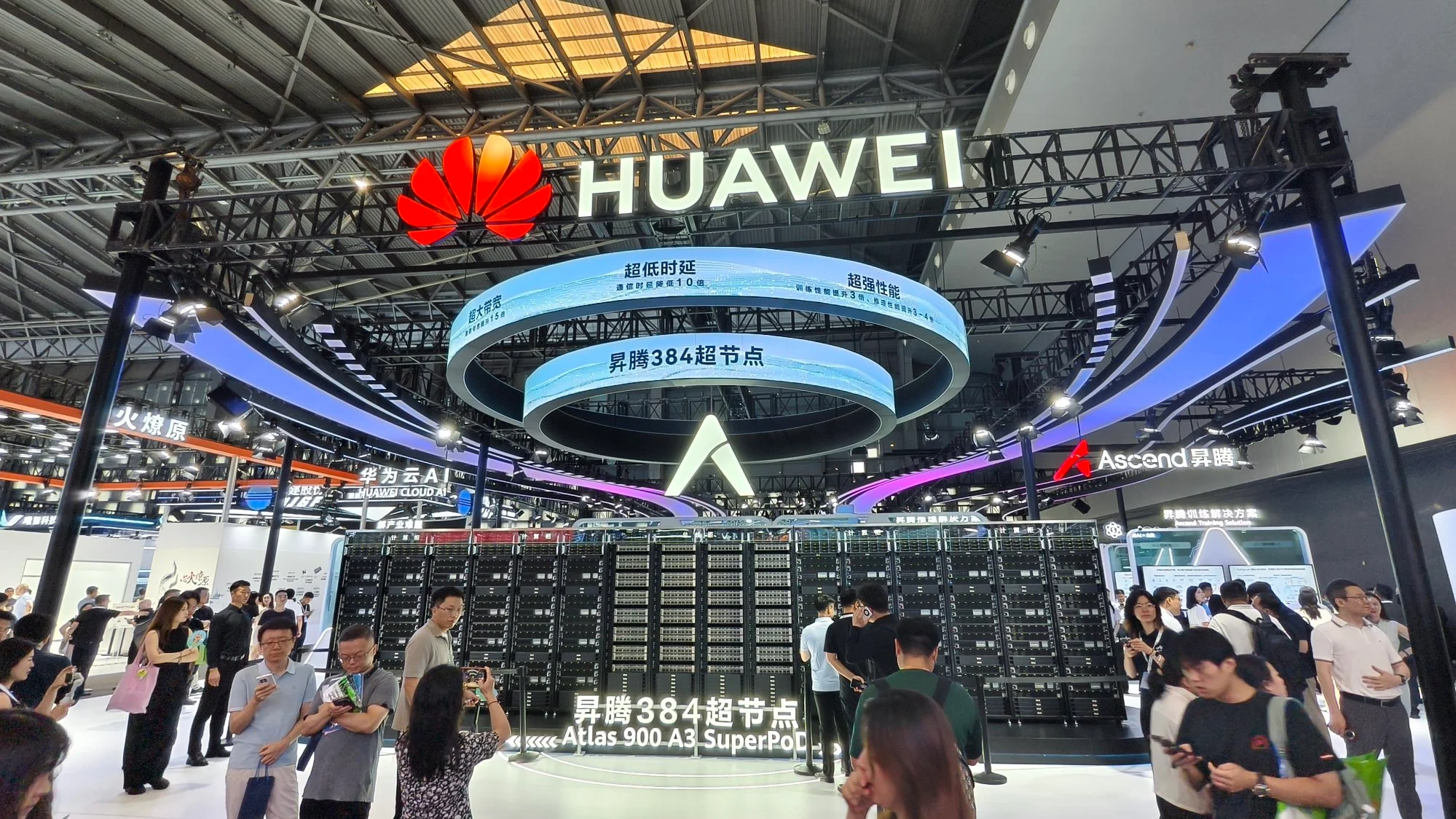
最新分析进一步详述了两家公司如何合作加速创新,例如DeepSeek在升腾硬件和软件生态系统上测试特定模型的工作负载。
The latest analysis provides further details on how the two companies work together to accelerate innovation, such as DeepSeek’s testing of model-specific workloads on the Ascend hardware and software ecosystem.
DeepSeek还向华为提供了模型本身的早期访问权限,华为宣布为DeepSeek V4和V4.1等重大更新提供“Day-0”(即日零)推理支持——即运行AI模型的芯片,而非用于训练模型的芯片。
DeepSeek has also provided Huawei with early access to the models themselves, with Huawei announcing “Day-0” inference support – the chips that run an AI model, not the chips used to train the model – for major updates like DeepSeek V4 and V4.1.
不过,SemiAnalysis表示,华为于3月发布的升腾950PR在绝对性能上仍落后于英伟达的H100。英伟达于2022年开始出货H100。然而,华为工程师展现了“良好的工作”,其最优升腾内核实现了99.7%的理论上限效率。
Still, the Ascend 950PR – unveiled by Huawei in March – lags Nvidia’s H100 in absolute performance, SemiAnalysis said. Nvidia began shipping the H100 in 2022. However, Huawei engineers are demonstrating “good work”, with their best Ascend kernels achieving high levels of efficiency at 99.7 per cent of their theoretical ceiling.
报告还指出了剩余挑战,例如DeepSeek特定超级节点设置之外的硬件配置,可能面临更广泛行业的兼容性障碍。
The report also noted remaining challenges such as hardware configurations outside DeepSeek’s specific supernode set-ups, which may face compatibility hurdles for the broader industry.
目前大多数优化集中在大规模超级节点上,对于试图在标准x86主机处理器而非华为原生架构上运行升腾硬件的开发者而言,相关问题仍未解决。
Most optimisations to date have focused on large-scale supernodes, leaving unresolved issues for developers attempting to run Ascend hardware on standard x86 host processors instead of Huawei’s native architectures.
然而,两家公司持续合作带来的收益未来也可能成倍增加。“服务DeepSeek的其他运营商可以复用内核和部署实践,而其他实验室可以利用共享的编译器能力构建新模型,”SemiAnalysis分析师写道。
However, benefits from continued collaboration between the two companies could also be multiplied in the future. “Other operators serving DeepSeek can reuse kernels and deployment practices, while other labs can build new models on shared compiler capabilities,” the SemiAnalysis analysts wrote.
“如果这些用户将修复和优化贡献回去,收益就能产生复利效应。”
“If these users contribute fixes and optimisations back, the gains can compound.”