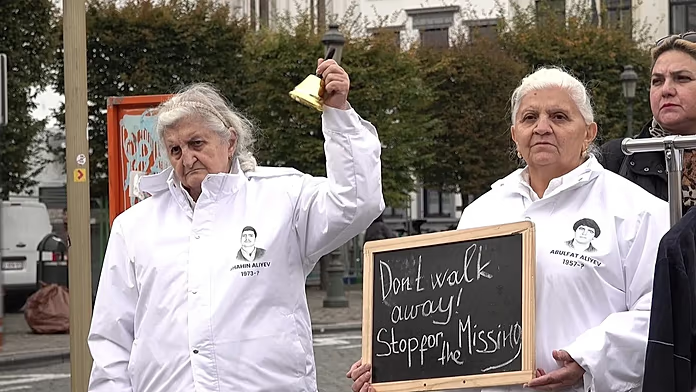
阿塞拜疆失踪人员家属本周在布鲁塞尔欧洲议会和欧盟委员会总部前举行示威,要求欧盟机构提供支持,他们仍在继续寻求真相,想知道自第一次卡拉巴赫战争以来仍失踪的4000多名亲人的下落。这些家属由“卡拉巴赫失踪家庭公共联盟”组织,请求帮助查明亲属的命运,其中包括儿童、妇女和老人,这些人自1994年结束的第一次战争以来一直失踪。
Azerbaijani families of missing persons demanded support from EU institutions in Brussels during their demonstrations this week in front of the European Parliament and European Commission headquarters, as they continue to seek the truth about the fate of over 4,000 loved ones still missing since the first Karabakh war. Organised by the Garabagh Missing Families Public Union, the families asked for help in their quest to establish the fate of their relatives, which include children, women and elderly people, who remain missing since the first war that ended in 1994, urging the EU institutions to pressure Armenia into disclosing archive information and the locations of mass graves.
他们敦促欧盟机构向亚美尼亚施压,要求其公开档案信息和乱葬坑的位置。最近在卡拉巴赫发现了32个乱葬坑,家属们强调,30年后他们了解真相的权利需要国际社会关注。
With 32 mass graves recently discovered in Karabakh, the families have emphasised that their right to know the truth after 30 years requires international attention.
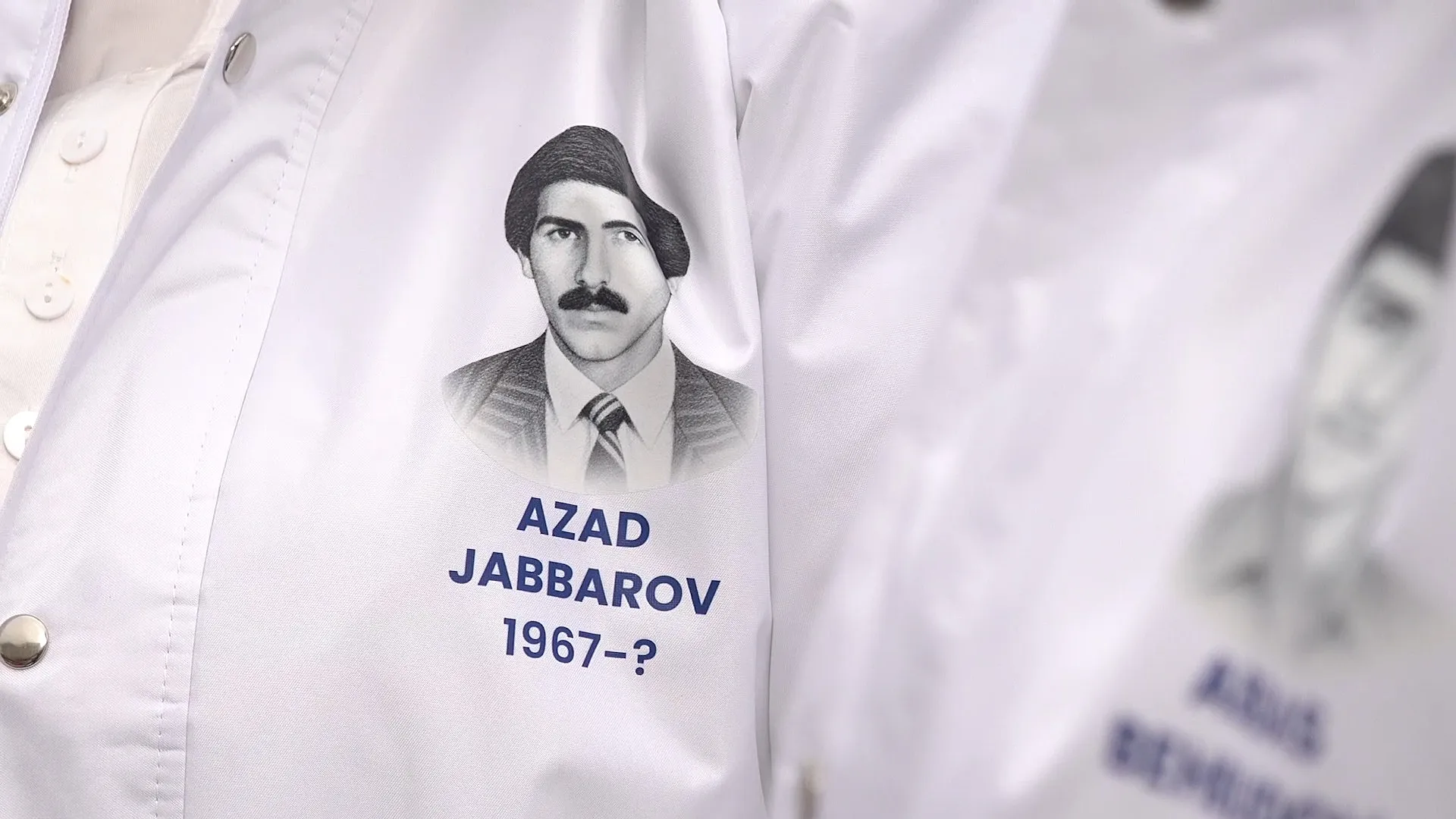
她们表示,该团体没有得到国际承认或援助来帮助寻找她们的亲人。家属们说,亚美尼亚没有披露任何关于失踪人员的信息,但她们希望亚美尼亚和阿塞拜疆之间的和平进程现在能够揭示亲人的命运,并让此事得到了结。集会参与者身穿白色夹克,每件夹克上都印有亲人的照片、出生日期和一个问号,象征着他们未知的命运。
They said the group had not received international recognition or aid to help find their relatives. The families said that Armenia has not disclosed any information about the missing persons, but they hoped that the peace process between Armenia and Azerbaijan can now shed light on the fate of their loved ones and achieve closure. The rally participants wore white jackets, each with a picture of their loved one, their date of birth and a question mark, symbolising their unknown fate."
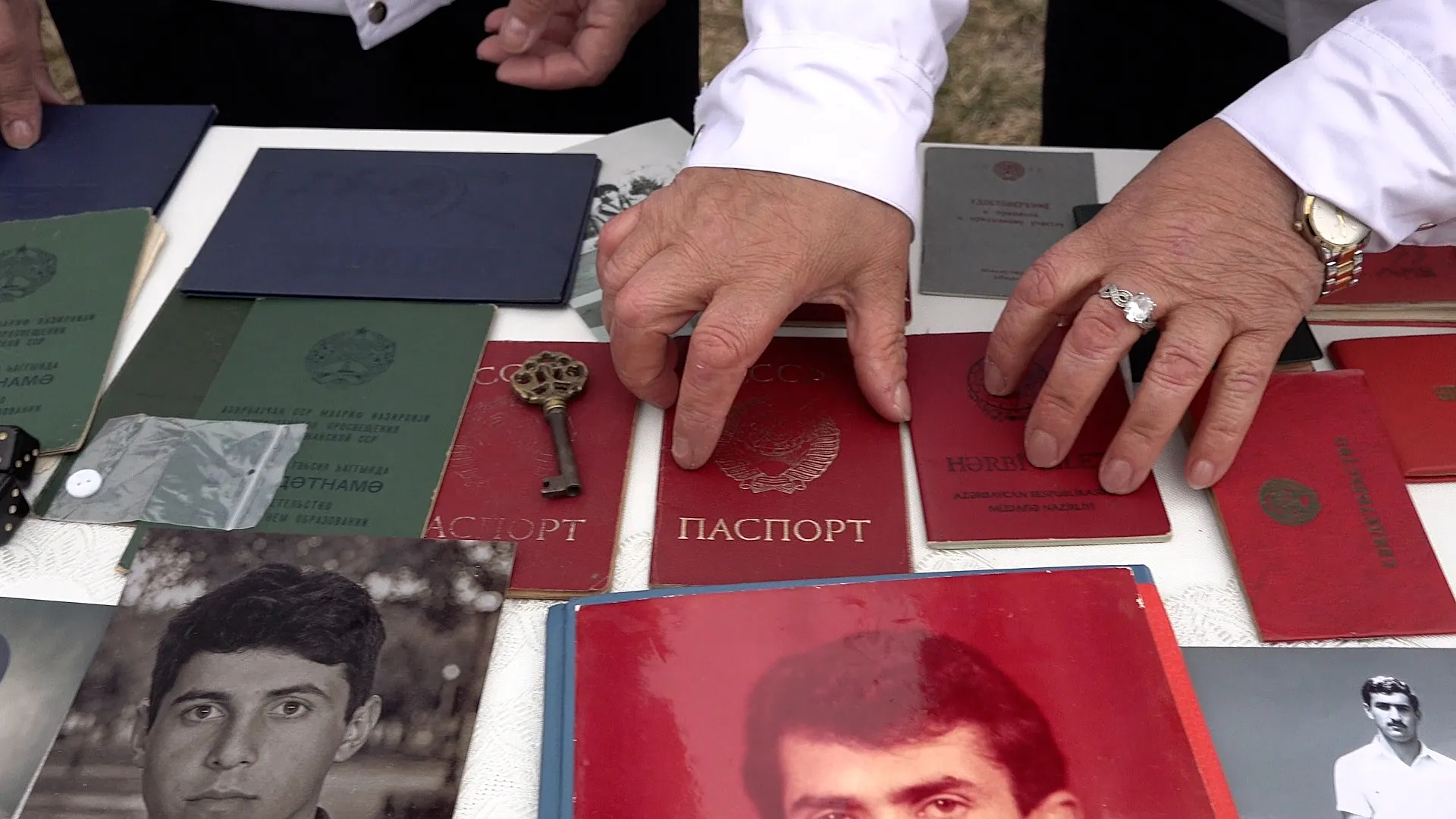
“我的丈夫阿扎德·贾巴罗夫在霍贾利失踪,34年来我们对他一无所知,”集会参与者法里达·贾巴罗娃说。“在这里,我代表他以及4000多名失踪者,为他们伸张正义,并获取相关信息。”示威活动展示了失踪者的个人物品,包括护照、照片和衣物。据加拉巴赫失踪家庭公共联盟负责人科努尔·贝赫布多娃称,通过DNA检测确认了328名失踪人员的身份,273名遇难者的遗骸已移交给家属,但数千人的命运仍然未知。
My husband Azad Jabbarov went missing in Khojaly and for 34 years we know nothing about him," said Farida Jabbarova, a participant at the rally." And here, I represent him and more than 4,000 people who went missing and require justice for them and to receive information." The demonstration displayed personal items of those missing, including passports, photos and clothes. According to Konul Behbudova, head of the Garabagh Missing Families Public Union, 328 missing persons were identified with DNA examinations and the remains of 273 victims were handed over to their families, but the fate of thousands is still unknown."
“这些地区布满了地雷和未爆弹药,这就是为什么很难找到他们,”贝赫布多娃说。“我们的目标是找到这些人被埋葬的地方,找到关于他们命运的任何信息,取回他们的遗骸并能够安葬他们,在墓地里有一个可以祭拜他们的地方,”贾巴罗娃说。阿塞拜疆家庭的困境现在是亚美尼亚和阿塞拜疆之间更广泛的和平进程与和解的一部分。
These territories are contaminated with mines and unexploded ordinance, that's why it's difficult to find them," Behbudova said." Our goal is to find the places were these people were buried and find any information about their fate, to get their remains and be able to burry them and to have a place in the cemetery to visit them," Jabbarova said. The plight of the Azerbaijani families is now part of the wider peace process and reconciliation between Armenia and Azerbaijan after decades of tragic wars over Karabakh which brought immense suffering to both nations, with thousands of casualties and refugees on both sides.
此前,围绕卡拉巴赫的几十年悲惨战争给两国都带来了巨大苦难,双方都有数千人伤亡和沦为难民。亚美尼亚表示,在卡拉巴赫战争后也有数百名亚美尼亚人失踪,亚美尼亚同样在寻求关于他们命运的答案。
Armenia said that hundreds of Armenians are also missing following the Karabakh wars and has also sought answers about their fate as well.