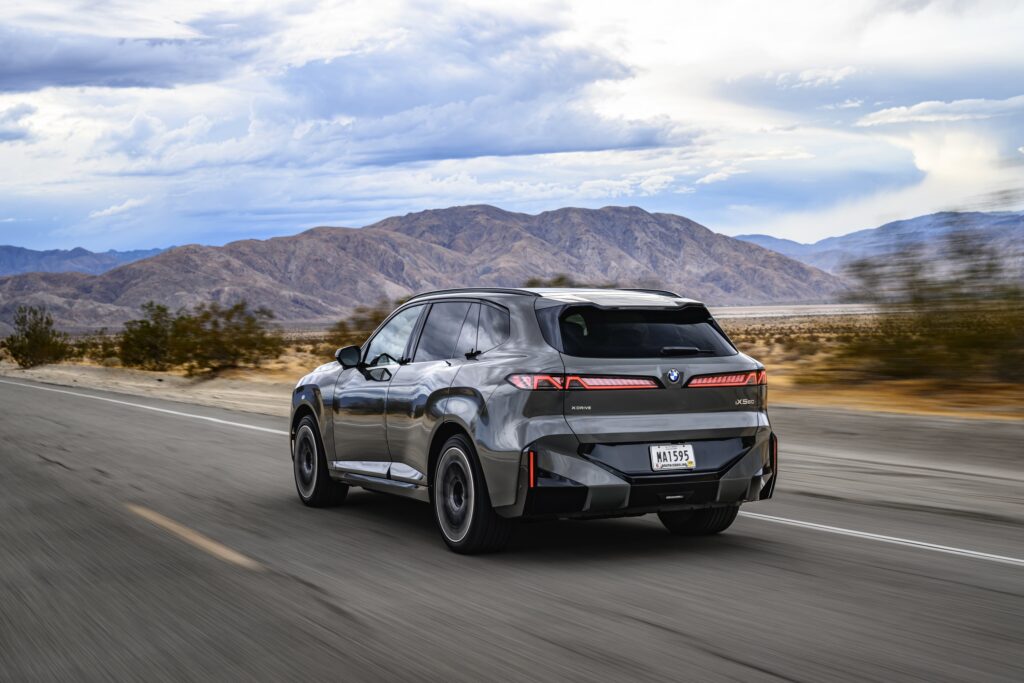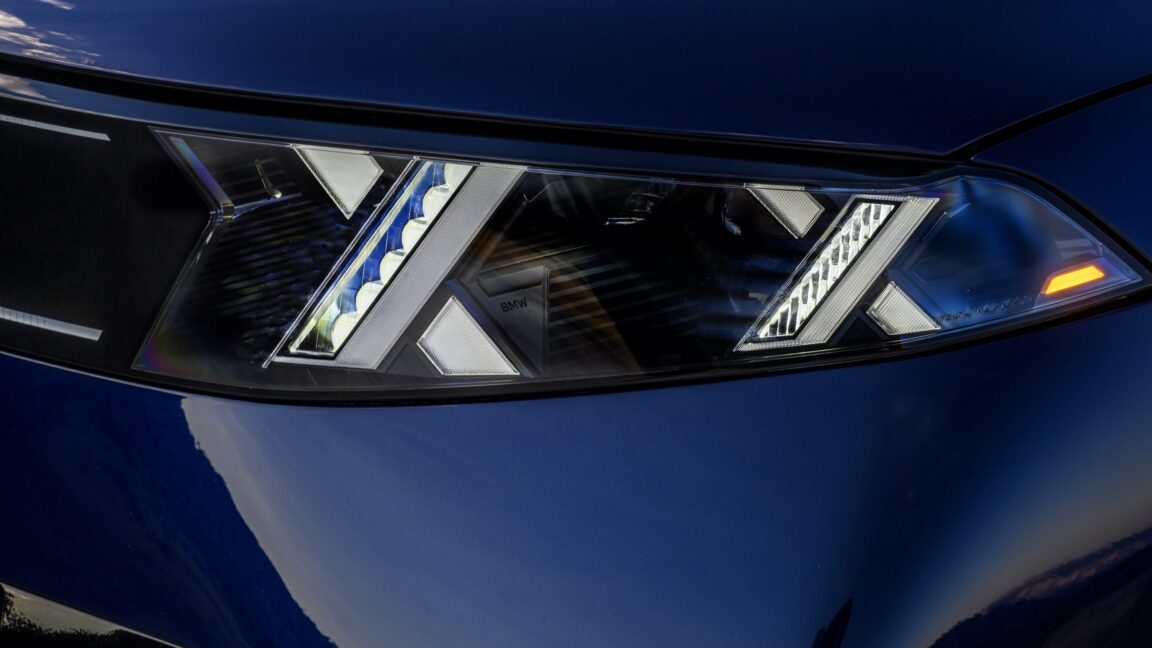
当我们首次试驾宝马首款“新世代”车型 iX3 时,很快发现宝马懂得如何造好电动车。这款采用全新设计的车型,搭载了宝马第六代电动动力总成、完全重新设计的仪表盘,以及运行整车的强大计算平台。如今,这些技术大多正移植到更大尺寸的 X5 车系上。
When we first drove BMW’s first Neue Klasse model, the iX3, it quickly revealed that BMW knows how to make a good electric vehicle. A clean-sheet design, it featured the automaker’s sixth-generation electric powertrain, a completely reimagined dashboard, and powerful computers to run the whole show. Now, much of that technology is being ported over to the larger X5 line.
但宝马清楚并非所有客户都已准备好转向电动,尤其是在美国市场,因此它坚持采用动力总成无关的 CLAR 平台——该平台用于从大型 7 系到全新燃油版 3 系等截然不同的车型。这意味着,除了纯电动的 iX5,还提供轻度混合动力和插电式混合动力版 X5,未来甚至会推出氢动力选项。就目前而言,正如我将解释的,我认为纯电动版是这一系列中的最佳选择。
But BMW knows not all its customers are ready to go electric, especially in the US, so it’s sticking with its powertrain-agnostic CLAR platform, as used in cars as diverse as the large 7 Series and the new gasoline 3 Series. Which means in addition to the all-electric iX5, there are also mild hybrid and plug-in hybrid X5s available, and in time, even a hydrogen-powered option. For now, as I’ll explain, I think the EV is the pick of the bunch.
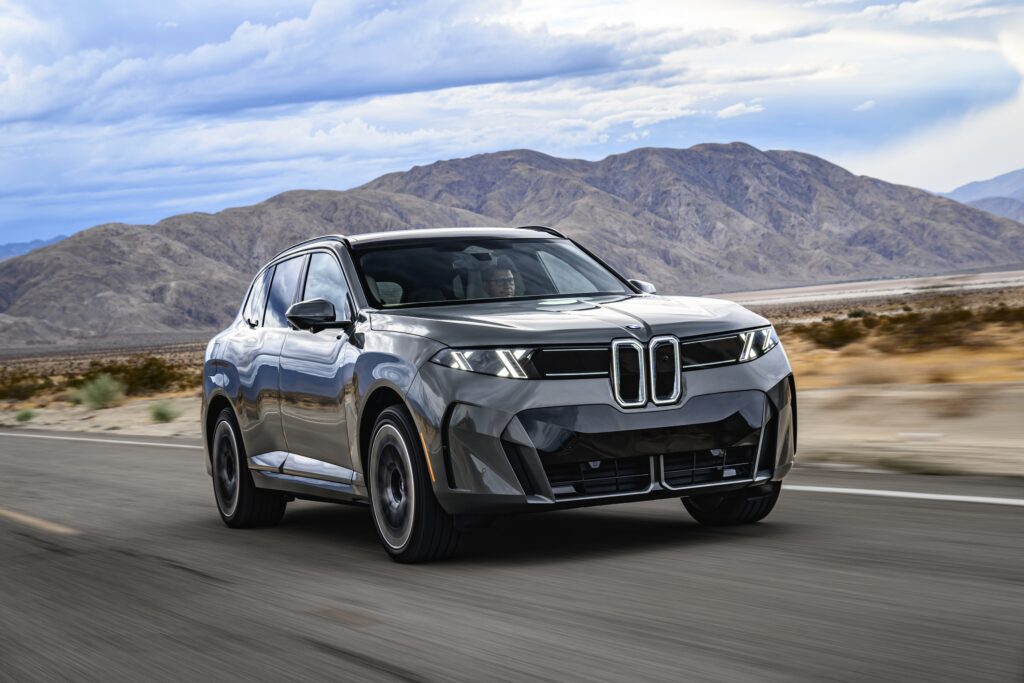
最常规的选择是 X5 40 xDrive,搭载一台 3.0 升涡轮增压直列六缸发动机,最大功率 394 马力(294 千瓦),最大扭矩 428 磅·英尺(580 牛·米)。48 伏轻混系统在必要时可贡献可观的扭矩(148 磅·英尺/200 牛·米),发动机采用米勒循环以提高效率,并配备宝马惯用的可变气门正时等技术。该动力总成预期综合油耗约 26 英里/加仑(9 升/百公里),满油续航里程可达 569 英里(915 公里)。
The most conventional option is the X5 40 xDrive, powered by a 3.0 L turbocharged inline six-cylinder engine that generates 394 hp (294 kW) and 428 lb-ft (580 Nm). The 48 V mild hybrid system can contribute a decent slug of torque (148 lb-ft/200 Nm) if necessary, and the engine operates under the Miller cycle for better efficiency, as well as featuring the usual BMW engine technology, like variable valve timing. Expect around 26 mpg (9 L/100 km) from this powertrain and a full-to-empty range of 569 miles (915 km).