
中国发布了一项修订后的对外投资管理规定,要求投资者更加勤勉地报告重大不利事态发展,包括外方要求移交技术或处置股权。
China has unveiled a revised rule for regulating outbound investment, requiring investors to report major adverse developments more diligently, including foreign demands to hand over technology or dispose of stakes.
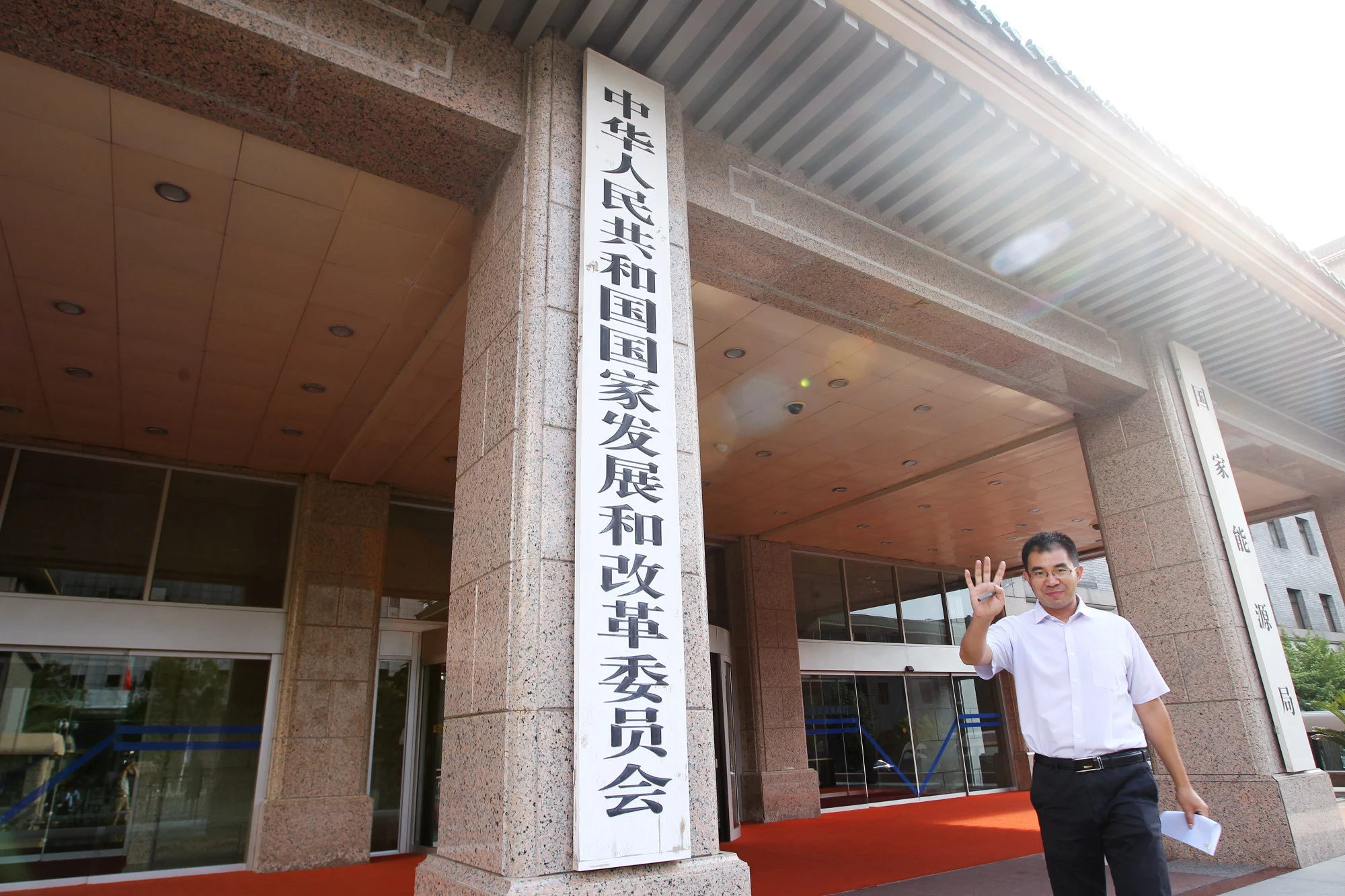
国家发展和改革委员会(发改委)周四宣布了这项新规,该机构称,旨在更好地防范和化解日益上升的海外风险,维护中国利益。
The new rule, announced by the National Development and Reform Commission (NDRC) on Thursday, aimed to better prevent and mitigate rising overseas risks and protect Chinese interests, according to the government agency.
发改委周四在一份声明中说:“近年来,少数国家和地区采取歧视性措施,有的要求中国投资者移交技术或数据,或处置股权和资产,损害中国利益。”
“In recent years, a small number of countries and regions have adopted discriminatory measures, with some demanding that Chinese investors hand over technology or data, or dispose of equity stakes and assets, undermining Chinese interests,” the NDRC said in a statement on Thursday.
声明称,部分中国投资者低估海外风险,对政治动荡和政策多变应对不足,遭受损失。
It said that some Chinese investors had underestimated overseas risks and responded inadequately to political instability and volatile policies, suffering losses.
发改委表示,新规完善了重大不利情形报告制度,还建立了对外投资信息年度报告框架。
The NDRC said the new rule refined the reporting system for major adverse circumstances and also established an annual reporting framework for outbound investment information.
新规还将优化通过境外主体再投资的报告要求,并针对部分大型项目或可能影响中国与其他国家外交关系的项目,引入前期报告义务。
It would also work to optimise the reporting requirements for reinvestment made through offshore entities and introduce early-stage reporting obligations for some large projects, or those that could affect China’s diplomatic relations with other countries.
发改委称:“通过让监管部门知悉此类事态发展,投资者有助于形成共同防范和应对海外风险的合力。” 这部共76条的规定将于12月1日起施行,取代2017年出台的版本。随着中国海外投资规模和复杂程度不断增加,北京正加强监管框架建设。
“By keeping regulatory authorities informed of such developments, investors can help foster joint efforts to guard against and manage overseas risks.”The 76-article regulation, which takes effect on December 1 and replaces the version introduced in 2017, comes as the growing scale and complexity of China’s overseas investments prompt Beijing to strengthen its regulatory framework.
这些变化出台之际,中国企业的海外投资面临日益严格的审查。近年来,美国当局推动 TikTok 的中国母公司字节跳动放弃对其美国业务的控制权,而荷兰当局和法院则介入了中国持股芯片制造商 Nexperia 的治理。
The changes come as Chinese companies face mounting scrutiny of their investments abroad. In recent years, US authorities have pushed TikTok’s Chinese parent ByteDance to relinquish control of its American operations, while Dutch authorities and courts have intervened in the governance of Chinese-owned chipmaker Nexperia.
据国家发改委数据,中国年度对外投资流量从 2017 年的 1583 亿美元增至 2025 年的 2136 亿美元,海外投资存量近乎翻倍,从 1.8 万亿美元增至 3.4 万亿美元。
China’s annual outbound investment flows rose from US$158.3 billion in 2017 to US$213.6 billion in 2025, while its stock of overseas investments nearly doubled from US$1.8 trillion to US$3.4 trillion, according to the NDRC.
商务部官员周四在新闻发布会上表示,中国已连续九年位居世界对外投资前三名,今年前九个月对外直接投资达 1286.2 亿美元。
China has ranked among the world’s top three for outbound investment for nine consecutive years, officials from the Ministry of Commerce said during a press conference on Thursday, adding that its outbound direct investment reached US$128.62 billion in the first nine months of 2026.
修订后的规则还将投资者定义从境内企业和组织扩大至包括个人投资者。
The revised rules also expanded the definition of investors beyond domestic companies and organisations to include individual investors.
新规将继续允许投资者通过现有渠道在海外金融市场部署资本,包括合格境内机构投资者(QDII)计划、沪深港通及跨境理财通计划,在大多数情况下无需遵守新的审批、备案和报告要求。
It would continue to allow investors to deploy capital in overseas financial markets through existing channels, including the Qualified Domestic Institutional Investor scheme, Stock Connect and Cross-boundary Wealth Management Connect scheme, without being subject to the new approval, filing and reporting requirements in most cases.
据中国律师事务所金杜律师事务所分析,将监管框架延伸至个人居民,可为寻求海外投资的中国公民提供更清晰的法律路径。
According to an analysis by Chinese law firm King & Wood, extending the regulatory framework to individual residents could provide a clearer legal pathway for Chinese citizens seeking to invest overseas.
该律所表示,中国个人对外投资长期主要由外汇管理法规管辖,适用范围相对有限。
The law firm said outbound investment by Chinese individuals had long been governed primarily by foreign exchange regulations, which applied to a relatively limited range of activities.