日本大学及其他教育机构今年申请防卫省研究经费的数量较去年翻了一倍多,达到创纪录的291份,去年为123份,此举正值东京致力于强化防卫能力之际。
Japanese universities and other educational institutions more than doubled their applications for defence ministry research funding this year to a record 291, up from 123 last year, as Tokyo moves to strengthen its defence capabilities.
这一增幅是学术界数十年来抵制军事关联工作态度正在软化的最明确迹象。
The increase is the clearest sign yet that academia’s decades-long resistance to military-linked work is diminishing.
这些申请占防卫省今年收到的创纪录560份申请的一半以上,去年为340份,其余来自公立研究机构和企业。
The bids accounted for more than half the record 560 applications received by the ministry this year, up from 340 last year, with the rest coming from public research institutes and companies.
在129亿日元(约合8200万美元)资助计划下入选的47个项目中,30个将由大学研究人员牵头,包括大阪大学、名古屋大学和庆应义塾大学在内的11所大学首次获得资助。
Of the 47 projects selected for funding under the 12.9 billion yen (US$82 million) programme, 30 will be led by university researchers, with 11 universities – including Osaka, Nagoya and Keio – winning grants for the first time.
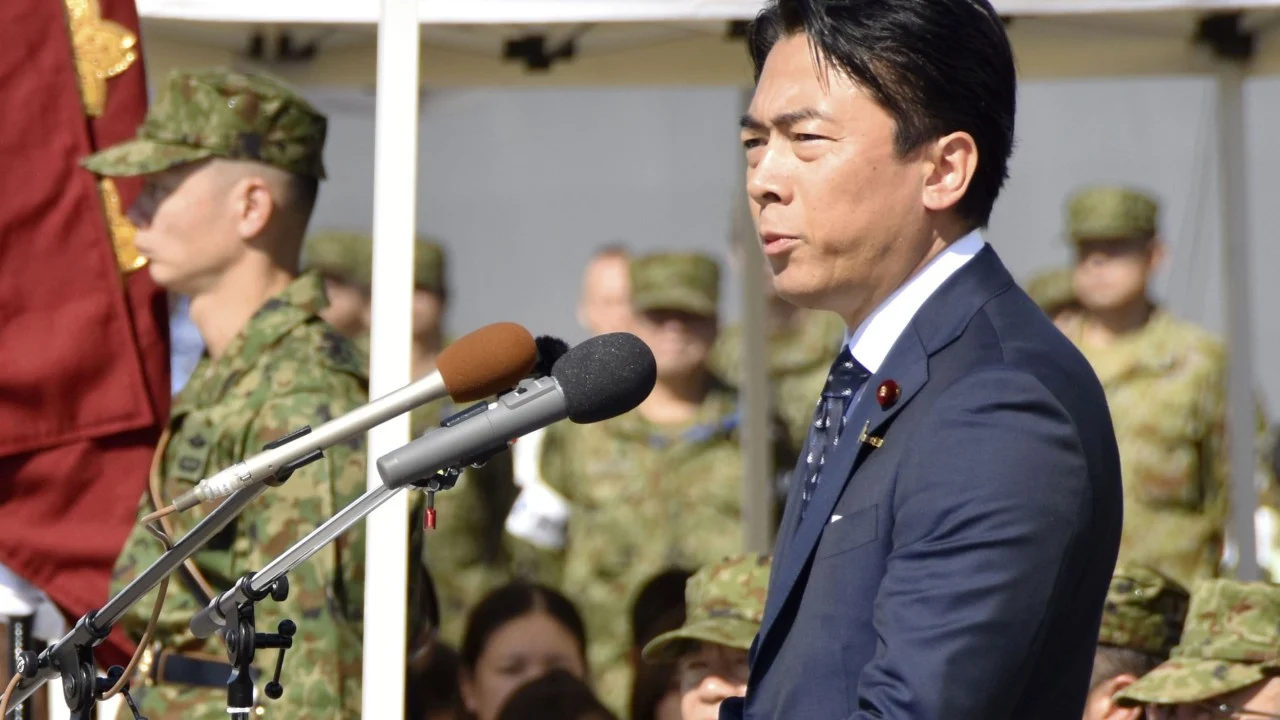
防卫大臣小泉进次郎周二在谈及这些数字时表示欢迎,称大学的态度已“明显改变”。他表示,民用与防卫技术已无法明确区分,与大学加强合作“对保护日本国民生命至关重要”。
Speaking on Tuesday, Defence Minister Shinjiro Koizumi welcomed the figures, saying the attitude of universities had “clearly changed”. He said civilian and defence technologies could no longer be clearly separated, making closer cooperation with universities “essential to protecting Japanese lives”.
这一转变可能对东京遏制北京日益增长的军事能力产生重要影响,有望为先进传感器、通信系统、无人机及其他防卫技术的开发开辟更广泛的民间科学专业知识库。
The shift could have important implications for Tokyo’s efforts to counter Beijing’s growing military capabilities, potentially opening up a wider pool of civilian scientific expertise for the development of advanced sensors, communications systems, drones and other defence technologies.
北京长期通过其军民融合战略,借助大学和民间研究机构支持军事现代化。然而,日本因其战后宪法放弃战争,根植于该国军国主义过去的担忧,传统上限制了学术界与防卫机构的合作。
Beijing has long drawn on universities and civilian research institutions to support military modernisation through its military-civil fusion strategy. However, in Japan, whose post-war constitution renounces war, concerns rooted in the country’s militarist past have traditionally limited cooperation between academia and the defence establishment.
1950年,日本学术会议誓言永不从事战争研究,1967年重申了这一立场。
In 1950, the Science Council of Japan pledged never to conduct research for war, reaffirming that position in 1967.
2017年,该学会再次反对与军方相关的研究,理由是担忧学术自由以及科学成果可能被用于军事用途。大学申请数量从该计划首年(2015年)的58份下降至2019年的仅9份。
In 2017, it again opposed military-linked research, citing concerns about academic freedom and the potential military use of scientific findings. University applications fell from 58 in the programme’s first year in 2015 to just nine in 2019.
东京大学副教授塞巴斯蒂安·马斯洛表示,近期的激增反映了“反军国主义规范”更广泛的侵蚀,以及鼓励军事相关研究的制度性变革。他指出,年轻一代学者对日本安全环境的认知不同,加上争取民用研究经费的竞争日益激烈。
Sebastian Maslow, an associate professor at the University of Tokyo, said the recent surge reflected a broader erosion of “antimilitarist norms” as well as institutional changes encouraging military-related research. He pointed to a younger generation of scholars with different perceptions of Japan’s security environment, alongside growing competition for civilian research grants.
对于资金短缺的大学而言,防卫省的研究补助金提供了一个日益具有吸引力的替代选择。
For cash-strapped universities, the defence ministry’s research grants offer an increasingly attractive alternative.
该计划的年度预算在2017年大幅增加后,已从2024年的104亿日元增至去年的114亿日元和今年的129亿日元,是2015年首年约3亿日元初始拨款的40多倍。
The programme’s annual budget, boosted sharply in 2017, has risen from 10.4 billion yen in 2024 to 11.4 billion yen last year and 12.9 billion yen this year, more than 40 times its initial allocation of about 300 million yen in 2015.
马斯洛表示,尽管如此,军事研究“在许多国立大学仍是一个核心争议”,特别是考虑到学术界在第二次世界大战期间所扮演的角色。
Still, military research “remains a key controversy” at many national universities, Maslow said, particularly given the role of academia during World War II.
帝京大学副教授松冈美里也警告,不应将这一增长视为“突然拥抱军事研究”。
Misato Matsuoka, an associate professor at Teikyo University, also cautioned against viewing the increase as a “sudden embrace of military research”.
她说,相反,由于三个“相互强化”的因素:大学资金压力、科学委员会自2022年以来对双用途技术采取了更细致的立场,以及防卫省的校园推广,“寻求防卫补助金的制度性、财政性和规范性障碍”已有所削弱。
Rather, she said, the “institutional, financial and normative barriers” to seeking defence grants had weakened because of three “mutually reinforcing” factors: university funding pressures, the science council’s more nuanced stance on dual-use technologies since 2022 and the ministry’s campus outreach.
松冈补充道,虽然中国的军事建设提供了“一个重要的战略背景”,但安全认知的变化不一定是主要解释。
While China’s military build-up provided “an important strategic context”, Matsuoka added, changing security perceptions were not necessarily the primary explanation.
这一转变发生之际,东京正准备在年底前修订其主要安全政策文件。日本最新的防卫白皮书将中国列为其“最大的战略挑战”。
The shift comes as Tokyo prepares to revise its main security policy documents by year-end. Japan’s most recent defence white paper presented China as its “greatest strategic challenge”.
尽管国防部的拨款计划支持基础研究而非武器研发,但今年选定的若干项目未来可能有助于提升东京应对北京日益壮大的军事能力的能力。
Although the defence ministry’s grant programme supports basic research rather than weapons development, several projects selected this year could eventually help to strengthen Tokyo’s ability to counter Beijing’s growing military capabilities.
例如,北海道大学获得了利用人工智能结合红外与可见光影像的研究经费,松冈表示这有助于“监视与态势感知”。
Hokkaido University, for instance, received funding for research combining infrared and visible-light imagery using artificial intelligence, which Matsuoka said could contribute to “surveillance and situational awareness”.
在名古屋大学,研究人员获得了先进毫米波晶体管的支持,小泉表示这未来有助于实现超高速通信。
At Nagoya University, researchers secured support for advanced millimetre-wave transistors, which Koizumi said could eventually contribute to ultra-high-speed communications.
岐阜大学将研究用于无人机的轻量碳纤维,而大阪大学则在研发用于无人航空器的高功率电池。
Gifu University will study lightweight carbon fibres for drones, while Osaka University is developing high-output batteries for uncrewed aircraft.
其他受资助项目涉及量子通信、耐高温航天材料、卫星跟踪与太空碎片观测,以及无稀土材料,有望减少日本对中国主导供应链的依赖。
Other funded projects relate to quantum communications, heat-resistant aerospace materials, satellite tracking and space debris observation, as well as rare earth-free materials that could help reduce Japan’s dependence on Chinese-dominated supply chains.
尽管没有任何项目明确将中国或其他国家作为目标,但这些研究表明日本大学在国防部门中的作用日益增大。
Although none of the projects identifies China or any other country as its intended target, the research illustrates the growing role of universities in Japan’s defence sector.
马斯洛表示,随着大学、企业与政府之间更紧密的合作,这指向了国防创新的“新动态生态系统”,尽管学术界仍存在反对声音。
Maslow said closer cooperation between universities, companies and government pointed to a “new dynamic ecosystem” for defence innovation, even as opposition within academia persisted.
然而,松冈警告说,将成功的大学科研转化为可部署的军事能力可能需要五到十年,甚至更长时间。
Matsuoka cautioned, however, that translating successful university research into deployable military capabilities could take five to 10 years, or longer.
她指出,关键问题是日本是否能在保持民用研究部门“机构自主性与开放性”的同时,将科研“转化为实用能力”。
The key question, she said, was whether Japan could “translate that research into practical capabilities” while maintaining the “institutional autonomy and openness” of its civilian research sector.