防卫省相关的一个研究补贴项目迎来了大学申请数量的激增,防卫大臣小泉进次郎将这一发展形容为学术界与国家安全划清界限的根深蒂固反感发生了明显转变。
A Defense Ministry-linked research subsidy program has seen applications from universities skyrocket, a development Defense Minister Shinjiro Koizumi characterized as a clear break from the once deep-seated aversions in the academic world to being involved in national security.
防卫装备厅周二表示,该机构收到了来自大学和其他教育机构的创纪录的291份申请,是去年123份的两倍多;其中19所大学最终入选了该机构本财年的“安全保障技术研究推进制度”,该制度提供适用于军事技术的资金。
The Acquisition, Technology and Logistics Agency on Tuesday said it had received a record 291 applications from universities and other educational institutions — more than doubling last year’s 123 — with 19 universities ultimately selected this fiscal year for the agency’s “security technology research promotion program,” which provides funding applicable to military technology.
共有11所大学首次入选,其中包括名古屋大学、大阪大学和庆应义塾大学。
A total of 11 universities — including Nagoya University, Osaka University and Keio University — were selected for the first time.
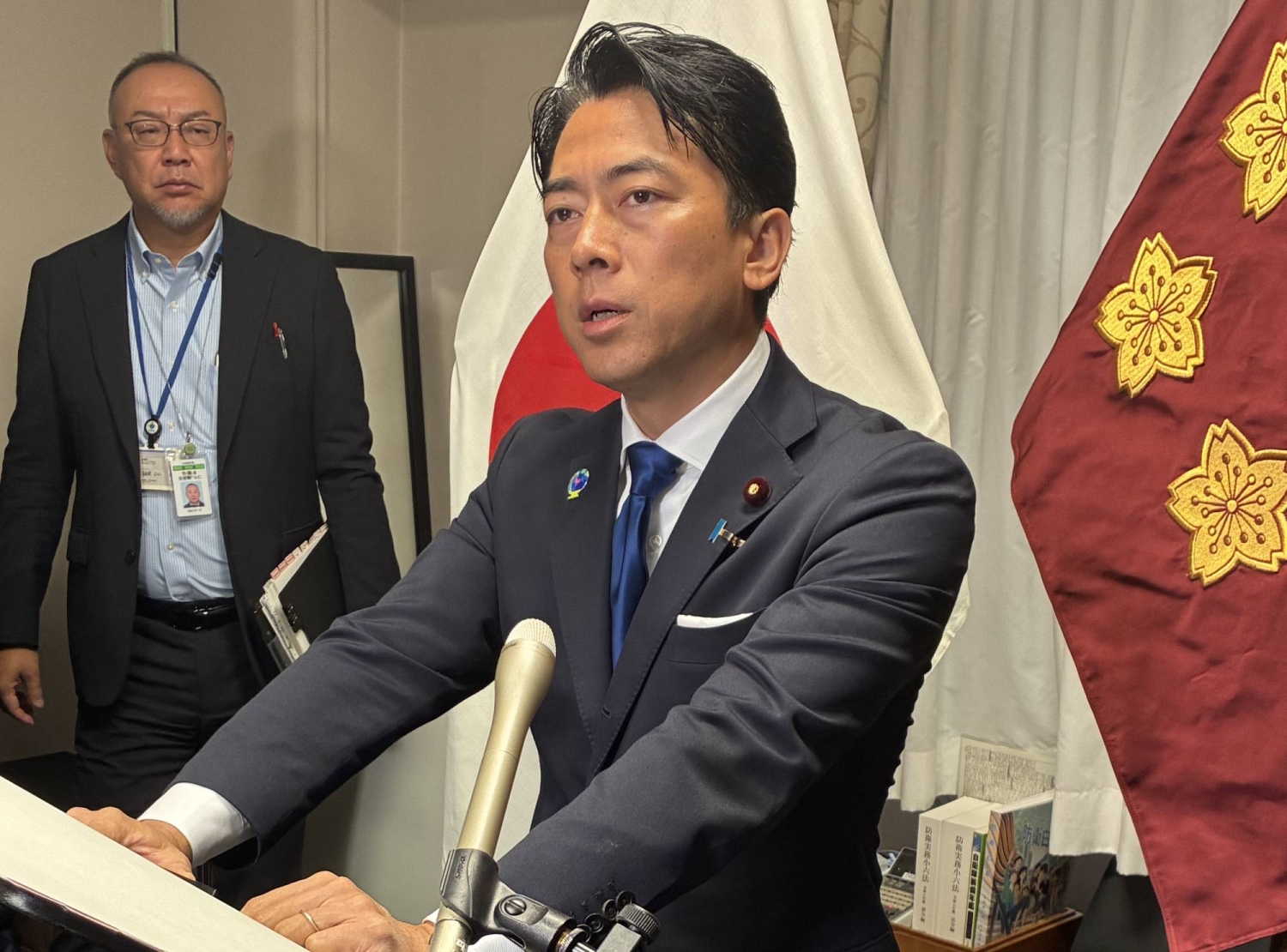
小泉在例行记者会上表示,学术界对防卫领域的看法“已经发生了明显转变”。他表示:“我们现在所处的时代,已经无法明确将防卫领域与民用领域割裂开来,与大学和学术界的合作对于保护我们公民的生命至关重要。”
Koizumi told a regular news conference that the academic community’s views toward the defense sector have “clearly shifted.”“We are now in an era where it is no longer possible to clearly separate the defense sector from the civilian sector, and collaboration with universities and the academic community is essential to protecting the lives of our citizens,” he said.
日本学术界传统上一直不愿涉足防卫领域。2017年,代表全国约87万名科学家并具有巨大影响力的日本学术会议曾称该机构的资助项目存在问题,因为该项目侧重于可用于武器的双用途技术。
Japan’s academic world had traditionally been reluctant to involve itself in the defense sector. In 2017, the Science Council of Japan, which represents some 870,000 scientists nationwide and wields tremendous influence, called the agency’s funding program problematic because of its focus on dual-use technology that could be used in weapons.
这实际上促使学术界忽视了该项目,从2018财年到2022年7月日本学术会议改变立场并称很难明确区分能够或不能用于军事目的的技术期间,该机构仅收到约10份来自大学的申请。但小泉表示,风向的转变并不局限于学术界。
This effectively prompted the community to disregard the program, with the agency receiving only around 10 applications from universities from fiscal 2018 until July 2022, when the council reversed course and called it difficult to make a sharp distinction between tech that can or cannot be used for military purposes. But Koizumi said the shifting winds have not been limited to the academic community.
总体而言,该机构迎来了大量申请,其中包括来自企业和公共机构的申请,创下了560份的纪录——这是自2015财年该项目设立以来的最高数字,较一年前收到的340份有了急剧上升。
Overall, the agency saw a flood of applications, including from companies and public institutions, with a record 560 — the highest number since the program’s inception in fiscal 2015 and a sharp uptick from the 340 it received one year prior.
据该机构称,在该项目下共颁发了47个奖项,本财年该项目的预算为129亿日元。
In total, 47 awards were given out under the program, which has a ¥12.9 billion budget for this fiscal year, according to the agency.