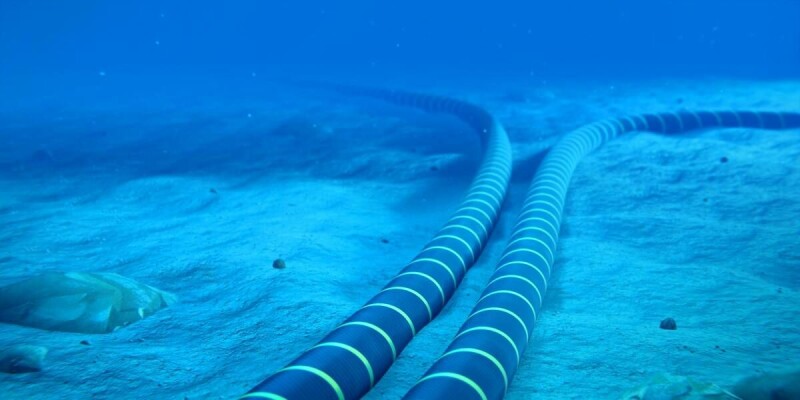
英国正威胁海底电缆破坏者将面临最高14年监禁和无上限罚款,显然是认定维多利亚时代的法律已不足以阻止俄罗斯潜艇接近关键基础设施。政府周四提出计划,彻底改革可追溯至1885年的立法,并对破坏维持英国互联网和能源供应运转的海底电缆和管道引入更严厉的处罚。据白厅称,海底电缆承载英国约99%的国际数据流量,而海底管道占其天然气供应的74%。
Britain is threatening subsea cable saboteurs with up to 14 years in prison and unlimited fines, having apparently decided that Victorian-era laws aren't quite up to the job of keeping Russian submarines away from critical infrastructure. The government on Thursday set out plans to overhaul legislation dating back to 1885 and introduce tougher penalties for damaging the underwater cables and pipelines that keep Britain's internet and energy supplies running. According to Whitehall, subsea cables carry around 99 percent of the UK's international data traffic, while underwater pipelines account for 74 percent of its gas supply.
然而,这些基础设施大多受电报还是尖端技术时制定的法律保护。《1885年海底电报法》最初规定,因可归责疏忽损坏电缆者最高罚款100英镑。这在当时或许是合理的威慑,但不太可能让如今的潜在破坏者有丝毫顾忌。根据提案,故意破坏关键海底能源或电信基础设施者最高可判处14年监禁。提案还针对鲁莽或疏忽造成的损坏设定了更严厉的处罚,包括无上限罚款。
Yet much of this infrastructure is protected by laws written when the telegraph was cutting-edge technology. The Submarine Telegraph Act 1885 originally imposed a £100 maximum fine for damaging a cable through culpable negligence. That might have been a reasonable deterrent back then, but it's unlikely to give today's would-be saboteurs much pause. Under the proposals, those who intentionally damage critical subsea energy or telecoms infrastructure could face up to 14 years behind bars. The proposals also set tougher penalties, including unlimited fines, for reckless or negligent damage.
海底电信运营商将面临新的法定义务,须识别和管理安全风险;在必要且相称以保护国家安全时,大臣将获得指令公司和电缆维修提供商采取行动的权力。政府还希望对光纤传感技术进行监管,该技术利用海底电缆探测海上活动,但若敏感数据落入敌对势力手中可能构成安全风险。毫不意外,俄罗斯在白厅的考量中占据显著位置。
Subsea telecoms operators would face new legal duties to identify and manage security risks, while ministers would gain powers to direct companies and cable repair providers to take action where necessary and proportionate to protect national security. The government also wants to regulate fiber-optic sensing technology, which uses subsea cables to detect activity at sea but could pose a security risk if sensitive data falls into hostile hands. Unsurprisingly, Russia features prominently in Whitehall's thinking.
4月,英军曝光了一起发生在关键海底基础设施附近的俄罗斯潜艇秘密行动。据报道,该行动涉及一艘攻击型潜艇充当诱饵,而两艘专业船只对英国的电缆路线进行勘测。
In April, British forces exposed a covert Russian submarine operation near critical undersea infrastructure. The operation reportedly involved an attack submarine acting as a decoy while two specialist vessels surveyed Britain's cable routes.
“我们面临的威胁发生了巨大变化,俄罗斯在关键海底基础设施周边的可疑活动日益增多,但保护这些至关重要连接的部分法律却可以追溯到一个多世纪前,”电信大臣伊恩·默里(Ian Murray)表示。
"The threats we face have changed dramatically, with suspicious Russian activity around critical undersea infrastructure, yet some of the laws protecting these vital connections date back more than a century," said telecoms minister Ian Murray.
这些计划并非完全新推出。早在5月,政府就已宣布打算加重处罚,并为海缆运营商引入安全义务。周四发布的白皮书详细列出了拟议的处罚措施,以及部长们指挥运营商采取行动的权力范围。这也紧随议会国家安全战略联合委员会(Joint Committee on the National Security Strategy)去年的警告,该委员会得出结论认为,英国对协同攻击其海底基础设施的准备严重不足。
The plans aren't entirely new. In May, the government announced its intention to toughen penalties and introduce security obligations for cable operators. Thursday's White Paper spells out the proposed penalties and how far ministers could go in directing operators to act. It also follows warnings from Parliament's Joint Committee on the National Security Strategy, which concluded last year that Britain was insufficiently prepared for a coordinated attack on its subsea infrastructure.
下议院议员和上议院议员警告称,政府的评估过于侧重单根海缆故障,而非攻击者若同时瞄准连接欧洲和跨大西洋的海缆可能引发的后果。
MPs and peers warned that government assessments focused too heavily on individual cable failures, rather than what might happen if attackers simultaneously targeted connections to Europe and across the Atlantic.
并非每一起海缆断裂都由俄罗斯潜艇造成。根据政府此前的估计,渔船和拖锚船只造成了大部分损害,占故障的高达97%。即便怀疑是蓄意破坏,抓捕责任人也是另一码事。英国已有法律规定,针对严重的国家支持的破坏行为可判处终身监禁,但如果无法证明是谁干的,这些法律就没多大用处。当犯罪现场位于海底时,这相当困难。从敌对国家引渡嫌疑人可能同样棘手。
Russian submarines aren't responsible for every severed cable. Fishing boats and ships dragging their anchors do most of the damage, accounting for up to 97 percent of faults, according to previous government estimates. And even when sabotage is suspected, catching those responsible is another matter. Britain already has laws allowing life sentences for serious acts of state-backed sabotage, but they're not much use if nobody can prove who did it. That's rather difficult when the crime scene is at the bottom of the sea. And it might prove equally difficult to extradite suspects from enemy nation states.
这一切尚未成法。政府已就这些计划开启为期12周的咨询,随后部长们将决定如何推进。漫长的监禁威胁是否会让俄罗斯潜艇兵感到担忧,这还有争议。即便如此,经过140年,英国的海底海缆法律终于要被从维多利亚时代拖出来了。®
None of this is law yet. The government has opened a 12-week consultation on the plans, after which ministers will decide how to proceed. Whether the threat of a lengthy prison sentence will trouble Russian submariners is debatable. Even so, after 140 years, Britain's subsea cable laws are finally getting dragged out of the Victorian era. ®