美国家庭正夹在不断变化的疫苗接种时间表指引与艰难的全家健康防护任务之间。不愿接种疫苗者与寻求接种者之间的鸿沟持续扩大,曾经罕见的疾病正聚集成簇。仅麻疹一项,今年美国就已确诊超过 4600 例,报告了 42 起新疫情。美国的疫苗体系面临的不仅是公众信心危机,更面临潜在的运作崩溃。在不考虑制造产能、供应链、分销网络和患者获取渠道的情况下更改疫苗建议,恐将把不确定性转化为短缺、延误和接种率下降。
American families are caught between shifting guidance on vaccination schedules and the hard job of keeping everyone healthy. The divide between the vaccine-averse and vaccine-seekers keeps widening, and diseases that were once rare are settling into clusters. Measles alone has produced over 4,600 confirmed U.S. cases this year, with 42 new outbreaks reported in 2026. America’s vaccine system faces more than a crisis of public confidence. It faces a potential operational breakdown. Changing vaccine recommendations without accounting for manufacturing capacity, supply chains, distribution networks and patient access risks turning uncertainty into shortages, delays and declining vaccination rates.
公众对医疗体系的信任自疫情以来尚未恢复,当时在信息有限且不断演变的情况下做出了高风险决策。这一信任缺口中涌入了大量混杂信号。今年的疫苗指引迟迟未出或根本未出台。美国疾病控制与预防中心尚未发布 2026-27 季度的新冠或呼吸道合胞病毒(RSV)建议。四个医学团体自行发布了各自的建议。家庭从多个渠道听取建议,这些建议往往相互冲突,让他们在不确定性中挣扎。
Trust in healthcare has not recovered from the pandemic, when high-stakes decisions were made with limited and evolving information. Into that trust gap has come a flood of mixed signals. This year's vaccine guidance arrived late or not at all. The Centers for Disease Control and Prevention has not issued new COVID-19 or RSV recommendations for the 2026-27 season. Four medical groups have stepped in with their own recommendations. Families hear advice from multiple sources that often conflict, and they are swimming in uncertainty.
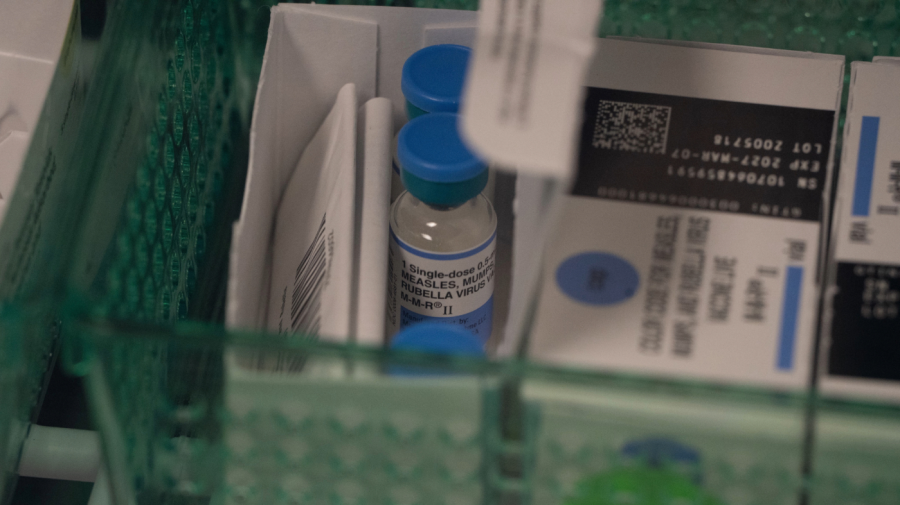
疫苗犹豫与疫苗不确定性有着重要区别。犹豫的父母会质疑是否要接种。不确定的父母可能想接种,却不知道有哪些疫苗可用、孩子是否符合资格,或该去哪里接种。前者需要建立信心,后者需要让体系运转起来。近期关于改革儿童免疫接种时间表的呼声,最能说明这一区别。8 月,一项行政命令要求将麻疹、腮腺炎和风疹三联疫苗拆分为三针单独接种。这种拆分未必会真正实施,但危害已然造成。
There is an important difference between vaccine hesitancy and vaccine uncertainty. A hesitant parent questions whether to vaccinate. An uncertain parent may want to vaccinate but doesn’t know which vaccines are available, whether their child is eligible or where to go. The first problem requires building confidence. The second requires making the system work. Nowhere is this clearer than in the recent calls to revamp the childhood immunization schedule. In August, an executive order called for the combined measles, mumps and rubella vaccine to be given as three separate shots. The split may or may not be implemented. But the harm is already done.
关于疫苗功效的质疑种子已被播下,却未准确说明拆分疫苗将给家庭带来什么影响。拆分疫苗是一项艰巨的任务。企业需要研发、测试并获得美国目前尚不存在的单一疾病版本疫苗的监管批准。此处没有任何制造商销售单独的麻疹、腮腺炎或风疹疫苗。企业将不得不重建整条生产线。工作并不止步于工厂。每个诊所和药房将面临三倍的储备决策,每个决策都伴随着各自的需求不确定性。
The seeds of doubt about vaccine efficacy have been planted without an accurate account of what splitting would mean for families. Splitting vaccines is a herculean task. Companies would need to develop, test and win regulatory approval for single-disease versions that do not currently exist in the U.S. No manufacturer sells standalone measles, mumps or rubella vaccines here. Companies would have to rebuild entire production lines. The work does not end at the factory. Every clinic and pharmacy would face three times as many stocking decisions, each with its own demand-uncertainty.
订货太少,家庭就得等待或被拒之门外;订货太多,剂量就会浪费。每增加一种产品,就需要采购更多注射器、规划更多冷链储存容量。一个本已难以匹配供需的系统,将被要求在需求更难预测之际,完成三倍的供需匹配工作。在更改国家免疫计划前,决策者应当了解该系统是否真能落实执行。利用数学建模、优化和仿真,研究人员可以在变更实施前,评估拟议变更将如何影响制造产能、分销网络、库存需求、成本和患者获取情况。
Order too few, and families must wait or be turned away. Order too many and doses are wasted. Each additional product brings more syringes to procure and more cold storage capacity to plan for. A system that already struggles to match supply with demand would be asked to do it three times over, just as demand becomes harder to predict. Before changing a national vaccination schedule, policymakers should know whether the system can actually deliver it. Using mathematical modeling, optimization and simulation, researchers can evaluate how proposed changes would affect manufacturing capacity, distribution networks, inventory requirements, costs and patient access before those changes are implemented.
这些工具能帮助诊所和卫生部门决定在需求难以预测时,各疫苗应储备多少、放置在何处。它们还能显示,哪些信息缺口——无论是关于供应情况、接种资格,还是接种将对家庭提出何种要求——最可能促使人们完全放弃接种。这无法靠任何单一公告解决。但媒体、医疗专业人员和社区工作者欠公众三样东西。首先,他们应在宣布政策变更前评估运营可行性。
These tools can help clinics and health departments decide how much of each vaccine to stock and where to place it when demand is hard to predict. They can also show which gaps in information, whether about availability, eligibility or what vaccination will demand of a family, are most likely to push people toward not vaccinating at all. This cannot be fixed by any single announcement. But media, healthcare professionals and community workers owe the public three things. First, they should evaluate operational feasibility before announcing policy changes.
决策者不仅要考虑调整疫苗接种计划的科学性和公共卫生影响,还要考虑现有基础设施是否能够落实这些变更。运筹学可通过对制造产能、分发需求、成本及患者可及性进行建模来提供帮助。在政策实施前识别潜在瓶颈,可防止可避免的短缺、延误和中断。
Policymakers must consider not only the scientific and public health implications of changing vaccination schedules, but also whether the infrastructure exists to implement those changes. Operations research can help by modeling manufacturing capacity, distribution requirements, costs and patient access. Identifying potential bottlenecks before policies are implemented can prevent avoidable shortages, delays and disruptions.
其次,减少家庭面临的不确定性。家长不应被迫在相互冲突的建议中摸索,或自行寻找哪些疫苗可用、谁符合接种资格、在哪里能接种。他们听说接种计划在变,却很少听到剂量、功效和接种时机是如何确定的。许多疑问背后往往只是对信息或灵活性的简单诉求。公共卫生机构、医疗服务提供者和社区组织必须提供清晰、一致且易获取的信息,并让接种流程更易于应对。提供灵活性有助于确保想接种疫苗的家庭真正能够接种。
Second, reduce uncertainty for families. Parents should not have to navigate conflicting recommendations or hunt for which vaccines are available, who is eligible or where to obtain them. They hear that schedules are changing but rarely hear how doses, efficacy and timing are set. Behind many questions is often a simple request for information or flexibility. Public health agencies, healthcare providers and community organizations must deliver clear, consistent and accessible information and make the vaccination process easier to navigate. Providing flexibility can help ensure that families who want to vaccinate actually can.
第三,在疫苗供应链中构建韧性。疫苗接种计划的变更会对整个系统产生连锁影响,波及制造商、分销商、药房和诊所。利用预测、数学建模和优化,医疗体系能更好地预判需求变化、分配有限资源、管理库存,并在脆弱点演变为危机前识别它们。目标不仅是短缺发生时做出反应,而是设计一个能适应环境变化和患者偏好、同时不损害疫苗可及性的系统。如果负责配送疫苗的系统不可预测、令人困惑或准备不足,美国民众就无法做出知情的接种决定。恢复公众信心需要的不仅是更清晰的指引。
Third, build resilience into vaccine supply chains. Changes to vaccination schedules can have consequences throughout the system, from manufacturers and distributors to pharmacies and clinics. Using forecasting, mathematical modeling and optimization, healthcare systems can better anticipate shifts in demand, allocate limited resources, manage inventory and identify vulnerabilities before they become crises. The goal is not simply to respond to shortages when they occur, but to design a system capable of adapting to changing circumstances and patients’ preferences without compromising access to vaccines. Americans cannot make informed vaccination decisions if the system designed to deliver those vaccines is unpredictable, confusing or unprepared. Restoring public confidence requires more than clearer guidance.
这需要确保政策制定者推荐的疫苗是制造商能生产、医疗服务提供者能交付、家庭能实际获得的疫苗。疫苗政策的效果取决于交付它的系统。Leela Nageswaran 博士是华盛顿大学的一名研究人员。
It requires ensuring that the vaccines policymakers recommend are the vaccines manufacturers can produce, providers can deliver and families can actually obtain. A vaccine policy is only as effective as the system that delivers it. Leela Nageswaran, Ph.D., is a researcher at the University of Washington.