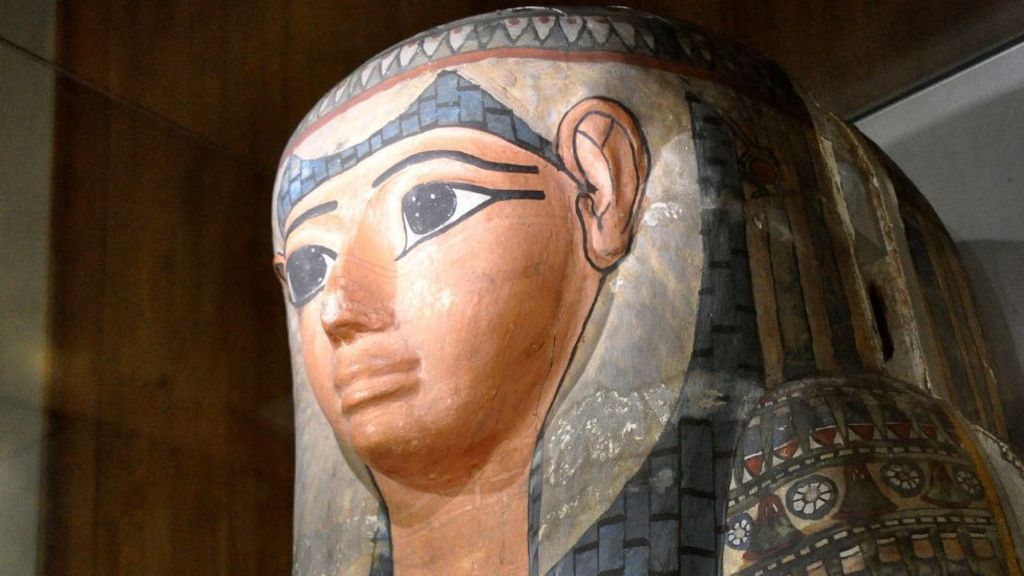
凯尔文格罗夫博物馆和亨特里安博物馆表示,出于伦理考虑,已将人类遗骸从展览中撤下。
Kelvingrove Museum and The Hunterian say they have removed human remains from display because of ethical concerns.
格拉斯哥的两家博物馆因伦理考虑,已将埃及木乃伊的遗骸从展览中撤下。
Two museums in Glasgow have removed the remains of Egyptian mummies from display over ethical concerns.
祭司涅赫特的木乃伊尸体已在凯尔文格罗夫美术馆撤出公众视野,而亨特里安博物馆则用特制纺织品遮盖了谢普-恩-霍尔夫人的遗体,以防止参观者看到。
The mummified corpse of the priest Nekht was taken out of public view at Kelvingrove Gallery, while The Hunterian Museum has covered Lady Shep-En-Hor's body in a specially designed textile to protect it from being seen by visitors.
这两家机构表示,这些决定是在重新评估其对逝者的照护义务后作出的。
The institutions said the decisions followed a reassessment of their duty of care towards the deceased.
此前,国际博物馆协会(Icom)修订了其道德准则,建议维护人类遗骸的“固有尊严”。
It comes after the International Council of Museums (Icom) revised its code of ethics, recommending that the "inherent dignity" of human remains be upheld.
两家博物馆均表示,如果收到某国或机构的接洽,将考虑将遗骸遣返。
Both museums said they would consider repatriation of the remains should they receive an approach from a country or institution.
尽管有了新的道德准则,苏格兰博物馆界并未形成统一的做法,各机构在如何执行方面拥有较大自由度。
Despite the new code of ethics, there is no uniform approach across Scotland's museum sector with different institutions given leeway on how to implement it.
苏格兰国家博物馆(NMS)的一位发言人表示,该机构不考虑对其馆藏中人类遗骸的展示做出任何改变。
A spokesperson for National Museums Scotland (NMS) said it was not considering any changes to the display of human remains in its collection.
NMS拥有大量苏格兰考古遗骸,以及来自埃及和秘鲁的木乃伊人。
NMS has a large collection of Scottish archaeological remains as well as mummified people from Egypt and Peru.
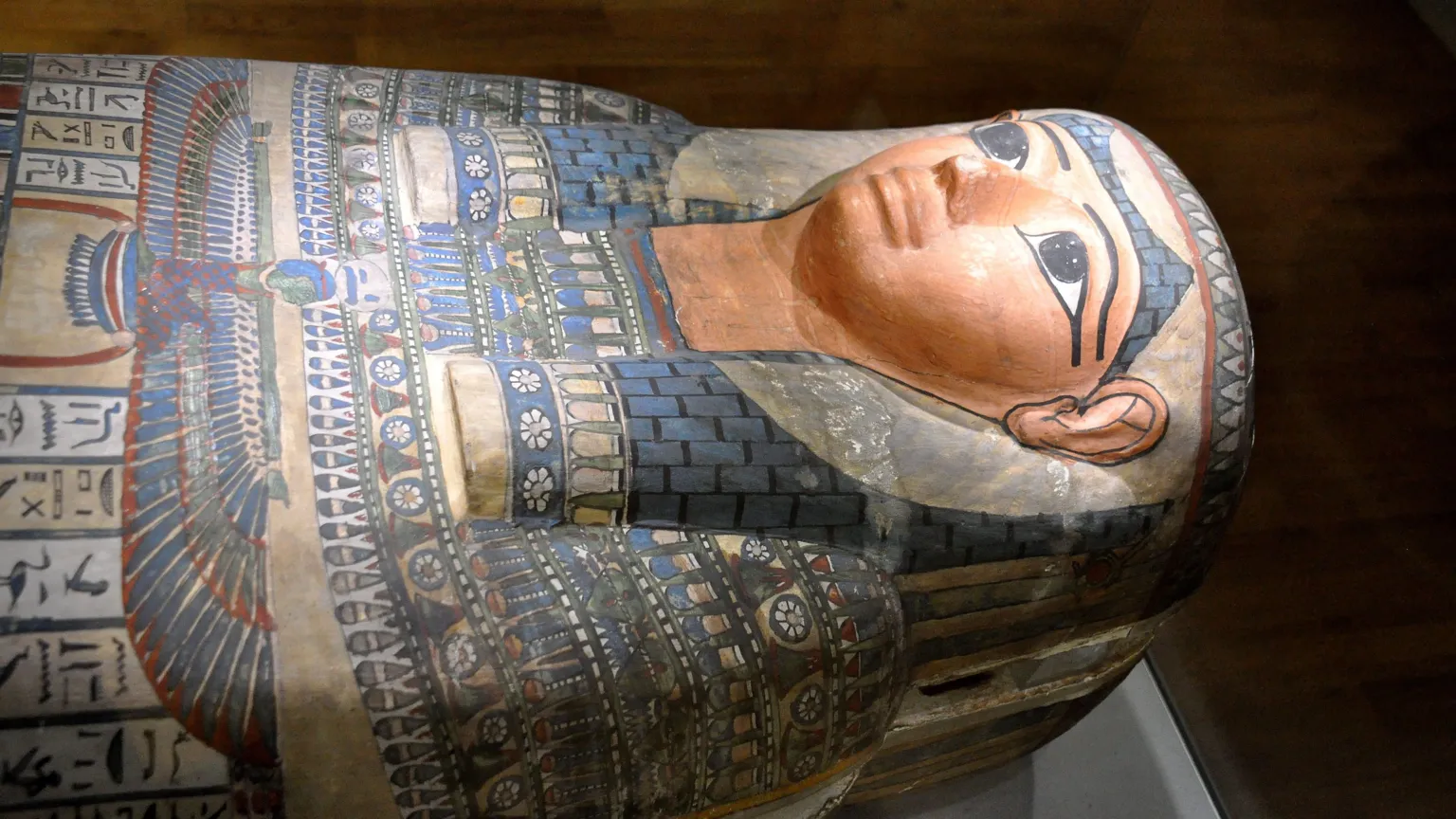
管理凯尔文格罗夫的格拉斯哥生活组织表示,在“逝者本人或其祖先没有同意”的情况下,做出了移除装有涅赫特遗骸的彩绘棺椁的决定。
Glasgow Life, which manages Kelvingrove, said it had taken the decision to remove the painted coffin containing the remains of Nekht in the "absence of consent from the deceased individual or their ancestors".
涅赫特被认为生于公元前1985年至公元前1797年之间,其遗骸在20世纪初进行的发掘中于埃及中部的贝尼哈桑出土。这些遗骸于1923年捐赠给格拉斯哥市。
Nekht is thought to have lived at some point between 1985 and 1797 BC and was excavated at Beni Hasan in Middle Egypt during digs carried out in the early 20th century. The remains were donated to the city of Glasgow in 1923.
格拉斯哥生活组织的一位发言人表示,撤下遗骸“反映了当代博物馆的做法”。
A spokesperson for Glasgow Life said the withdrawal of the remains "reflected contemporary museum practice".
他们新增了一项关于人类遗骸展示的政策草案,规定这些遗骸仅可在“获得逝者本人或其后代书面同意的情况下”进行展示;在适当情况下,也可经逝者后代授权后进行展示。
They added a new draft human remains policy proposed that they were only displayed "where there is documented and informed consent from the deceased individual or, in appropriate circumstances, their descendants".
据称,一个负责非洲遗骸归还事务的议会小组对这类遗骸的展示方式提出了“伦理方面的担忧”,认为这种做法经常忽视了埋葬这些遗骸的祖先们的意愿和意愿。
They said a parliamentary group on African repatriation had highlighted "ethical concerns" over the display of such remains due to the "constant disregard" of potential wishes and intentions of ancestors who buried them.
从卢克索的帝王谷中出土的一具木乃伊化男性头颅、右脚和右手也被从公众视野中移除了。
A mummified male head, right foot and a right hand recovered from the Valley of the Kings in Luxor were also taken out of public view.
博物馆发言人表示:“我们认为,将古埃及人的遗骸从展示区域移除是对逝者更尊重的做法。”同时,亨特里安博物馆(Hunterian Museum)表示,在对谢普-恩-霍尔(Lady Shep-En-Hor)的遗骸进行保护之前,他们已咨询了埃及学专家,这是该博物馆“致力于成为更具伦理意识的机构”的一部分举措。
The spokesperson added: "We believe removing ancient Egyptian human remains from display is more respectful to the deceased individuals." Meanwhile, The Hunterian said it had sought advice from Egyptologists before protecting Lady Shep-En-Hor's remains as part of a "commitment to becoming a more ethical institution".
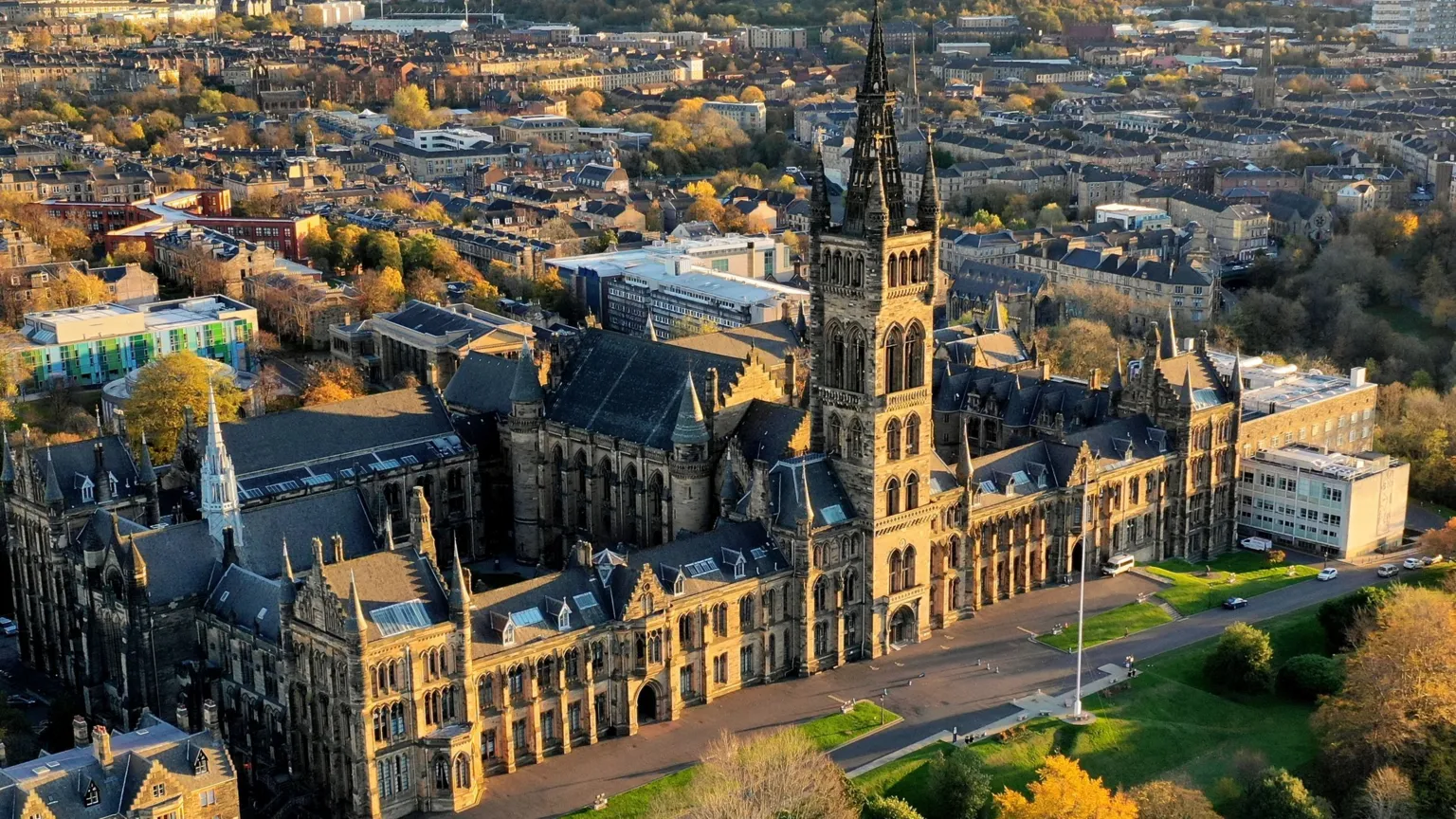
这家由格拉斯哥大学管理的博物馆的发言人称,经过咨询后他们得出结论:谢普-恩-霍尔“在死后理应享有隐私权”。
A spokesperson for the museum, managed by the University of Glasgow, said the conclusion of that consultation led to the view Lady Shep-En-Hor "deserved privacy in death".
谢普-恩-霍尔的华丽石棺自1820年以来几乎一直处于公众视野中,今后仍将继续向公众展示,因为它被视为“晚期古埃及葬礼艺术的杰出代表”。
Her ornate sarcophagus, which has been on display almost continuously since 1820, will remain on public view as a "fine work of late period ancient Egyptian funerary art".
虽然谢普-恩-霍尔的遗体从未被从石棺中取出,但在过去50年里,她的遗体已经接受了X光检查和CT扫描。
Lady Shep-En-Hor has never been removed from the coffin, but has been X-rayed and CT scanned in the last 50 years.
20世纪70年代,有人提出过质疑:石棺中的遗骸是否真的属于谢普-恩-霍尔。据亨特里安博物馆称,19世纪的考古工作者曾偶尔将不同棺材中的遗骸相互调换,将保存状况较好的遗骸放入保存最完好或装饰最华丽的石棺中。目前,这一争议尚未有最终定论。
In the 1970s, several theories were put forward questioning whether the remains in the coffin were actually those of Lady Shep-En-Hor. The Hunterian said excavators in the 19th century occasionally swapped over remains from different coffins, with better preserved specimens placed in the most intact or ornate sarcophagi. 'No fixed outcome'
2023年6月修订的《国际博物馆协会(ICOM)道德准则》规定,博物馆应“维护人类遗骸的尊严,并尊重其历史价值”。
The Icom code, which was revised in June, states museums should "uphold the inherent dignity of human remains and promote respect for their significance".
文件补充道:“关于这些物品和藏品的决定,应与其源头的后裔或社区合作作出(如果已知)。” 国际博物馆协会(Icom)伦理委员会成员斯特凡·肖尔滕教授表示,该准则旨在提供指导,最终决定权仍掌握在每个机构手中。
It adds: "Decisions about these items and collections should be made in collaboration with descendants or communities from which they originate, if known." Prof Steph Scholten, who sits on the Icom ethics committee, said the code was intended as guidance and the final decision ultimately rested with each individual institution.
他补充道:“伦理准则提出的是,这些议题需要审慎考量和决策,并不预设单一固定的结果。
He added: "What the code of ethics puts forward is that these topics need careful consideration and decision making, they do not suggest one fixed outcome.
“凯尔文格罗夫艺术博物馆和美术馆以及亨特里安博物馆对各自的展陈得出了略有不同的结论。“伦理准则并未规定必须将所有人类遗骸撤下展台。”
"Kelvingrove and The Hunterian have come to slightly different outcomes about our displays. "The code of ethics does not prescribe that all human remains should be taken of display."